


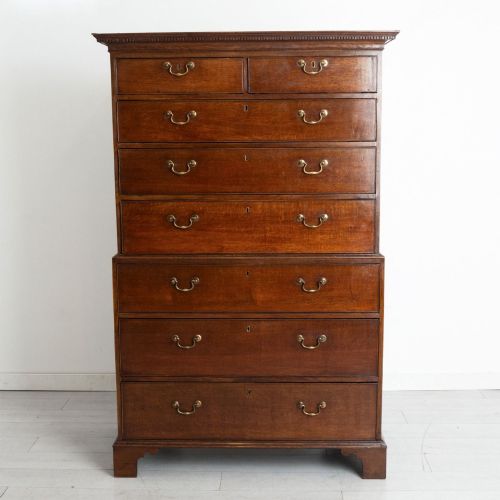
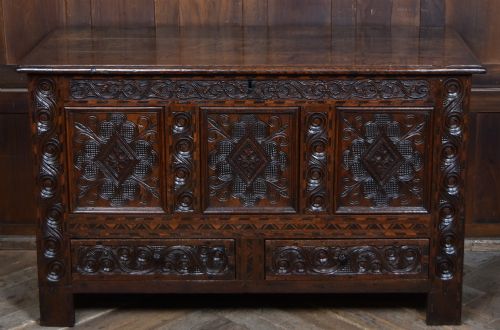
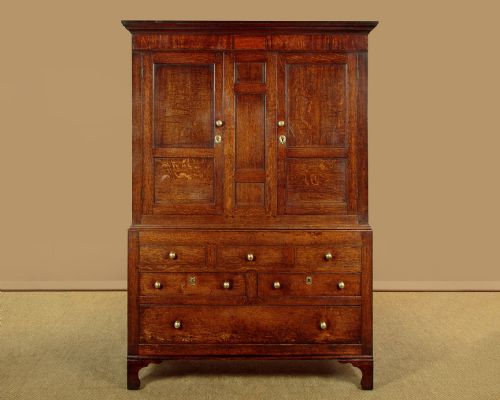
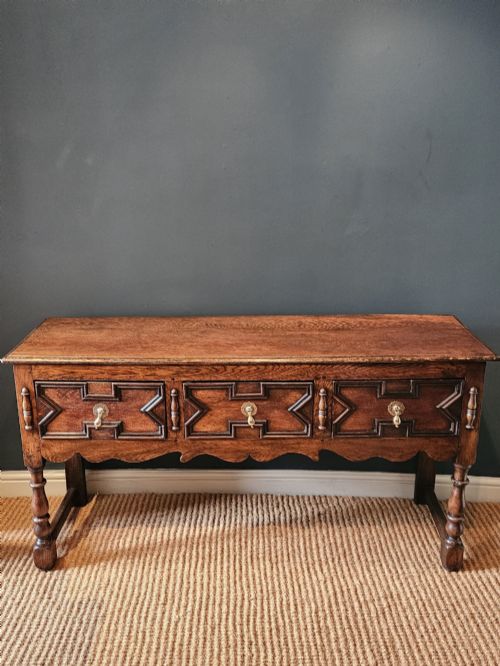
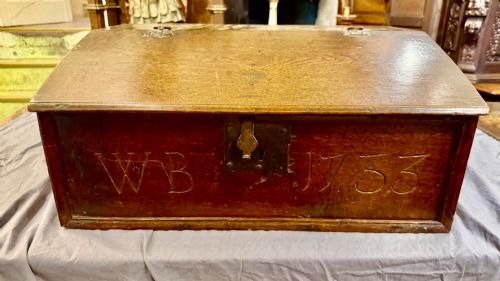
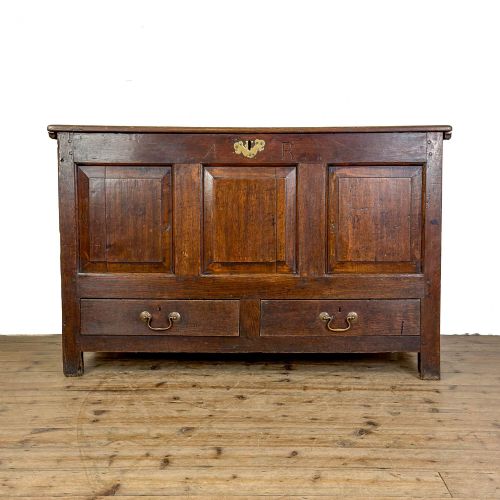
Georgian Carved Oak Chest
When you handle a georgian carved oak chest, you hold domestic history in your hands, crafted for storage and built to endure centuries.
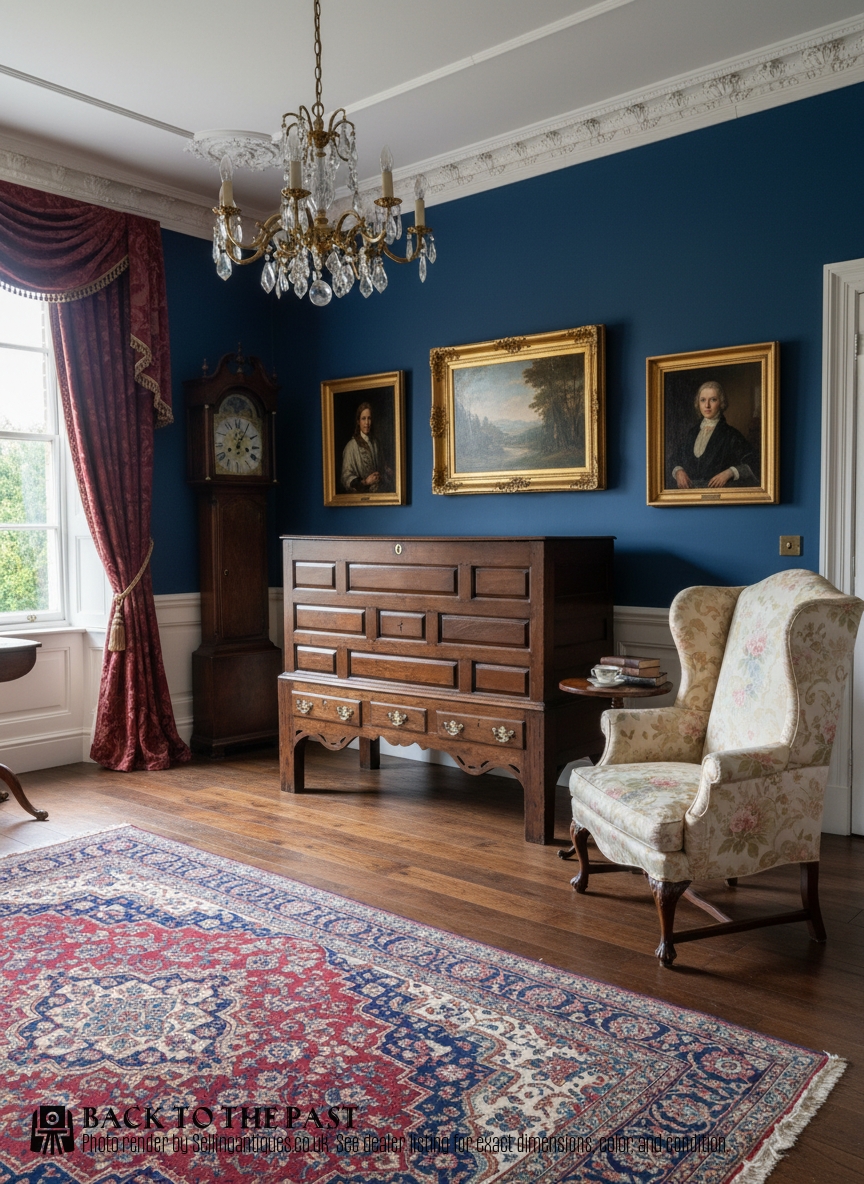
Georgian Carved Oak Chest
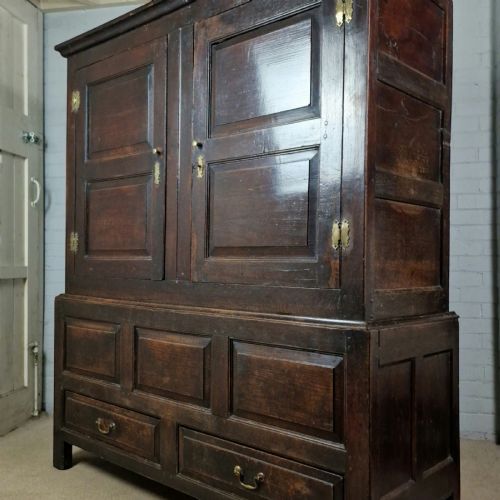
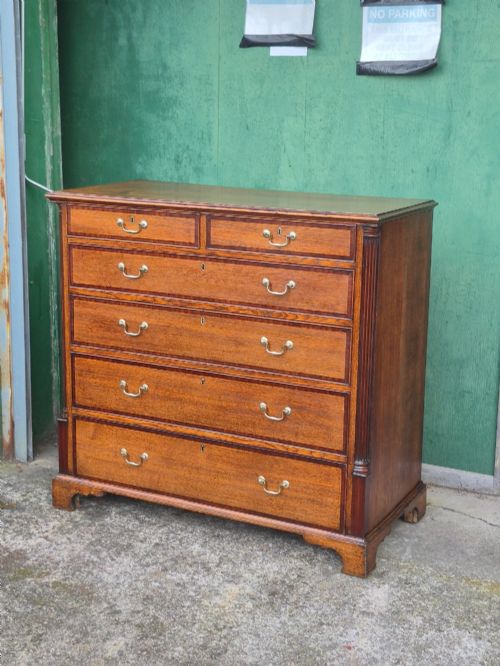
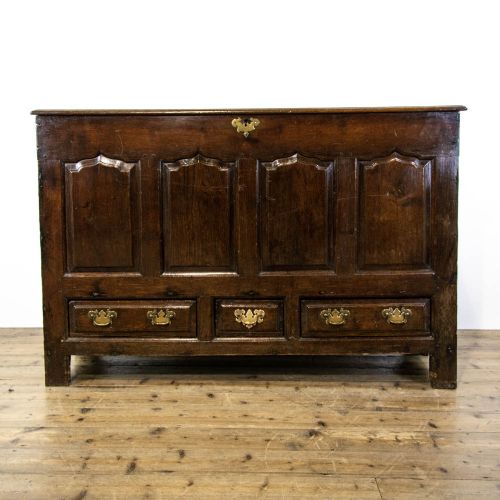
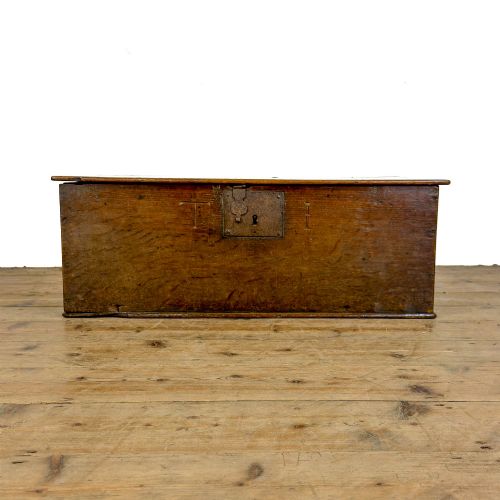
A georgian carved oak chest represents a utilitarian storage form spanning the seventeenth, eighteenth and nineteenth centuries, encompassing coffers, blanket boxes, mule chests and chests of drawers.
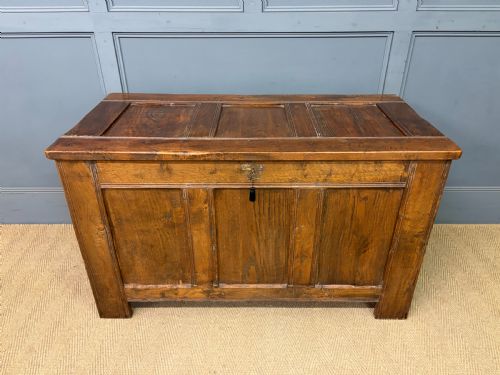
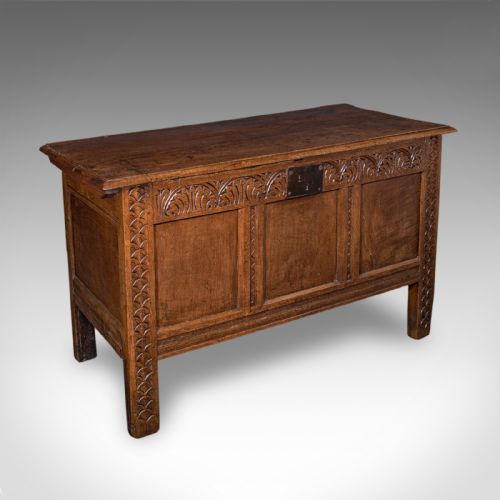
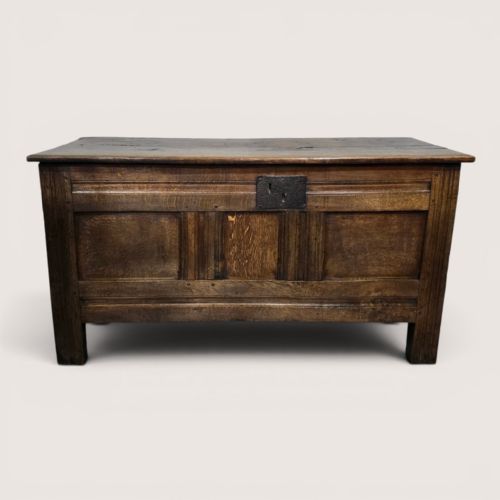
The version most frequently encountered on this page is the robust provincial coffer or panelled chest, often displaying regional characteristics from Welsh or English vernacular traditions.
These items served domestic roles holding linen, documents or personal valuables before evolving into more complex drawer-based configurations and cupboards.
How they were made
Carpenters constructed these pieces primarily from solid English oak, frequently utilising frame-and-panel techniques to accommodate the natural movement of timber over time.
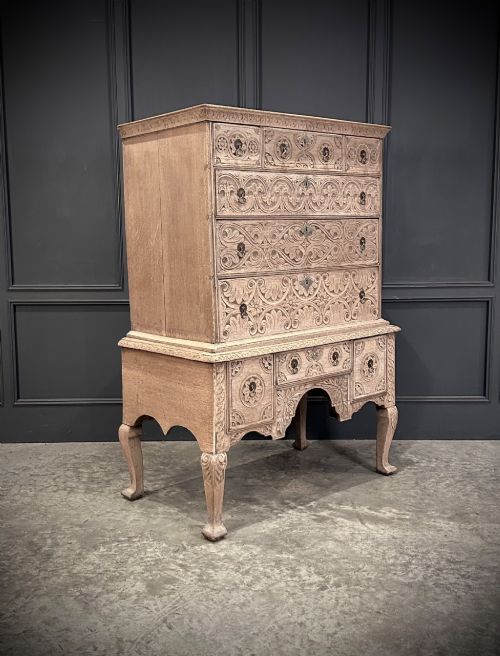
Detailing often involved hand-carved geometric or floral motifs, supplemented by secondary timbers such as burr elm and iron or brass hardware including original locks, keys and handles.
Georgian Carved Oak Chest Retail Price Guide 2026
Typical asking prices for georgian carved oak chest among the pieces listed under this phrase on Sellingantiques today, from the lower quarter to the upper quarter. They describe what is for sale here now, not the wider market.
Listings feature eighteenth-century and nineteenth-century forms, predominantly constructed from solid oak with occasional burr elm panels and brass hardware.
What varies in quality
The distinction between tiers rests upon the crispness of the original carving, the proportion of the piece, and whether structural elements like bases and lids remain unaltered.
Examples retaining surface patination, untouched brass handles and original boarded interiors command greater interest than those subjected to excessive surface cleaning or later decorative carving.
The Georgian Carved Oak Chest Glossary
- Coffer
- A large wooden chest used for storing valuables, linen or documents. These box-form containers often feature hinged lids and front panels.
- Mule chest
- A traditional storage chest featuring one or more drawers beneath the main box compartment. This form bridges the gap between the coffer and the chest of drawers.
- Bible box
- A small, portable desk or storage box designed to hold sacred texts and writing materials. They frequently rest on stands or tables.
- Chest on stand
- A case piece elevated upon a distinct base or frame with legs. This configuration lifts the main storage volume off the floor.
- Frame and panel
- A method of construction where a central floating panel sits within a grooved perimeter frame. This technique prevents timber from splitting as humidity changes.
Georgian Carved Oak Chest: Frequently Asked Questions
What is a mule chest?
A mule chest is essentially a coffer with the addition of one or more drawers built into the base below the main compartment.
This hybrid form appeared as storage needs evolved in domestic households during the eighteenth century.
How do I care for antique oak?
Keep wooden pieces away from direct heat sources and dramatic humidity fluctuations to prevent timber from splitting.
Apply a traditional beeswax polish sparingly to maintain the natural finish and feed the dry surface.
Are these chests heavy?
Solid oak furniture possesses substantial weight due to the density of hardwood used in seventeenth and eighteenth-century construction.
Two people are typically required to lift and manoeuvre larger coffers or chests on stands safely.
How are periods identified?
Period attribution relies on examining construction methods, tool marks, timber selection and stylistic decorative motifs.
Changes in hardware styles and dovetailing techniques also provide reliable clues regarding the decade of manufacture.