
Antique Chest with Drawers
When choosing an antique chest with drawers, you select a piece that brings centuries of British and European storage craftsmanship into a room.
Antique Chest with Drawers
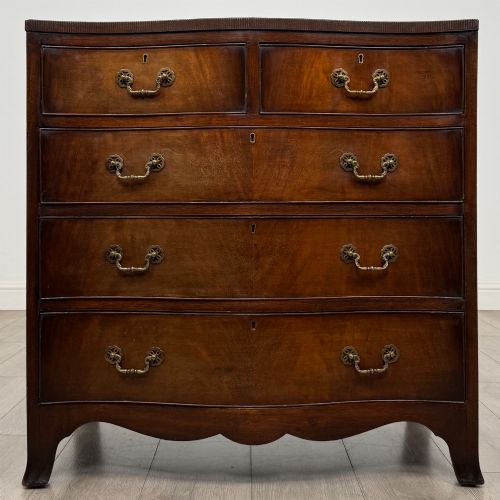
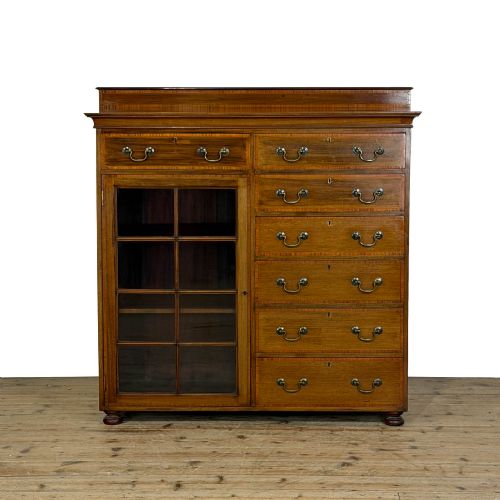
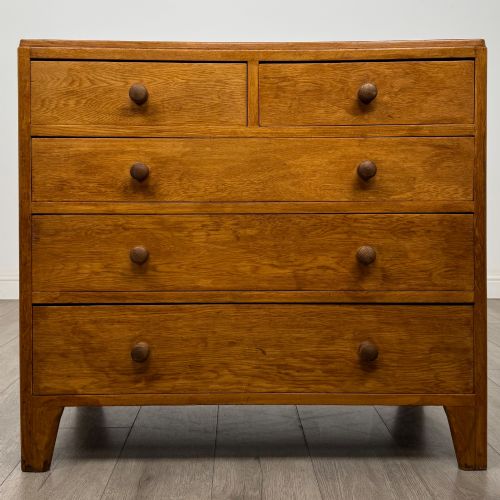
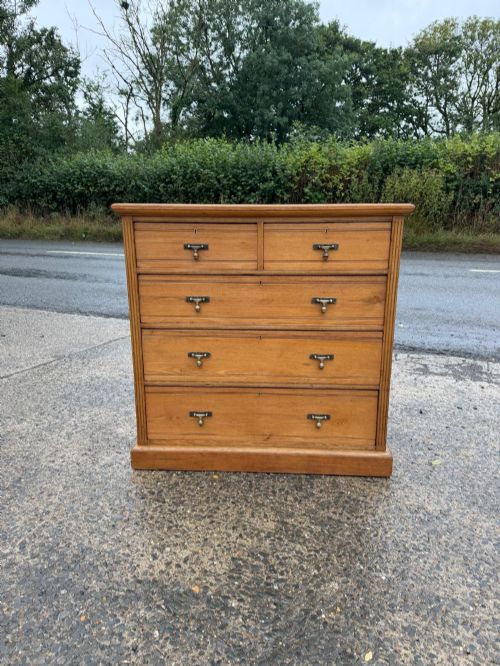
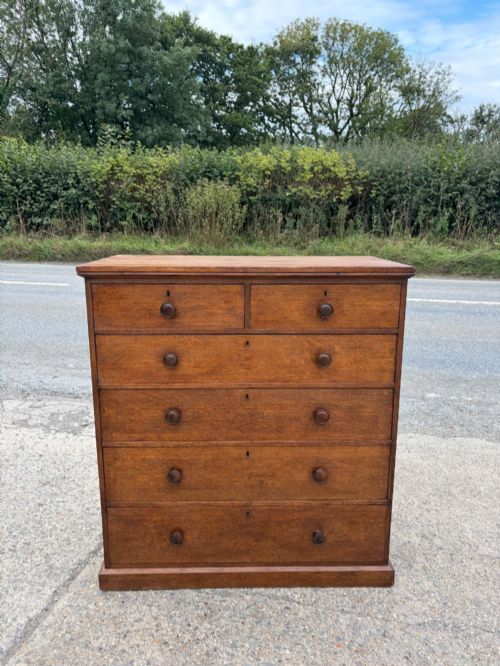
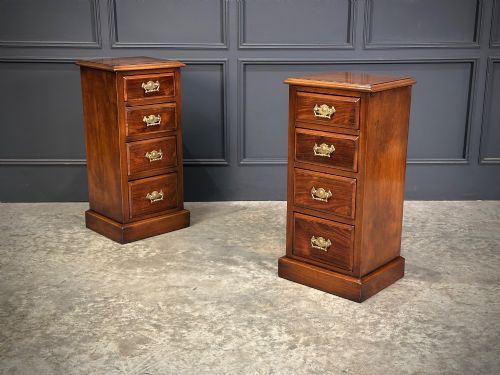
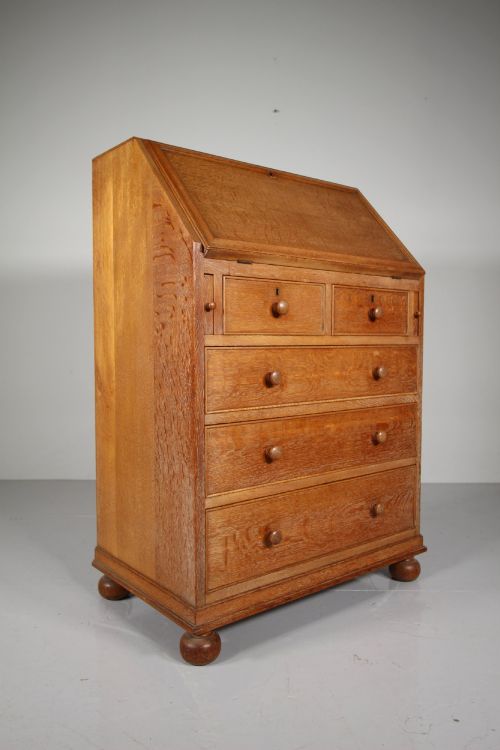
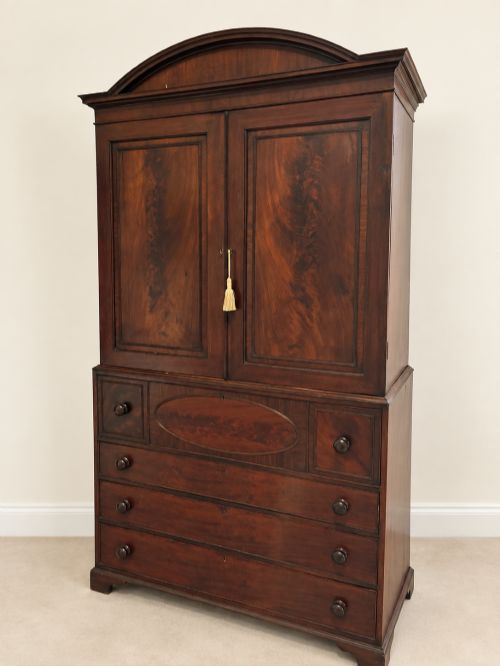
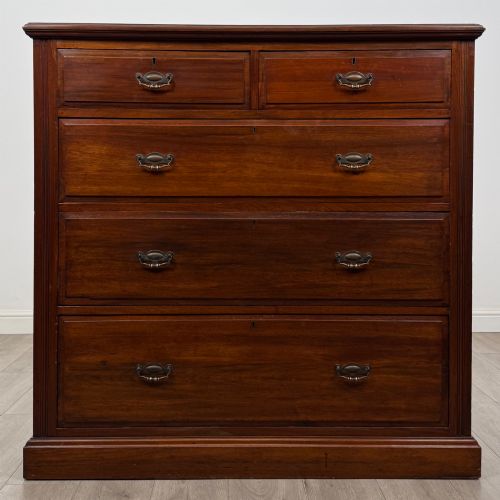
An antique chest with drawers serves as a foundational storage piece, spanning periods from the seventeenth century through the Edwardian era and the 1920s. Buyers encounter forms ranging from compact bachelor chests and tall chests on chest to scrubbed pine kitchen pieces and elaborate walnut escritoires.
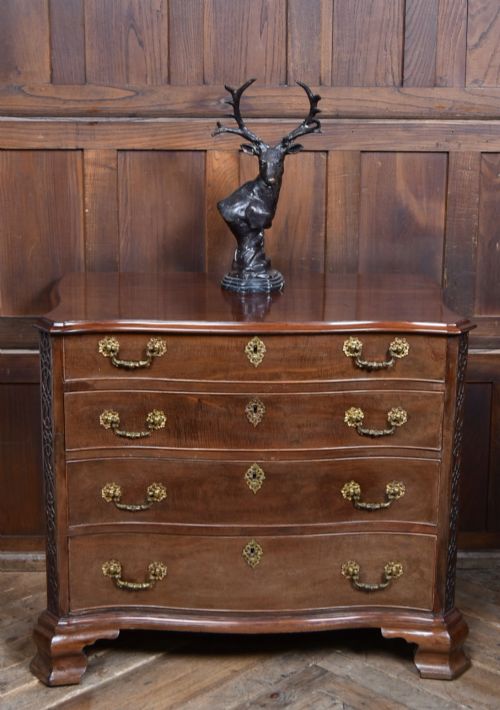
The selection includes regional variations such as Welsh oak coffer bachs alongside French commodes topped with grey, rouge, or verde alpi marble. Drawer configurations vary from simple three-height setups to multi-drawer Wellington chests equipped with locking flaps and candle sconce mounts.
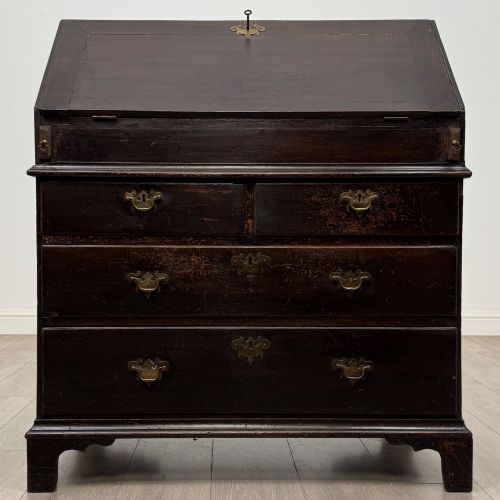
Many examples incorporate practical writing surfaces, including pull-out brushing slides, fall-front bureaux, and fitted writing desks. Materials span native timbers like oak and mahogany alongside exotic veneers such as burr walnut and flame mahogany.
How They Were Made
Cabinet makers utilised dense hardwoods like mahogany, oak, and walnut, often applying flame mahogany or burr walnut veneers to primary visible surfaces to create dramatic grain patterns. Pine served widely for internal carcases, secondary drawer linings, and provincial country furniture.
Construction relied on traditional joinery techniques, paired with brass handles, drop pulls, wooden knobs, glass handles, or porcelain twists. Finer pieces incorporated specialised hardware such as brass bound corners for military campaign chests, or marquetry inlay and line inlay across drawer fronts.
Listings feature periods spanning from the seventeenth century through the Edwardian era, with mahogany, oak, and walnut dominating structural materials.
What Varies in Quality
The upper tier of pieces displays exceptional timber selection, such as highly figured walnut or matched flame mahogany veneers, combined with precise crossbanding and harmonious proportions. Lesser examples utilise plain secondary timbers with less disciplined grain alignment and simpler structural joints.
Hardware integrity and internal craftsmanship separate finer pieces from standard domestic storage, evident in solid oak drawer linings, original brass drop handles, and functioning locking mechanisms. The presence of integrated elements like functional brushing slides and secret drawers elevates the standing of a piece within its period.
The Antique Chest with Drawers Glossary
- Brushing slide
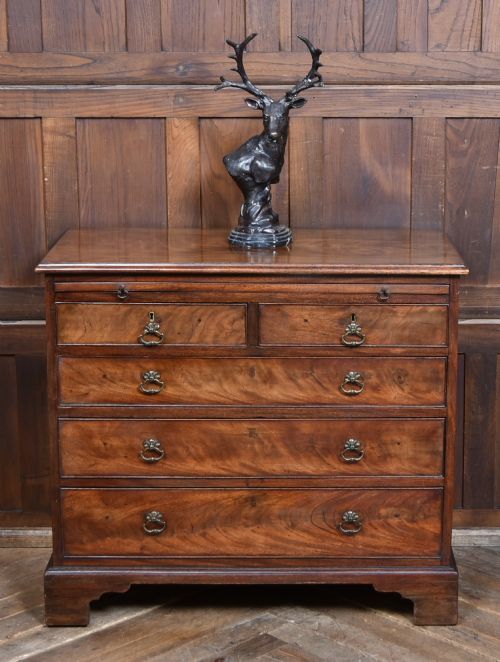
- A pull-out shelf located above the top drawers, historically utilised for folding laundry or writing letters before a desk was opened. It sits flush within the moulding when closed.
- Chest on chest
- A tall storage unit formed by stacking a smaller chest directly upon a larger base chest, also known as a tallboy. This form maximises vertical capacity while maintaining a compact footprint.
- Mule chest
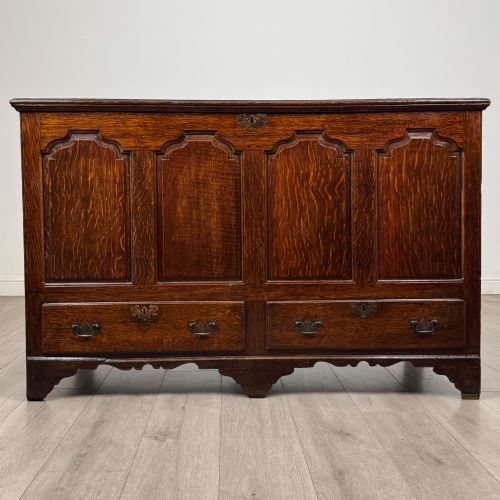
- A blanket box or coffer fitted with one or more drawers at the base, bridging the transition from trunk storage to modern drawer units. Early versions often display extensive panelwork and marquetry inlay.
- Escritoire
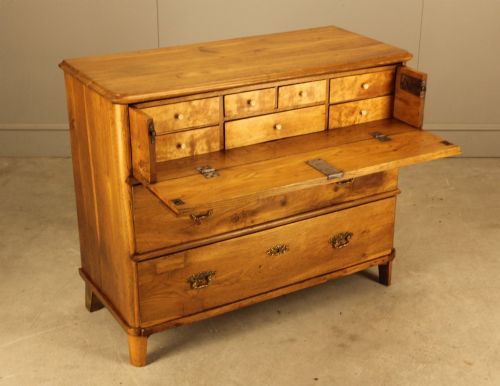
- A writing cabinet featuring a fall-front writing surface that conceals an arrangement of small interior compartments and pigeonholes. These standing desks combine enclosed writing space with deep drawer storage.
Antique Chest with Drawers: Frequently Asked Questions
How do I identify a Georgian chest?
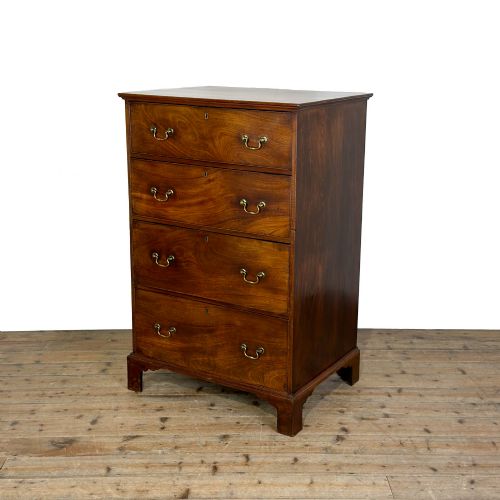
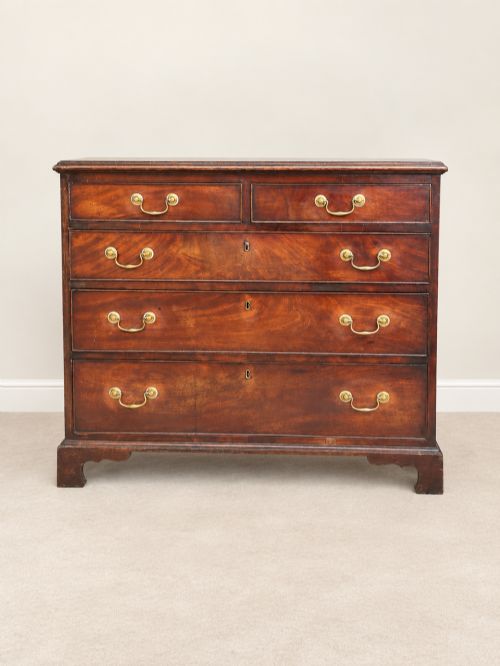
Georgian pieces typically employ solid mahogany, oak, or walnut, often featuring hand-cut dovetails on the drawer sides and original brass swan-neck handles or drop pulls. Look for bracket feet or ogee bracket feet supporting the base carcase.
Proportions tend to follow classical architectural rules, and many examples include a pull-out brushing slide beneath the top moulding.
What is a brushing slide used for?
A brushing slide functions as a pull-out wooden shelf positioned just beneath the top surface or above the uppermost drawer. In the eighteenth and nineteenth centuries, owners used these slides to brush garments or write brief notes without setting up a full desk.
They slide completely out of sight when not in active use.
How do I care for antique wood drawers?
Maintain stable humidity levels and avoid placing wooden chests near direct heat sources or in strong sunlight that can dry out veneers. Dust regularly with a dry cloth and apply a quality beeswax periodically to nourish the polished wood surface.
Ensure drawers remain lightly waxed along their runners to prevent sticking during seasonal humidity shifts.
What is a military campaign chest?
A campaign chest splits into two separate modular sections designed for easy transport by officers on active service during the eighteenth and nineteenth centuries. These pieces feature recessed brass flush handles and protective brass corners to withstand rough handling.
Constructed from durable timbers like mahogany or teak, they offer robust, compartmentalised storage.