
Georgian Brass Light
A georgian brass light brings warmth and period character to a room, offering functional illumination through time-tested forms.
Georgian Brass Light
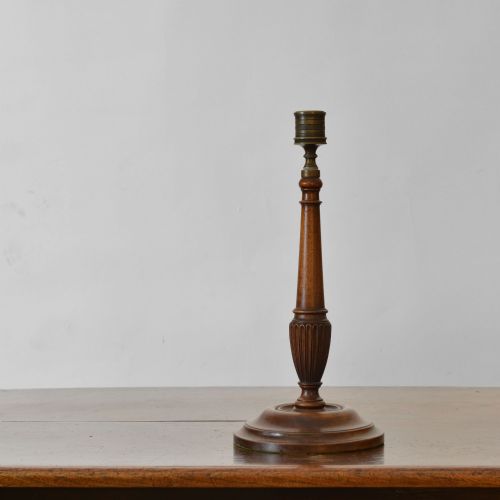
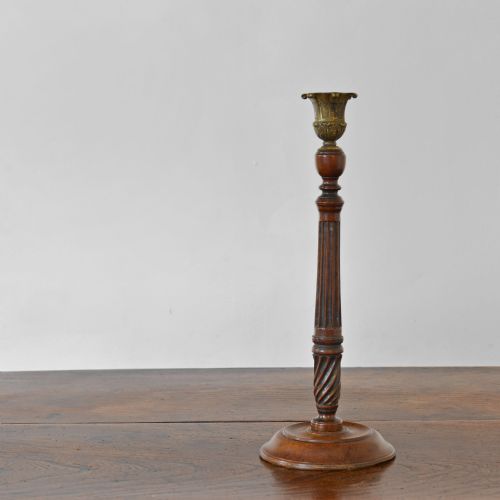
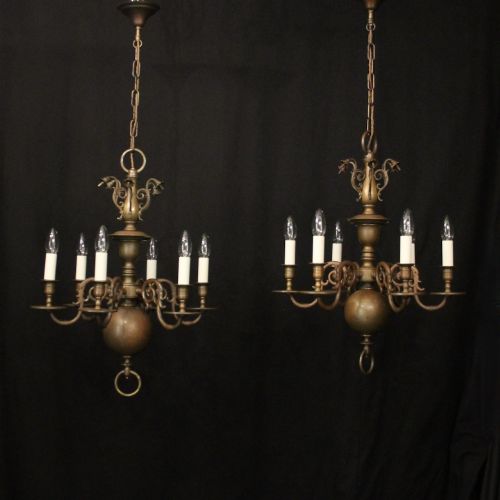
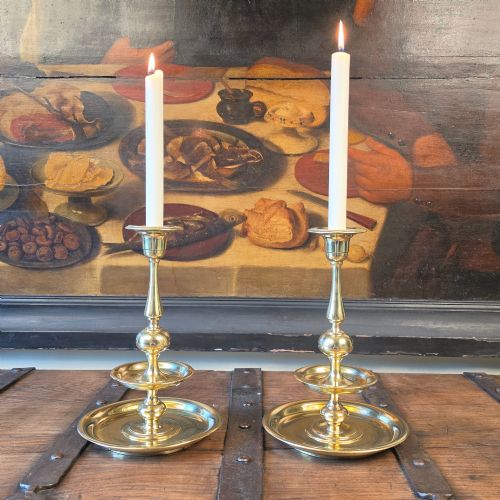
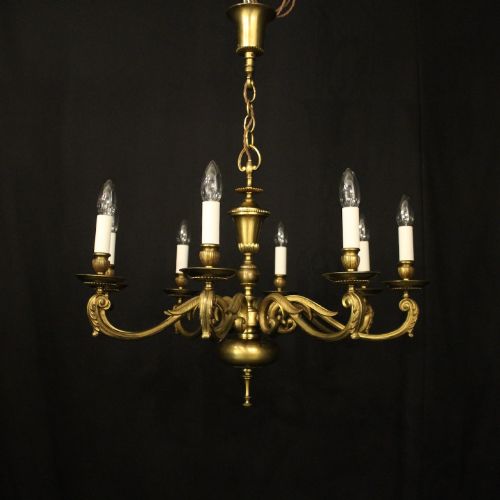
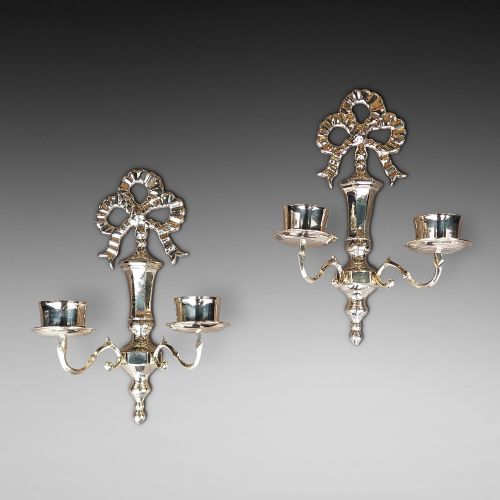
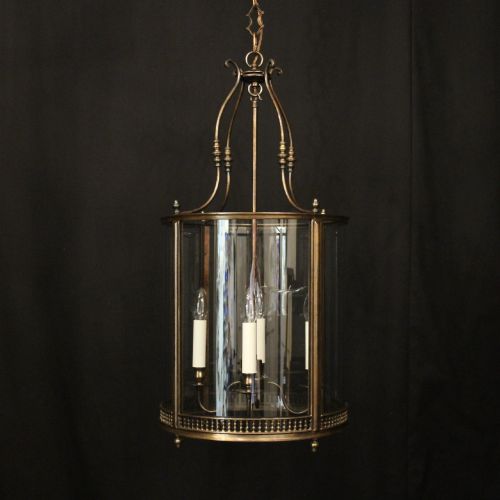
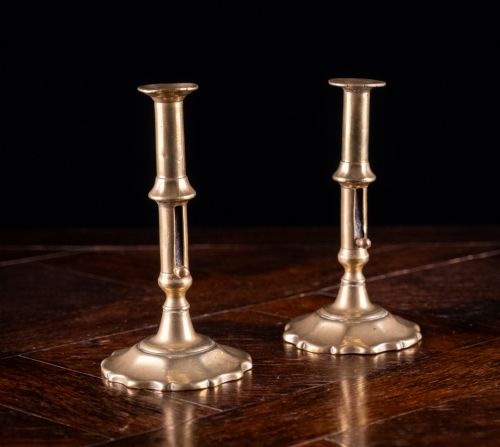
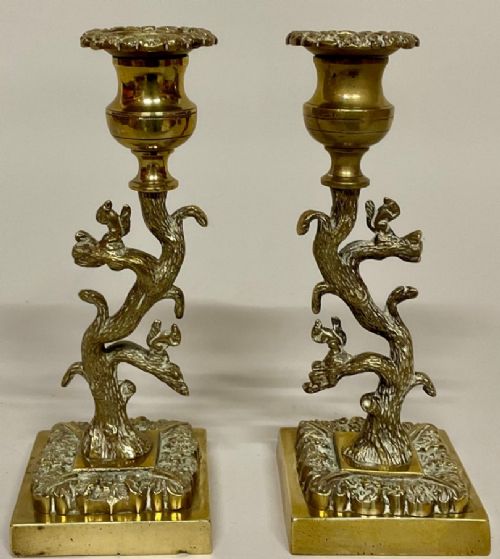
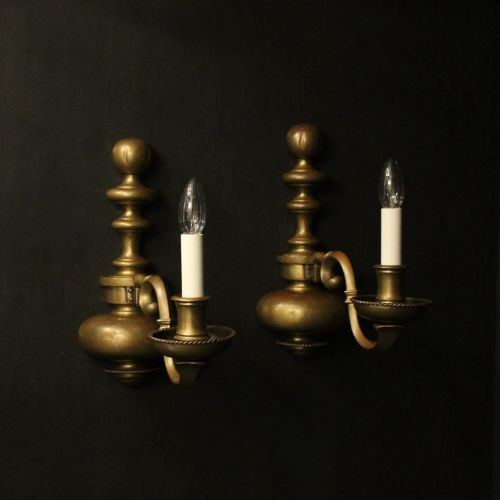
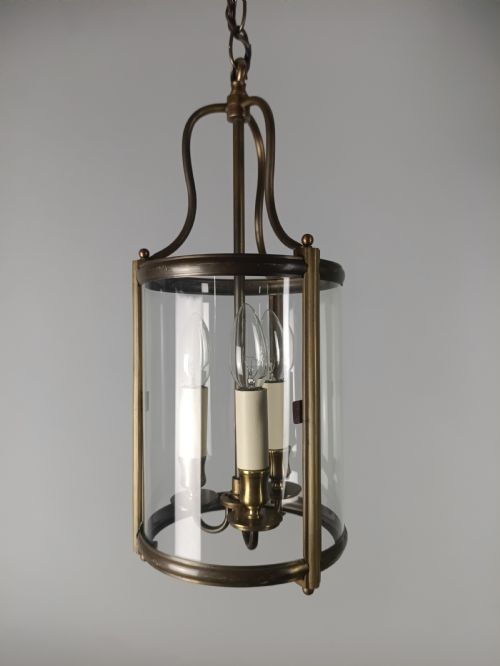
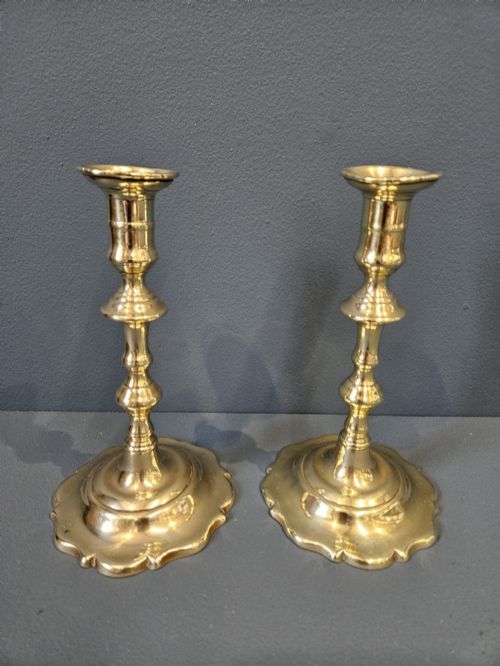
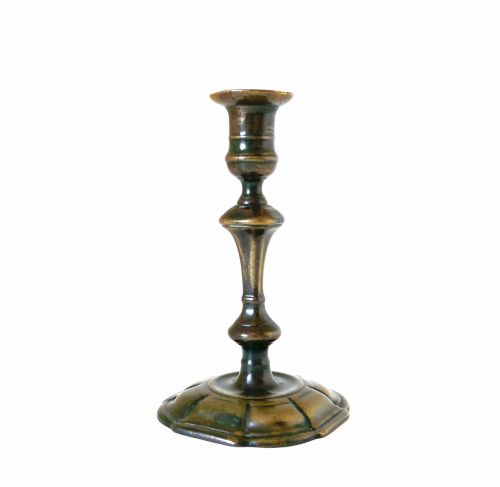
A georgian brass light typically takes the form of candlesticks, hall lanterns, chandeliers, and wall sconces spanning the eighteenth and nineteenth centuries. Buyers frequently encounter seamed brass sticks, petal-base designs, and column candlesticks alongside convex hanging lanterns.
The selections bridge multiple eras including the Georgian period, Regency, Victorian, and later revivals like the Adam style. Materials range from solid brass and cast brass to bronze, gilt bronze, and occasional mahogany combinations.
Quality and execution
Weight and casting crispness distinguish superior examples from standard production, as finer pieces display sharp relief on decorative motifs and substantial metal thickness. The precision of the assembly, from threaded joins to firmly seated bases, determines structural integrity.
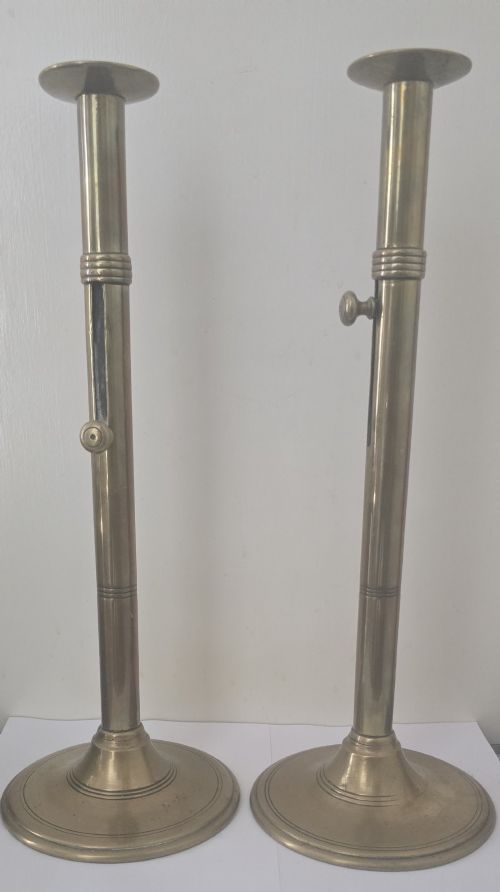
Original components and untouched patination carry considerable weight, whereas polished surfaces or replaced parts alter the historical integrity of the piece. Patented mechanisms, such as working ejectors and telescopic adjustments, operate smoothly on superior specimens.
J.T. & Co·J. Miller
The Georgian Brass Light Glossary
- Ejector
- A internal sliding mechanism operated by a side lever that pushes a spent candle remnant out of the socket. This practical device became common on eighteenth-century candlesticks.
- Petal base
- A distinctive round foot shaped to resemble overlapping flower petals, frequently seen on mid-eighteenth-century English brass candlesticks. It provides both stability and decorative contour.
- Pricket
- A sharp vertical spike in the centre of a drip pan designed to hold a candle securely in place. This form appears on ecclesiastical and earlier lighting pieces.
- Lucerna
- An Italian oil lamp design featuring multiple suspended reservoirs and picks, often cast in brass and bronze. These pieces utilise oil rather than wax for illumination.
- Convex lantern
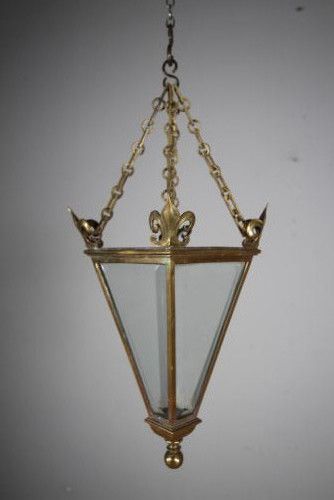
- A hanging hall light constructed with curved glass panes that diffuse light outward. They are typically framed in brass or gilded metal.
Georgian Brass Light: Frequently Asked Questions
How do I clean antique brass?
Dusting with a soft, dry cloth preserves the historic patina and protects the underlying metal from unnecessary wear. Avoid harsh chemical polishes that strip away age-acquired character.
For stubborn grime, mild soapy water applied sparingly and dried immediately prevents oxidation while maintaining the surface finish.
Can these lights be electrified?
Many hanging lanterns and wall lights accept modern wiring for domestic use without altering the main body. Professional electricians can run cords discreetly through existing channels.
Candlesticks generally remain un-electrified to preserve their original seamed and mechanical construction, though adapters exist that avoid permanent modification.
How do I date a brass candlestick?
Examination of the base construction, casting methods, and profile offers clear clues to the decade of manufacture. Eighteenth-century examples often feature seamed shafts and heavy cast saucer bases.
Later nineteenth-century and revival pieces display heavier machine-tooled threads and different patination patterns compared to their earlier counterparts.
Where should I hang a hall lantern?
Entryways and corridors with adequate vertical clearance suit hanging lanterns best, casting warm light across transitional spaces. Their convex glass panels spread illumination evenly.
Ensure the hanging height allows comfortable passage underneath while anchoring the weight securely into ceiling joists.