
Foyer Pendant Lighting
Foyer pendant lighting sets the tone for an entrance, bringing overhead illumination and decorative presence to a hallway from the nineteenth and twentieth centuries.
Foyer Pendant Lighting
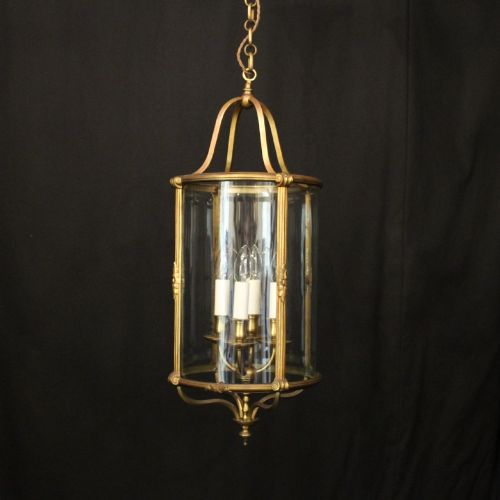
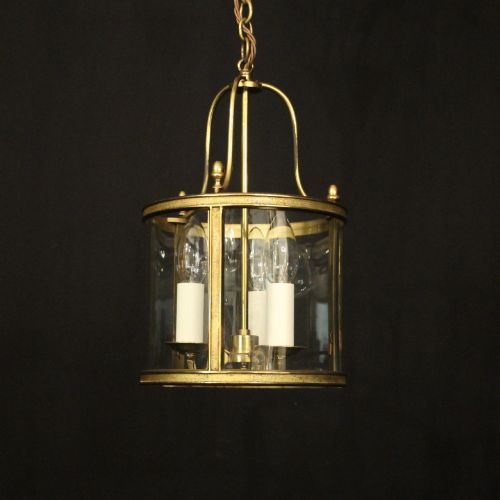
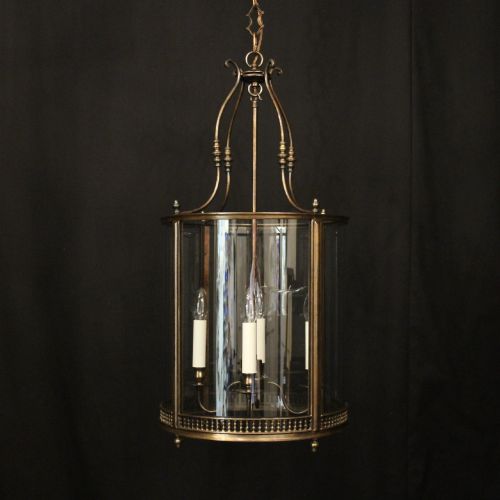
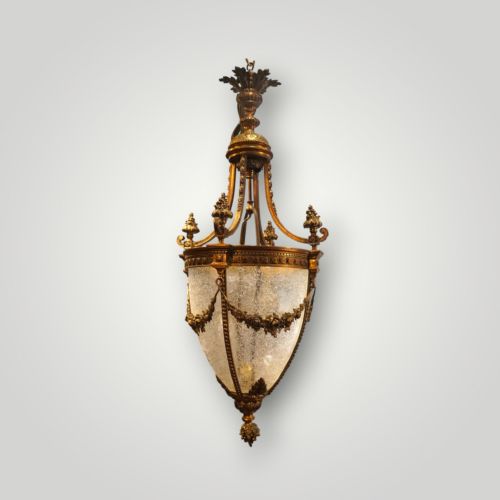
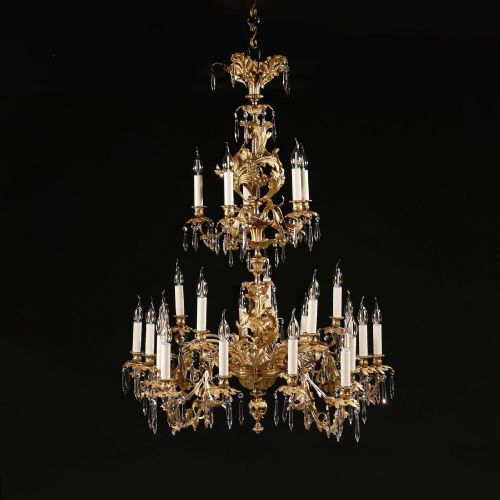
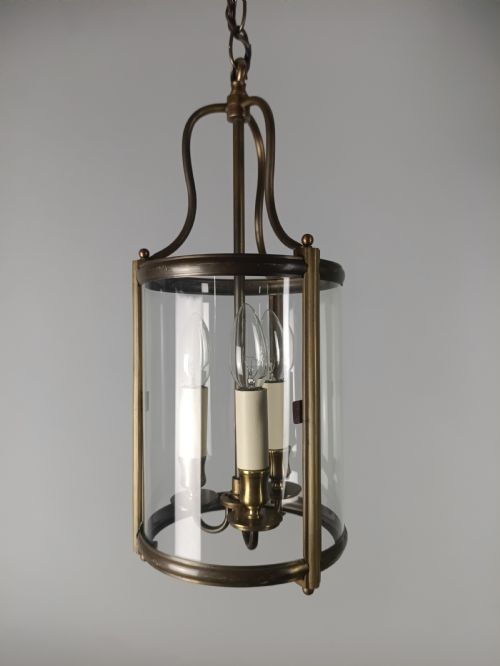
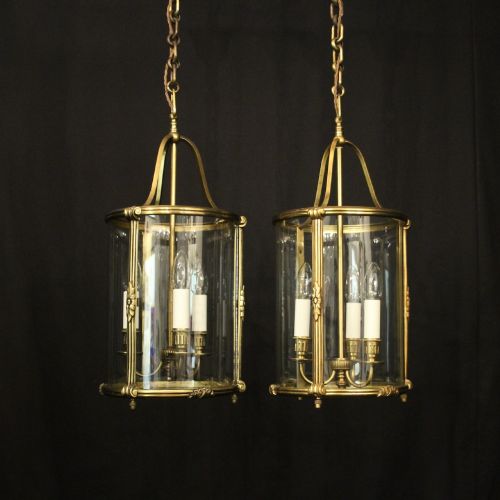
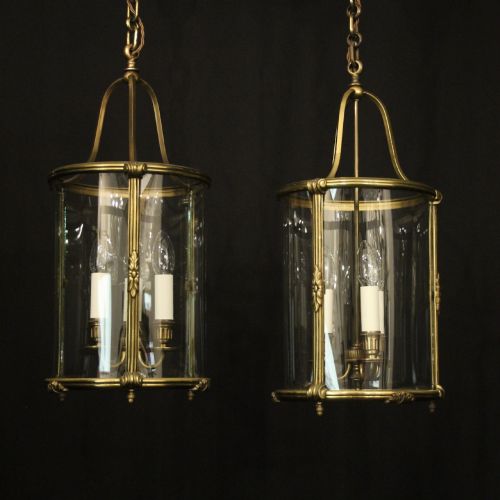
Foyer pendant lighting comprises hanging fixtures designed for entrance halls and corridors, appearing primarily as hall lanterns, ceiling lights, and chandeliers. These pieces hang from chains or rods to distribute light downwards into transitional spaces.
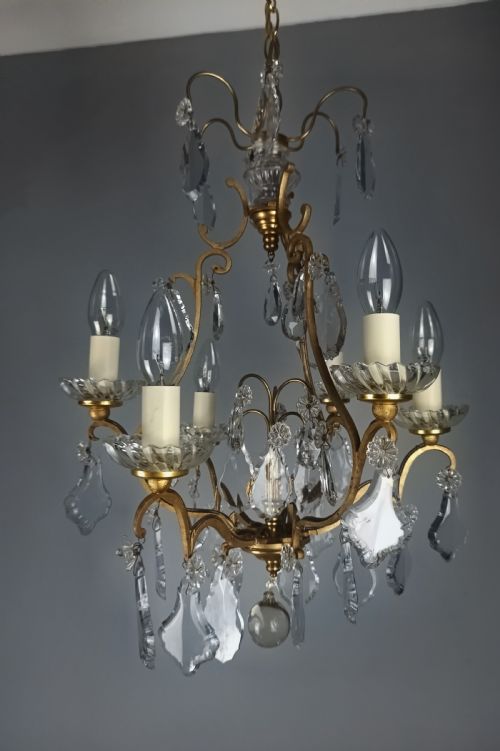
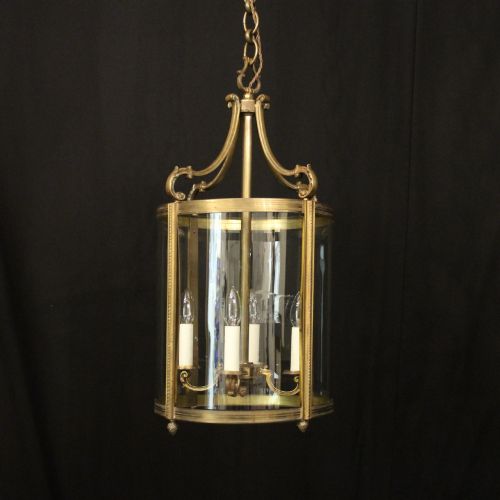
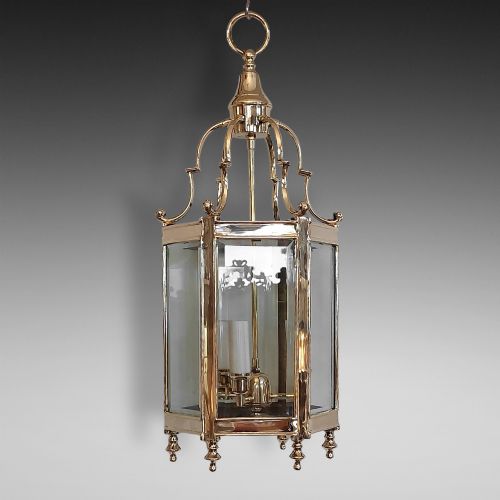
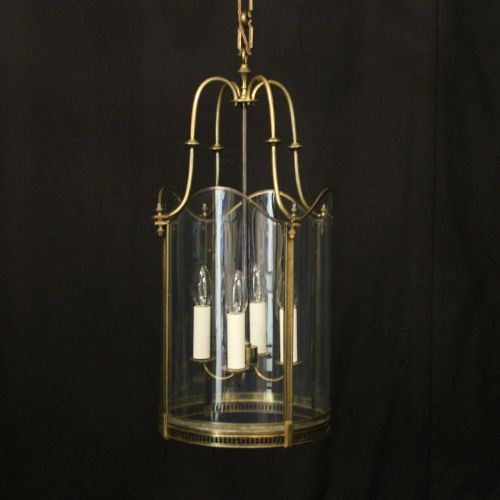
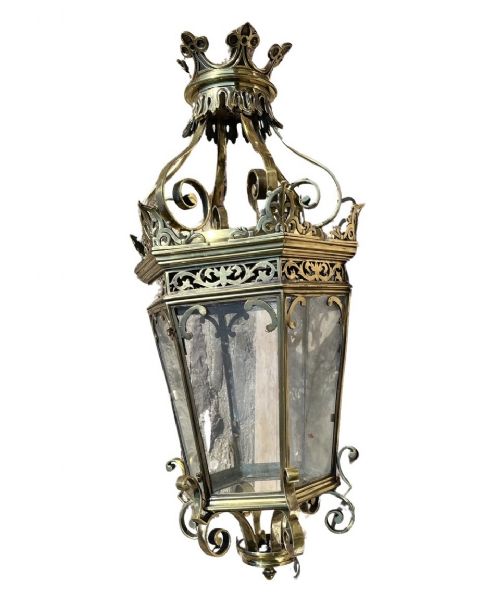
The selections available lean heavily towards French and English origins spanning the Victorian, Edwardian, and interwar periods. Buyers meet hexagonal, round, and birdcage forms suspended to command entryways.
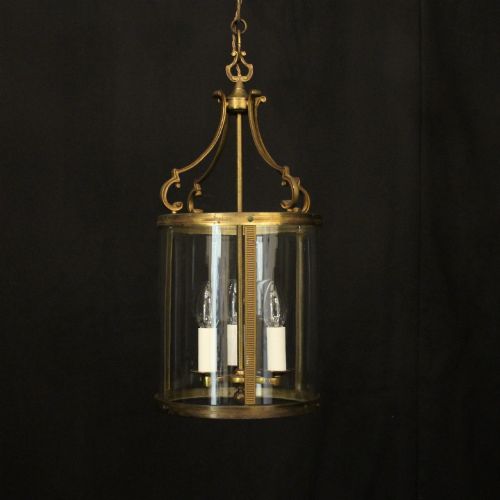
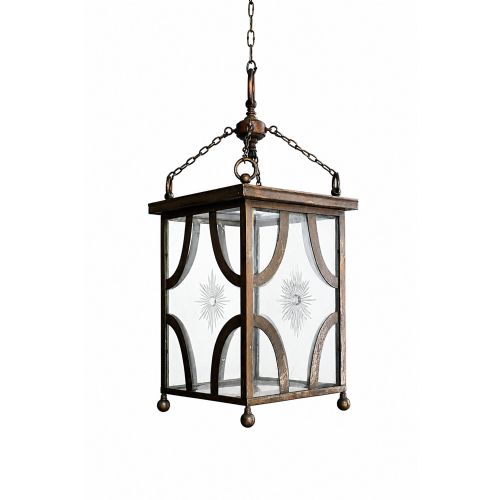
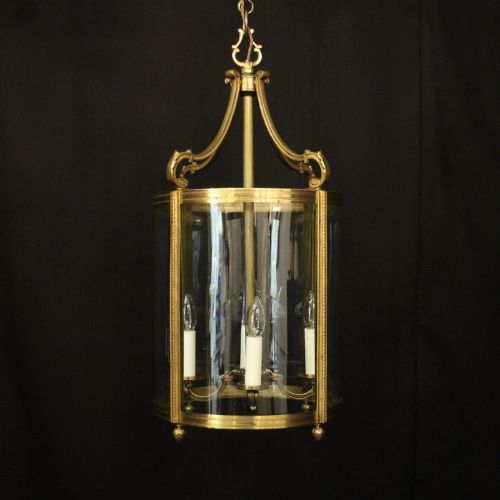
Hall lanterns dominate the offerings, often featuring glazed panels held within metal frameworks. Alongside these, multi-light chandeliers provide brighter overhead illumination for larger spaces.
How foyer pendant lighting was made
Makers utilised cast and forged metals including brass, bronze, and gilt or silvered bronze to construct the structural frames. These metals provided the necessary rigidity to support glass panels and multiple interior bulb sockets.
Glazing techniques involved clear, bevelled, and convex glass panes fitted securely within the metal cages. Crystal drops and cut glass elements were integrated into chandelier designs to refract light across the room.
Object types include hall lanterns, ceiling lights, and chandeliers, with French and English origins predominating.
What varies in quality
The weight and finish of the metalwork distinguish standard production from superior examples. Heavier bronze and thick brass castings with detailed chasing show greater dedication of workshop labour.
The complexity of the glass components also marks the scale of quality. Bevelled edges, convex moulding, and extensive crystal arrangements demand higher levels of glassmaking skill than simple flat panes.
The Foyer Pendant Lighting Glossary
- Hall Lantern
- A hanging light fixture enclosed in glass panels, designed specifically for corridors and entrance spaces. These fixtures protect the flame or bulbs from drafts while casting light in all directions.
- Convex Glass
- Curved glass panes that project outward from the metal frame, softening the interior light and adding visual depth. This technique requires specialist moulding during manufacture.
- Gilt Bronze
- Bronze metal coated with a thin layer of gold or gold-coloured alloy, also known as ormolu. This finish prevents tarnishing and adds a warm metallic lustre.
- Bevelled Glass
- Glass panes featuring angled edges cut and polished to a specific slope. This treatment refracts incoming light into prismatic colours.
- Birdcage Chandelier
- A chandelier style featuring a curved metal framework resembling the profile of an aviator's cage. These frames often support internal tiers of lights and crystal drops.
Foyer Pendant Lighting: Frequently Asked Questions
How do I choose the right size foyer pendant?
Consider the scale of your entrance hall and the height of the ceiling. Larger spaces accommodate multi-light lanterns or expansive chandeliers without overwhelming the proportions.
Ceiling height dictates the length of the suspension chain or rod, ensuring the fixture hangs clear of head height while remaining visually anchored to the space.
Were these lanterns meant for candles or electricity?
Many nineteenth and early twentieth century examples were originally designed for candles or gas before later conversion to electricity. Surviving wiring reflects modern updates while retaining the historic exterior.
Interior cluster fittings are typically adapted to accept standard modern bulbs while keeping the original burner or candle-tube aesthetics intact.
How do I clean a glass and brass lantern?
Regular dusting with a soft, dry cloth preserves the metal finish and maintains glass transparency. Avoid harsh chemical cleaners that can strip gilt surfaces or discolour aged brass.
Glass panels can be carefully wiped with a mild window solution, taking care not to moisture-damage internal electrical components or aged solder joints.
How do I tell Edwardian lanterns apart from Victorian ones?
Victorian pieces often display heavier proportions and ornamental revival styles such as Gothic or elaborate cast bronze work. These designs lean towards robust construction and dense decoration.
Edwardian lighting tends to favour cleaner lines, lighter brass frameworks, and refined hexagonal or round geometries that reflect changing domestic tastes.