
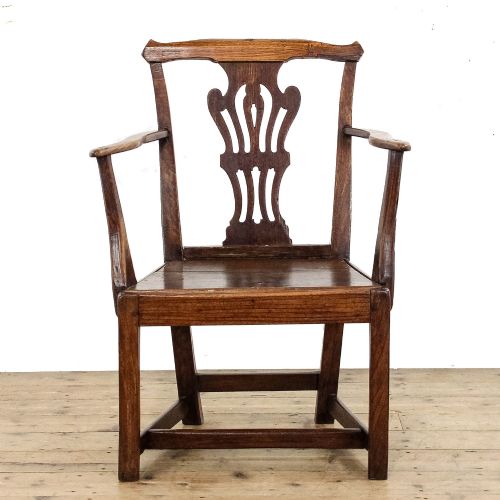
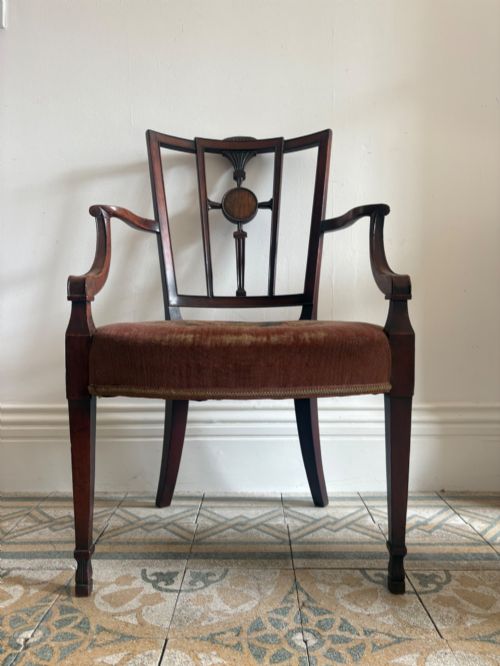
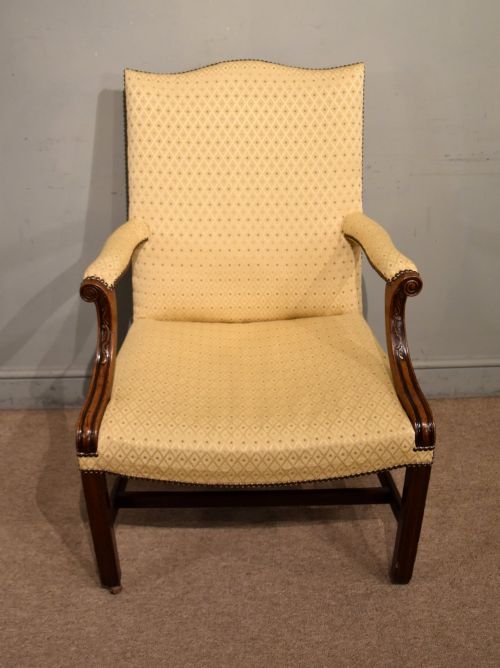
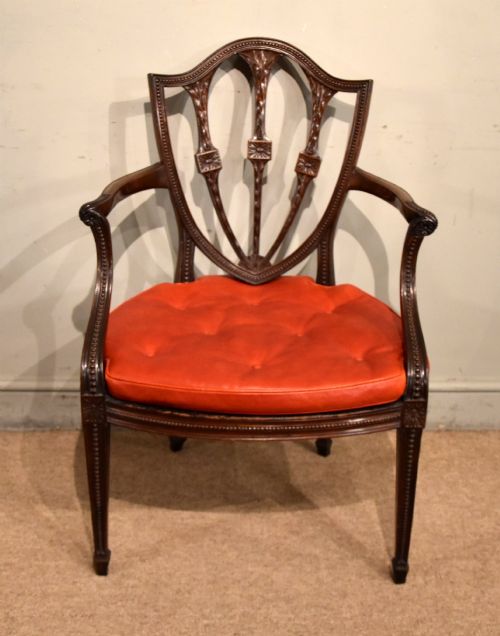
George III Open Armchair
A george iii open armchair brings architectural proportion and crafted timber into a room, offering a seat designed for library, desk or parlour.
George III Open Armchair
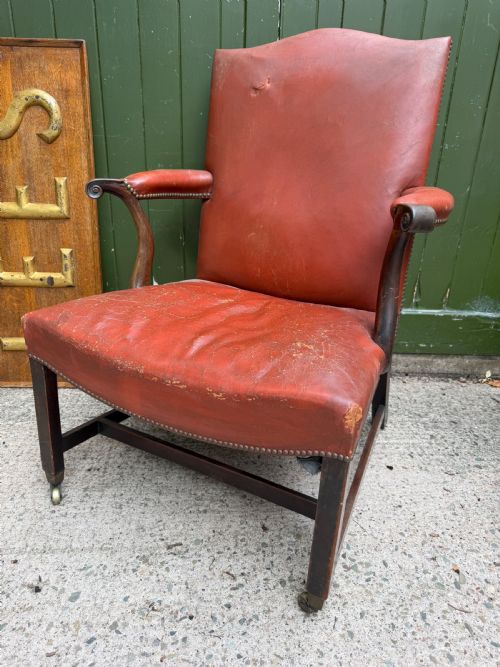
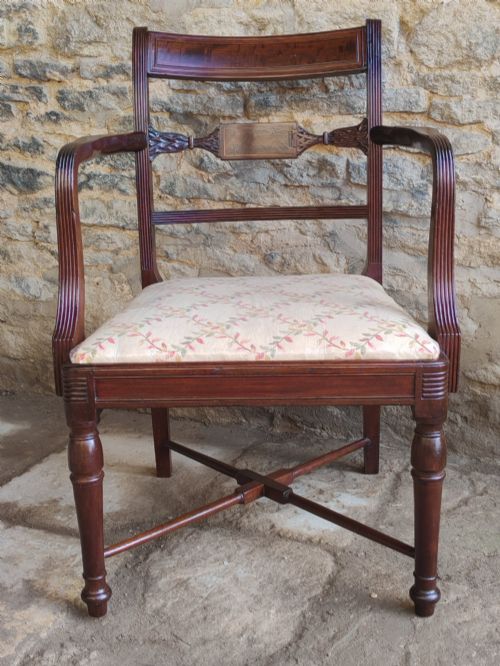
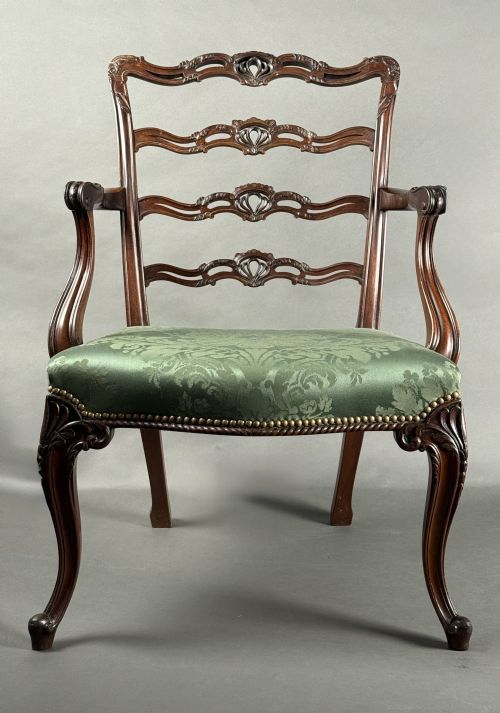
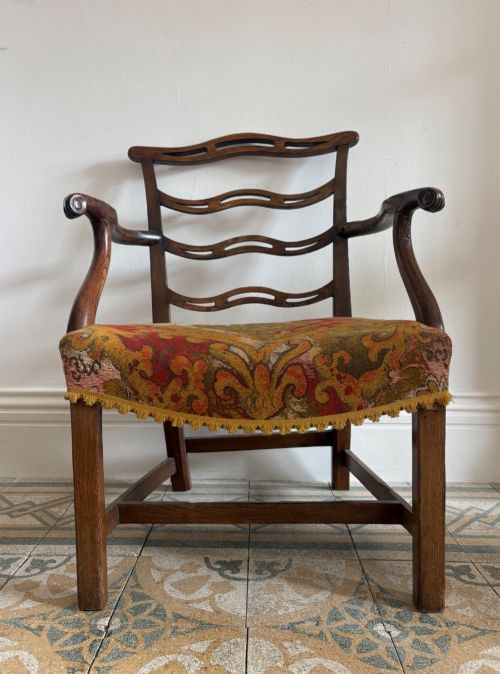
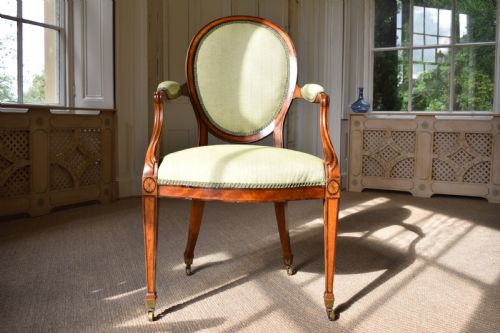
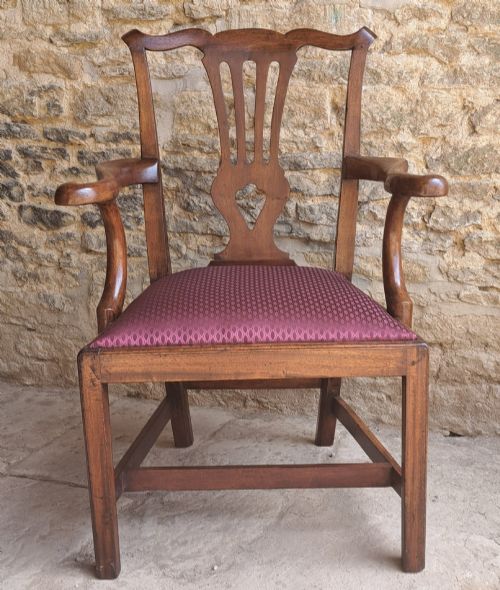
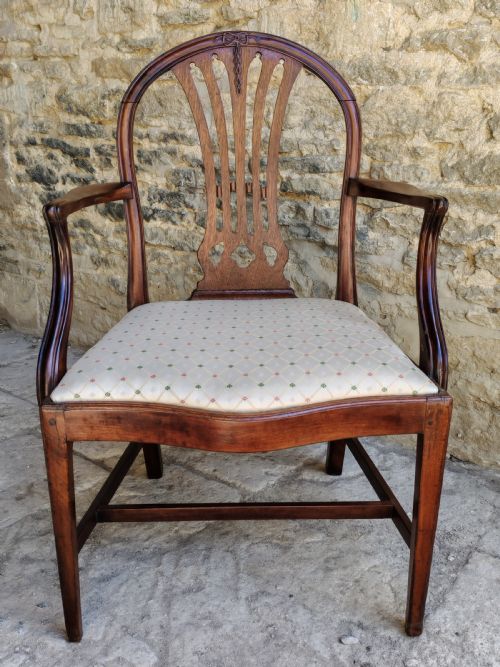
A george iii open armchair encompasses seating produced across the Georgian period, typically taking the form of library armchairs, desk chairs or carvers with upholstered or timber seats. The listings demonstrate that mahogany forms the predominant primary timber, accompanied by regional variations in oak, elm, walnut and yew wood.
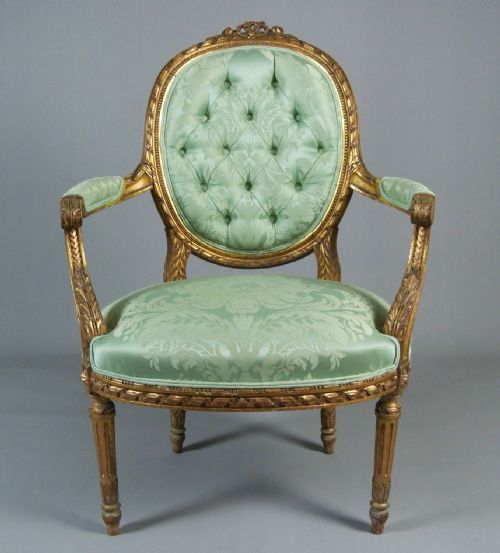
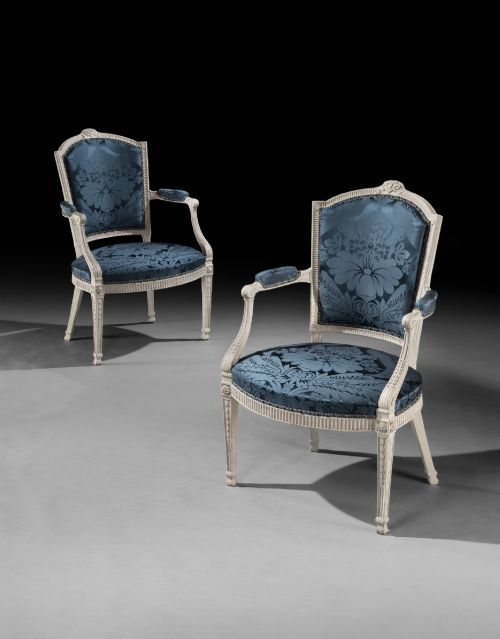
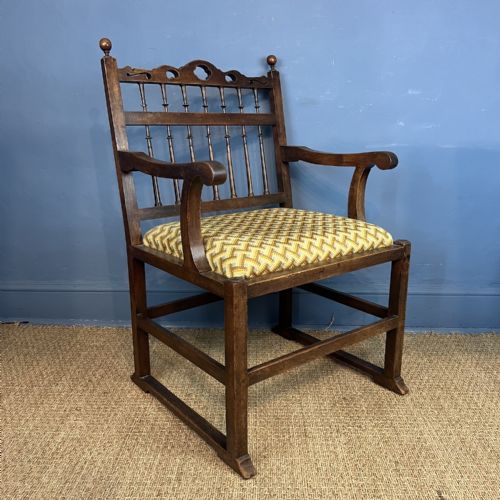
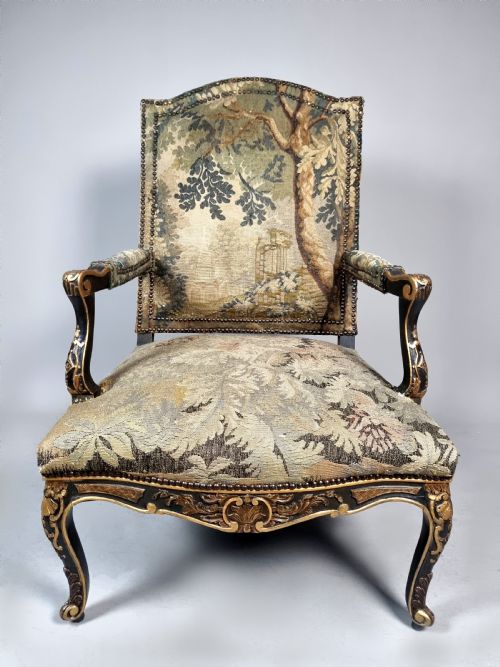
The aesthetic vocabulary spans simple country ladderback designs to neoclassical styles influenced by makers like Thomas Chippendale and Hepplewhite. Buyers encounter formal library chairs upholstered in leather alongside painted and giltwood pieces bearing classical motifs.
Most examples originate from the eighteenth century or around 1800, displaying the distinct structural developments of the Georgian era. These chairs function equally as standalone statement pieces or surrounding a dining table.
Materials and Construction
Makers utilised dense hardwoods, predominantly mahogany alongside structural timbers like oak and elm, shaping frames through traditional joinery and mortise and tenon techniques. Carved decoration relies on manual chisel work directly into the solid timber or gesso applied to giltwood and painted surfaces.
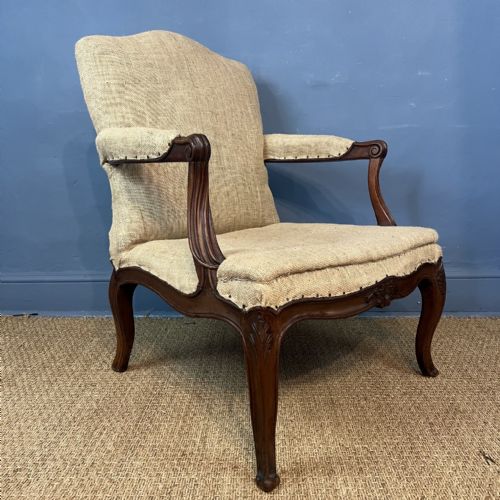
Upholstery methods involved webbing, stuffing and stitching horsehair or natural fibres before covering the seat in leather, fabric, tapestry, damask or cane. Structural elements such as block feet, stretchers and arm supports were integrated to distribute weight across the open frame.
Drunkards chairs feature intentionally asymmetrical or dropping arm designs to accommodate the wide coats and unsteady postures of eighteenth-century gentlemen.
Assessing the Pieces
Quality rests upon the crispness of carved detail in the timber and the integrity of the original frame construction. Pieces retaining untouched surfaces or documented maker attribution demonstrate superior standing compared to heavily restored examples.
Proportion and scale dictate visual success, where well-balanced arm supports and harmonious leg geometry elevate the piece. The selection of primary timber grain and the survival of early upholstery materials further distinguish higher-tier examples.
Gillows·Thomas Chippendale·John Linnell·Robert Manwaring
The George III Open Armchair Glossary
- Carver chair
- A dining chair featuring open arms, historically positioned at the head of a table. These pieces match standard dining chairs while providing arm supports.
- Gainsborough chair
- A wide-proportioned, upholstered armchair with open padded arms, designed for libraries and writing desks during the eighteenth century. The low seat and generous width accommodate formal dress of the period.
- Giltwood
- Timber coated with gold leaf applied over a prepared gesso and bole ground. This finish appears on formal neoclassical and rococo seating.
- Ladderback
- A chair back featuring horizontal slats positioned between the upright stiles. This form frequently appears in country vernacular furniture constructed from elm or oak.
- Parcel gilt
- A surface treatment where selected portions of a painted or stained wooden object receive gold leaf highlighting. This technique accentuates carved details and mouldings.
George III Open Armchair: Frequently Asked Questions
Where should I place a george iii open armchair?
These chairs suit studies, libraries and living rooms where their open wooden frames and upholstered seats remain visible. They function effectively as desk chairs or reading seats rather than lounging furniture.
Position them away from direct heat sources to protect the historic timber and traditional joinery from drying out. A corner placement or beside a fireplace highlights the carved arms and structural silhouette.
How do I care for leather or fabric upholstery?
Historic leather benefits from occasional light cleaning with appropriate conservation conditioners to prevent cracking. Fabric seats require gentle vacuuming with a low-suction attachment protected by a mesh screen.
Avoid chemical cleaning agents on antique textiles and leather surfaces. Professional conservation is recommended for fragile eighteenth-century upholstery.
How can I distinguish a city workshop from a country piece?
City workshops typically employed imported mahogany and intricate neoclassical carving reflecting London design books. Country equivalents frequently utilised native timbers such as oak, elm or fruitwood with simplified structural forms.
Regional cabinetmakers adapted metropolitan styles to local materials, resulting in sturdier frames with vernacular decorative interpretations.
What is the difference between a library chair and a desk chair?
Library chairs generally feature wider proportions and deeper upholstery designed for extended periods of reading. Desk chairs often incorporate swivel mechanisms or narrower frames suited to writing tables.
Both types share the open arm construction that allows voluminous historical garments to fit comfortably between the supports.