




Gillows of Lancaster Chair
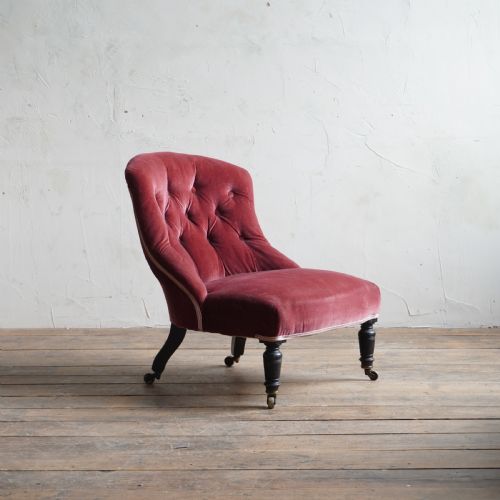
These pieces are a gillows of lancaster chair, denoting fine English cabinet-making from Lancashire and London that brings distinguished seating into a home.
Identifying a Gillows of Lancaster Chair
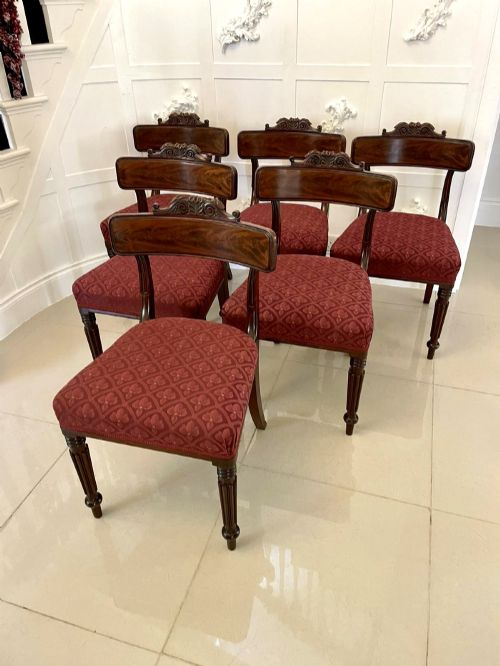
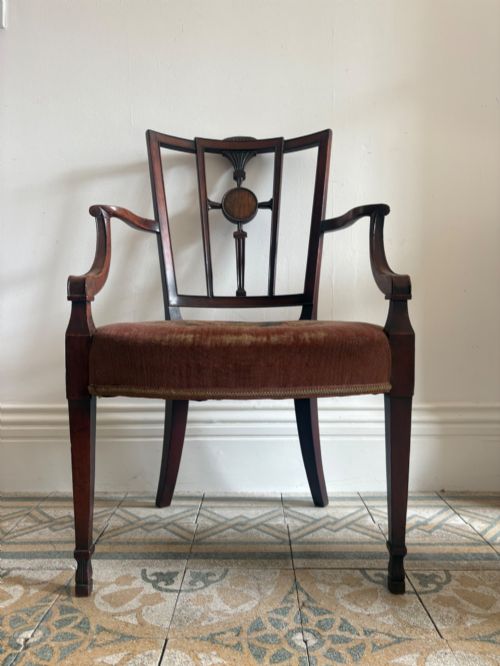
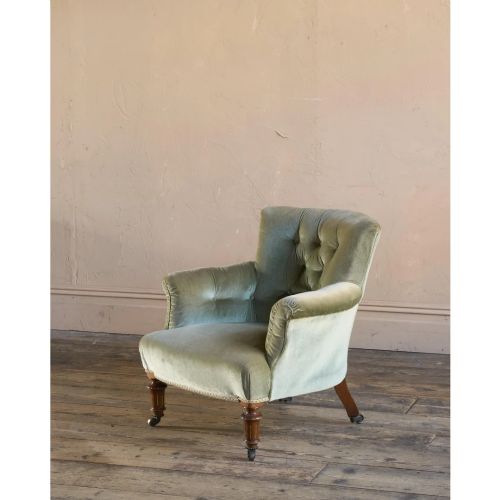
A gillows of lancaster chair encompasses forms ranging from generous library armchairs and bedroom seating to pairs of architectural hall chairs. Buyers meet diverse examples originating across the eighteenth and nineteenth centuries, spanning Georgian, Regency, and Victorian periods.
Materials and Construction
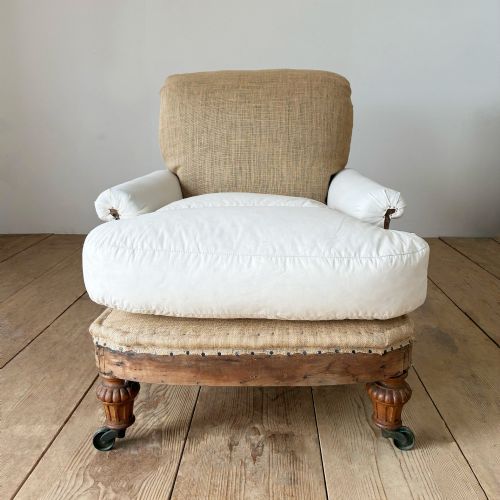
Makers utilised dense timbers including mahogany, oak, rosewood, and beechwood for structural frames. Secondary foundations incorporate jute hessian and cotton calico beneath top covers of fabric and velvet.
Construction techniques include deep buttoning, iron framing, and turned or carved supports. Brass fittings appear on library chairs, whilst painted finishes decorate specific Windsor and Sheraton-influenced forms.
Retail Price Guide 2026
Typical UK retail prices for gillows of lancaster chair, calculated from the Sellingantiques database of over a million retail prices indexed since 2003. This retail price guide relies exclusively on Sellingantiques data; no external sources or auction records are used, so the figures do not describe the wider market.
Listings incorporate mahogany, rosewood, oak, and beechwood across 18th-century, 19th-century, Regency, and Victorian periods.
Assessing Quality and Execution
Superior examples display crisp carving upon rosewood or mahogany frames, matched by substantial proportions and stamped maker marks. Lesser or unattributed variants rely on general stylistic adherence rather than documented workshop output.
The integration of secondary upholstery materials and the crispness of turned components differentiate standard production from pieces intended for prominent libraries and formal reception rooms.
The Gillows of Lancaster Chair Glossary
- Stamped mark
- An impressed signature or initials applied by the maker directly into the timber frame. This provides definitive proof of workshop origin.
- Bergere library tub chair
- An upholstered seating form featuring enclosed cane or padded sides designed for reading rooms. These chairs often incorporate mahogany or beechwood frames.
- Gothic revival
- A nineteenth-century design movement drawing inspiration from medieval architectural motifs. Items in this style display pointed arches and structural verticality.
- Hall chair
- A rigid wooden seat intended for entrance spaces rather than prolonged lounging. These pieces frequently feature carved crests and solid timber panels.
Frequently Asked Questions
How do I identify a stamped piece?
Look for the maker name impressed directly into the exposed wooden frame, typically found along the underside or rear rail.
Such marks confirm workshop attribution without relying solely on stylistic traits.
Are these chairs suitable for daily use?
Most upholstered and library variants offer sturdy frames appropriate for regular seating when internal webbing is sound.
Care should be taken with antique textiles and delicate rosewood surfaces during everyday occupation.
What woods were commonly used?
Mahogany and oak form the basis for many dining and library items across the nineteenth century.
Rosewood and beechwood also appear frequently in specific Regency and Victorian designs.
How do Regency designs differ from Victorian ones?
Regency models tend to display classical proportions with refined mahogany grains and restrained carving.
Victorian variants often introduce heavier padding, iron framing, and Gothic revival motifs.