

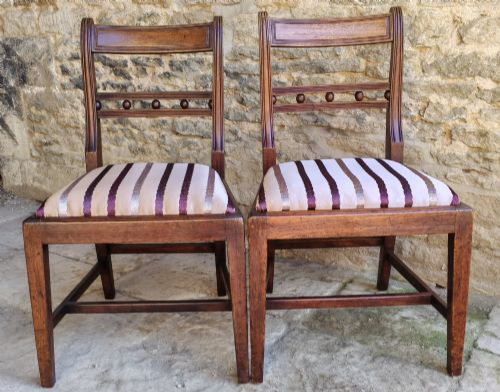
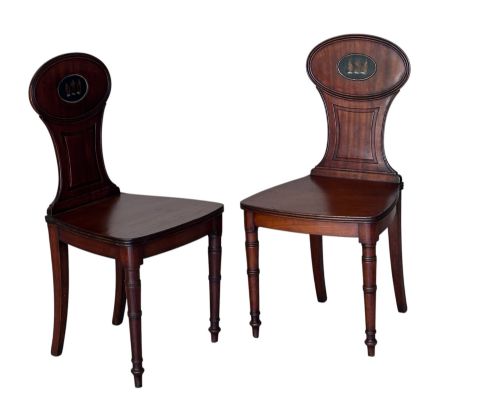
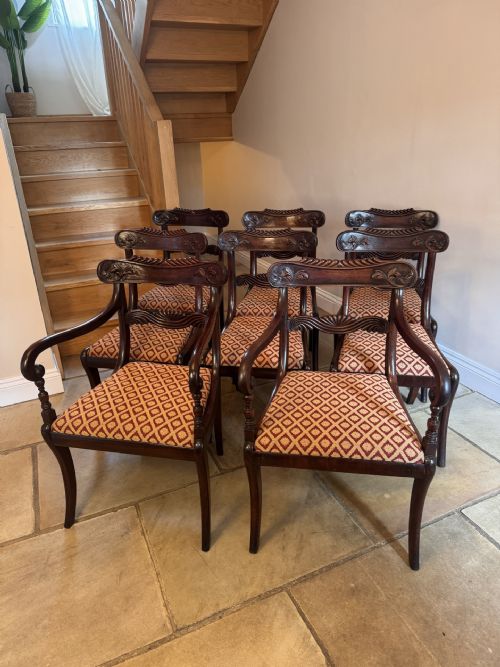
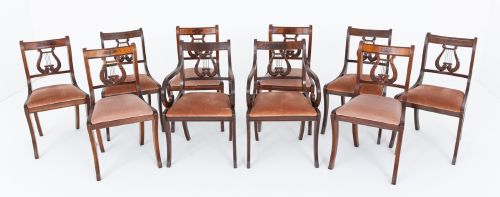
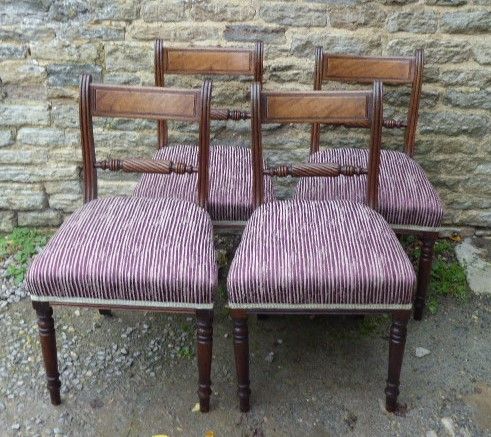
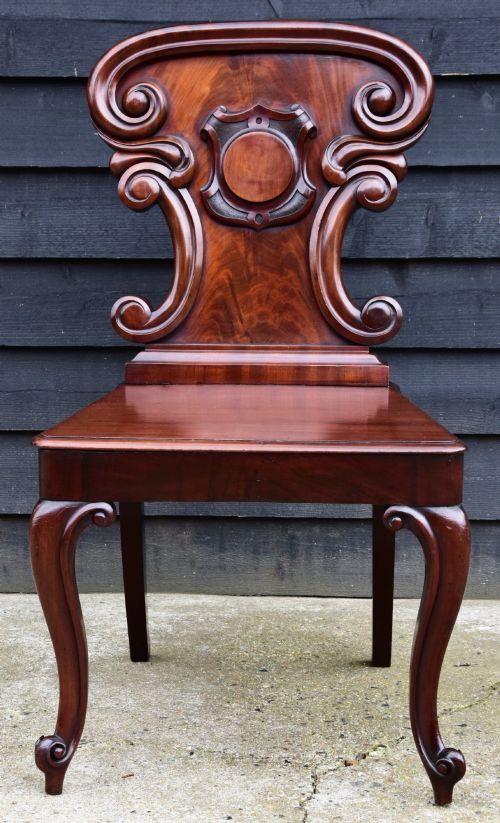
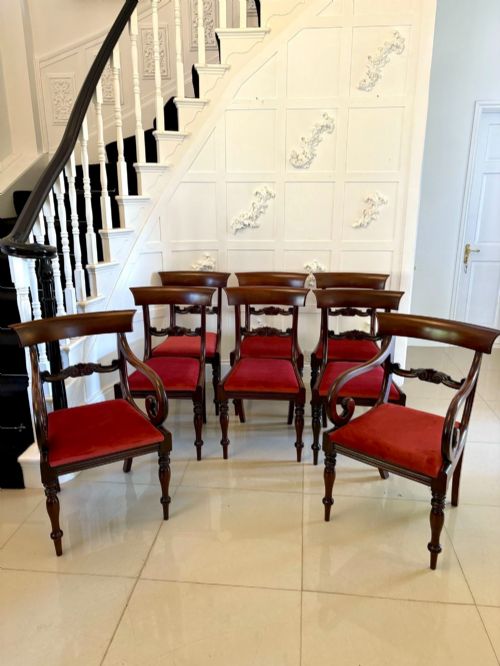
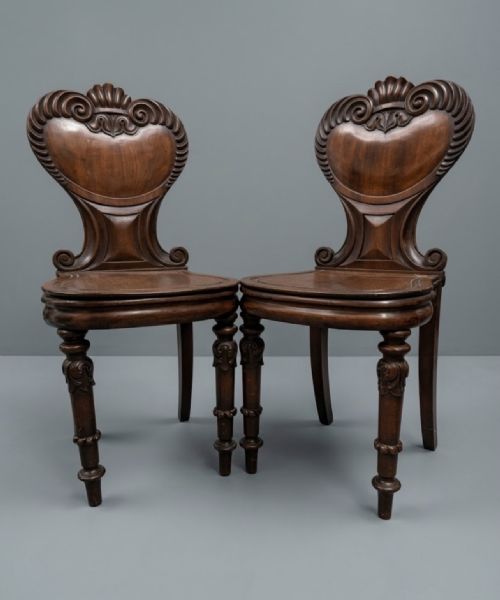
Regency Mahogany Side Chairs
Regency mahogany side chairs embody the refined, classic lines of the early nineteenth century and offer both practical seating and architectural presence.
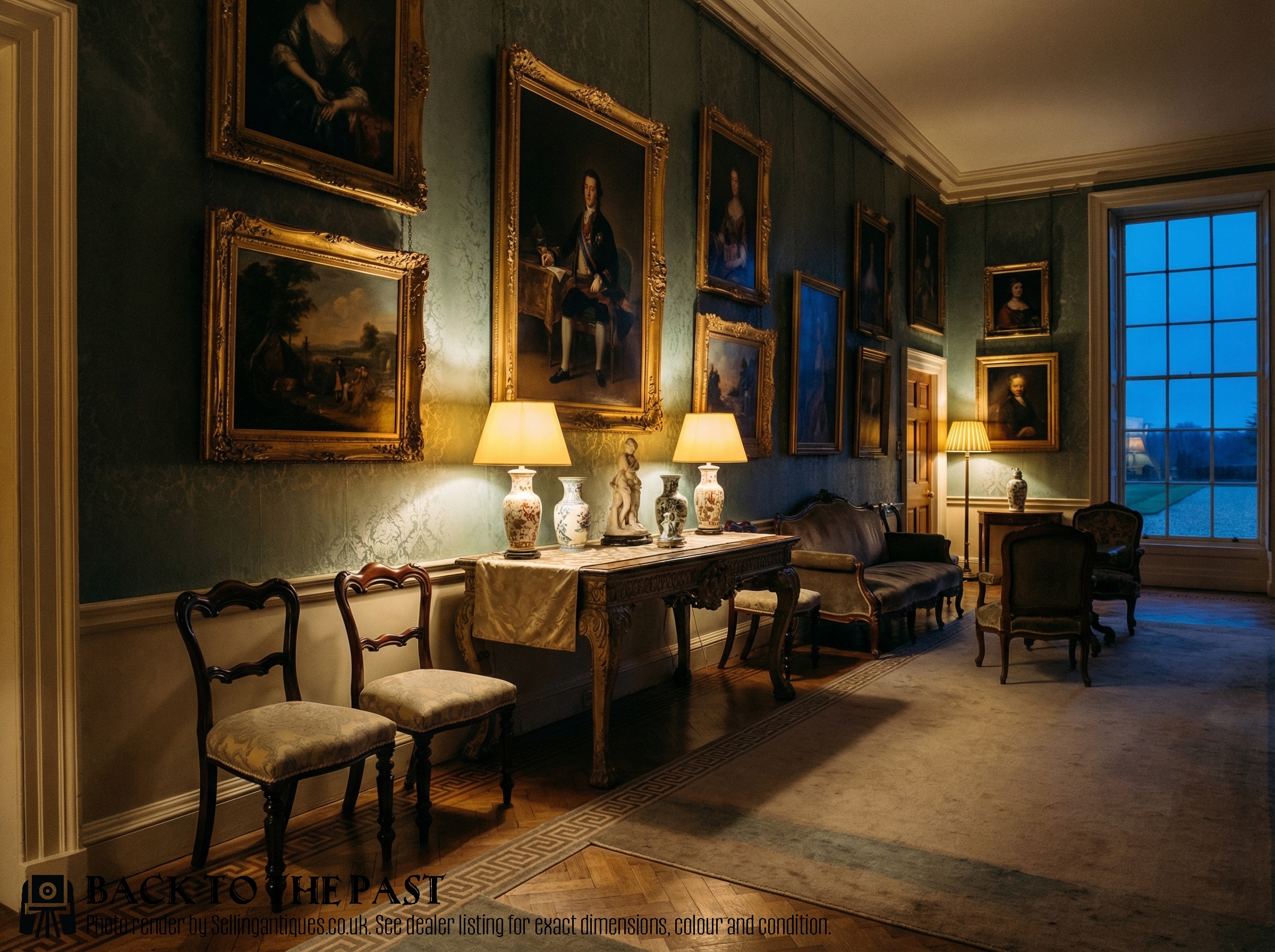
Regency Mahogany Side Chairs
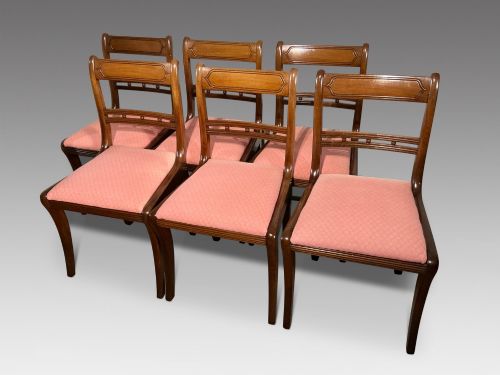
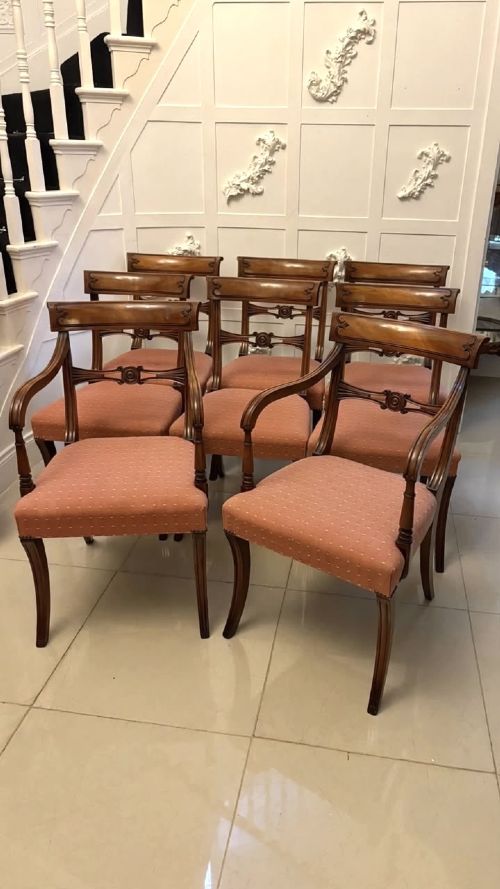
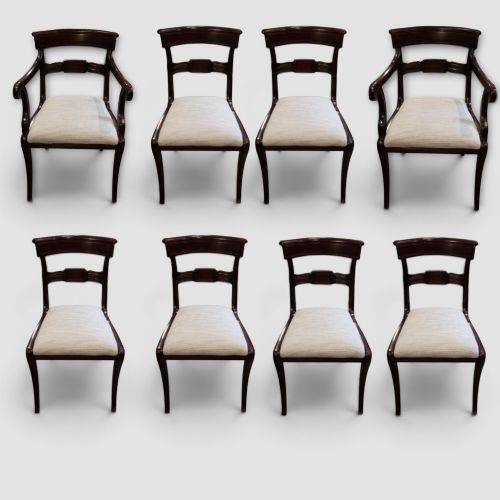
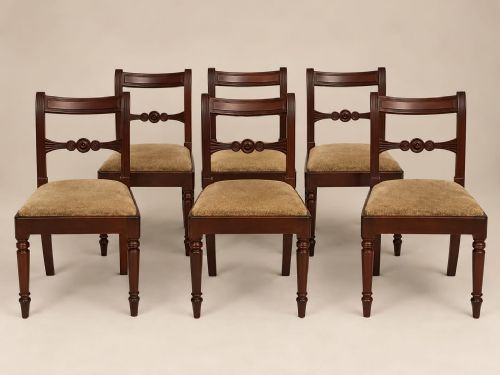
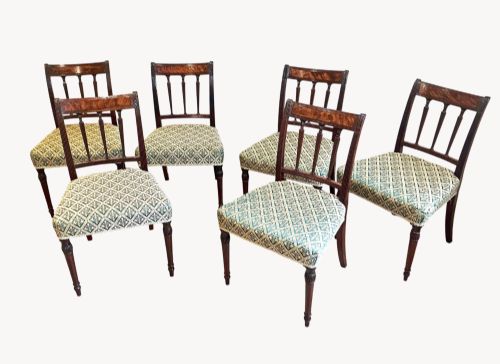
Regency mahogany side chairs form a distinct category of antique seating defined by the robust timbers and classical design motifs of the early nineteenth century. These chairs frequently appear on this page as matched sets of dining chairs, smaller pairs of reception seats, or individual hall chairs.
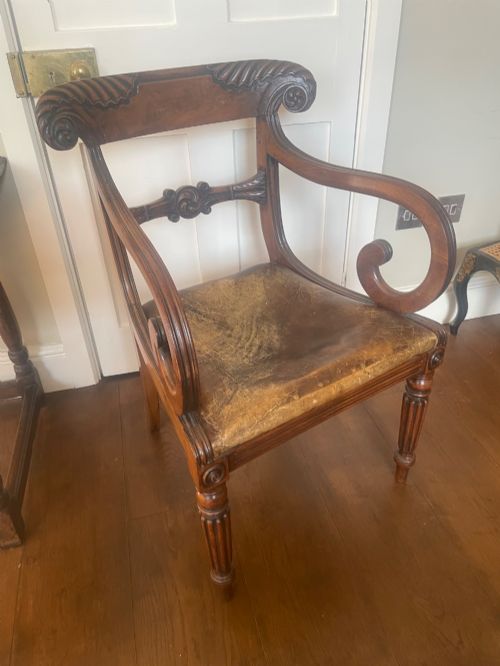
The form embraces styles ranging from austere classical lines to elaborate carved details. Buyers encounter variations including bar back frames, klismos shapes, and rope back designs originating from the Georgian, Regency, and William IV periods.
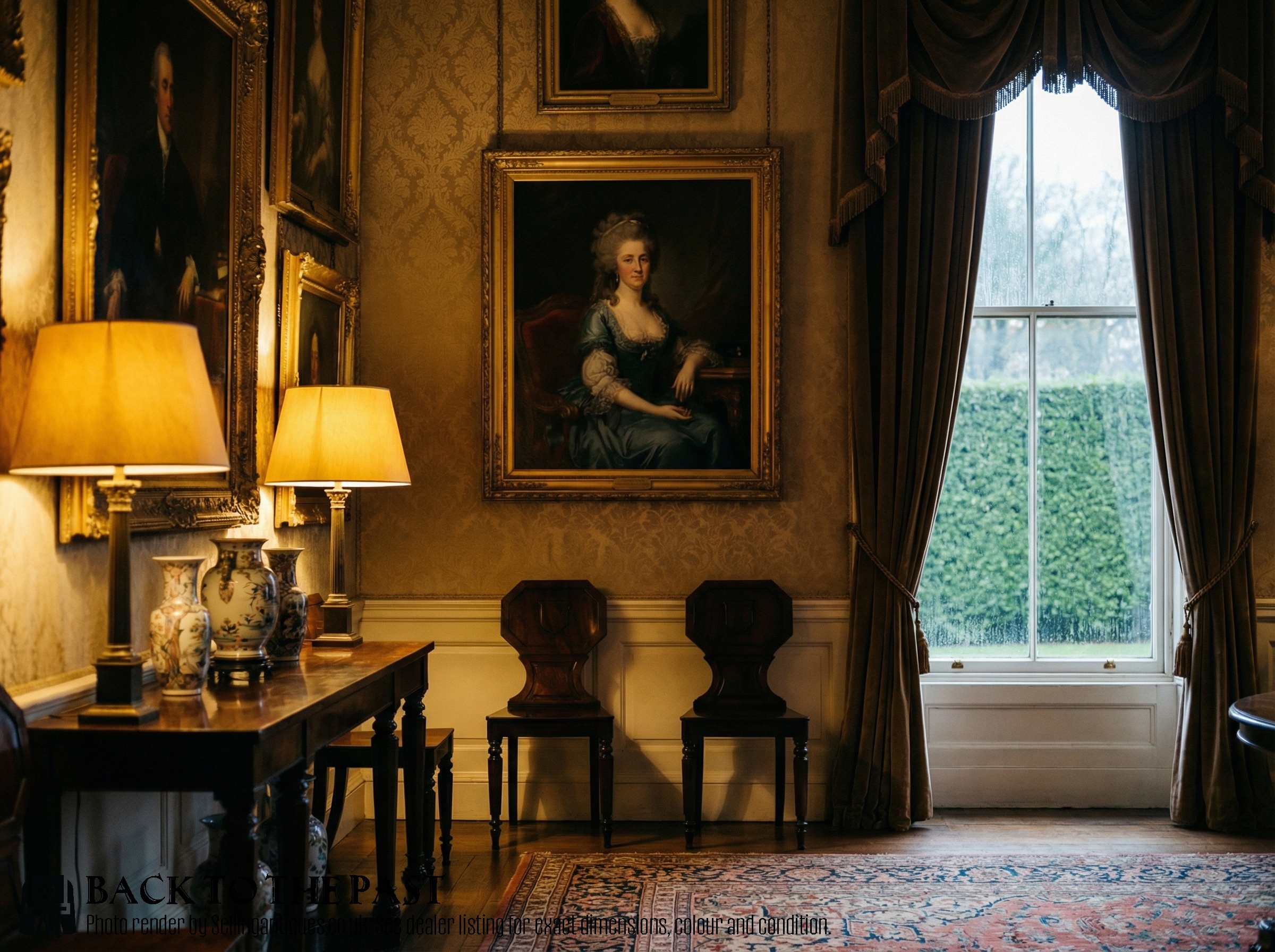
How They Were Made
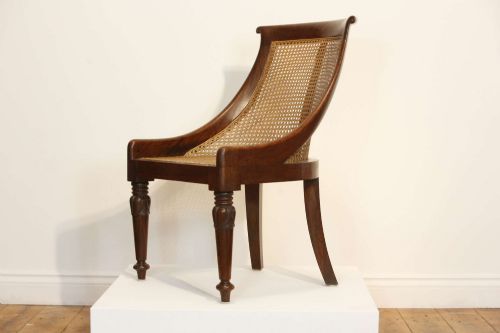
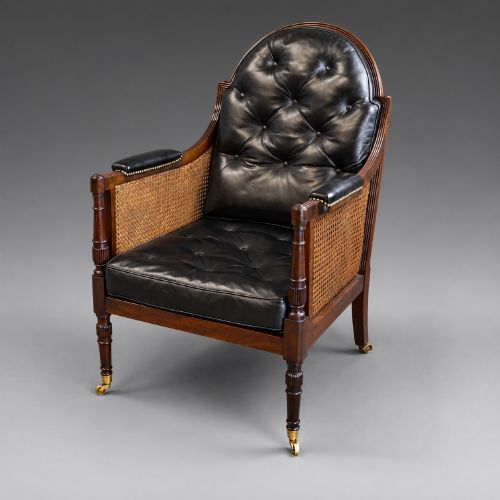
Cabinetmakers constructed these frames primarily from solid mahogany and figured mahogany, occasionally utilising brass inlay or mounts to accent the dark timber. Selected examples incorporate cane seats or drop-in pads upholstered in fabric, damask, and regency stripe materials.
Joinery methods relied on traditional pegging and mortise and tenon construction to ensure the structural integrity of the narrow legs and curved back rails. Turning, reeving, and hand-carving defined the ornamentation on top rails and front legs, such as sabre legs or paw feet.
Regency Mahogany Side Chairs Retail Price Guide 2026
Typical asking prices for regency mahogany side chairs among the pieces listed under this phrase on Sellingantiques today, from the lower quarter to the upper quarter. They describe what is for sale here now, not the wider market.
Listings feature mahogany, fabric upholstery, and brass elements across Regency, Georgian, and William IV periods.
What Varies in Quality
The selection of timber dictates much of the visual impact, with figured and Cuban mahogany displaying richer grain patterns than standard utility stock. The depth and crispness of hand-carved details on the crest rails and splats separate standard production from exhibition pieces.
Originality of components, including matching sets rather than assembled groupings, influences the standing of the chairs. The preservation of the timber surface, whether through untouched patination or sympathetic finish, marks the distinction among surviving examples.
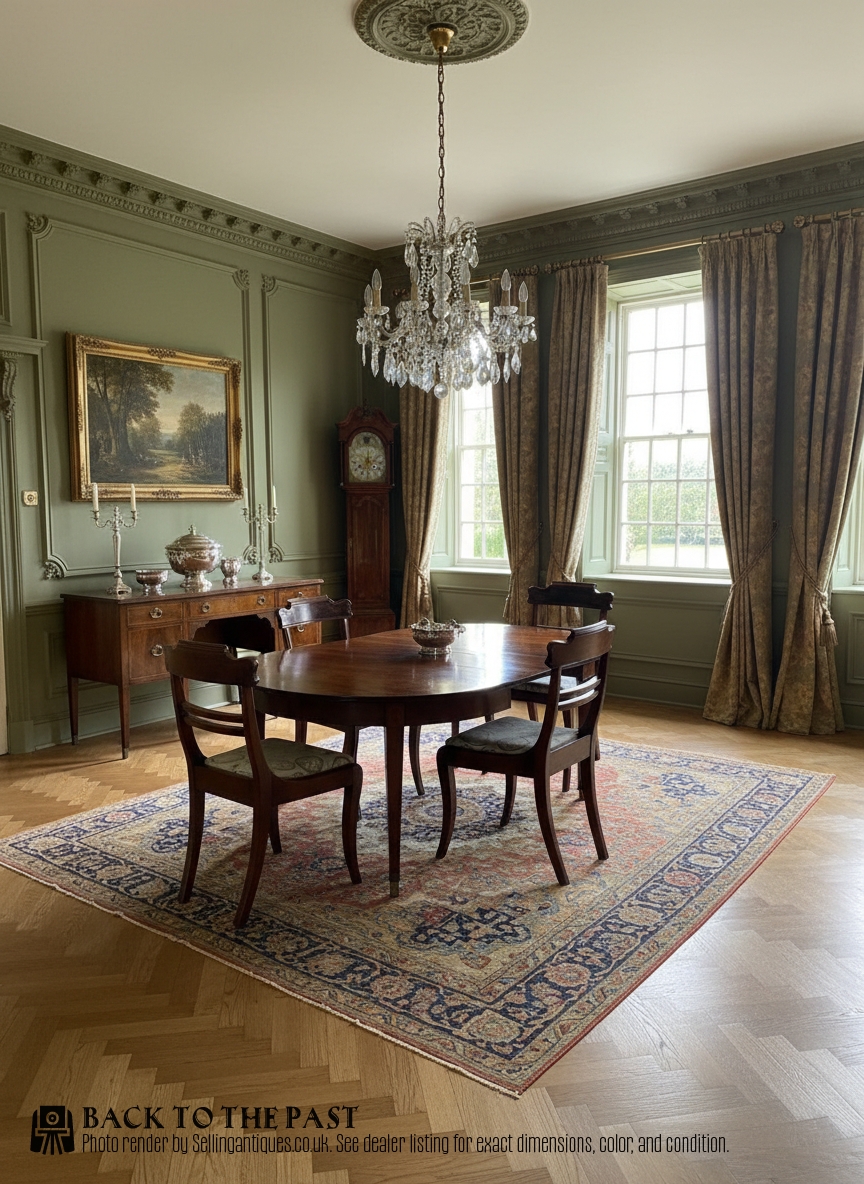
Gillows
The Regency Mahogany Side Chairs Glossary
- Side chair
- A chair without arms, traditionally used for dining or occasional placement around a room. These forms make up the bulk of the seating found in period listings.
- Bar back
- A chair back featuring a horizontal transverse rail, often curved to fit the spine. This shape appears frequently in Regency and William IV dining furniture.
- Klismos
- An ancient Greek chair design with sweeping curved legs and a concave backrest revived during the Regency period. This classical silhouette offers distinct architectural elegance.
- Carver
- An armchair designed to match a set of dining side chairs, traditionally placed at the head of the table. These often accompany sets of four, six, or eight side chairs.
- Sabre leg
- A concave-curved rear or front leg that flares outward towards the floor, emulating the profile of a cavalry sword. This leg form is characteristic of Regency seating.
Regency Mahogany Side Chairs: Frequently Asked Questions
How do I spot a true Regency chair?
Authentic Regency pieces typically display classical revival motifs, such as sabre legs, brass inlay, and reeded frames dating from the early nineteenth century. Makers often utilised dense mahogany timbers with distinctive grain patterns characteristic of the period.
Matching the construction details and joinery methods helps distinguish genuine early examples from later revival pieces made around the Victorian or Edwardian eras.
Can I use these chairs for daily dining?
These antique chairs were originally built for domestic dining use and remain structurally capable of normal seating when stable. However, the timber frames and older joinery require careful handling and regular checks to prevent strain.
Pairing them with a sturdy dining table creates a practical setup, though many owners prefer to limit heavy daily wear on fragile carved elements or cane seats.
What is the difference between side chairs and carvers?
Side chairs are built without armrests to allow multiple seats to fit compactly around a dining table. Carvers feature integrated armrests and were traditionally reserved for the head of the table.
Sets often include a small number of carvers alongside a larger group of matching side chairs to complete the dining arrangement.
How should I care for mahogany surfaces?
Maintaining mahogany requires simple dusting with a soft, dry cloth and avoiding placement near direct heat sources or strong sunlight. These precautions protect the timber from drying out and safeguard the aged polish.
Harsh chemical polishes should be avoided in favour of traditional wax applications that nourish the wood and preserve the natural patina over time.