
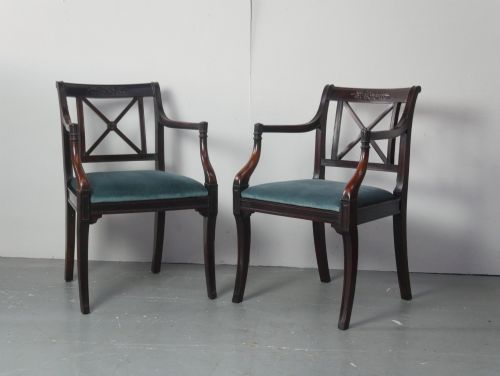
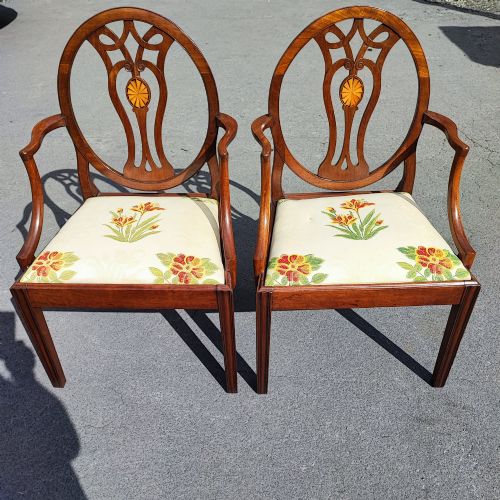
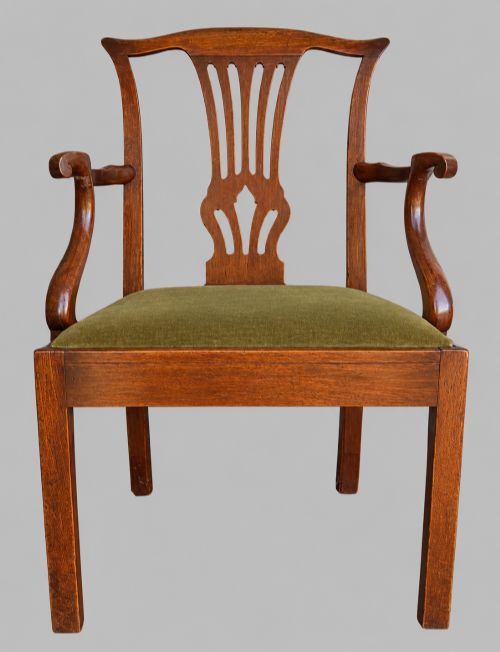
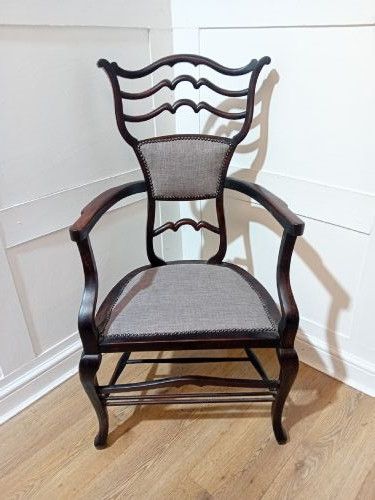
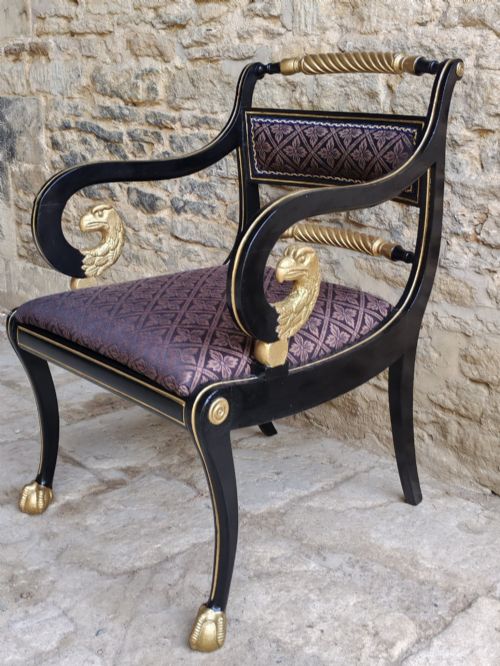
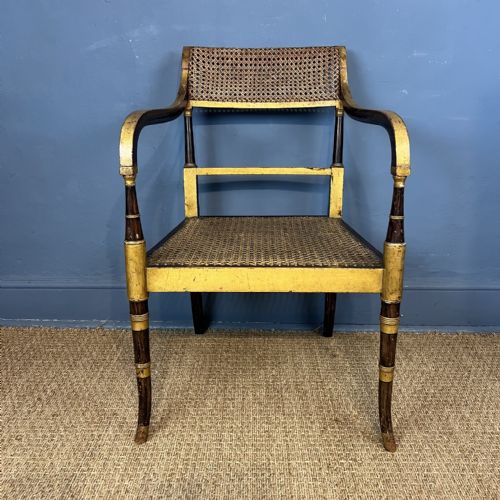
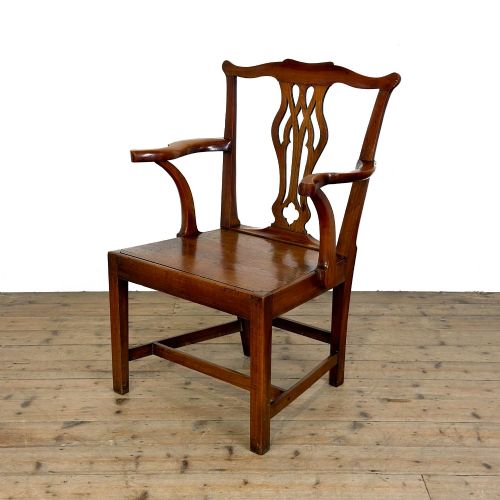
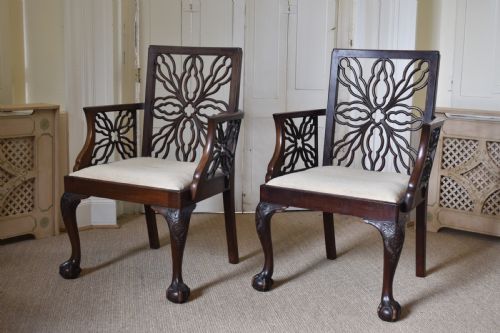
Antique Open Elbow Chair
An antique open elbow chair provides sturdy arm support and a formal seat, merging the utility of a dining chair with the comfort of an armchair.
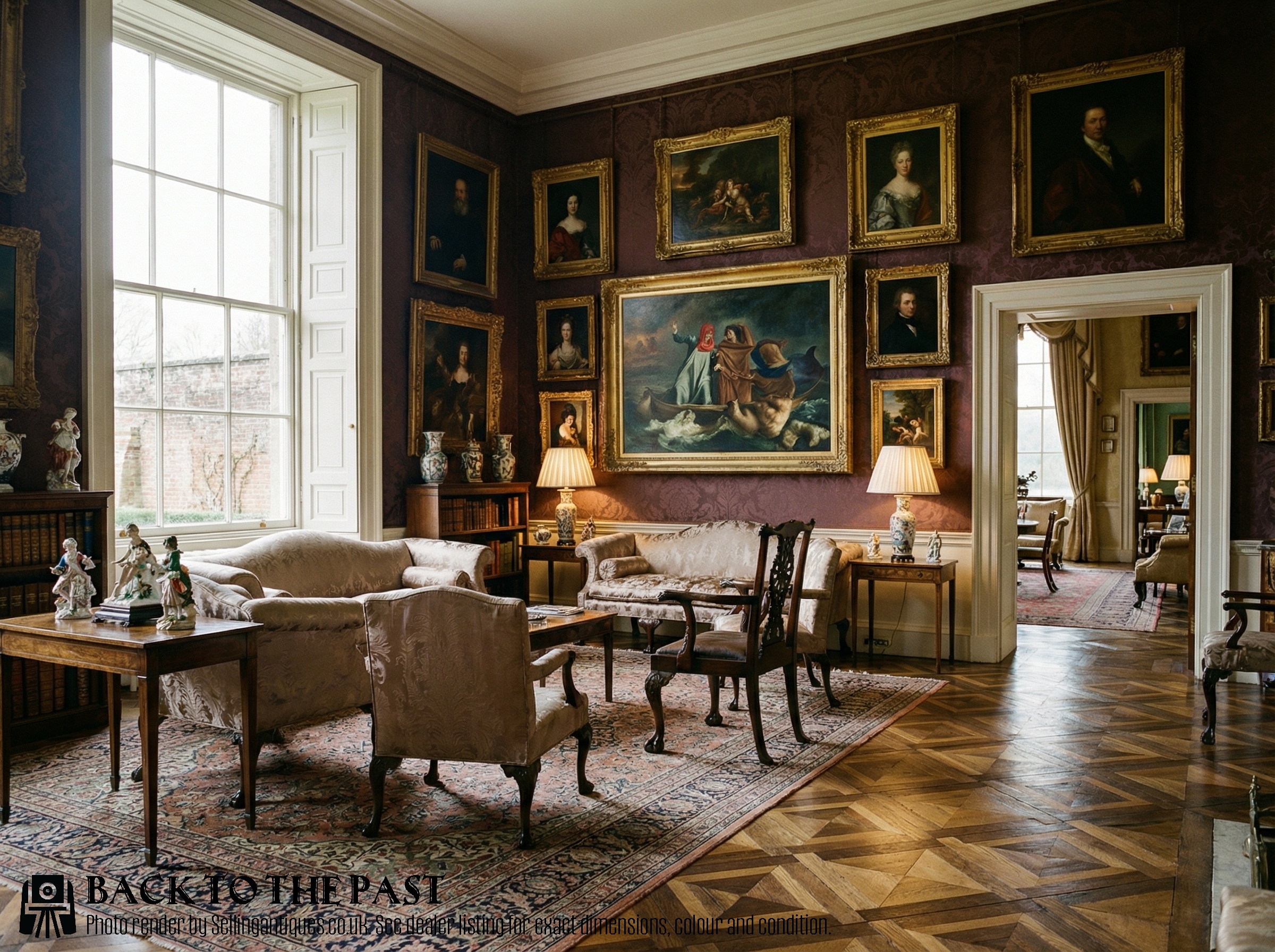
Antique Open Elbow Chair
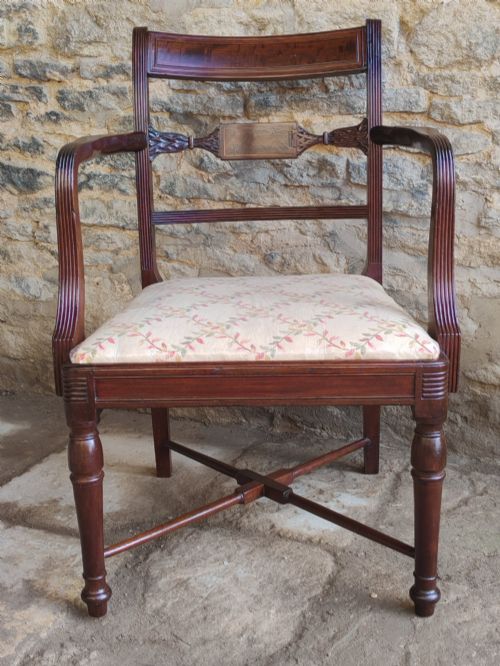
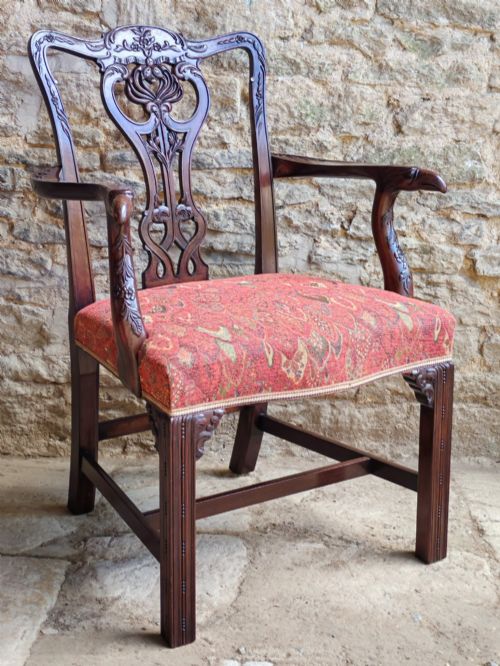
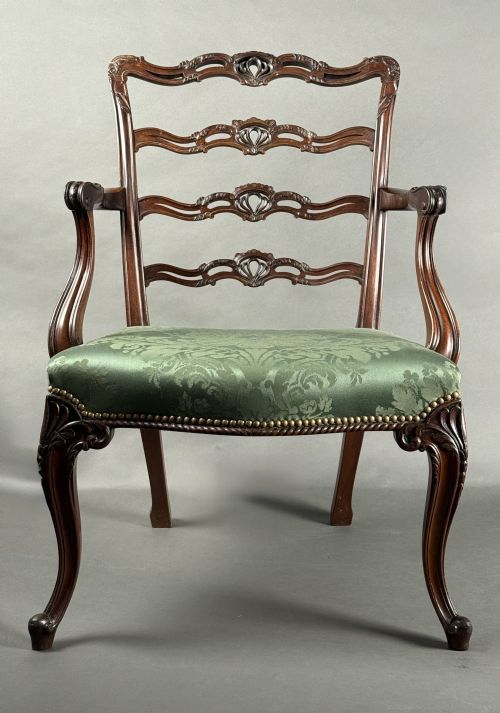
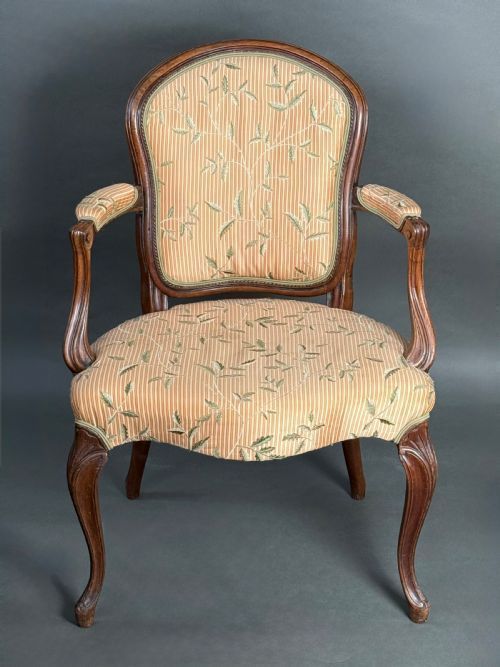
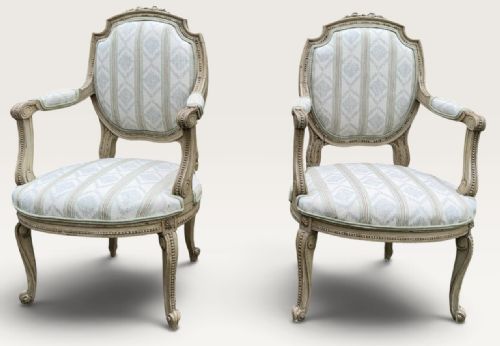
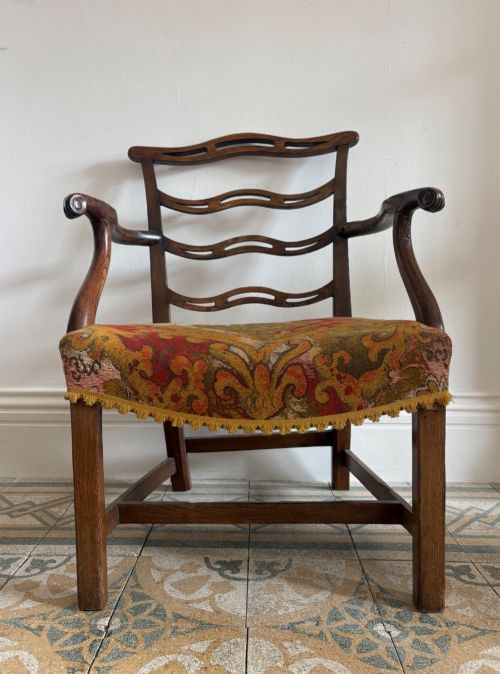
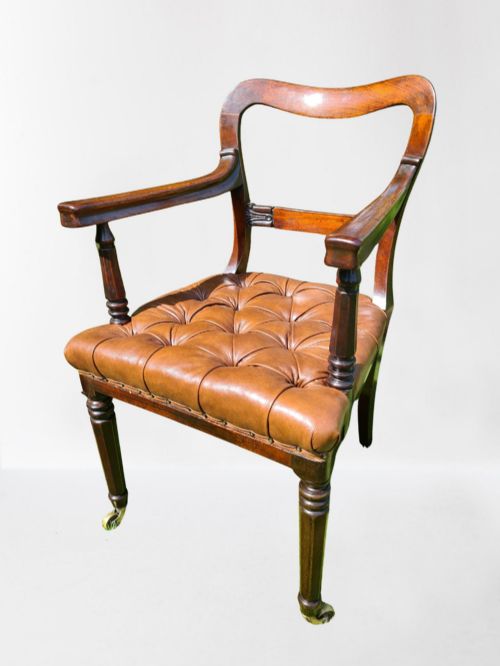
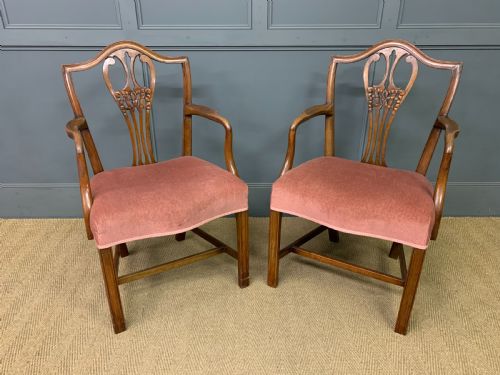
The term antique open elbow chair describes a seated piece featuring open wooden or upholstered arms, designed primarily for dining, libraries, and studies. Buyers searching this phrase meet forms spanning the eighteenth, nineteenth, and early twentieth centuries, constructed in regional woods and imported hardwoods.
The selection here encompasses country vernacular elm and ash ladderbacks alongside formal mahogany Georgian designs and later revival iterations. Most examples originate from British workshops, though French, Anglo-Indian, and Chinese Qing Dynasty pieces appear among the listings.
Makers produced these chairs for specific domestic contexts, creating narrower dining carvers and wider library or desk variants with upholstered, cane, or drop-in seats. The open framework distinguishes them from fully upholstered armchairs, exposing the structural timber of the arms and supports.
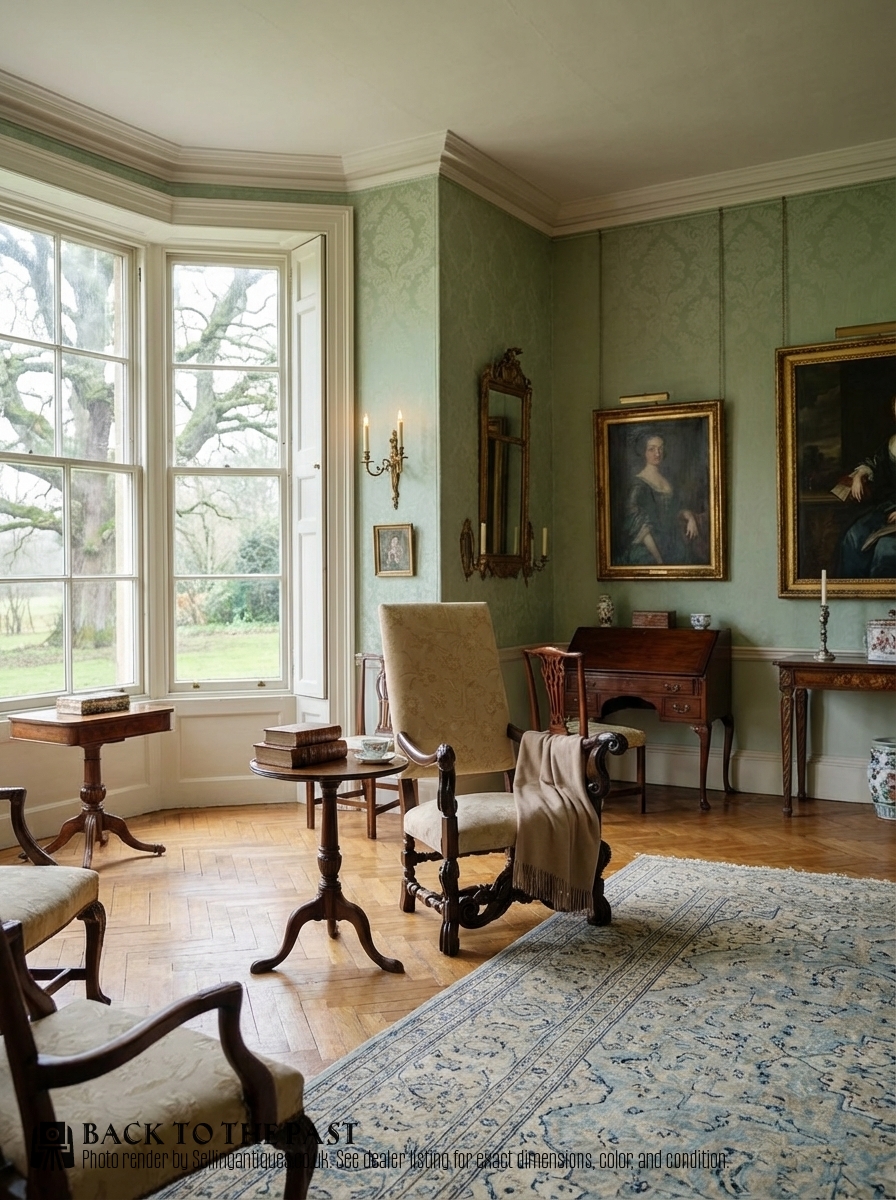
What Varies in Quality
Quality rests upon the crispness of the timber carving, the selection of figured veneers, and the integrity of the original construction. Superior pieces display finely proportioned arms, balanced structural geometry, and tight joinery that resists movement under weight.
The choice of primary timber dictates the tier of the piece, moving from utilitarian regional fruitwoods and oak up to richly figured eighteenth-century mahogany and imported rosewood. Evidence of maker attribution, through stamps or distinct regional vernacular characteristics, elevates the standing of individual examples.
Antique Open Elbow Chair Retail Price Guide 2026
Typical asking prices for open elbow chair among the pieces listed under this phrase on Sellingantiques today, from the lower quarter to the upper quarter. They describe what is for sale here now, not the wider market.
Eisteddfod wainscot throne chairs appear alongside delicate salon carvers, proving nineteenth-century makers built open elbow seats for every possible occasion.
Howard and Sons·Gillows·Maple and Co·Shoolbred
The Antique Open Elbow Chair Glossary
- Carver
- An armchair designed to match a set of single dining chairs, traditionally used at the head of the table. These frequently double as desk or elbow chairs in modern settings.
- Elbow chair
- A traditional term for an armchair with open sides, offering support for the arms without the enclosing upholstery of a wingback or tub chair.
- Drop-in seat
- A removable wooden frame holding the upholstered or cane seat pad, resting on a ledge within the chair rails. This construction method facilitated easier re-covering.
- Yoke-back
- A distinctive top rail shaped to resemble a traditional Chinese yoke, commonly seen on Qing Dynasty seating. The curve supports the shoulders and head of the sitter.
- Ladderback
- A chair back featuring multiple horizontal wooden slats between the rear uprights. Country makers often turned these slats and the surrounding supports on a lathe.
Antique Open Elbow Chair: Frequently Asked Questions
What is an open elbow chair?
An open elbow chair is a seat featuring wooden or partially upholstered arms that are left open rather than enclosed. These pieces bridge the gap between dining chairs and heavy armchairs, offering arm support without bulk.
Craftsmen built them for multiple rooms in the house, including dining spaces, libraries, and bedrooms. The open construction keeps the silhouette light and showcases the timber frame.
Where were they used?
These chairs served multiple domestic functions, appearing around dining tables, beside desks, and in libraries for reading. Formal drawing rooms and morning rooms also accommodated them as occasional seating.
Country versions found places in halls and firesides, while lighter salon models suited parlour settings. Their versatility made them standard furnishings across Georgian and Victorian homes.
How do I date a chair?
Dating relies on stylistic markers, timber choices, and construction methods characteristic of specific periods. Georgian pieces often display carved mahogany or satinwood, whereas later Victorian examples utilise heavier proportions and walnut.
Revival periods frequently imitated eighteenth-century designs during the late nineteenth and early twentieth centuries. Examining the joinery and underside often reveals the age of the piece.
Are they comfortable for daily use?
Their comfort depends on the seat type and proportions, with upholstered and deep-sprung variants offering softer seating than rush or solid wood pads. Library and desk chairs generally prioritise upright support over deep lounging.
Many period pieces accommodate daily use when paired with appropriate cushions or maintained upholstery. Their upright stance suits dining and working environments.