

Antique Desk Elbow Chair
An antique desk elbow chair offers sturdy arm support and practical seating for a study or library, grounded in centuries of cabinet-making tradition.
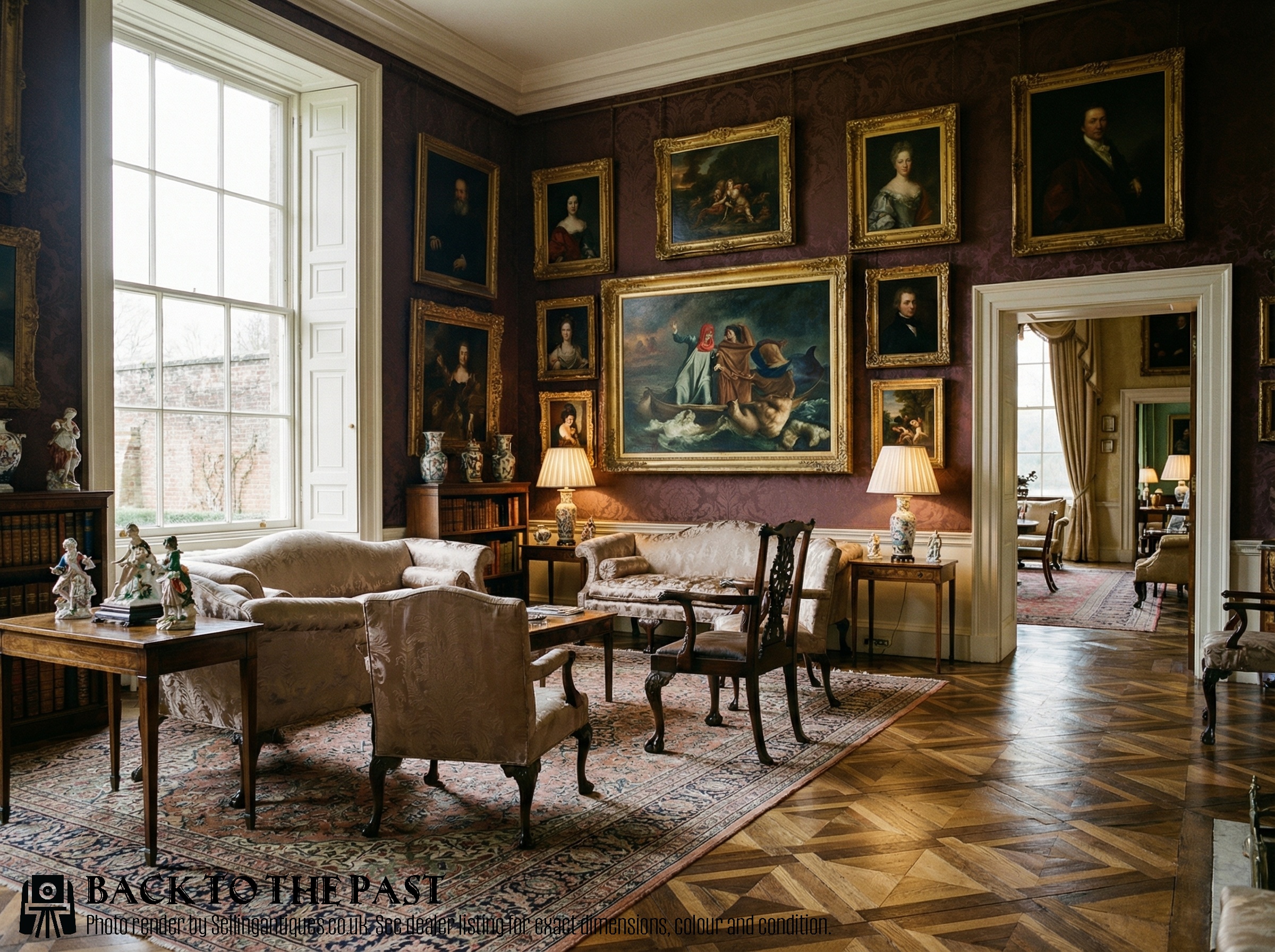
Antique Desk Elbow Chair
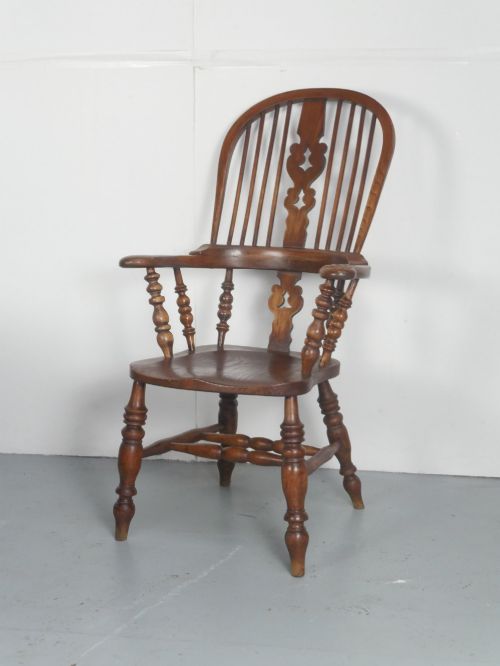
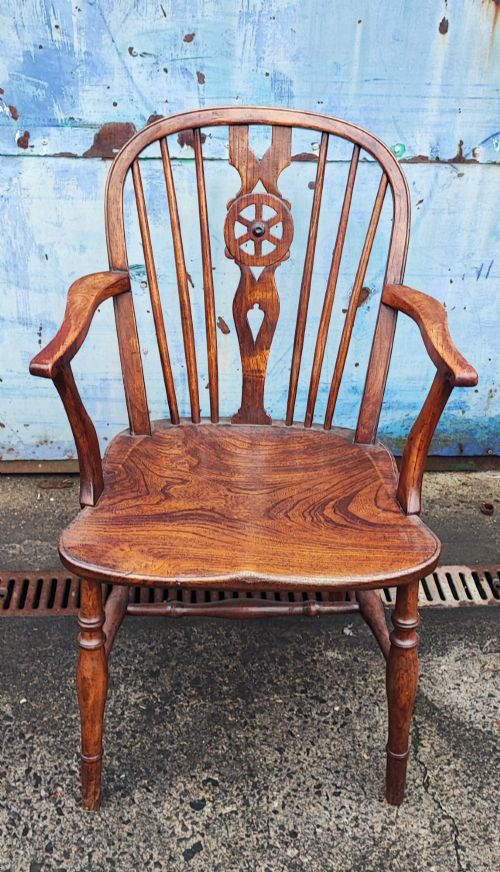
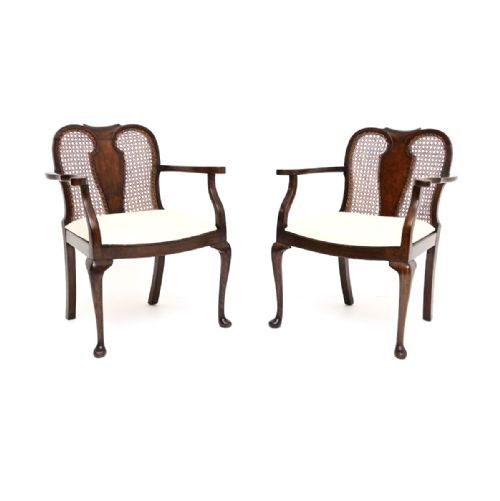
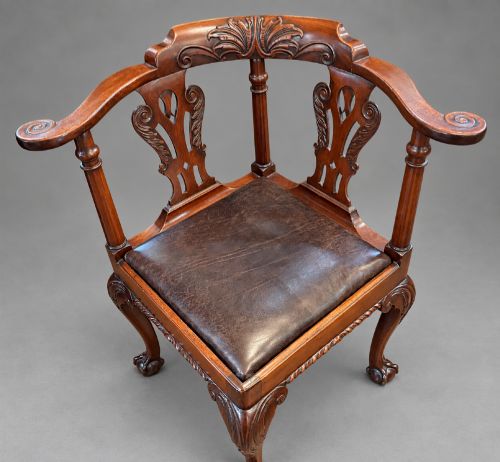
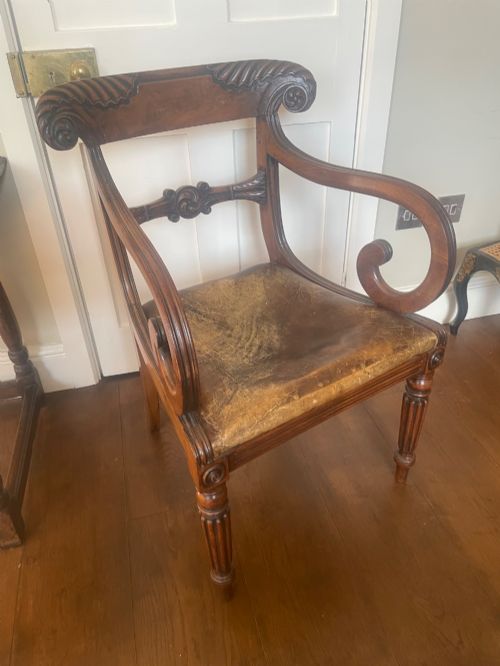
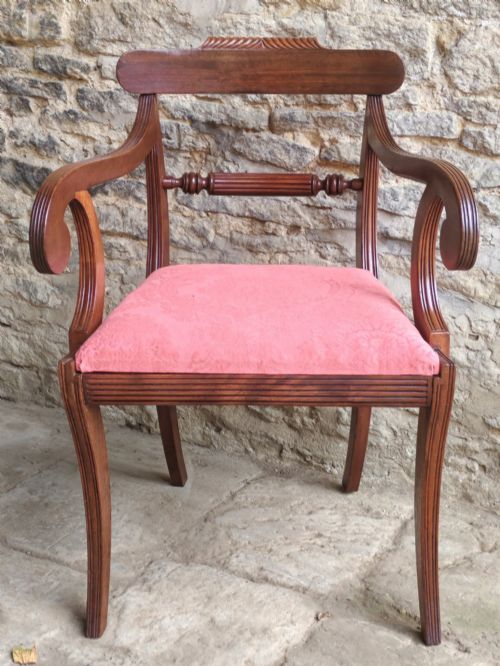
An antique desk elbow chair serves as a practical seat for writing tables and workspaces, combining the low profile of a side chair with supporting armrests. The pieces on this page span the 19th and early 20th centuries, covering periods from the Georgian and Regency eras through the Victorian and Edwardian periods.
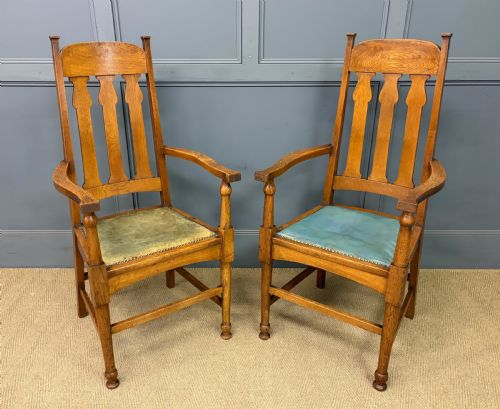
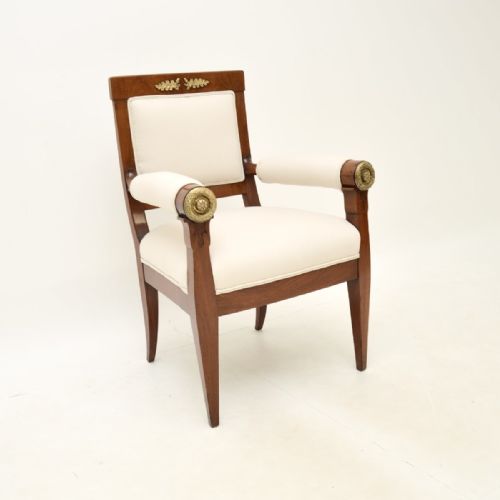
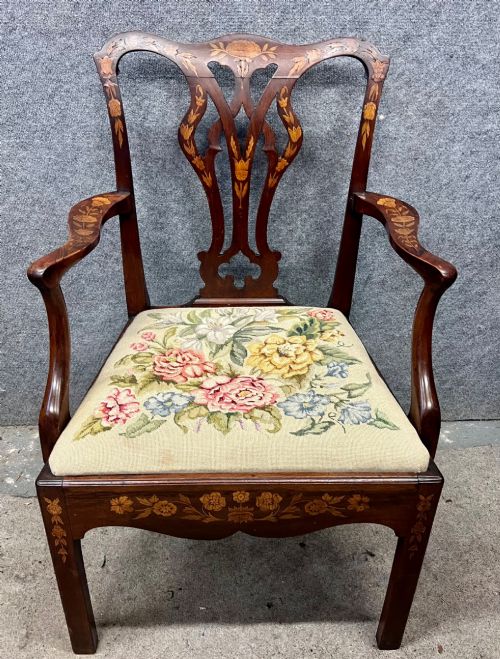
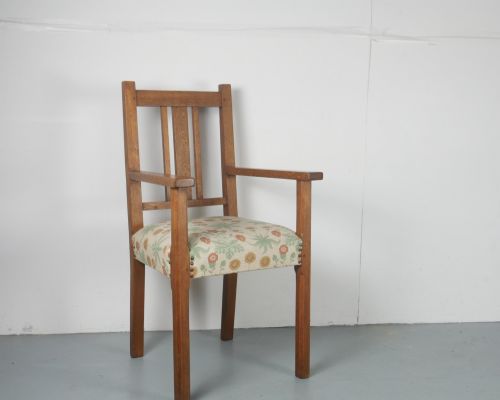
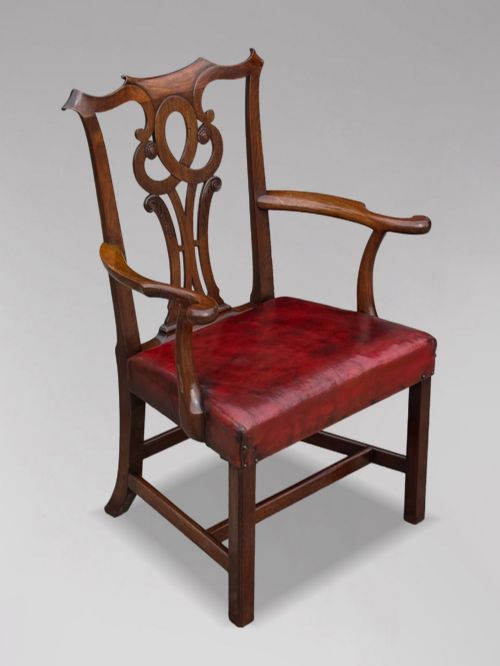
Makers designed these chairs for multiple rooms, including libraries, studies, and home offices. The selection includes revived styles such as Chippendale and Hepplewhite alongside Empire Revival pieces and simpler oak corner chairs.
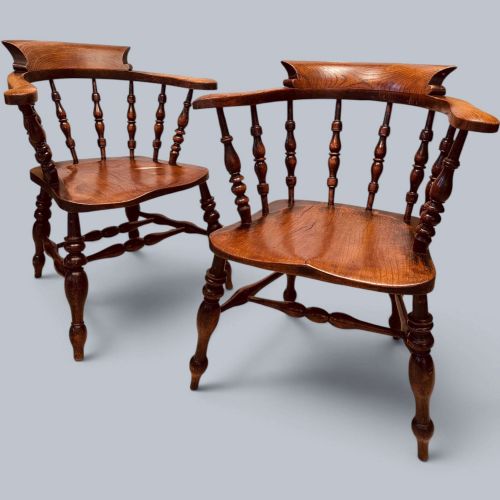
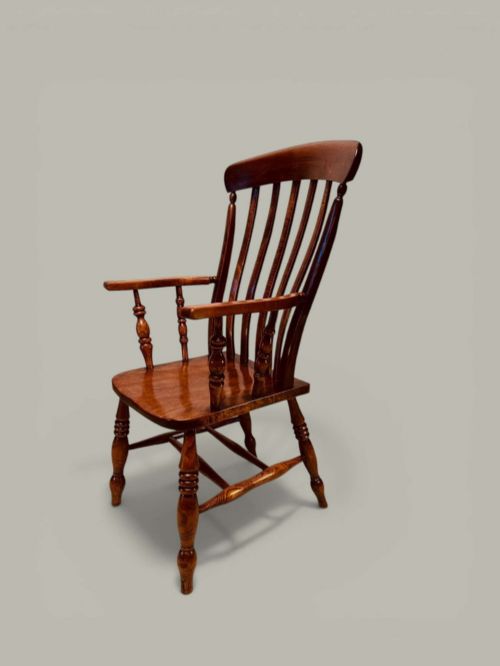
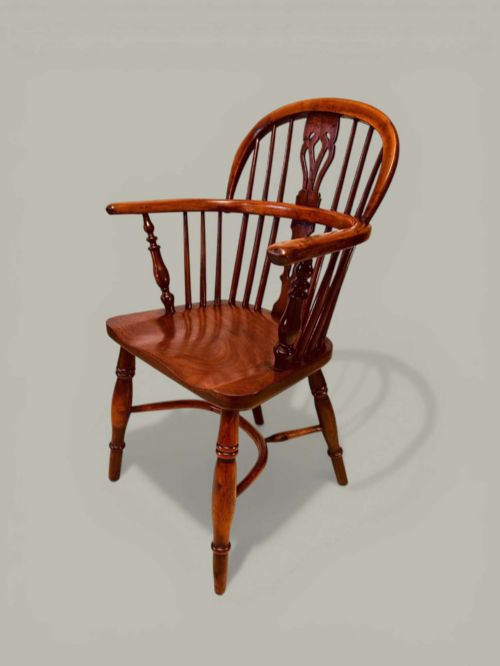
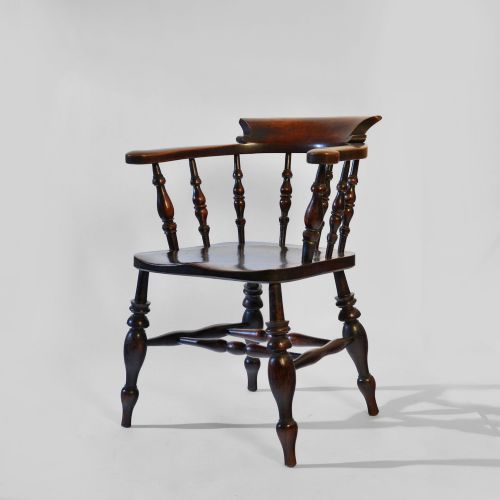
The form frequently appears as a tub chair, captain's chair, or open armchair. Buyers encounter versions with upholstered seats in leather, fabric, or tapestry, as well as solid wooden seats.
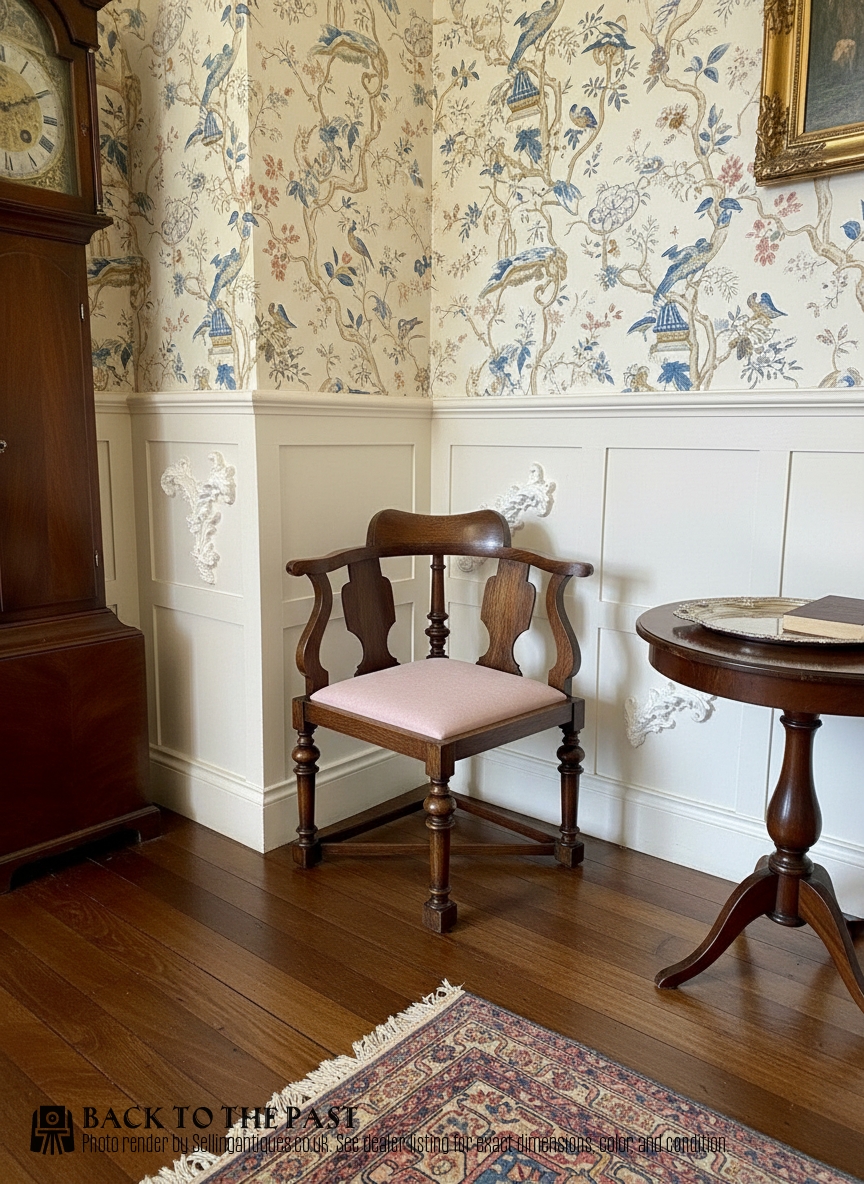
How They Were Made
Cabinet-makers utilised solid timbers including mahogany, oak, beech, elm, fruitwood, birch, and ash to build the frames. Workshops employed traditional joinery techniques to secure the legs, seats, and backrests.
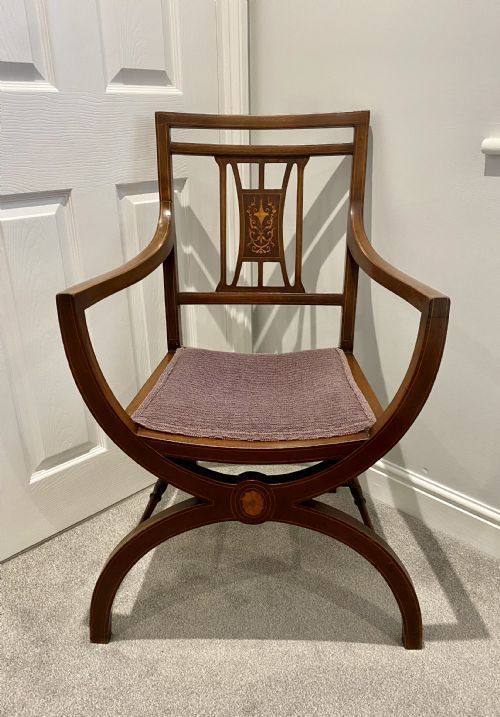
Upholstered models incorporate materials such as leather, velour, and tapestry fabric fixed with upholstery studs. Brass inlays and marquetry details decorate specific mahogany and Edwardian frames.
Antique Desk Elbow Chair Retail Price Guide 2026
Typical asking prices for desk elbow chair among the pieces listed under this phrase on Sellingantiques today, from the lower quarter to the upper quarter. They describe what is for sale here now, not the wider market.
Listings feature mahogany, oak, elm, beech, birch, fruitwood, and ash, paired with leather, fabric, and brass.
What Varies in Quality
The grade of timber and the depth of carving define the upper tiers of these chairs. Pieces featuring figured mahogany, precise brass inlay, or detailed marquetry demonstrate higher workshop ambition.
Structural integrity depends on the tightness of the joints and the preservation of the original wood. Refined proportions and balanced arm supports distinguish finer examples from standard utility seating.

The Antique Desk Elbow Chair Glossary
- Elbow chair
- An armchair designed with low or set-back armrests suitable for sitting close to a table or desk. These pieces provide lateral support without obstructing movement.
- Captain's chair
- A sturdy wooden armchair, often with a bowed backrest supported by spindles. This form is common in Victorian and Edwardian office settings.
- Tub chair
- An armchair featuring a continuous curved back and armrest enclosing the sitter. They frequently appear with leather upholstery in Edwardian offices.
- Carver chair
- An armchair matching a set of dining or office chairs. They function interchangeably at desks and conference tables.
- Marquetry
- The art of applying pieces of veneer to a structure to form decorative patterns. Edwardian examples utilise this technique on mahogany surfaces.
Antique Desk Elbow Chair: Frequently Asked Questions
What is an antique desk elbow chair?
An antique desk elbow chair is a seating piece with armrests designed to fit comfortably beneath a writing table. These chairs combine the open space of an armchair with the compact footprint needed for office or library work.
Craftsmen built them across various periods using timbers such as mahogany, oak, and elm. They appear in styles ranging from plain Georgian forms to ornate Edwardian revivals.
Where were these chairs used historically?
These chairs served primarily in domestic studies, home offices, and reception rooms. They provided comfortable seating for writing letters, managing household accounts, or reading in the library.
Workshops also produced them for commercial offices, clerk stations, and drawing rooms. Their sturdy elbow rests made them suitable for prolonged seating during administrative tasks.
How do I care for a leather desk chair?
Leather-upholstered desk chairs require gentle cleaning with a soft, dry cloth to remove dust. Conditioning the leather periodically helps prevent cracking and maintains the suppleness of the material.
Keep the chair away from direct sunlight and heat sources to protect the hide and the wooden frame. Checking the upholstery studs and frame joints occasionally ensures the chair remains stable during daily use.