







Grey Fabric Armchair
These grey fabric armchairs bring subtle neutral tone and comfortable seating together across periods from Victorian to Art Deco.
Grey Fabric Armchair
A grey fabric armchair combines supportive seating with neutral upholstery suited to diverse interiors. The search phrase covers seating upholstered in fabric ranging from neutral linen to patterned carpet.
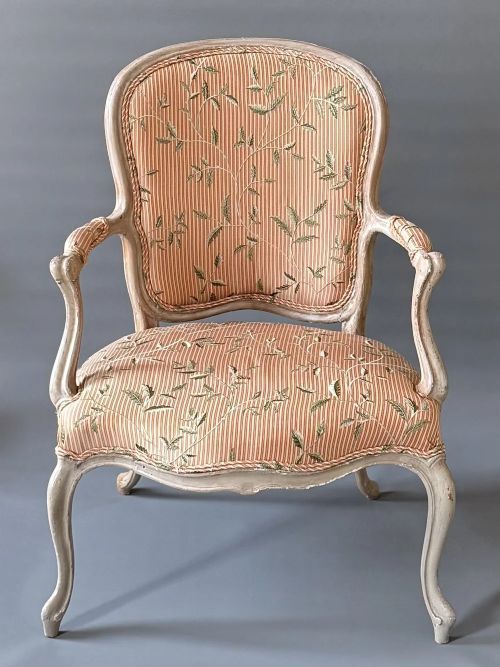
The pieces appearing on this page span the nineteenth century, Edwardian era, and Art Deco period. Buyers regularly encounter both British and French forms, including barrel backs, wing backs, and salon chairs.
Frames vary from exposed mahogany, walnut, and oak to painted wood finishes. Upholstery methods range from button back tufting to simpler sprung seats.
Materials and construction
Frames rely on sturdy timbers such as mahogany, walnut, oak, and birch. Woodworkers shaped these frames with turned legs, carved details, or fluted supports.
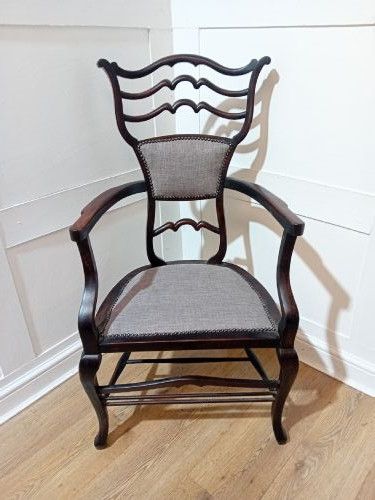
Upholstery techniques involve durable fabric stretched over internal padding and springs. Detail elements include brass upholstery studs and exposed wooden frames.
Finishes encompass polished wood surfaces alongside painted French treatments.
Grey Fabric Armchair Retail Price Guide 2026
Typical asking prices for grey fabric armchair among the pieces listed under this phrase on Sellingantiques today, from the lower quarter to the upper quarter. They describe what is for sale here now, not the wider market.
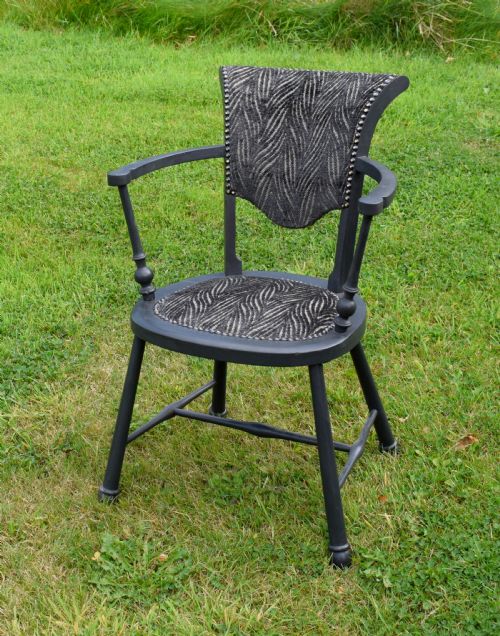
One chair arrives dressed in a repurposed Kilim carpet, proving that nineteenth-century sitters enjoyed floor coverings on their furniture.
Assessing quality and finish
Quality rests on the integrity of the wooden frame and the precision of the joinery. Timbers selected for prominent parts show consistent grain and solid construction.
Upholstery execution separates standard production from finer pieces. Attention to detail appears in the tension of the fabric, the placement of brass studs, and the preservation of original frame carvings.
The Grey Fabric Armchair Glossary
- Barrel back
- An armchair with a semicircular upholstered back enclosing the sitter. This form provides enclosed comfort and often dates to the nineteenth century.
- Wing back
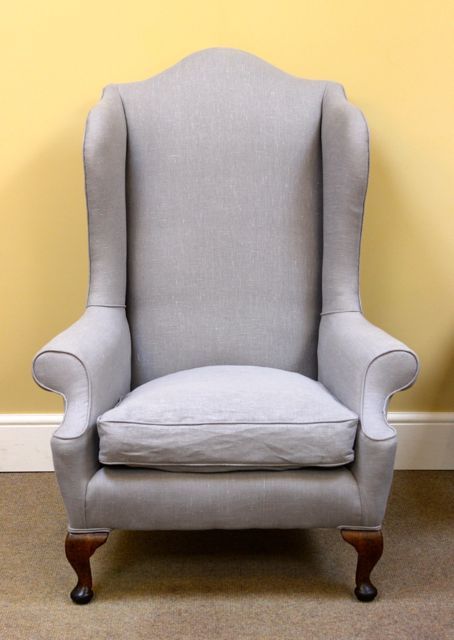
- A seating form featuring protective side panels designed to deflect drafts. These chairs typically stand on wooden legs with upholstered bodies.
- Button back
- An upholstery style where buttons are pulled deep into the padding to create a tufted diamond pattern. This technique secures the internal filling.
- Arts and Crafts
- A design movement prioritising honest construction and visible craftsmanship over mass production. Pieces from this style often feature plain oak frames.
- Louis XV Style
- A decorative French style characterised by curved lines, cabriole legs, and carved ornamentation. Chairs in this style reflect eighteenth-century aesthetics revived later.
Grey Fabric Armchair: Frequently Asked Questions
How do I clean grey fabric upholstery?
Maintenance depends entirely on the specific fabric fibre used on the chair. Gentle vacuuming removes surface dust effectively.
Spot cleaning requires testing a mild cleaner on a hidden area first. Professional cleaning is advisable for antique textiles.
Are these chairs comfortable for daily use?
Many of these seating forms were built for ergonomic support during long periods of sitting. Barrel backs and club chairs offer particularly enveloping shapes.
Internal springing and padding age differently across decades. Sitting tests reveal how well the original structure supports modern lounging.
How do I date an antique armchair?
Dating relies on examining the timber species, joinery methods, and hardware used in the frame. Stylistic markers such as cabriole legs or fluting point to specific periods.
Upholstery fabrics and techniques often undergo replacement over time. The underlying wooden skeleton provides the most reliable chronological evidence.
Can I place these chairs in modern rooms?
Neutral grey fabric upholstery bridges historical frames and contemporary interior palettes. These pieces function well as accent seating in living spaces or bedrooms.
Mixing nineteenth-century frames with modern decor creates visual contrast. The understated colour prevents the antique forms from overwhelming a room.