




Painted Wood Carver Chair
A painted wood carver chair brings refined seating into a room, offering the sturdy arms of an armchair alongside decorative painted finishes.
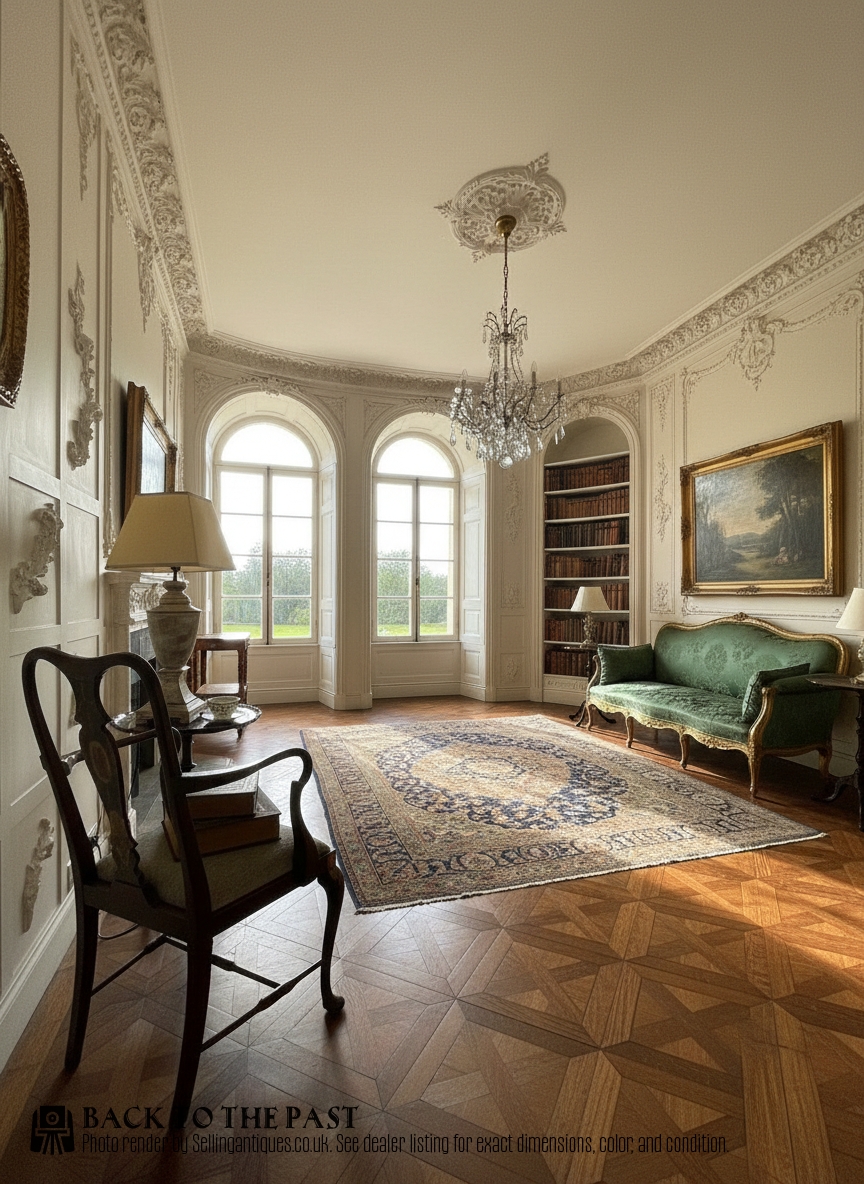
Painted Wood Carver Chair
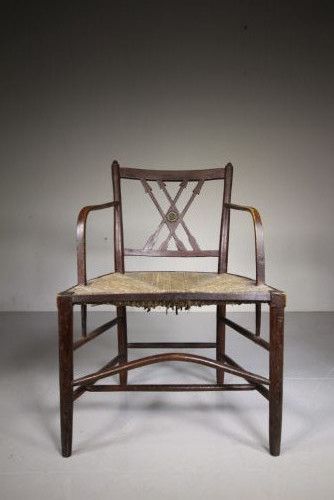
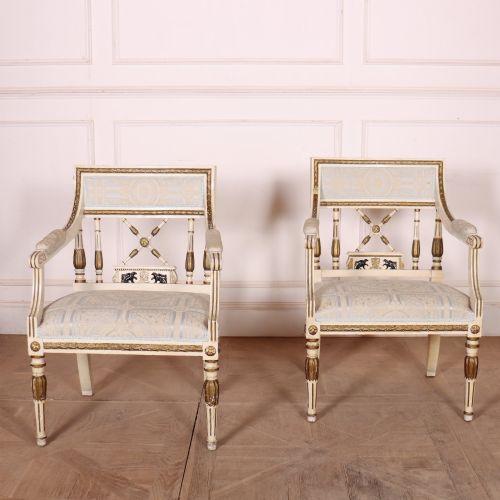
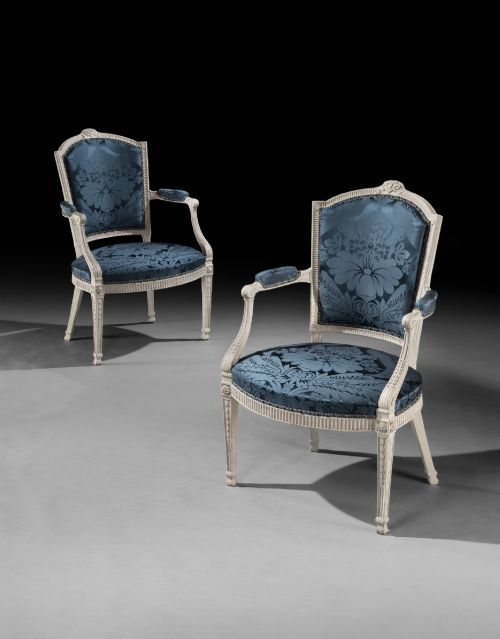
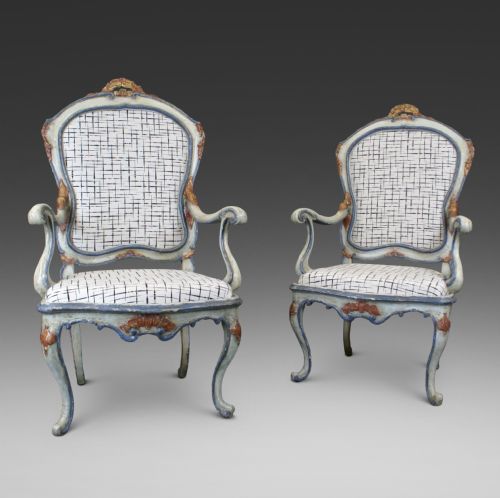
A painted wood carver chair combines the structural presence of an armchair with decorative surface finishes, serving as a distinct seating option around a table or within a room. When exploring a painted wood carver chair, buyers encounter forms ranging from Georgian elbow chairs to Regency bergere chairs and Edwardian satinwood pieces.
Object types include armchairs, dining chairs, and desk chairs designed with integrated armrests. These pieces utilise various seating foundations, incorporating fabric, textile, gesso, rush, and giltwood elements alongside painted wooden frames.
Materials and construction
Makers constructed these chairs primarily from timber such as mahogany and satinwood, applying paint, gesso, and occasional parcel gilt decoration directly to the wooden structure. Surfaces received layered paint finishes to create decorative patterns, musical motifs, or floral designs.
Upholstered variations integrated fabric and textile elements to form padded seats and backrests, whilst other examples utilised woven rush for the seating base. Frameworks relied on traditional joinery to support the added weight of armrests.
Listings span from the mid-eighteenth century through the Regency era and into Edwardian revivals, showcasing painted wood, gesso, rush, and textile materials.
Assessing quality and craftsmanship
Quality reveals itself in the crispness of the painted decoration and the preservation of the original surface finishes over time. Pieces featuring detailed floral or musical painted motifs demonstrate a higher degree of artisan skill compared to simpler plain painted structures.
The structural integrity of the arm supports and joinery dictates the durability of the chair during daily use. Original fabric or rush additions, alongside well-preserved gesso and giltwood details, distinguish finer examples from heavily restored or later replacement components.
The Painted Wood Carver Chair Glossary
- Carver chair
- An armchair traditionally used at the head of a dining table or as a desk chair. These pieces feature integrated armrests for added comfort.
- Bergere chair
- An enclosed upholstered armchair featuring a wooden frame. The sides are frequently caned or upholstered.
- Parcel gilt
- A decorative technique where small areas of a painted or wooden surface receive a thin layer of gold leaf. This highlights specific carved details or mouldings.
- Gesso
- A plaster-like mixture applied to wood surfaces to prepare them for painting or gilding. It provides a smooth base for detailed decoration.
- Rush
- Woven marsh plant material utilised for seating bases. It offers a flexible and durable alternative to upholstered cushions.
Painted Wood Carver Chair: Frequently Asked Questions
What is a painted wood carver chair used for?
A painted wood carver chair functions primarily as a substantial seating option at the head of a dining table or as a designated desk chair. The added armrests provide extra support and distinguish them from standard dining chairs.
Historically, these chairs matched larger dining sets or served as occasional pieces in parlours and studies. Today, they bring decorative painted colour and period form into modern interiors.
How do I identify a Georgian painted wood carver chair?
Georgian painted wood carver chairs typically display neoclassical influences such as Sheraton or George III styling. Look for symmetrical lines, tapered legs, and refined painted floral or musical decorations upon the wooden frame.
Evidence from the period shows an emphasis on balanced proportions and meticulous surface work. Checking for period-appropriate construction methods helps confirm the era of origin.
Are these chairs comfortable for daily use?
Many painted wood carver chairs offer comfortable seating through integrated armrests and upholstered fabric or textile pads. Some variations incorporate woven rush seats which provide flexible support.
Their suitability for daily use depends on the sturdiness of the original wooden joinery and the condition of the upholstery. Placing them in moderate use settings preserves both the painted finish and the structural frame.
How do I care for the painted finish?
Caring for the painted surface requires dusting gently with a soft, dry cloth to prevent the accumulation of dirt. Avoid harsh chemical cleaners or excessive moisture which can damage the paint and gesso layers.
Keeping the chair away from direct sunlight and fluctuating humidity protects the wood and decorative paintwork from cracking or fading over time.