
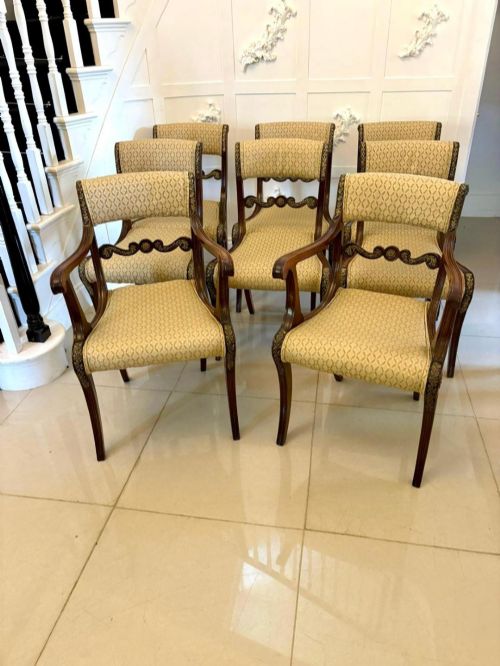
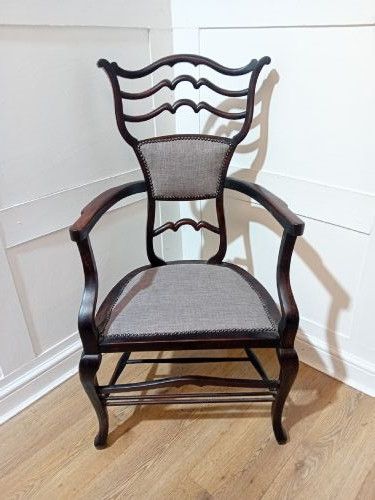
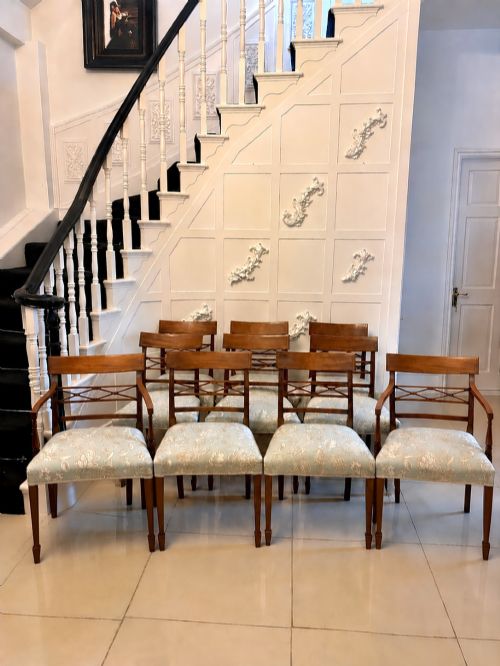
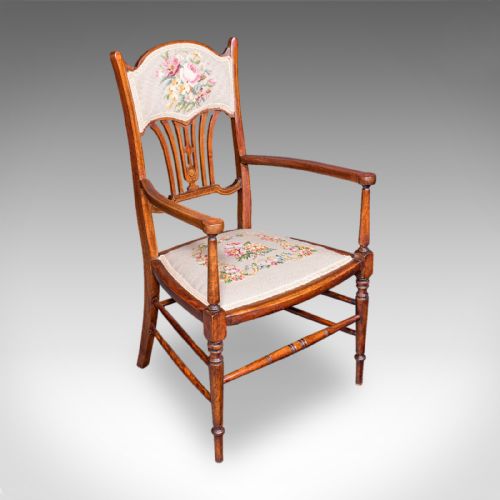
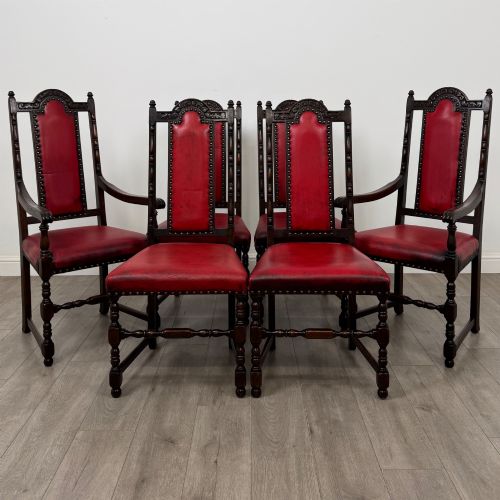
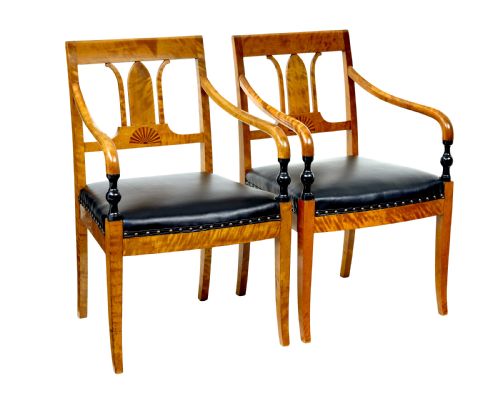
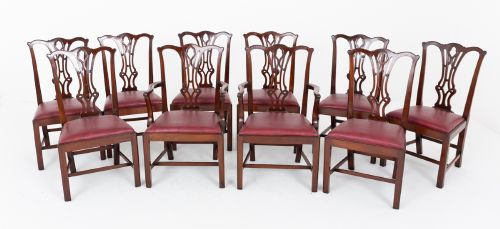
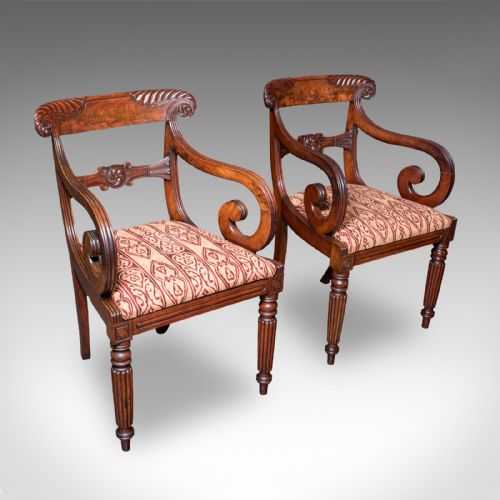
Antique Side Armchair
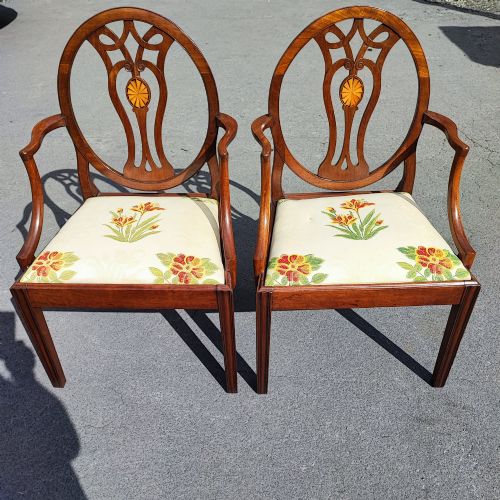
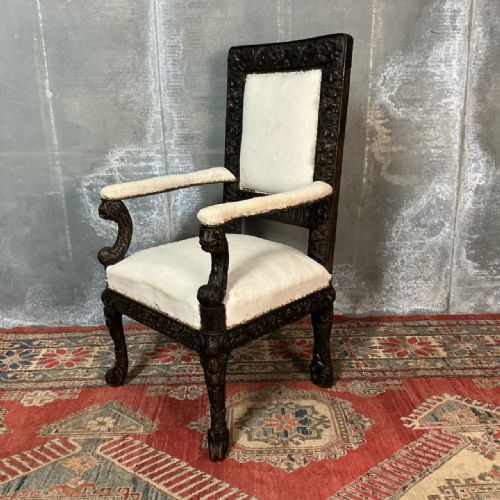
An antique side armchair provides an occasional seating option with open sides, appearing across dining sets, libraries and parlours.
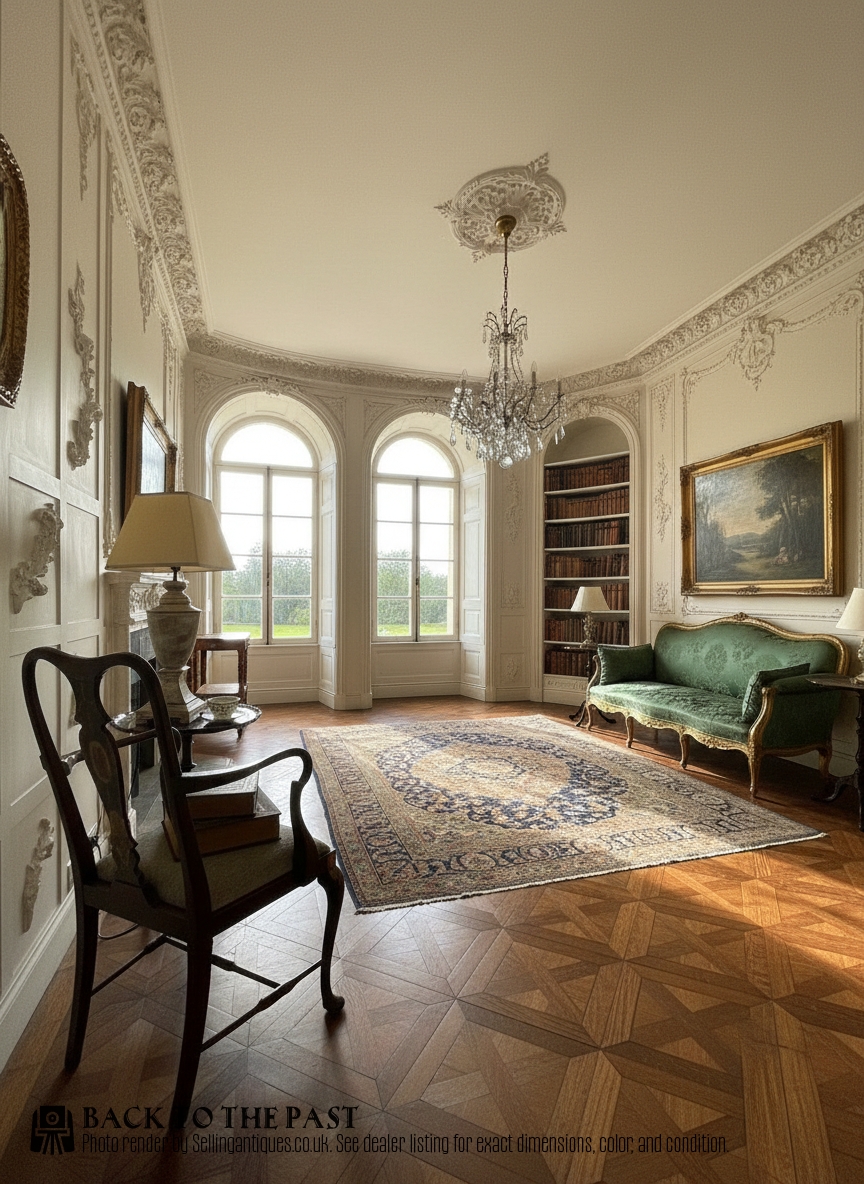
Antique Side Armchair
When searching for an antique side armchair, buyers encounter various forms designed for specific rooms, including dining carvers, salon chairs, library seats and low nursing chairs.
The pieces on this page span the Georgian, Regency, Victorian and Edwardian periods, alongside later twentieth-century iterations.
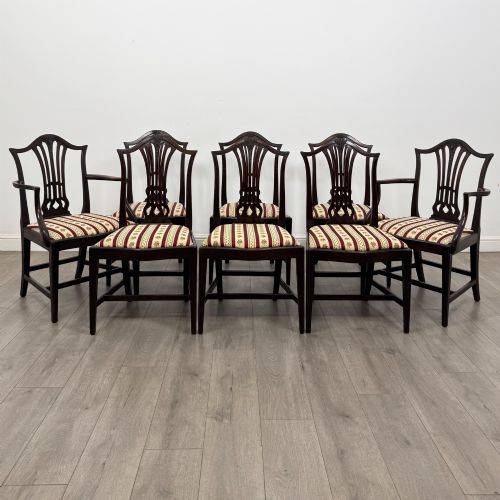
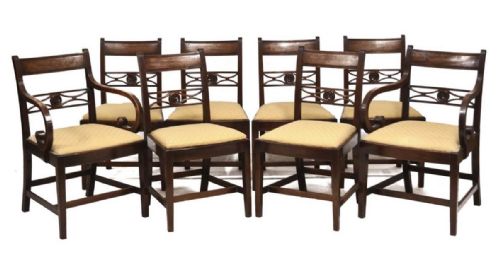
Makers often produced these armchairs as part of larger dining suites or as individual salon and morning room seating.
Materials and Construction
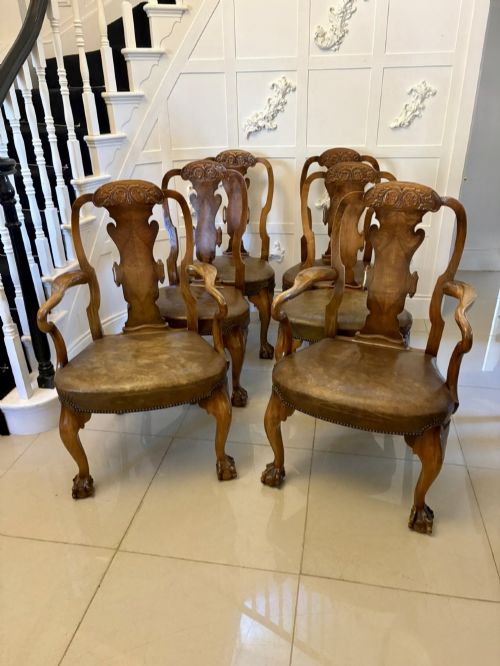
Carpenters constructed these armchairs primarily using timbers such as mahogany, oak and walnut, occasionally turning to beech, ash, elm or birch.
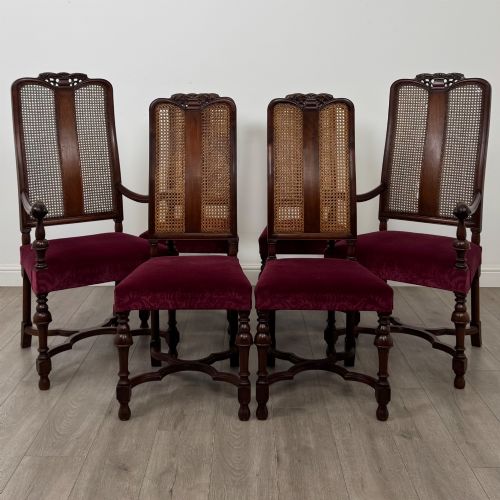
Upholstery options range from exposed wooden splats and cane panelling to fitted fabric cushions, leather pads and button-back textiles.
Craftsmen applied decorative techniques including hand carving, brass fixtures, inlay work and ebonising to finish the frames.
Listings feature mahogany, oak and walnut frames across Victorian, Edwardian and Georgian periods.
Assessing the Pieces
The distinction between standard and superior pieces rests on the crispness of the timber carving, the integrity of the joinery and the retention of original surface finishes.
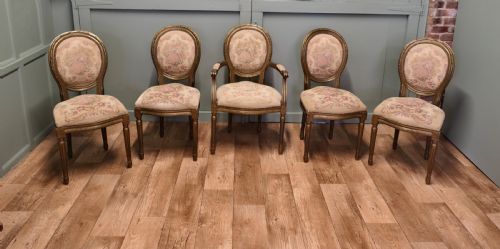
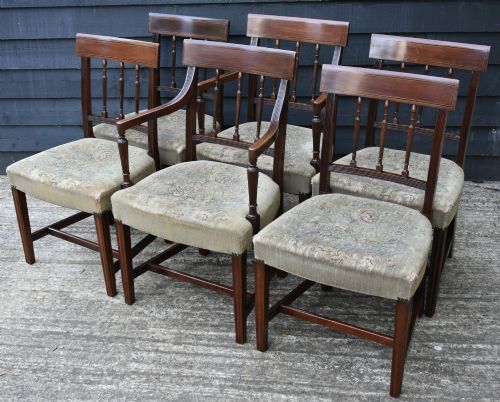
Matching sets display consistent timber grain and uniform proportions across both single chairs and the accompanying armchairs.
Original upholstery methods and period leather add significantly to the authenticity of the seating.
Maple and Co·Howard and Sons·Warings
The Antique Side Armchair Glossary
- Carver
- An armchair designed to match a set of single dining chairs, typically featuring open arms.
- Shield Back
- A chair back shaped like a heraldic shield, popular during the late eighteenth century.
- Salon Chair
- A light occasional chair intended for reception rooms rather than heavy daily dining use.
- Caning
- Woven rattan material used to form breathable seat panels and chair backs.
- Elbow Chair
- A traditional term for an armchair with low armrests intended to support the elbows.
Antique Side Armchair: Frequently Asked Questions
What is an antique side armchair used for?
These armchairs served multiple domestic functions, from seating at the dining table to placement in morning rooms, libraries and bedrooms.
They provided comfortable occasional seating while remaining light enough to move around a formal interior.
How do I identify a Georgian side armchair?
Georgian examples often feature solid mahogany construction with carved details like shield backs, ball-and-claw feet or pierced splats.
Proportions remain elegant and restrained, reflecting the prevailing neoclassical tastes of the eighteenth century.
Are these chairs suitable for daily use?
Most antique armchairs remain structurally sound for regular sitting if the frame joints are secure and the upholstery is well maintained.
Careful handling of antique timbers and delicate cane or fabric surfaces ensures longevity in a modern home.
What is the difference between a carver and a side armchair?
A carver typically refers to the armed chair created specifically to accompany a matching set of dining table chairs.
Side armchairs encompass a broader category that includes standalone salon seats, library chairs and occasional furniture.