


Late Victorian Elbow Chair
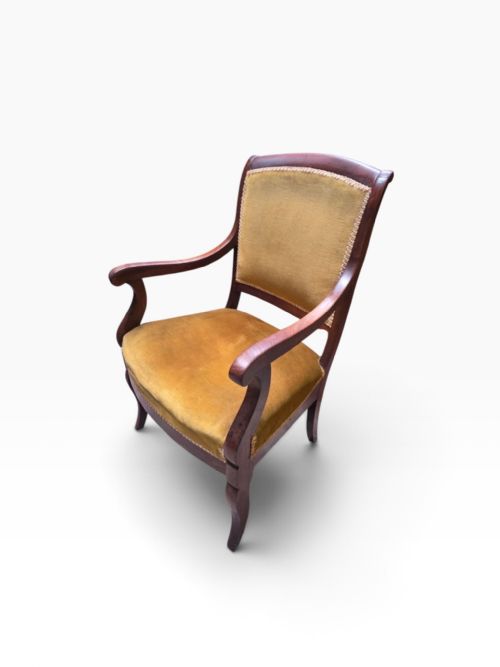
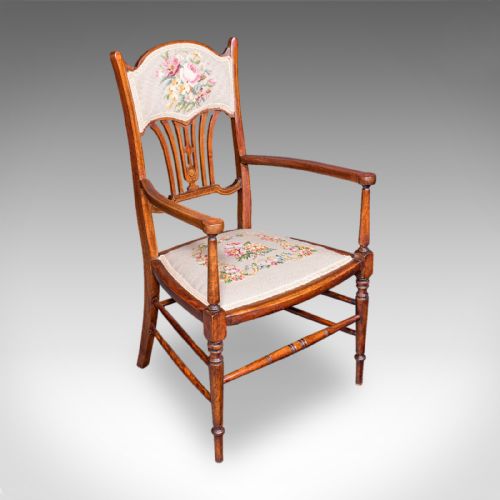
These late victorian elbow chair examples are sturdy seating pieces built for nineteenth-century rooms, offering solid timber frames and supportive armrests.
Late Victorian Elbow Chair
A late victorian elbow chair is a seating piece designed with armrests, appearing frequently as an armchair, carver, or salon seat across this selection. These items emerge from the Victorian period, including specific dates around 1870, 1880, 1890, and 1900.
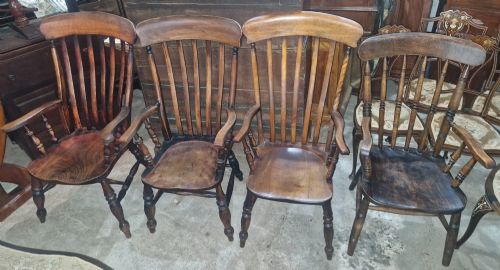
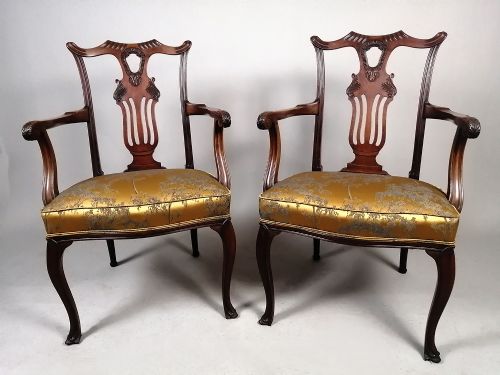
Buyers encounter diverse stylistic interpretations ranging from rustic farmhouse Windsor kitchen armchairs in fruitwood and elm to formal revival pieces. Examples include Arts and Crafts oak designs, Louis XV and Sheraton revivals, alongside Art Nouveau morning room seats.
Forms span from walnut framed open armchairs and carved mahogany corner chairs to ebonised shield back models and lyre back seating. Most pieces originate from the later nineteenth century, balancing domestic utility with decorative craftsmanship.
Materials and construction
Frames are constructed from hardwoods such as mahogany, walnut, oak, beech, fruitwood, and elm. These timbers provide the structural integrity required for armchairs and dining chairs.
Upholstery incorporates traditional fabrics, textiles, and tapestry materials to pad seats and backrests. Decorative touches include hand-painted finishes and carved wooden detailing.
The listings on this site show mahogany as the most frequent timber choice for these armchairs, accompanied by walnut, oak, beech, elm, and fruitwood.
Assessing quality in seating
Quality rests on the crispness of timber carving, the selection of solid hardwoods like walnut or mahogany over secondary woods, and the integrity of the joinery. Superior examples maintain firm structural frames without excessive movement in the joints.
The refinement of the design differentiates standard utility seating from high-style revival pieces, such as detailed Chippendale style carving or balanced proportions in salon and morning room chairs.
The Late Victorian Elbow Chair Glossary
- Elbow chair
- A seating piece fitted with armrests to support the arms, often used as a desk or dining carver chair.
- Windsor chair
- A wooden chair featuring a solid saddle-seat into which separate spindles and a bentwood back are wedged.
- Carver armchair
- A sturdy dining chair with arms, historically placed at the head of a table for the host.
- Shield back
- A chair back designed in the silhouette of a heraldic shield, popularised during the eighteenth century and revived later.
- Ebonised
- Timber treated with a dark stain or finish to imitate the appearance of solid ebony.
Late Victorian Elbow Chair: Frequently Asked Questions
What is an elbow chair?
An elbow chair is simply a chair fitted with armrests for added comfort, often utilised as a carver or desk seat.
In nineteenth-century rooms, these seats served specific purposes in morning rooms, dining spaces, and salons.
How do I date these chairs?
Dating relies on stylistic markers, construction methods, and timber choices recorded across the Victorian era.
Revival styles often borrow motifs from earlier centuries, while construction details help pinpoint the late nineteenth-century manufacturing period.
Where were these chairs used?
These seating pieces found places in various domestic settings, from formal drawing rooms to farmhouse kitchens.
Rural versions used elm and fruitwood, whereas urban drawing rooms featured mahogany, walnut, and decorative painted finishes.
How do I care for wooden frames?
Maintenance involves dusting timber regularly and keeping antique frames away from direct heat sources and sunlight.
Conditioning polished surfaces gently preserves the original finish without altering the character of the wood.