


George III Dressing Table
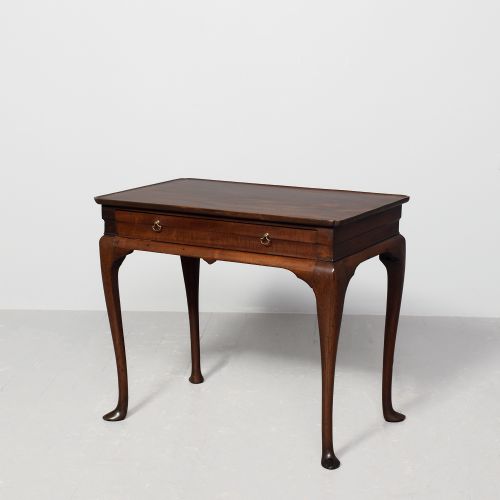
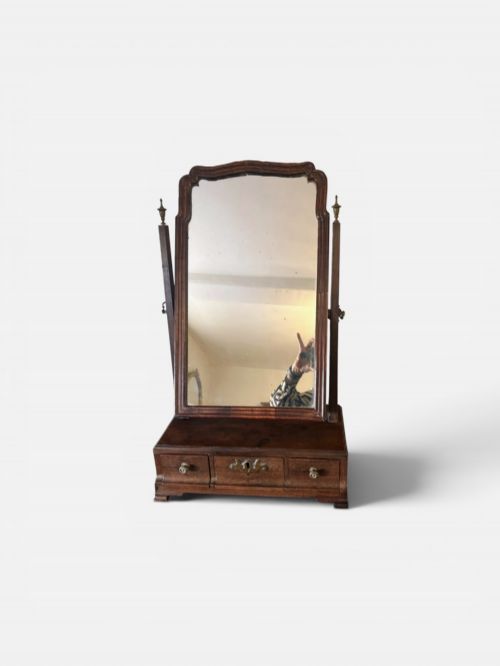
When searching for a george iii dressing table, you discover pieces designed for personal grooming, featuring fitted drawers and associated mirrors.
George III Dressing Table
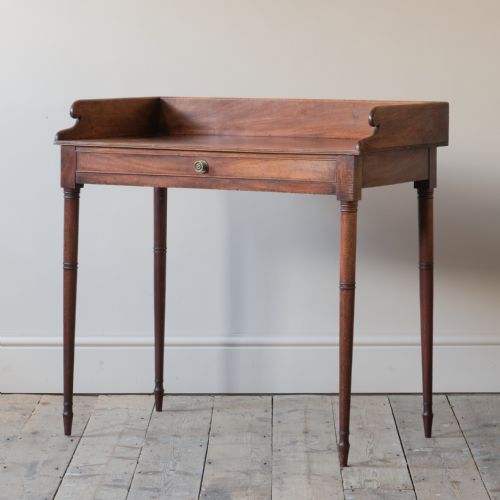
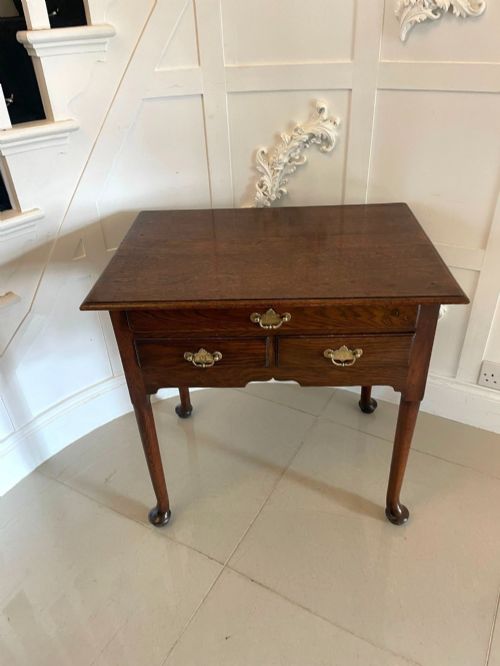
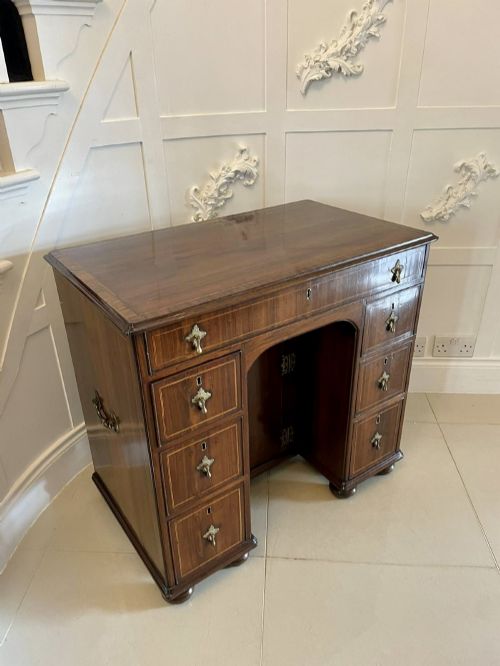
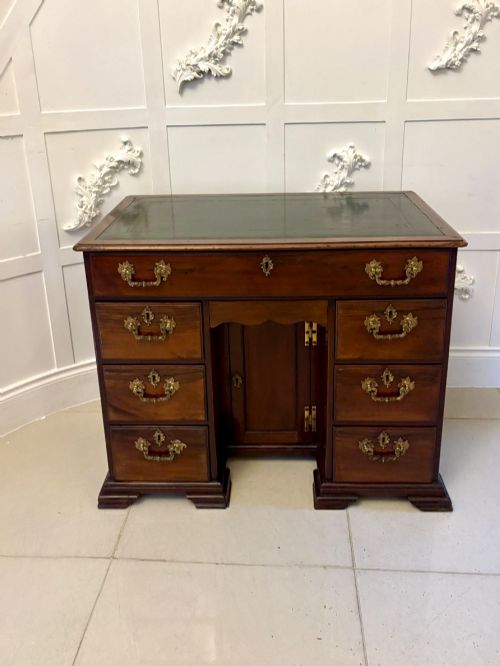
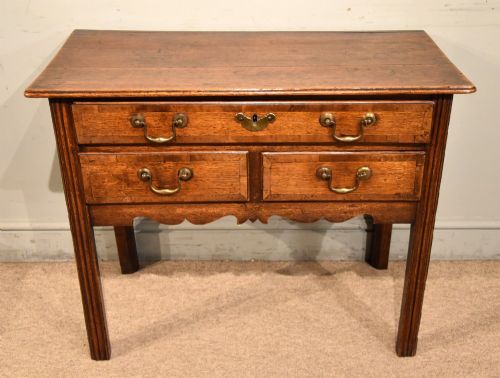
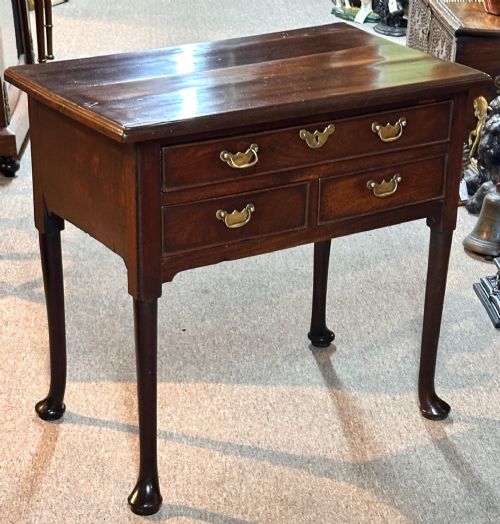
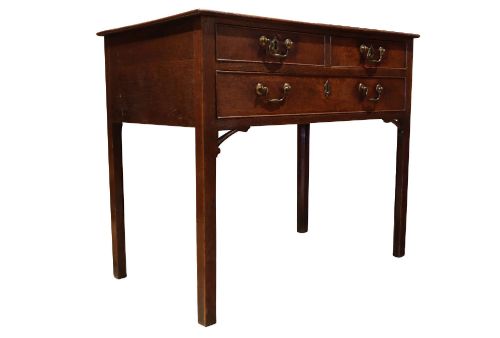
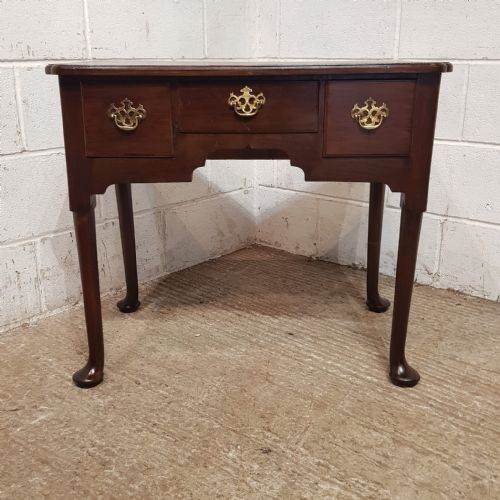
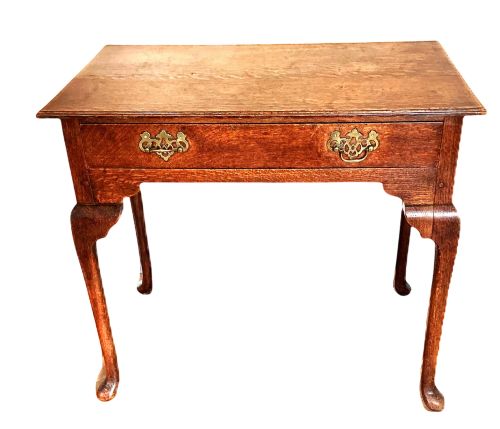
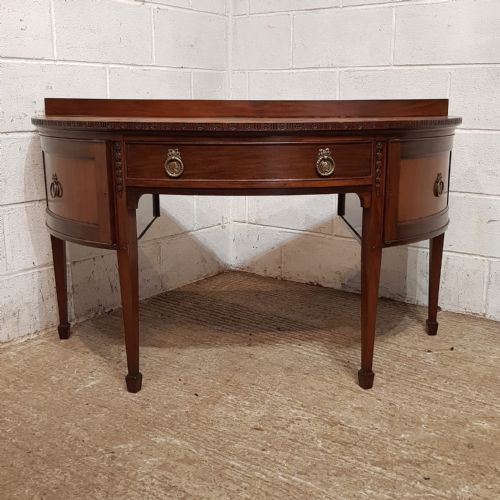
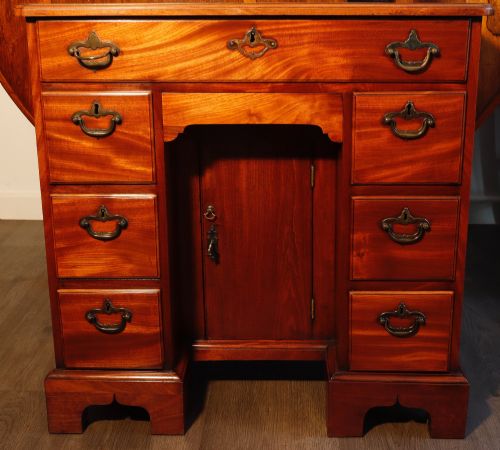
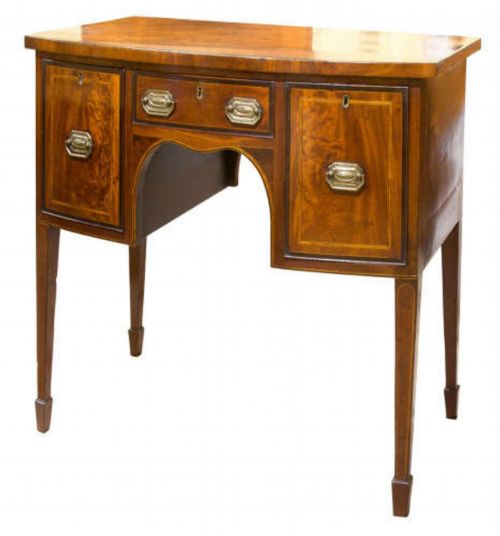
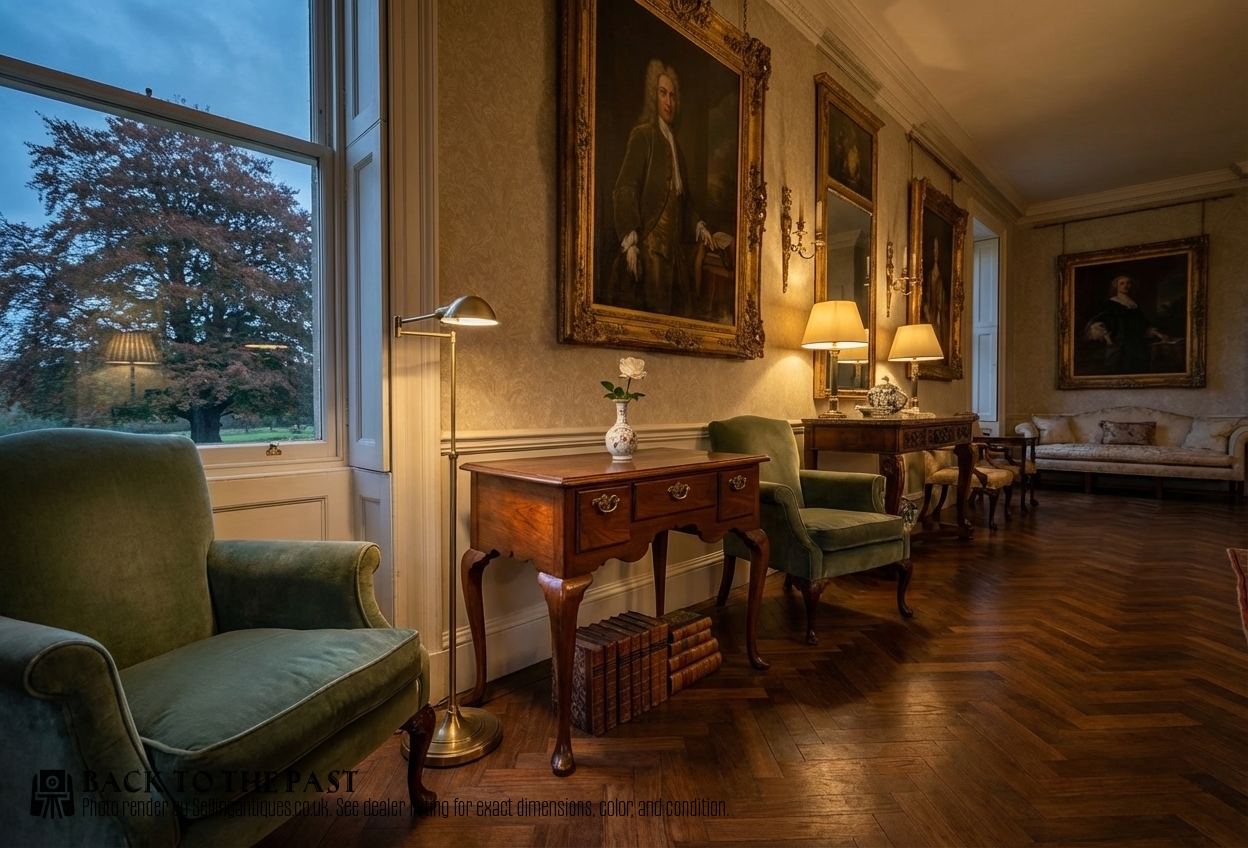
A george iii dressing table encompasses various forms designed for the bedroom or boudoir, ranging from kneehole desks with central drawers to lowboys and compact bow-front examples. The evidence shows these pieces appearing alongside related forms such as side tables, washstands, and specific toilet or dressing mirrors.
The pieces on this page span the Georgian period, the eighteenth century, and extend into later nineteenth-century interpretations and twentieth-century reproductions. Mahogany is the dominant wood, accompanied by oak and walnut, reflecting the standard timber choices of the era.
Buyers encounter formats that double as writing spaces or side tables, demonstrating the versatile room use typical of the period. Many surviving examples integrate compact proportions suitable for smaller spaces while retaining functional drawer configurations.

Materials and construction
Cabinetmakers relied heavily on mahogany, often chosen for figured grains, alongside structural oak and walnut. Finer surfaces incorporate satinwood, boxwood, and purpleheart banding to create contrasting borders on drawer fronts and tops.
George III Dressing Table Retail Price Guide 2026
Typical asking prices for george iii dressing table among the pieces listed under this phrase on Sellingantiques today, from the lower quarter to the upper quarter. They describe what is for sale here now, not the wider market.
Travelling dressing chests allowed eighteenth-century gentlemen to maintain impeccably powdered hair while negotiating notoriously bumpy coach rides.
Factors of quality
The refinement of the timber figure and the precision of decorative banding separate standard items from superior works. Figured mahogany and carefully arranged satinwood veneers indicate higher workshop standards.
Proportion and structural restraint define the better examples. Pieces exhibiting serpentine or bow-front contours demonstrate advanced cabinetmaking skill compared to straight-front alternatives.
Paul Storr·Gillow Lancaster
The George III Dressing Table Glossary
- Lowboy
- A small side table or dressing table typically featuring one or more rows of drawers beneath a flat top. They frequently stand on slender cabriole or straight legs.
- Kneehole desk
- A form of desk or dressing table featuring a central recessed cupboard or space flanked by pedestals of small drawers. This layout allows the user to sit comfortably closer to the piece.
- Toilet mirror
- A smaller tabletop mirror frame mounted on a base containing small drawers. These items were designed to sit atop a chest of drawers or a dedicated dressing table.
- Serpentine
- A front contour characterised by a convex central section flanked by concave curves. This shaping requires specialist woodworking ability to execute cleanly across drawer fronts.
- Washstand
- A utilitarian piece designed to hold a basin and jug for washing. Examples from the period often feature specialised top openings and lower shelves.
George III Dressing Table: Frequently Asked Questions
What is a lowboy used for?
A lowboy served multiple domestic purposes in eighteenth-century interiors, functioning primarily as a small side table or a dressing table. Users placed them in bedrooms or reception rooms for storage and surface utility.
Their compact scale allowed them to fit into tight spaces where larger desks or sideboards were impractical. Many survivors retain traces of cosmetic use or light storage within their primary drawer tiers.
How do I identify a dressing mirror?
Dressing mirrors consist of an adjustable glass plate set within a freestanding wooden frame. This frame sits directly upon a small box base fitted with miniature drawers.
Unlike full-length mirrors, these tabletop versions were built specifically for close grooming tasks. They frequently duplicate the serpentine or bow-front shaping found on full-sized companion dressing tables.
Are these tables suitable for modern use?
These tables adapt easily to modern rooms as compact desks, hallway console tables, or bedroom dressing units. Their traditional drawer arrangements provide practical storage for stationery or daily accessories.
Careful measurement of chair clearance is advised, particularly with kneehole formats where the central recess restricts legroom. The modest footprint of most pieces ensures they integrate smoothly into contemporary layouts.
How do I distinguish periods?
Distinguishing periods involves examining timber selection, structural joinery, and stylistic vocabulary. Eighteenth-century pieces typically display dense native or imported hardwoods with hand-cut dovetailing in the drawer construction.
Later nineteenth-century and twentieth-century examples often reveal standardised machining or different secondary woods upon closer inspection. Consulting the specific framing methods helps clarify whether a piece originates from the Georgian era or later revivals.