

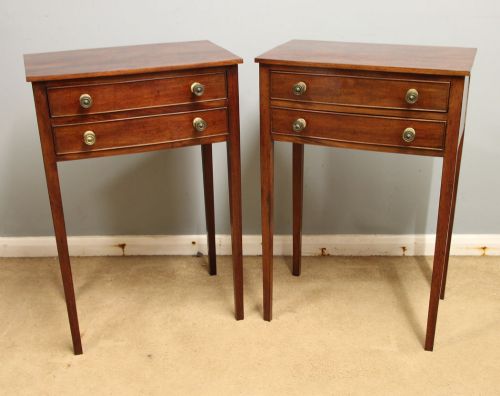
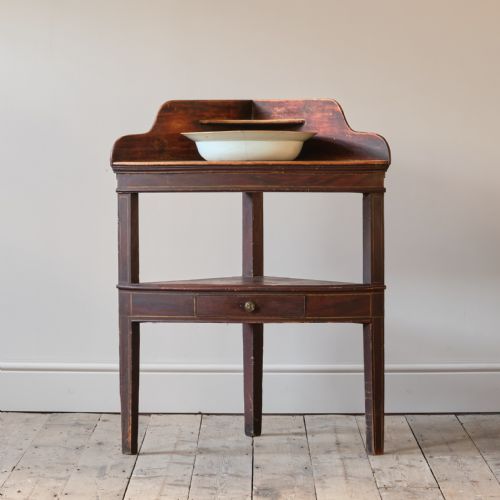
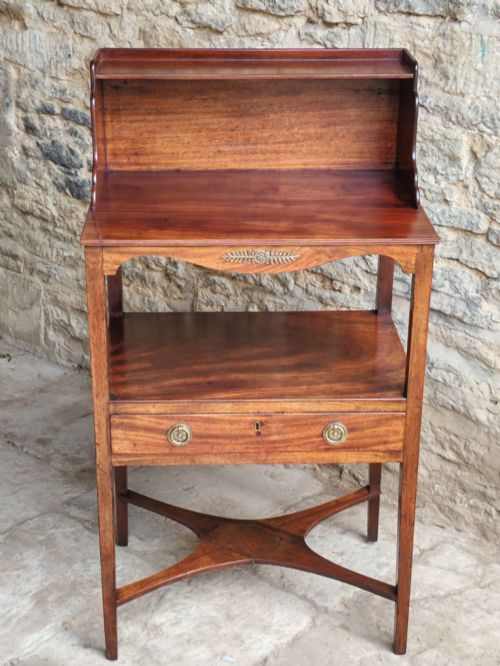
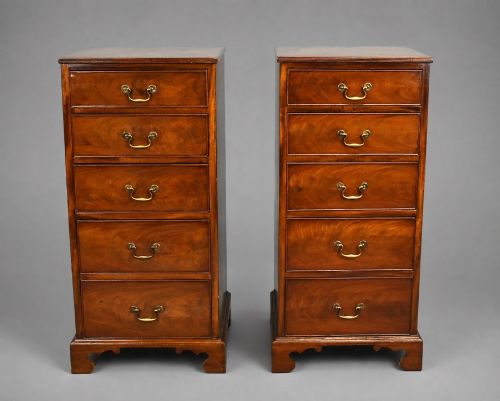
Georgian Bedroom Table
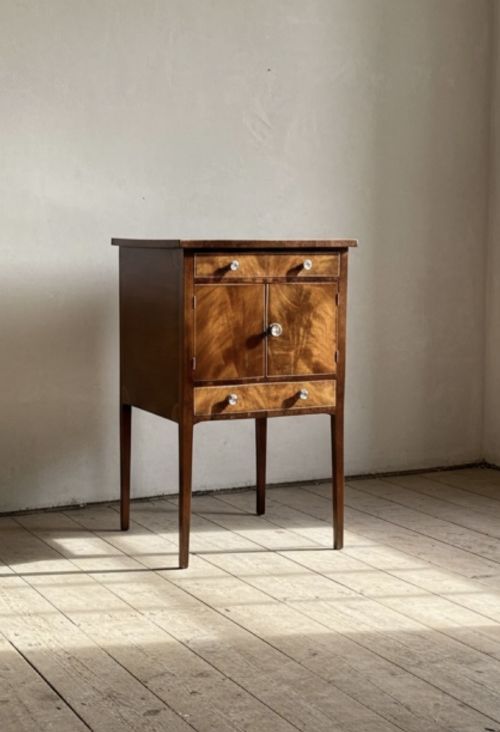
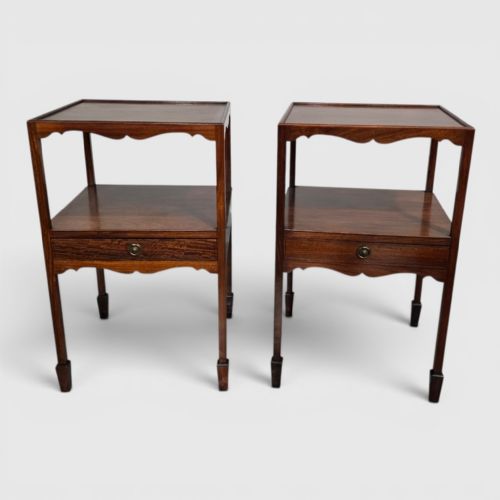
A georgian bedroom table brings genuine period character and compact utility to a room, offering practical bedside storage or surface space.
Georgian Bedroom Table
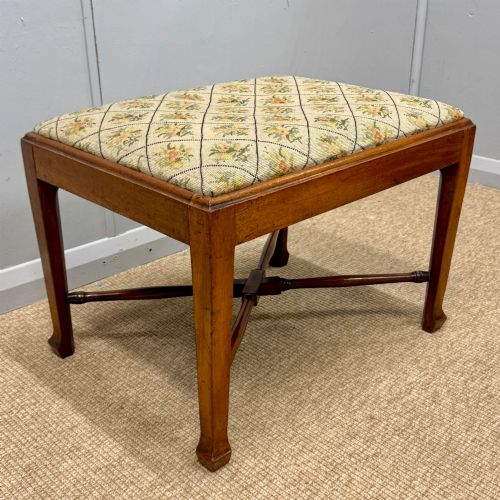
A georgian bedroom table encompasses various practical forms designed for personal quarters, spanning bedside cabinets, washstands, dressing tables, and small chests. Buyers frequently encounter pieces from the Georgian era alongside later revivals from the nineteenth and twentieth centuries.
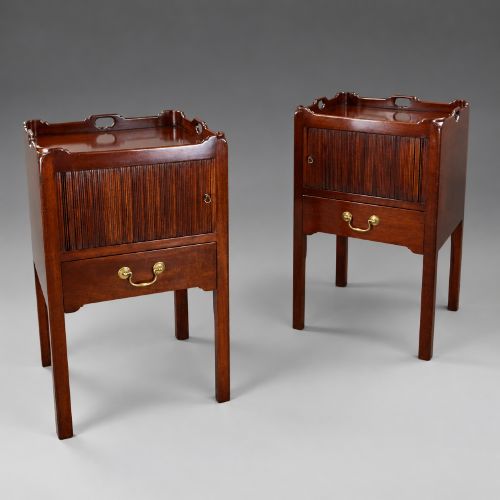
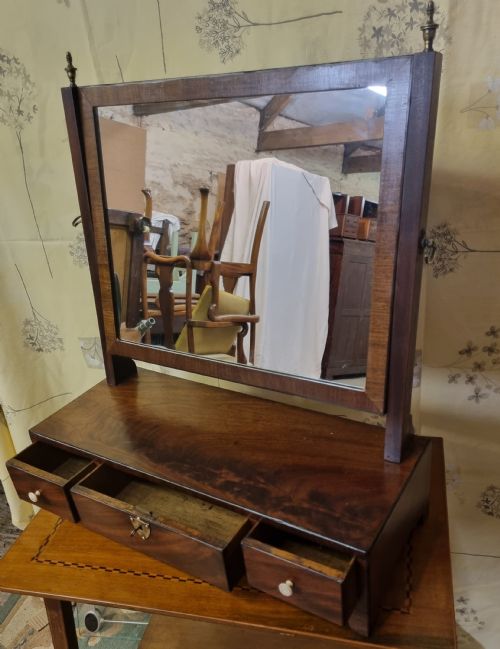
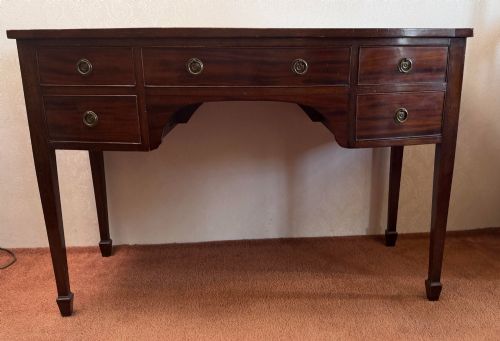
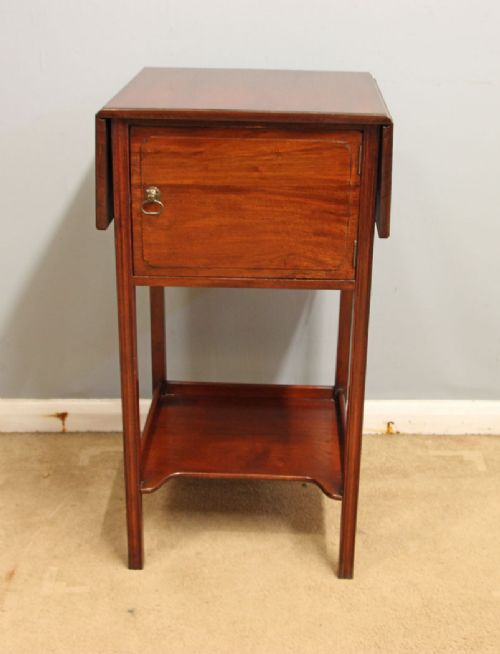
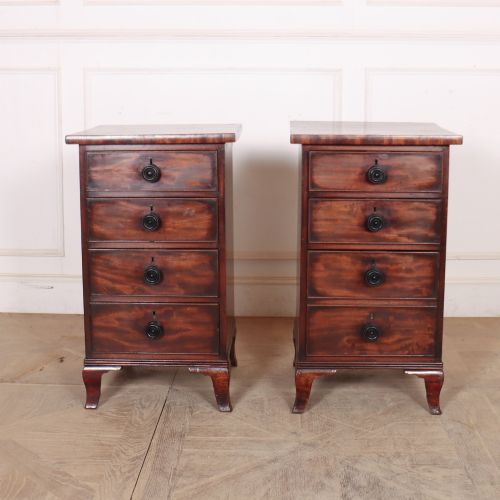
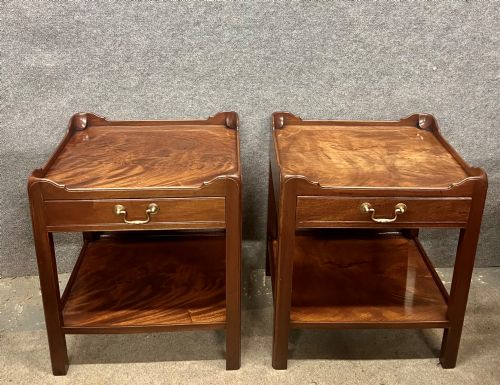
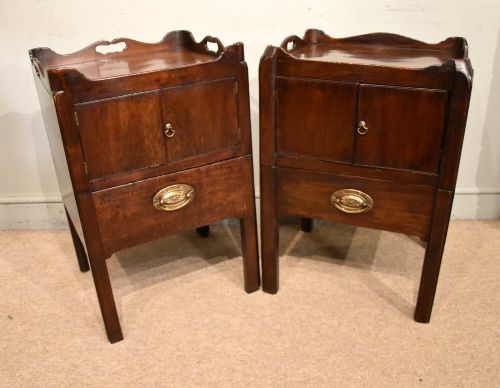
Mahogany forms the predominant timber across these listings, appearing alongside walnut, burr walnut, satinwood, and pine. Pieces range from tray top bedside cabinets and corner washstands to dressing mirrors and lowboys.
Makers and workshops utilised different regional traditions, resulting in items such as Irish bedside tables or reeded leg cabinets associated with Gillows. Buyers will also find matched pairs and single items suited to period or revival interiors.
Materials and construction
Cabinet makers relied heavily on solid mahogany and figured veneers such as burr walnut and satinwood over secondary timbers. Brass hardware, including handles and hinges, provides functional and decorative accents on drawers and cupboards.
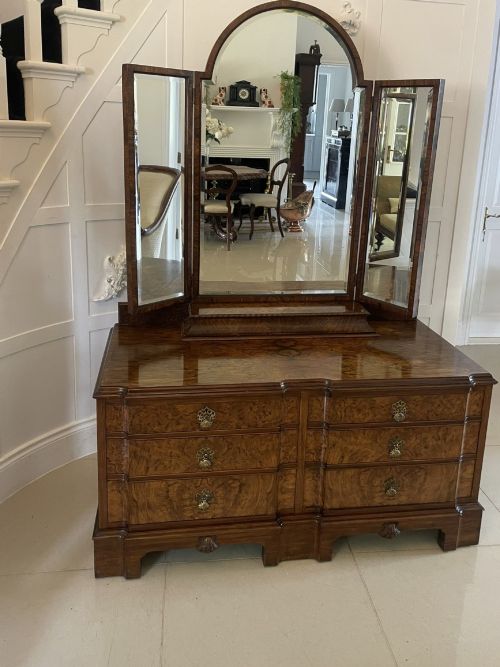
Several gentleman's dressing tables include integrated mirrors designed for morning routines centuries ago.
Evaluating craftsmanship
Quality in a georgian bedroom table rests upon the selection of timber figures, such as matched mahogany grains or rich burr walnut veneers. The crispness of carved details, reeded legs, and brass inlay dictates the standing of individual pieces.
Construction integrity shows in the dovetailing of drawers, the fitting of cupboard doors, and the preservation of original surfaces. Pieces bearing maker attribution or distinct regional characteristics command closer attention from collectors.
Gillows
The Georgian Bedroom Table Glossary
- Lowboy
- A small oak or mahogany table with drawers, commonly used as a dressing table in the eighteenth century.
- Washstand
- A freestanding piece designed to hold a basin and jug for personal washing, often featuring a cutout top or splash back.
- Tray top
- A tabletop finished with a raised moulded edge or gallery to prevent items from rolling off.
- Triplate
- A dressing table mirror constructed with three adjustable glass panels.
- Pot cupboard
- A small bedside cabinet originally designed to enclose a chamber pot.
Georgian Bedroom Table: Frequently Asked Questions
What is a georgian bedroom table used for?
These tables served various personal needs in private quarters, functioning as bedside storage, washstands for morning hygiene, or surfaces for grooming and dressing.
Today, they adapt easily to modern homes as bedside stands, lamp tables, or compact drawer units in smaller spaces.
How do I identify a genuine period piece?
Examination of timber types, construction methods like hand-cut dovetails, and secondary woods helps determine age.
Comparing stylistic details against known George III or Regency designs provides further context for dating.
Are pairs common in these tables?
Matched pairs appear frequently among bedside cabinets and cupboards, often assembled or created during later revival periods.
Single items remain common, particularly for washstands, dressing tables, and lowboys.
What is the difference between original and revival pieces?
Original pieces date from the eighteenth and early nineteenth centuries, reflecting the primary craftsmanship of the Georgian and Regency eras.
Revival pieces, produced in the Edwardian period or during the 1920s and 1930s, replicate those earlier styles using traditional forms.