
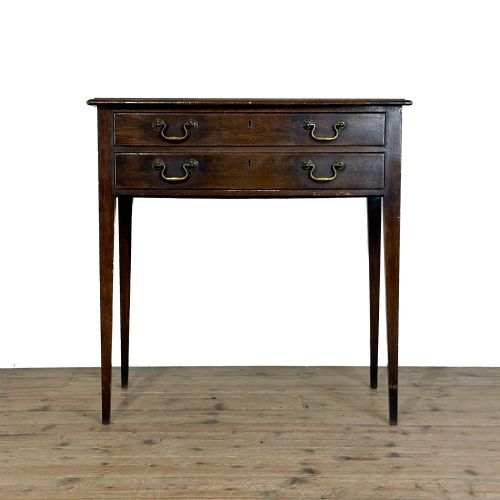
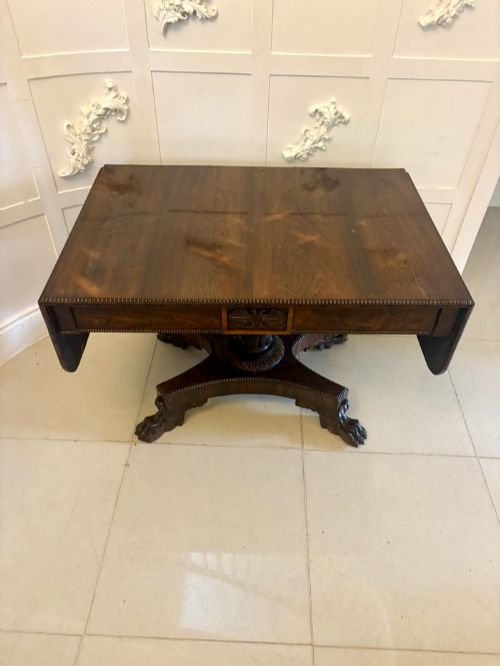
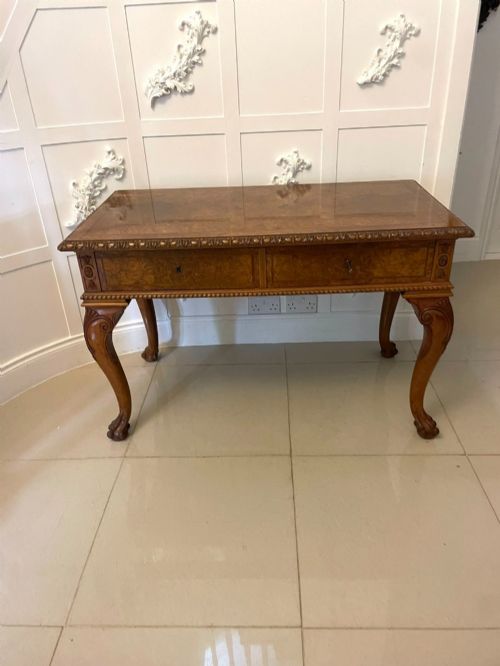
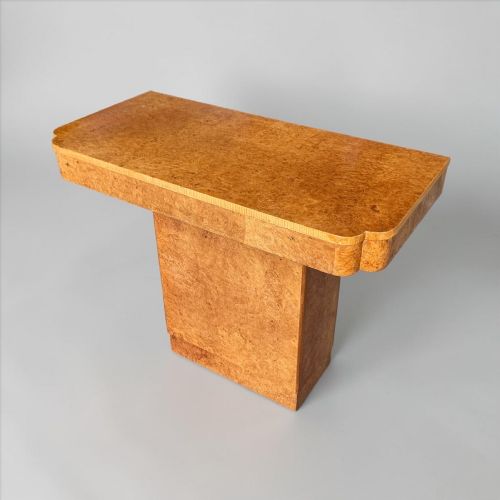
Antique Wood Console Table
An antique wood console table brings architectural presence and refined utility to a hallway or drawing room.
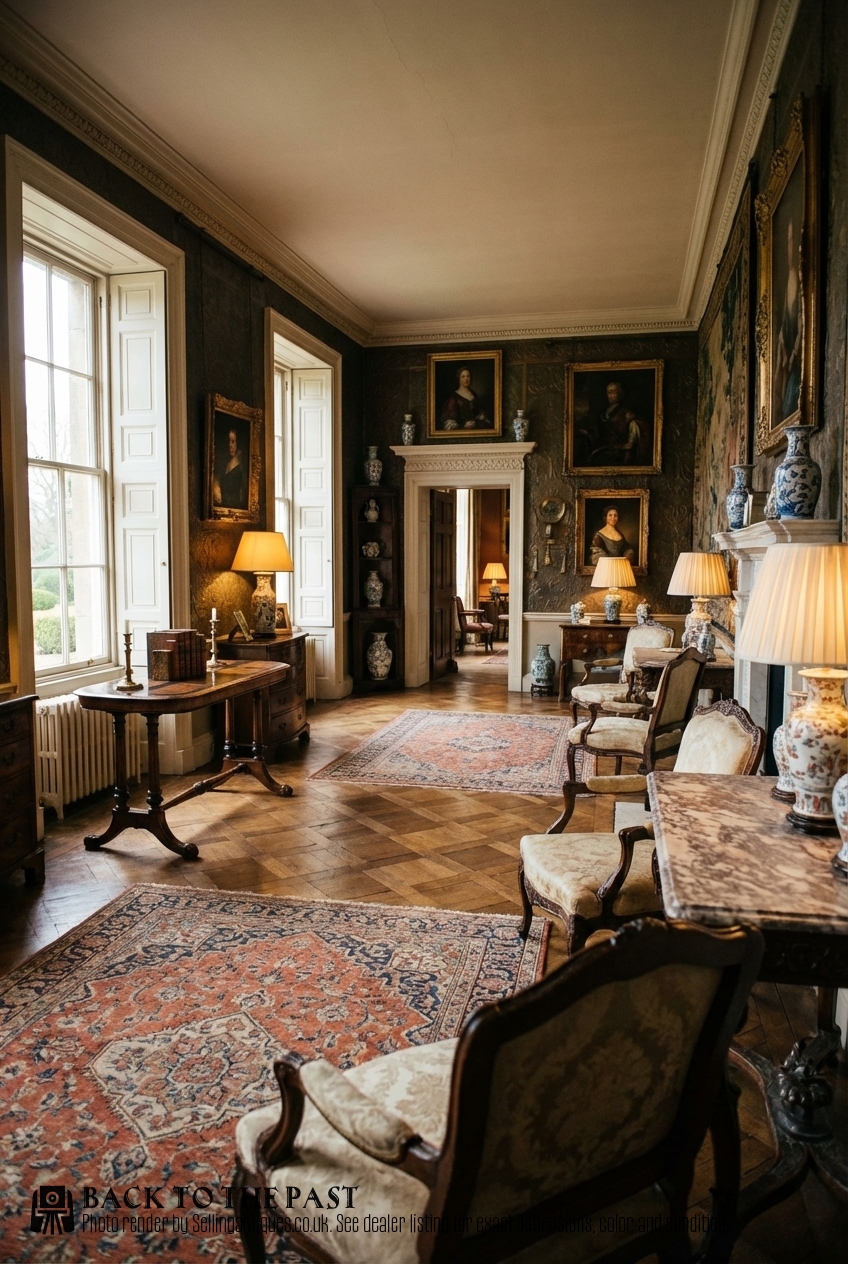
Antique Wood Console Table
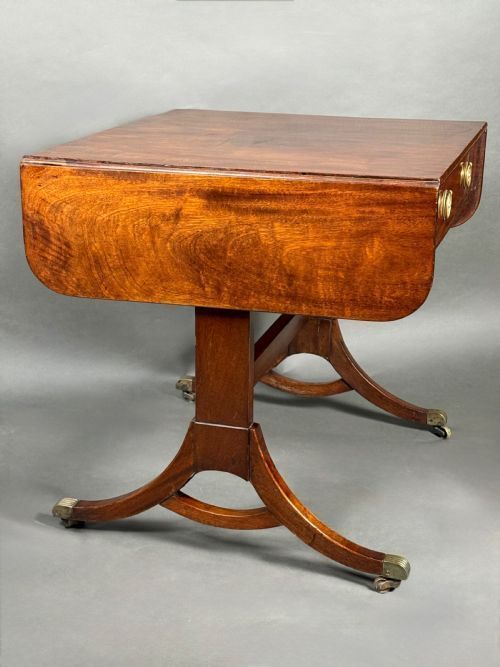
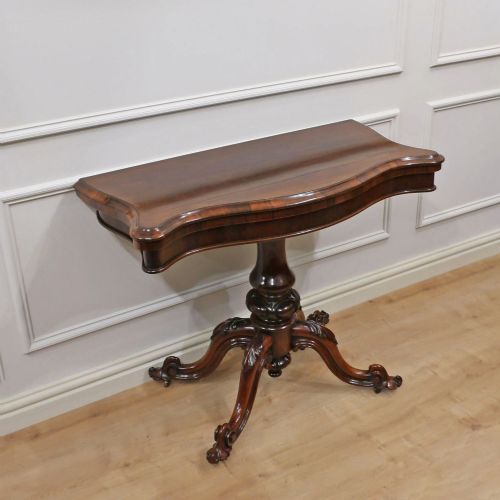
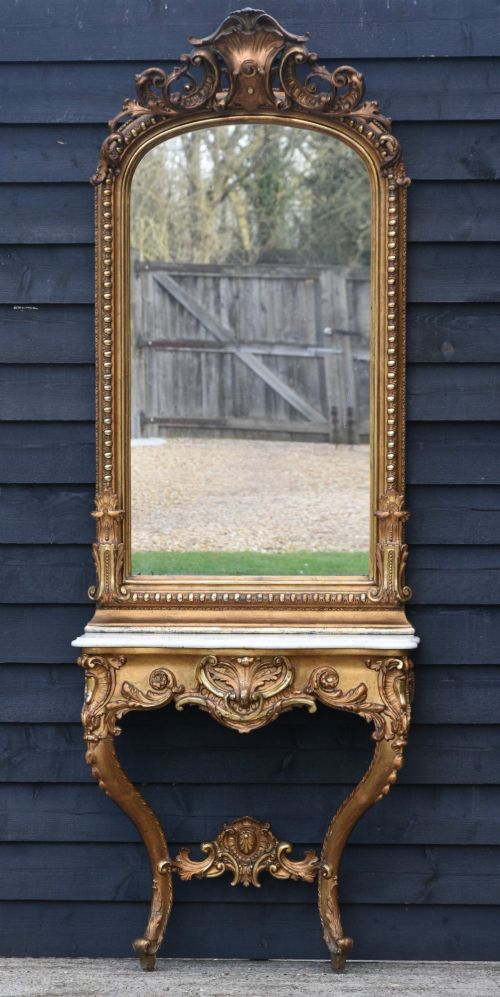
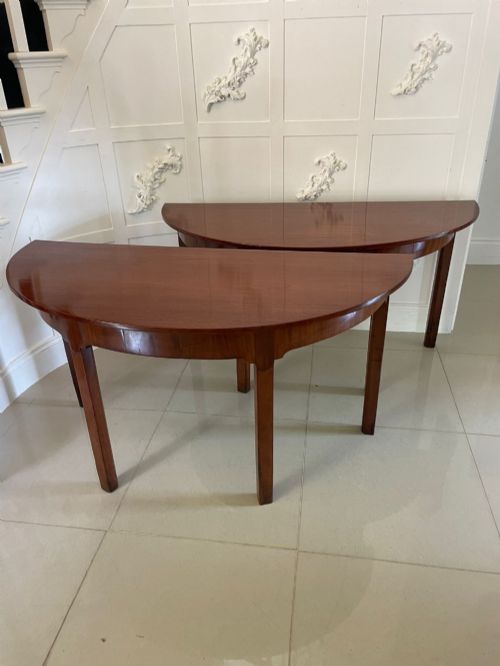
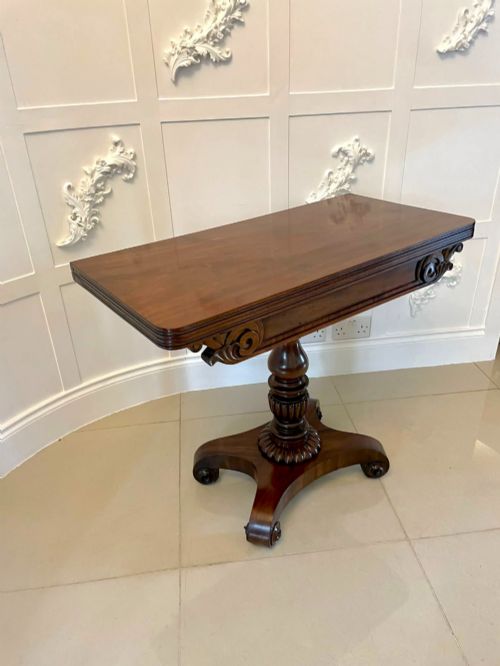
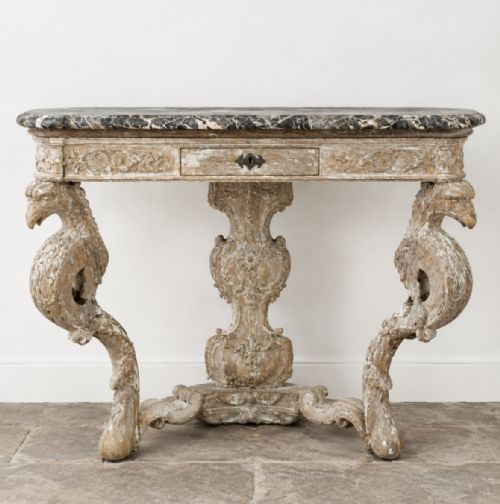
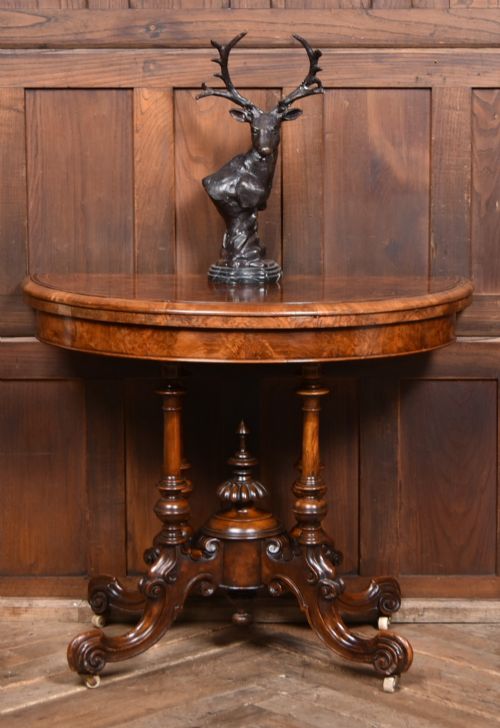
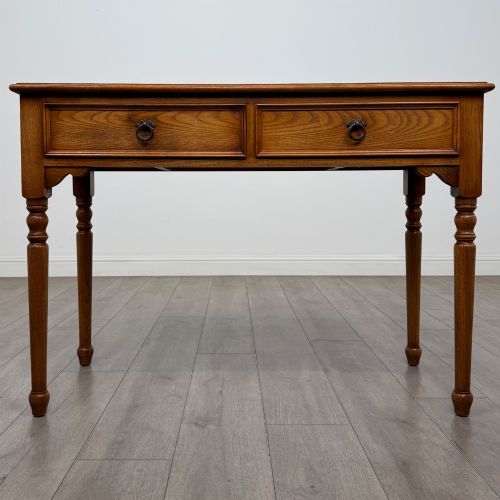
An antique wood console table serves as a slim, wall-abutting surface originally designed for display or serving in formal rooms. Buyers exploring this category encounter a rich variety of forms, from semicircular demi-lune shapes to folding card tables and grand giltwood pier tables.
The pieces span multiple centuries and stylistic revivals, with Georgian, Regency, and Victorian iterations appearing frequently alongside Edwardian and later twentieth-century examples. Mahogany, rosewood, and oak dominate the timber selection, frequently enriched by marble tops, brass inlays, or delicate satinwood banding.
Construction and materials
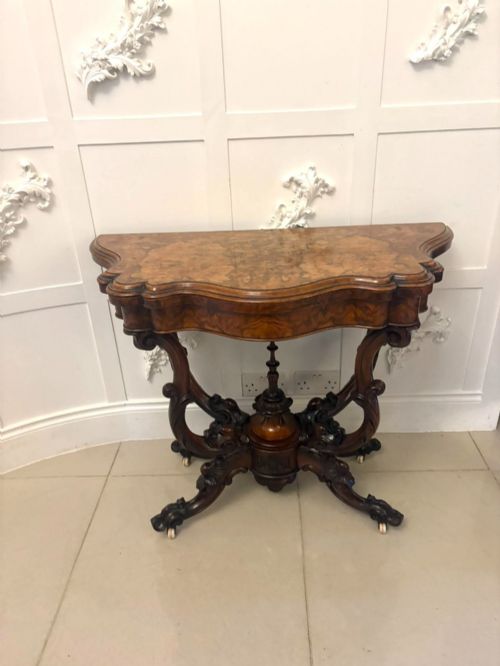
Cabinetmakers utilised dense native and exotic timbers, laying striking veneers like flame mahogany, burr walnut, and burr yew over sturdy pine or oak carcases. Timber selection dictated the visual weight of the furniture, allowing makers to achieve rich grain patterns across flat surfaces and curved aprons.
Surface ornamentation involved intricate brass stringing, hand-carved giltwood motifs, and neoclassical carvings executed directly into the solid wood. Marble slabs were frequently fitted to the tops of grander console tables, especially on continental and French-influenced pieces.
Listings feature timbers including mahogany, walnut, rosewood, oak, elm, fruitwood, and satinwood across the eighteenth, nineteenth, and early twentieth centuries.
Factors of distinction
Superior examples display exceptional figure in the timber veneers, matched across the top and aprons with deliberate symmetry. Finer pieces often incorporate secondary woods of high grade and retain their original structural integrity without excessive restoration.
The precision of the carving, the crispness of brass inlay work, and the quality of the internal joinery distinguish standard utilitarian tables from exhibition-grade pieces. Proportion and the harmony of secondary details like turned legs or carved basket bases elevate the stature of an individual table.
George Bullock·Gillows
The Antique Wood Console Table Glossary
- Demi-lune
- A half-moon shape popular for console and card tables designed to sit flush against a wall.
- Giltwood
- Timber carved and coated with a thin layer of gold leaf or metallic paint, frequently seen on formal nineteenth-century console tables.
- Pier table
- A large decorative table designed specifically to stand against the wall beneath a pier glass mirror.
- Satinwood
- A durable, lustrous timber with a yellow-gold sheen used extensively for contrasting stringing and geometric inlay work.
Antique Wood Console Table: Frequently Asked Questions
Where should I place a console table?
These narrow tables suit entrance halls, narrow corridors, and reception rooms where floor space is limited. Their shallow depth allows them to display decorative objects or lamps without obstructing walkways.
Pinned against a wall, they provide a focal point beneath mirrors or artwork, echoing the architectural scale of historic interiors.
How do I distinguish a card table from a side table?
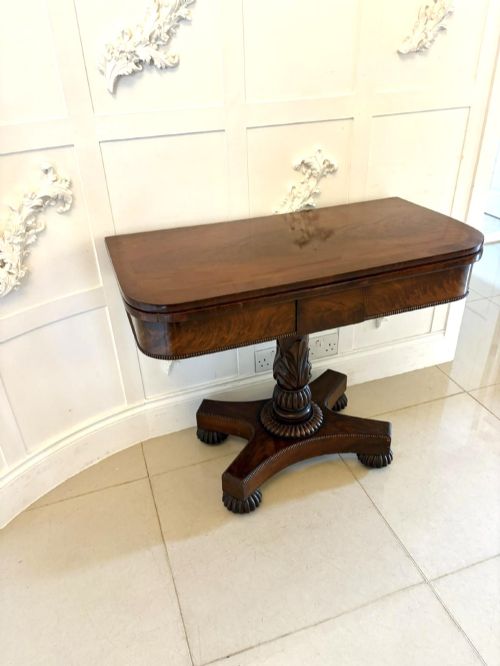
Card tables typically feature a hinged top that folds open to reveal a baize-lined playing surface supported by a swing leg or concertina mechanism. Side tables remain fixed in structure with a single stationary top surface.
Many period examples were built to function as console tables when closed and convert into gaming surfaces when entertaining guests.
What periods are most common?
The selection spans from the eighteenth century through the Edwardian era, with nineteenth-century Victorian and Regency pieces appearing frequently. Earlier Georgian items often showcase rich mahogany and satinwood inlay.
Later Victorian and Edwardian examples lean toward heavier carved rosewood or lighter painted and inlaid constructions.
How do I care for antique wood surfaces?
Protect antique wood from direct sunlight and sudden humidity changes to prevent timber movement and veneer lifting. Regular dusting with a soft, dry cloth maintains the natural lustre without building up heavy chemical residues.
Applying a traditional beeswax polish occasionally helps nourish older timbers and preserves the depth of the grain.