
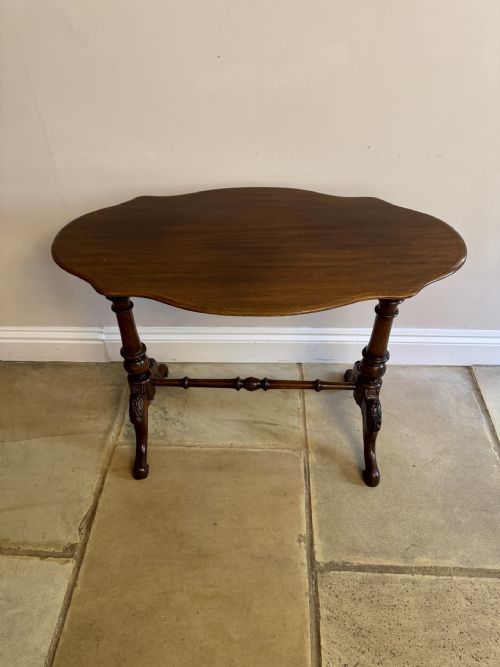
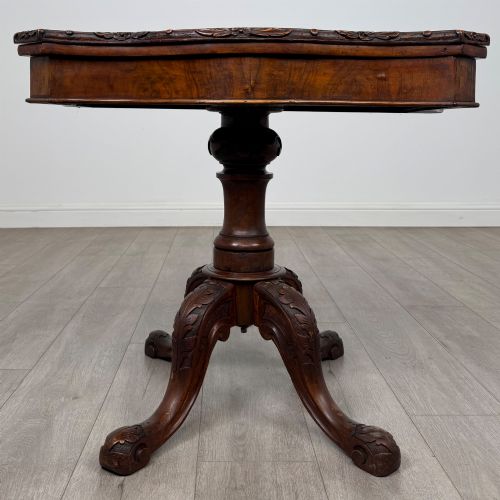
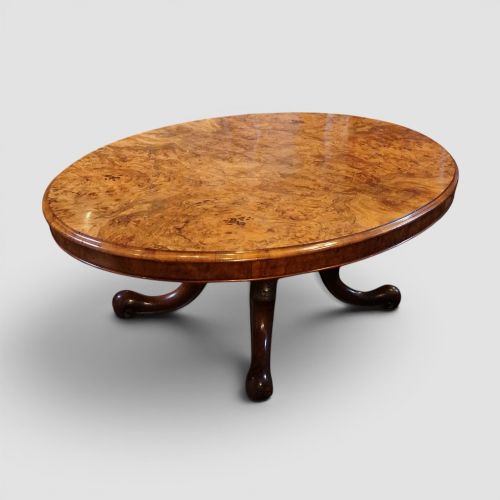
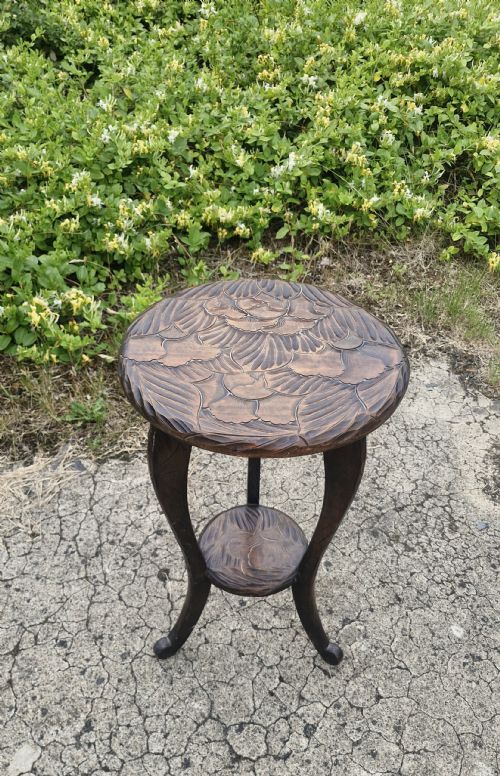

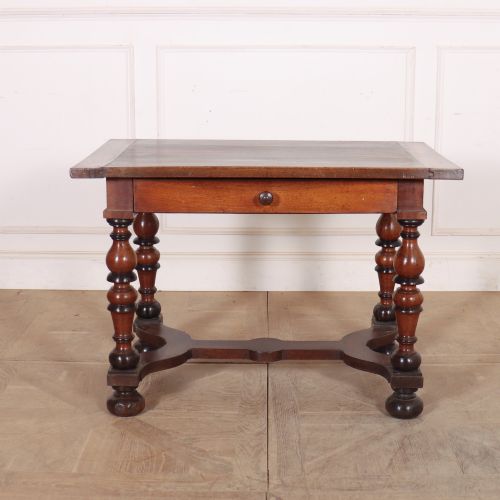
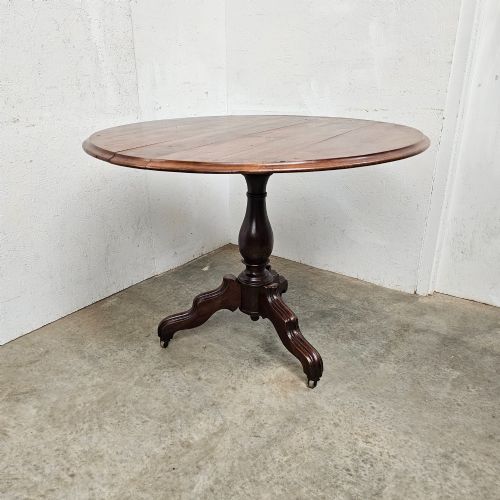
Dark Brown Walnut Table
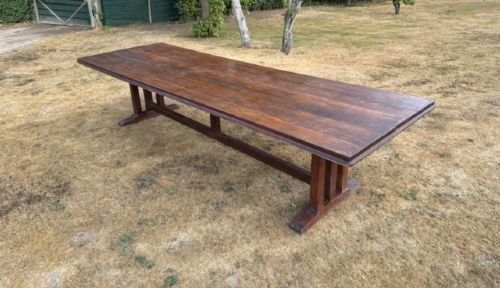
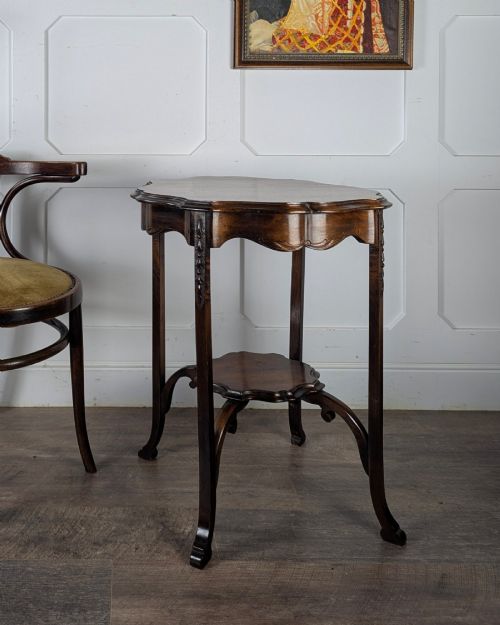
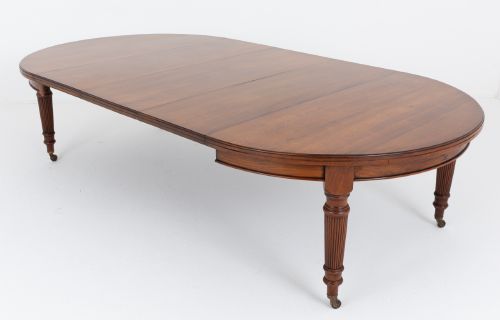
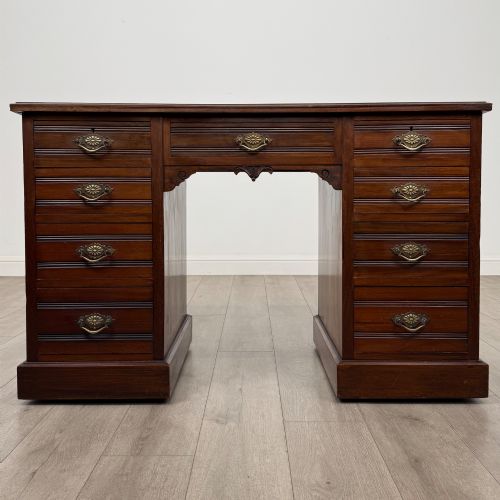
A dark brown walnut table brings deep timber tones and rich grain patterns into a room, spanning centuries of cabinet making from side tables to large dining pieces.
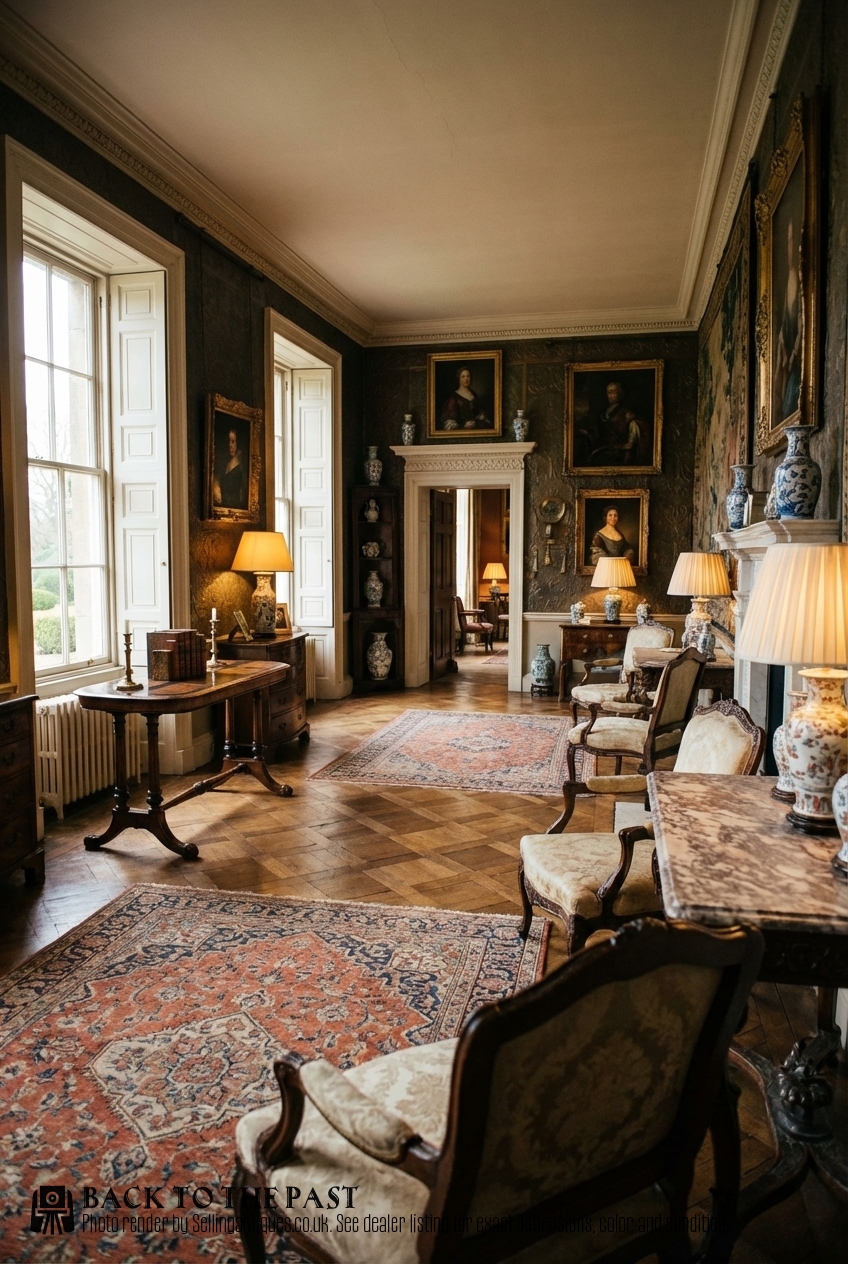
Dark Brown Walnut Table
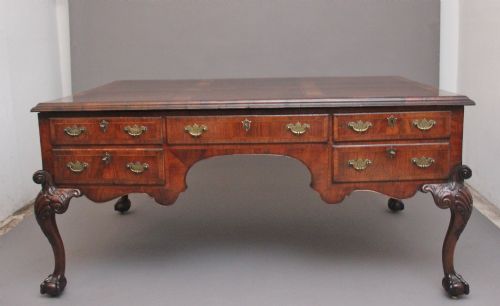
A dark brown walnut table appears across multiple centuries and formats, ranging from compact side pieces to expansive dining surfaces. Buyers searching for a dark brown walnut table encounter various forms such as desks, occasional tables, console tables, and refectory designs.
The selection includes pieces spanning the seventeenth century through to the Edwardian period and the early twentieth century. Victorian examples frequently utilise burr walnut for enhanced visual depth on coffee tables, games tables, and centre tables.
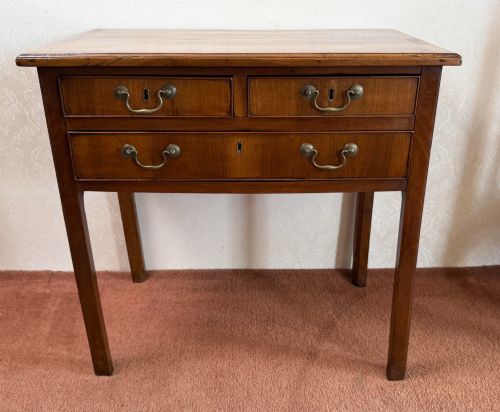
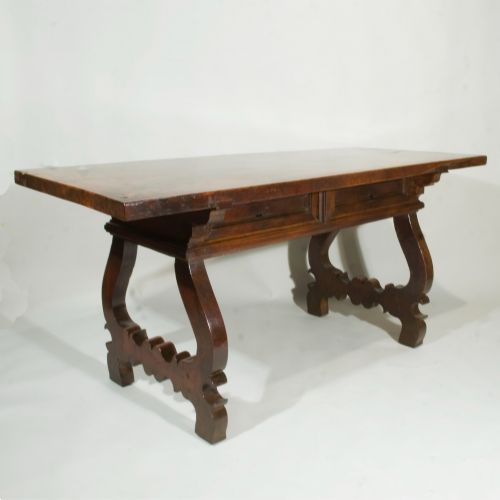
Regional variations introduce Spanish Baroque, Italian Baroque, and French Provincial styles alongside English domestic furniture. These items serve functional roles as writing desks, tea tables, and lowboys while anchoring a room with dark wood tones.
Materials and construction
Makers utilised solid walnut and decorative veneers, often selecting burr walnut or figured walnut for tabletops to display complex grain patterns. Secondary timbers such as oak and mahogany appear in structural framing and drawer linings.
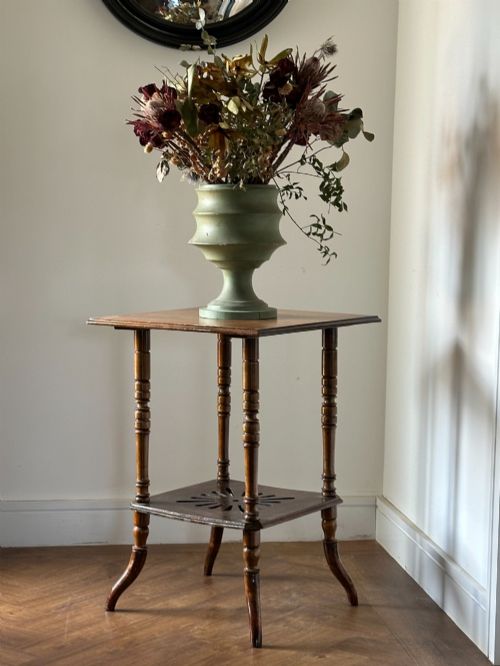
Construction techniques involve traditional joinery, turning such as barley twist legs, and carved ornamentation. Selected pieces incorporate secondary elements of brass hardware, marble tops, and marquetry inlay.
Listings feature walnut alongside auxiliary materials including brass, marble, oak, and mahogany across multiple centuries.
Distinctions in craftsmanship
Quality rests upon the selection of timber, where highly figured burr walnut veneers or thick solid planks distinguish superior examples from simpler constructions. The precision of carving, whether on Baroque console bases or Edwardian legs, shows the hand of a skilled maker.
Structural integrity and the preservation of original surfaces dictate the standing of a piece. Well executed marquetry, stable extending mechanisms, and untouched patination elevate examples above standard utility furniture.
Liberty's·Étienne Kohlmann
The Dark Brown Walnut Table Glossary
- Burr walnut
- A specialised timber veneer taken from the warted growths of walnut trees, prized for its swirling, highly figured grain patterns. It creates a decorative surface often seen on Victorian tabletops.
- Refectory table
- A long dining table traditionally used in communal dining halls, adapted in domestic settings for its sturdy proportions and stretcher base.
- Lowboy
- A small eighteenth-century English table with one or more drawers, frequently utilised as a dressing table or side table.
- Marquetry
- The art of applying pieces of veneer to a structure to form decorative patterns and pictures, commonly executed in contrasting woods.
- Tripod table
- A small occasional table supported by a central pillar resting on three legs, often designed with a tilt-top mechanism.
Dark Brown Walnut Table: Frequently Asked Questions
How do I date a walnut table?
Dating relies on examining construction methods, timber thickness, and hardware fixings used in the frame. Secondary woods like oak often point towards earlier English periods.
Stylistic cues such as barley twist legs, marquetry panels, or Baroque carving provide further alignment with specific centuries.
Where should I place a console table?
Console tables suit hallways, entryways, or living rooms where floor space is limited. Their narrow profile allows them to sit flush against a wall beneath mirrors or artwork.
Marble top variants require stable placement away from heavy traffic to protect the stone surface.
How do I care for burr walnut?
Burr walnut benefits from regular dusting with a soft, dry cloth to prevent particle buildup on the figured veneer. Direct sunlight and sudden temperature changes should be avoided to protect the polish.
Occasional application of appropriate wax maintains the lustre of the dark brown timber.