
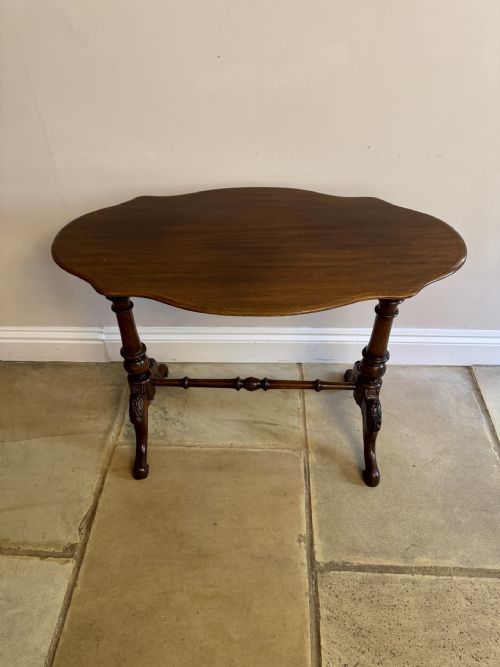
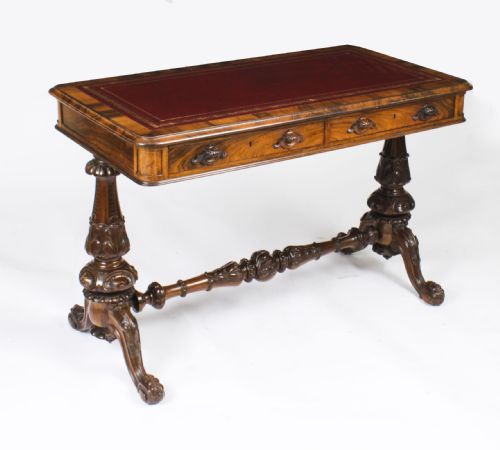
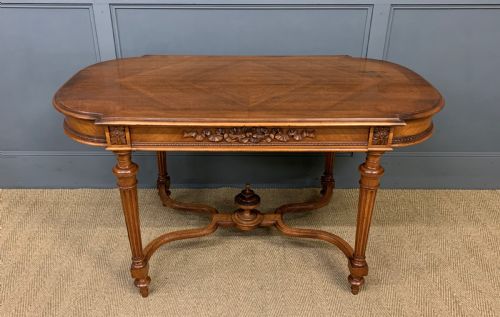
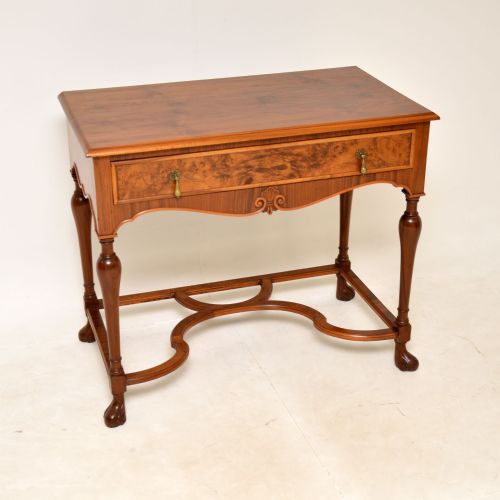


Carved Walnut Stretcher Table
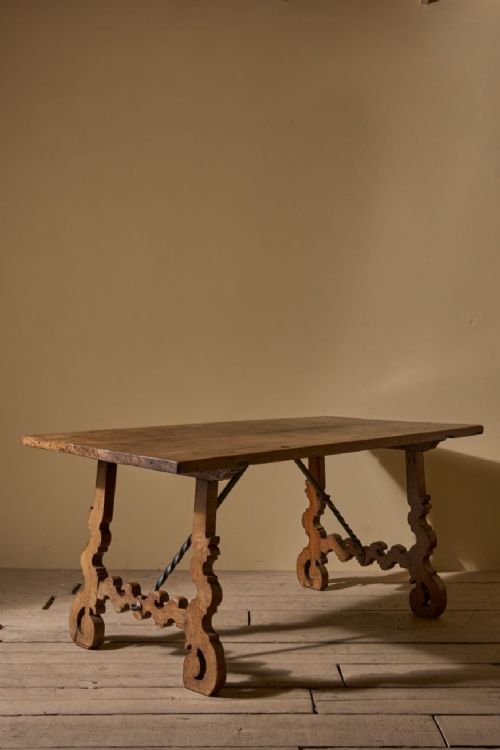
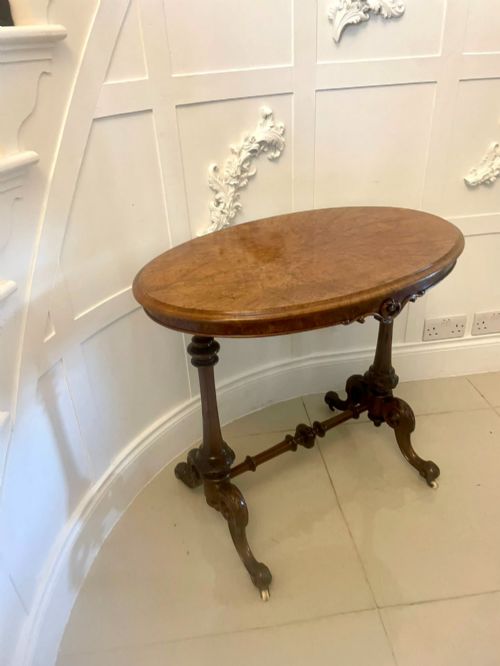
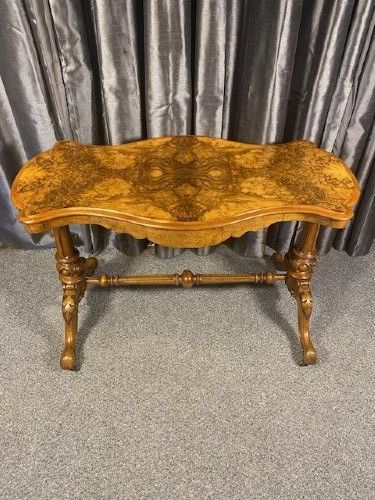
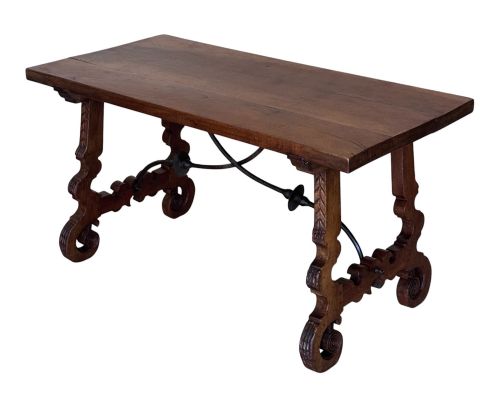
A carved walnut stretcher table delivers robust architectural form and rich timber grain, serving as a striking centrepiece in any interior.
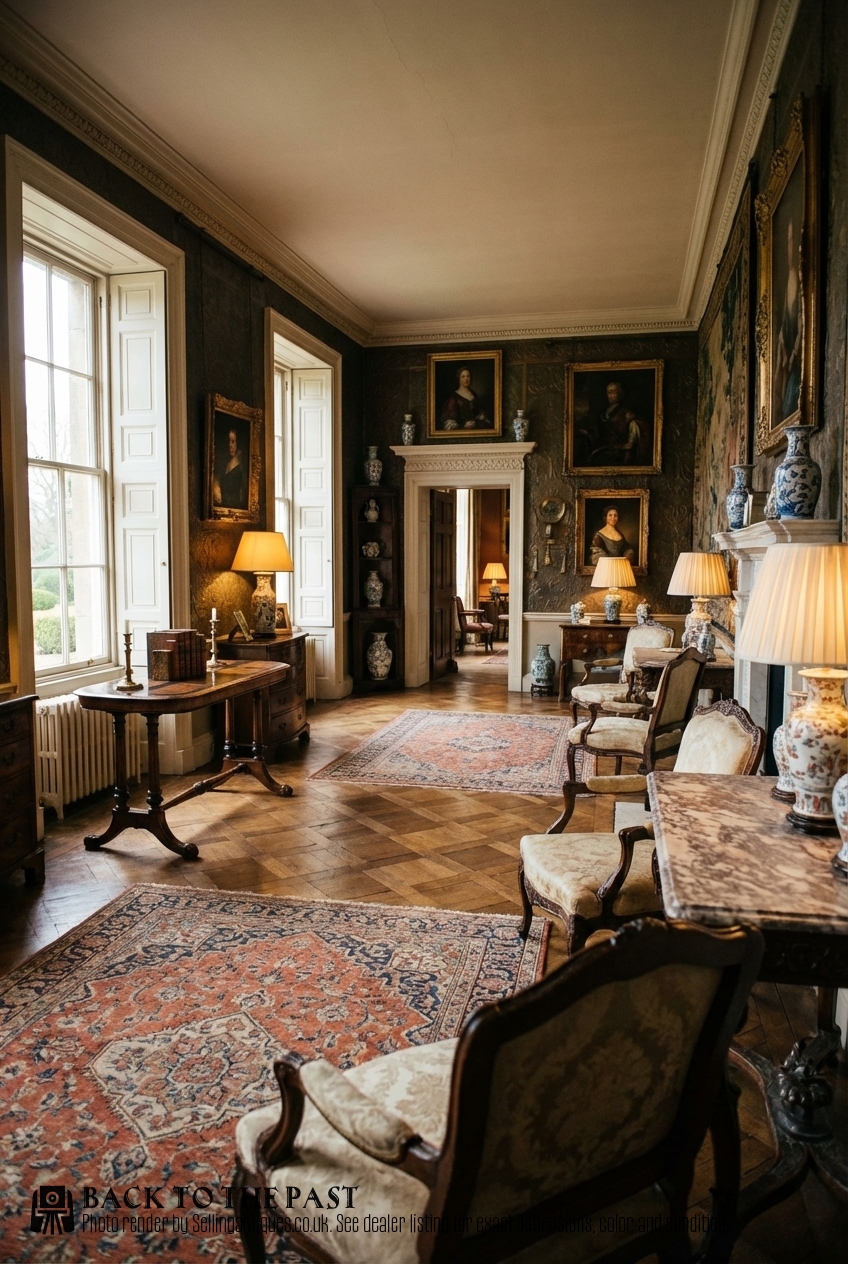
Carved Walnut Stretcher Table
A carved walnut stretcher table is a substantial piece uniting structural timber bracing with ornamental woodcarving. When exploring this selection, buyers frequently encounter Victorian iterations featuring burr walnut veneers alongside Spanish and Italian examples from earlier centuries.
These pieces appear in various domestic roles ranging from compact occasional and lamp tables to expansive dining tables and libraries. The stretcher base below provides both rigid lateral stability and an extra surface for decorative carving.
Originating predominantly from British, French, Spanish, and Italian workshops, these tables reflect diverse regional aesthetics spanning the seventeenth through to the early twentieth century. The integration of a connecting stretcher marks the primary architectural commonality across these distinct geographic traditions.
Assessing quality and execution
Quality rests in the depth and sharpness of the hand carving and the selection of highly figured burr walnut veneers. Superior examples display balanced proportions where the stretcher base complements the scale of the top.
The integrity of the original timber patina and the precision of the joinery distinguish master cabinet work from standard production. Finer pieces maintain structural rigidity without relying on excessive modern reinforcement.
Current listings demonstrate walnut as the exclusive primary wood, frequently paired with brass, leather, and ceramic elements across Victorian and earlier periods.
Edwards & Roberts·W J Mansell
The Carved Walnut Stretcher Table Glossary
- Stretcher
- A horizontal timber rail connecting the legs of a table to provide lateral stability. These structural elements frequently receive elaborate carving in Renaissance and Victorian revival designs.
- Burr Walnut
- A distinctive wood veneer harvested from the wart-like growths on walnut trees. It yields swirling, highly decorative grain patterns prized by nineteenth-century cabinet makers.
- Centre Table
- A freestanding table designed to be viewed from all sides rather than pushed against a wall. These items often feature finished backs and detailed carving around the entire perimeter.
- Library Table
- A large, sturdy table equipped with drawers, historically utilised for reading and writing. They typically offer generous proportions and robust timber construction.
- Console Table
- A decorative table fixed against a wall, frequently supported by front legs or brackets. Pairs of these tables often incorporate shaped marble tops and carved walnut aprons.
Carved Walnut Stretcher Table: Frequently Asked Questions
What is a carved walnut stretcher table?
A carved walnut stretcher table is a traditional form featuring a connecting timber rail between the legs for stability, embellished with hand carving. These pieces utilise walnut timber and appear in various configurations from library to centre tables.
Such tables serve as functional furniture and decorative focal points. Their architectural bracing allowed makers to construct larger surfaces without sacrificing rigidity.
Where should I place this table?
These tables adapt well to principal living spaces, entrance halls, and home studies as freestanding centrepieces or writing surfaces. Their finished sides permit placement away from walls where the carved stretcher remains visible.
Pairing a library or centre table with adequate clearance allows the architectural base to command attention. Console variations suit narrower transitional spaces against a wall.
How do I date a walnut table?
Dating relies on examining the construction methods, secondary timbers, and stylistic markers such as Victorian revival motifs or seventeenth-century Spanish baroque forms. The presence of hand-cut joints and original surface patination offers reliable clues to age.
Cabinet makers of different eras employed distinct veneering thicknesses and hardware styles. Comparing these details against documented period examples clarifies the timeline of manufacture.
How do I care for walnut furniture?
Maintenance involves keeping the timber away from direct heat sources and sudden humidity shifts to prevent veneer lifting and wood splitting. Regular dusting with a soft, dry cloth preserves the original polish and patina.
Avoid commercial silicone sprays that damage historic finishes. Occasional application of appropriate wax feeding helps nourish the walnut grain.