



Victorian Carved Entry Table
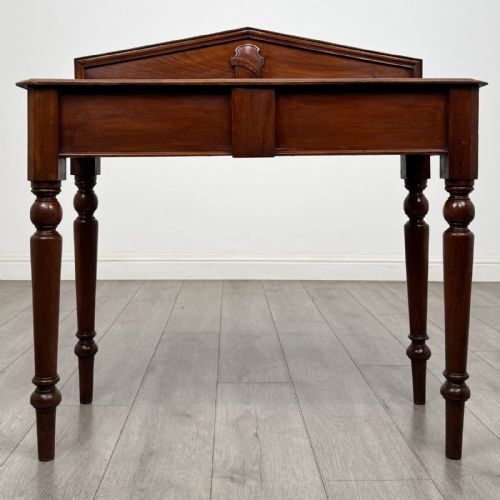
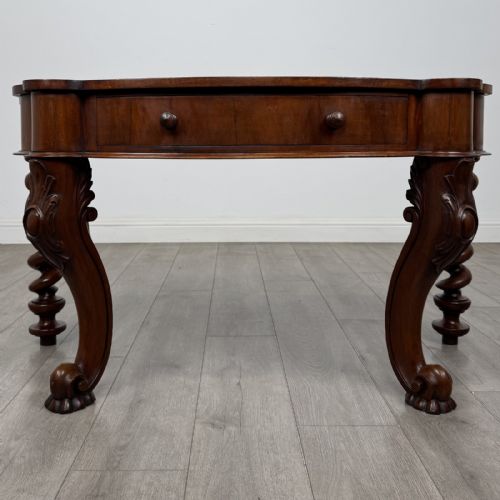
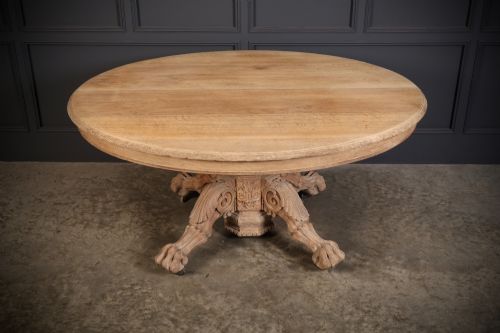
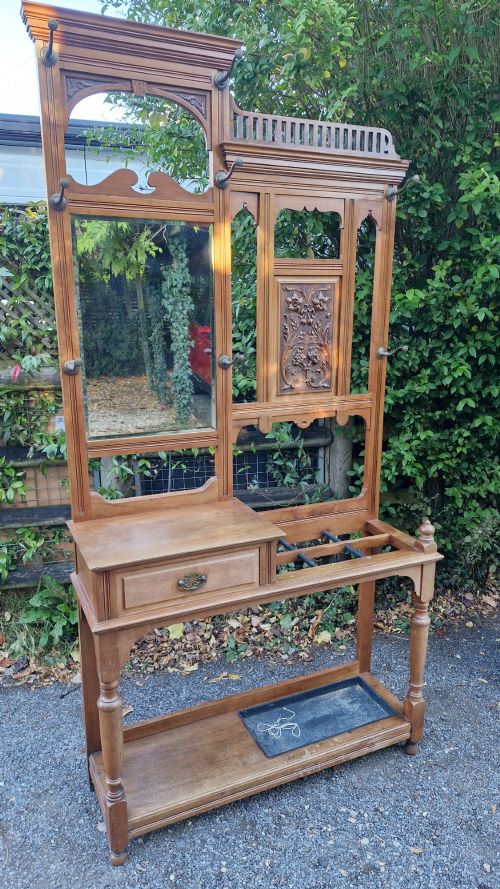
A victorian carved entry table brings formal presence to a hallway through solid timber, marble tops and detailed ornamentation.
Victorian Carved Entry Table
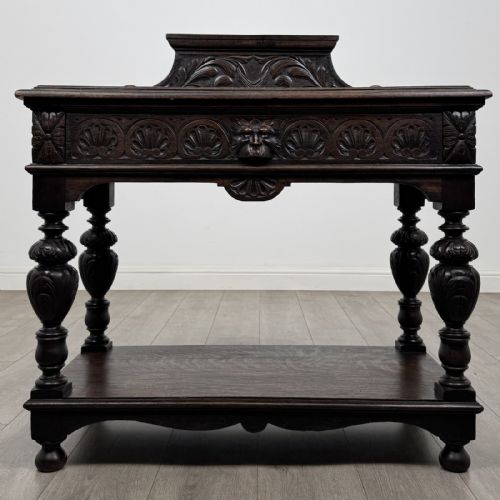
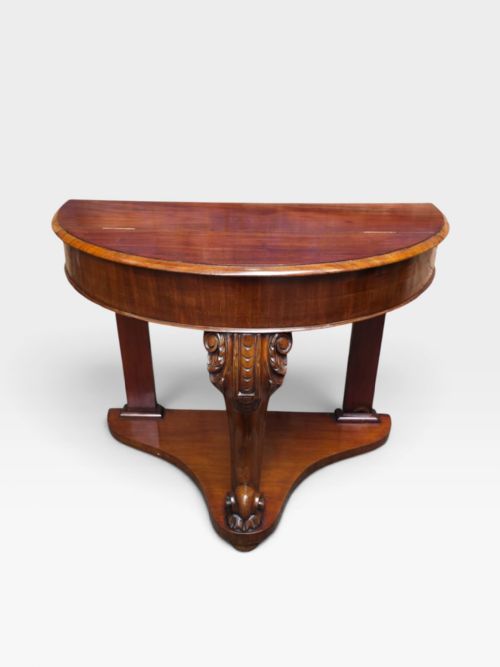
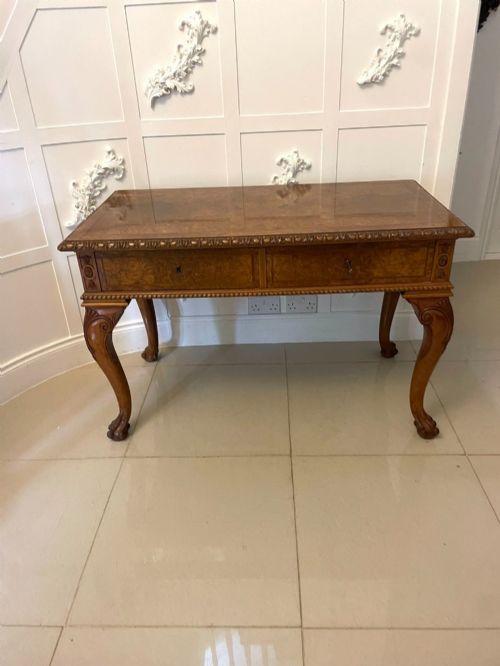
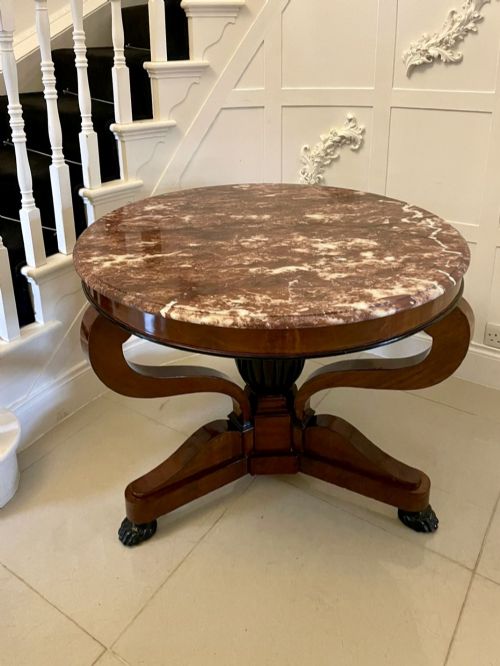
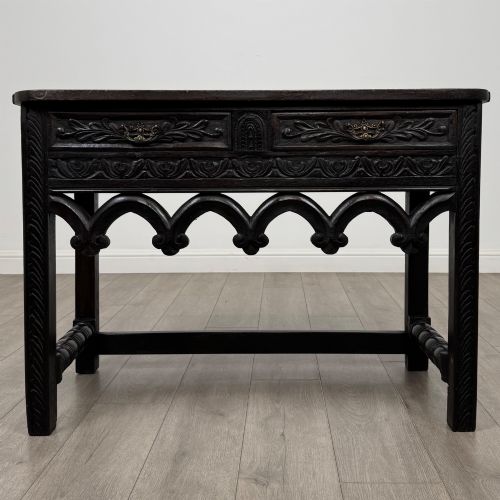
A victorian carved entry table encompasses console tables, hall tables, centre tables and pier tables designed for nineteenth-century hallways and reception rooms.
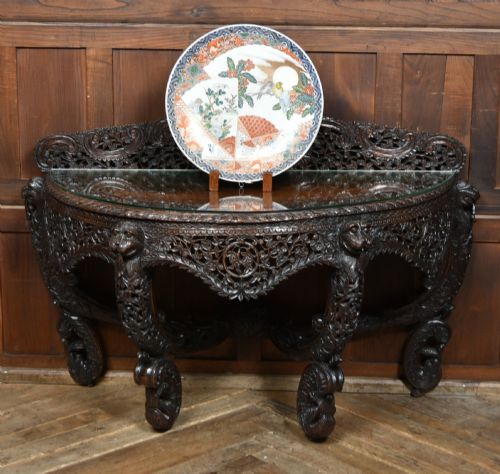
The selections span mahogany, walnut, oak and rosewood alongside specialised forms like the marble-topped gueridon or the half-round demi-lune table.
Variations reach into revival aesthetics including Gothic, Jacobean, Anglo-Indian and French styles reflecting the diverse tastes of the period.
Materials and Technique
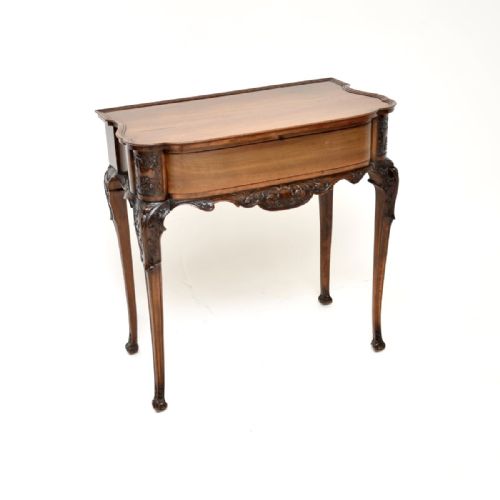
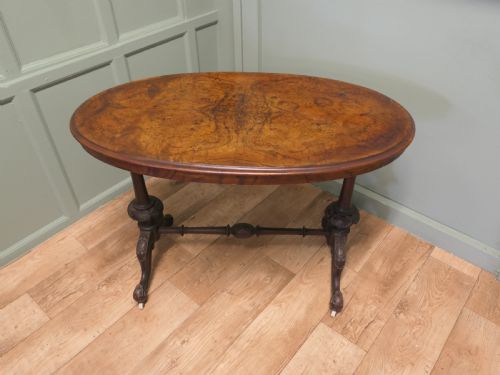
Cabinetmakers utilised dense timbers such as mahogany, walnut and oak, often finished with burr veneer or rich polished surfaces.
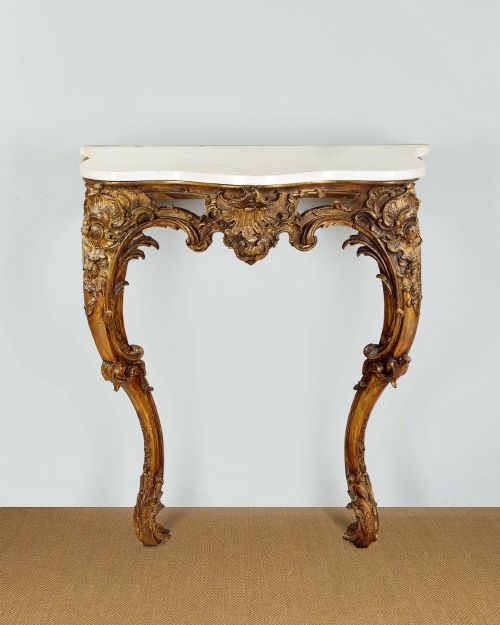
Slabs of white or coloured marble frequently form the inset table tops, paired with hand-carved wooden frames showing barley twists or rococo motifs.
Victorian Carved Entry Table Retail Price Guide 2026
Typical asking prices for victorian carved entry table among the pieces listed under this phrase on Sellingantiques today, from the lower quarter to the upper quarter. They describe what is for sale here now, not the wider market.
The available furniture dates from the nineteenth century, incorporating Victorian, William IV and various revival styles.
Distinctions of Craft
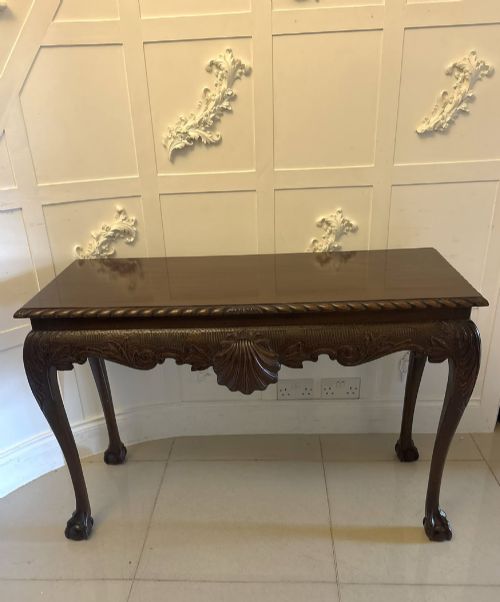
Superior examples display deep, crisp hand-carving on the timber mouldings and legs rather than shallow or mechanical shaping.
The selection of materials creates a clear tier, with figured mahogany, burr walnut and heavy marble tops marking out the finer specimens.
The Victorian Carved Entry Table Glossary
- Console table
- A table fixed to a wall or freestanding against it, historically designed for a hallway or drawing room. These pieces often feature decorative front legs and flat backs.
- Centre table
- A freestanding table intended to stand in the middle of a room rather than against a wall. They exhibit finished detail on all sides.
- Demi-lune
- A half-moon shape used for console and side tables designed to sit flush against a wall. This form saves floor space in narrow hallways.
- Gueridon
- A small round table, frequently with a marble top, supported by a central column or multiple carved legs. Originating in France, they serve as accent or display tables.
- Pier table
- A table designed to stand against the wall space between two windows, often paired with an above-console mirror. They share similarities with standard console tables.
Victorian Carved Entry Table: Frequently Asked Questions
Where should an entry table go?
These tables suit narrow hallways, landings and reception rooms where floor space permits a freestanding or wall-backed surface.
Console and demi-lune shapes align flush against walls to maintain clear walkways while offering display space.
How do I clean marble tops?
Marble surfaces require simple wiping with a damp cloth and mild neutral soap to preserve the polish without scratching.
Acidic liquids such as lemon juice or vinegar should remain far from the stone to prevent permanent etching.
Are these tables freestanding?
Many console and centre tables stand independently on four legs, though historical pier tables sometimes relied partly on wall fixings for stability.
Checking the base construction reveals whether a piece requires wall attachment or holds its own weight.
What woods were used?
Cabinetmakers worked primarily in mahogany, walnut, oak and rosewood, occasionally applying burr veneer for decorative grain patterns.
Pine and pitch pine appear on simpler or regional examples intended for domestic service areas.