
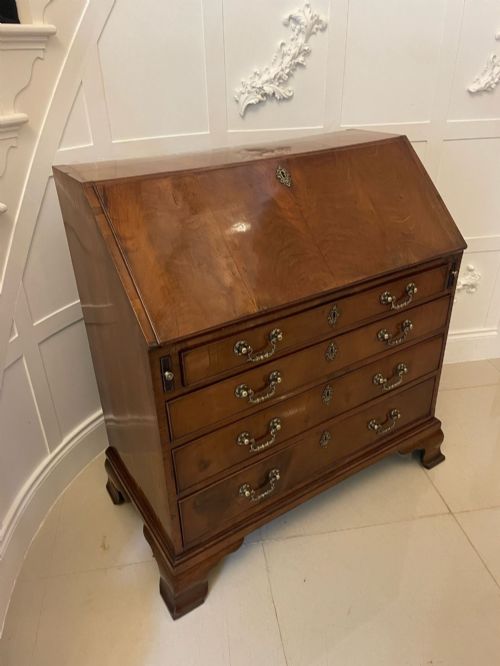
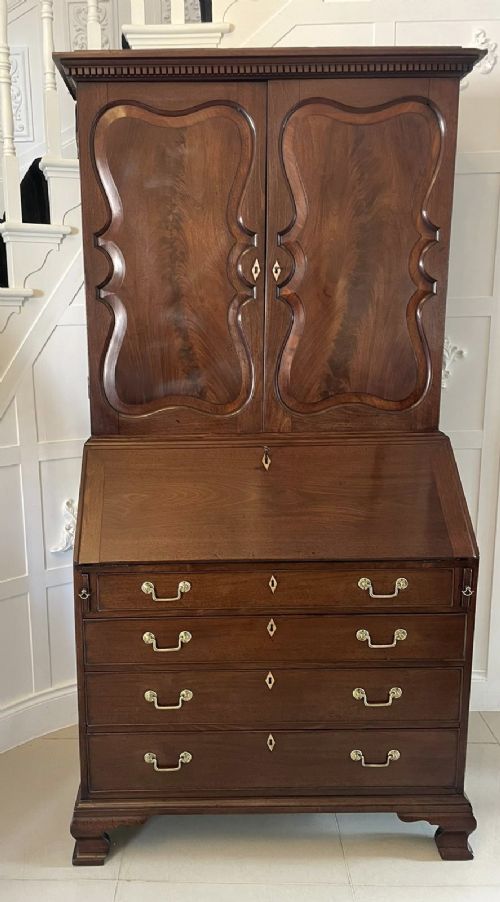
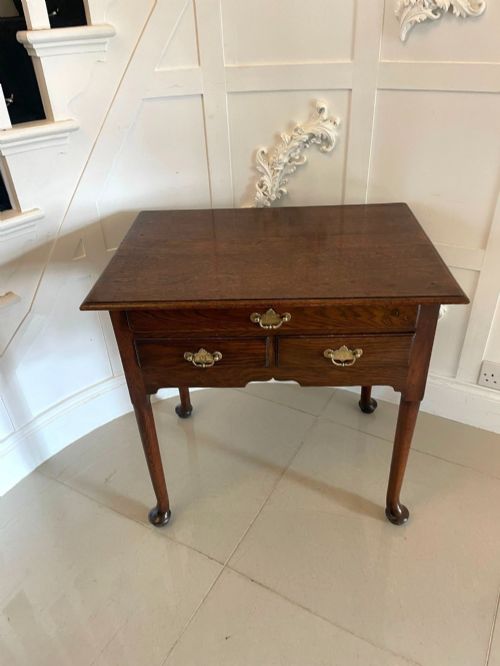
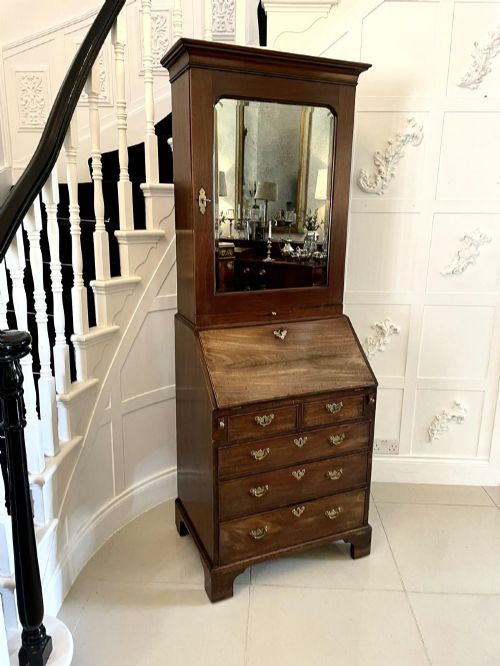

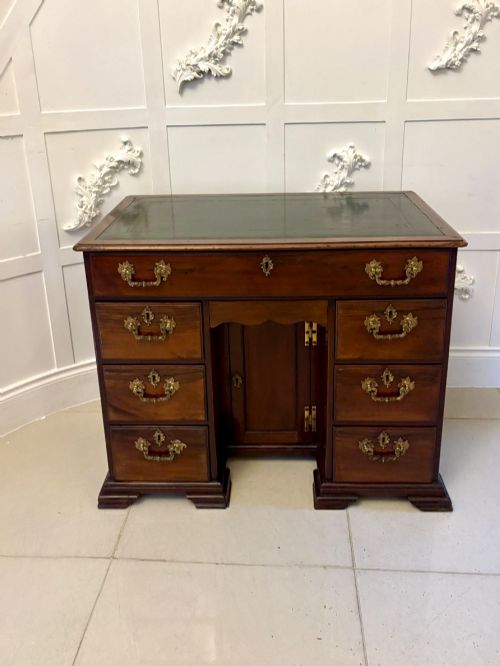
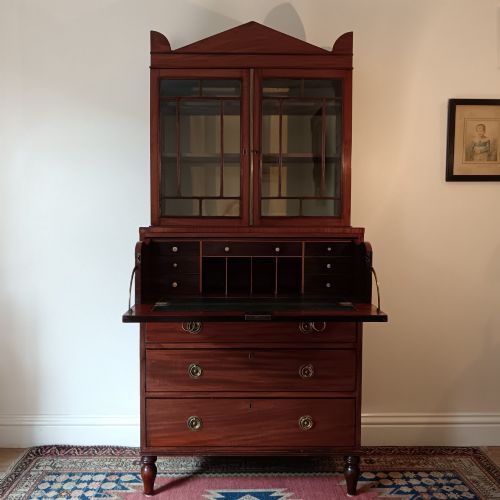
George I Writing Desk
A george i writing desk offers substantial period character and functional workspace, making it a prized centrepiece for any traditional study.
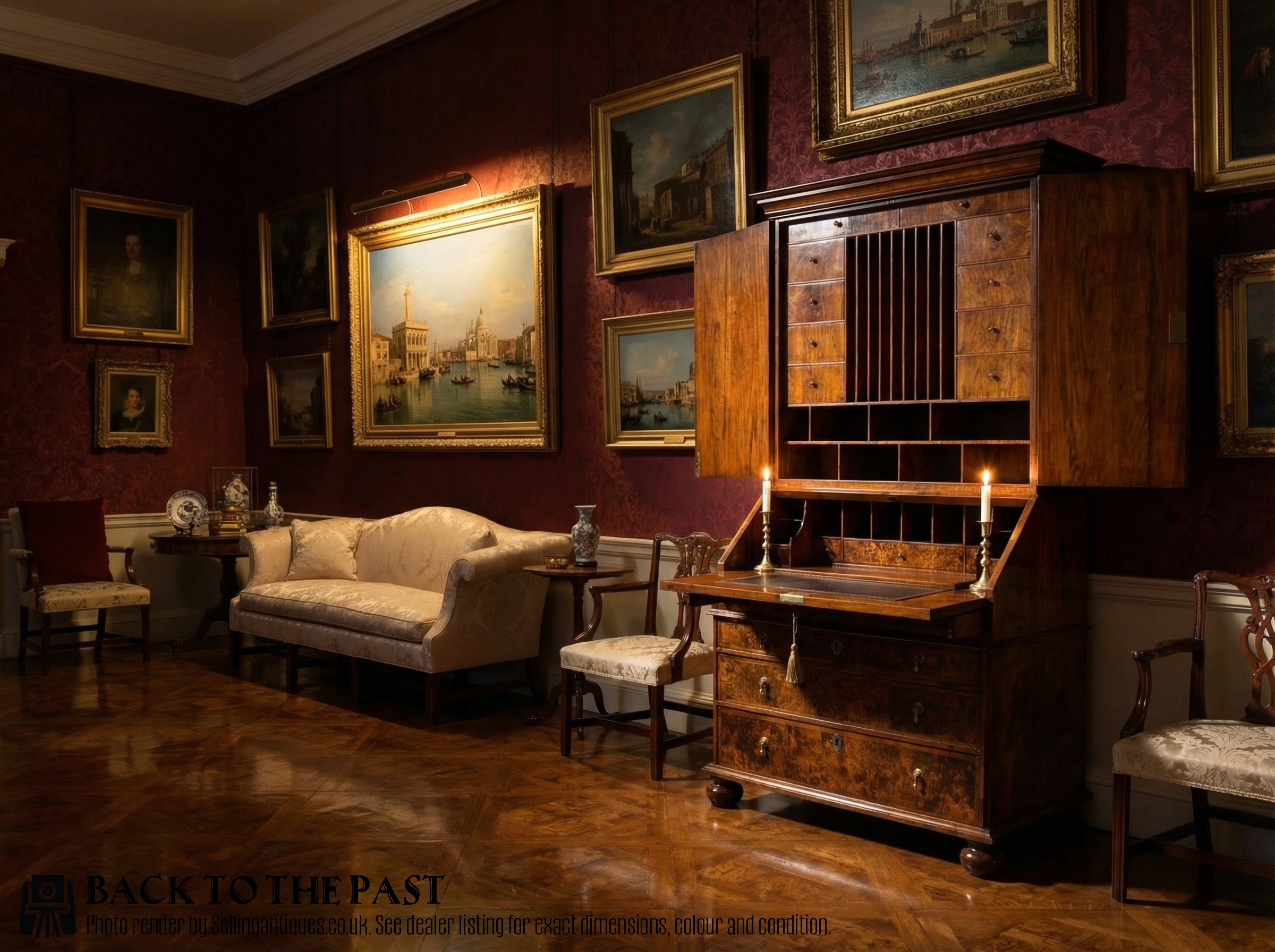
George I Writing Desk
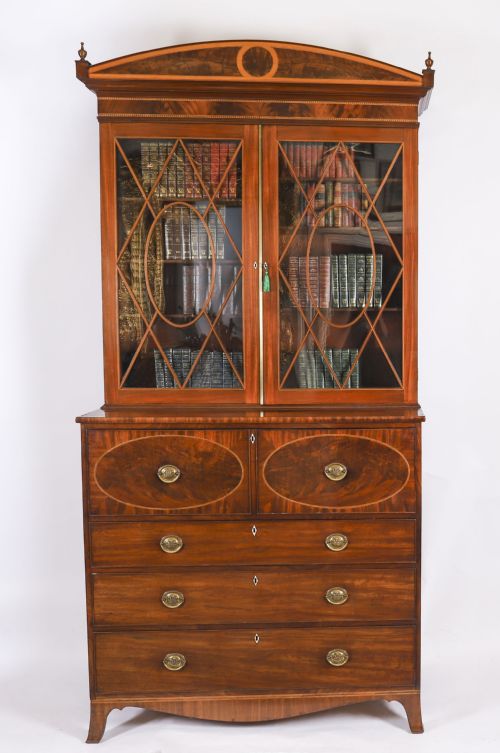
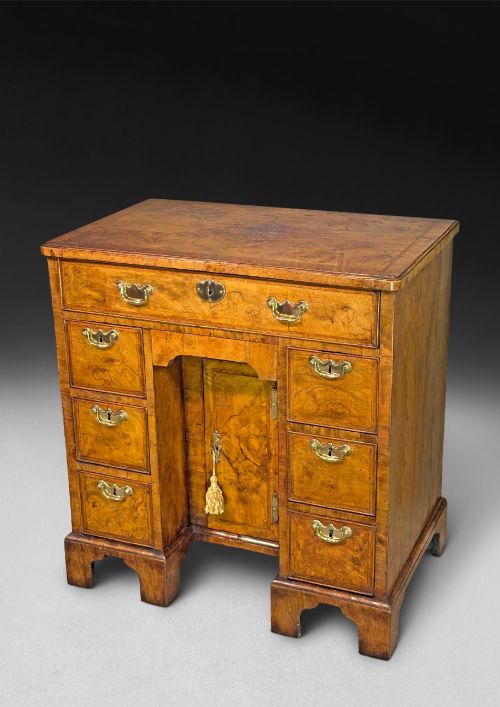
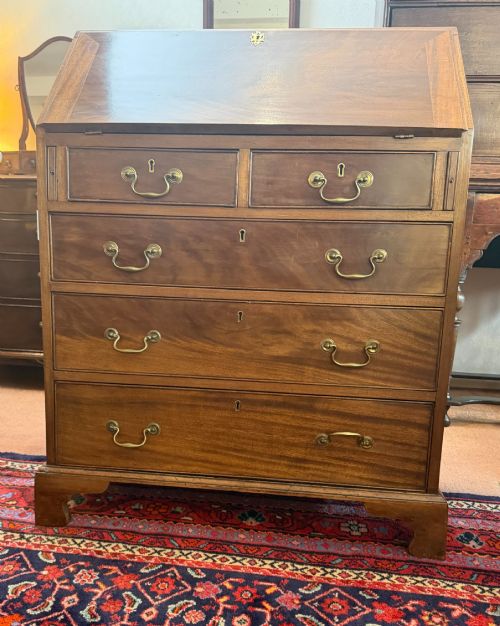
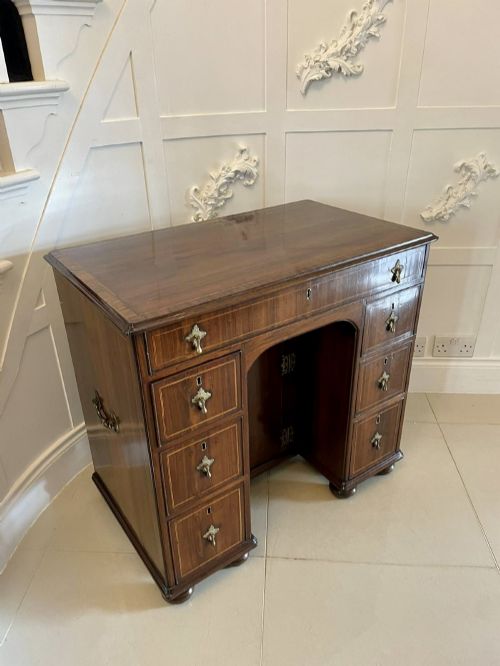
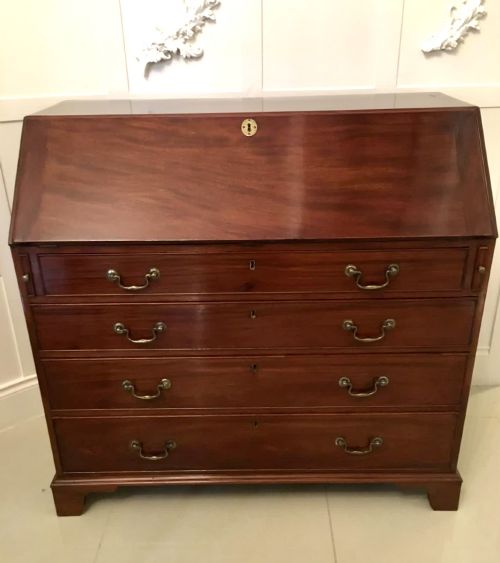
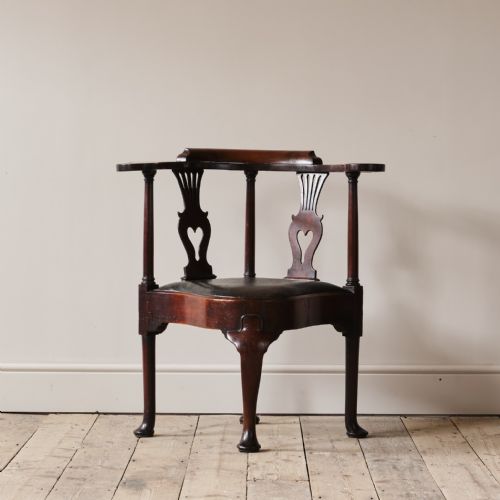
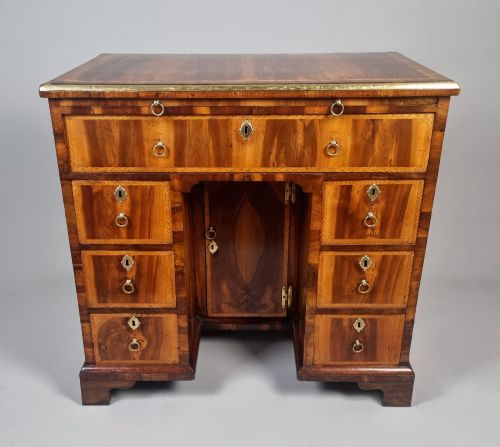
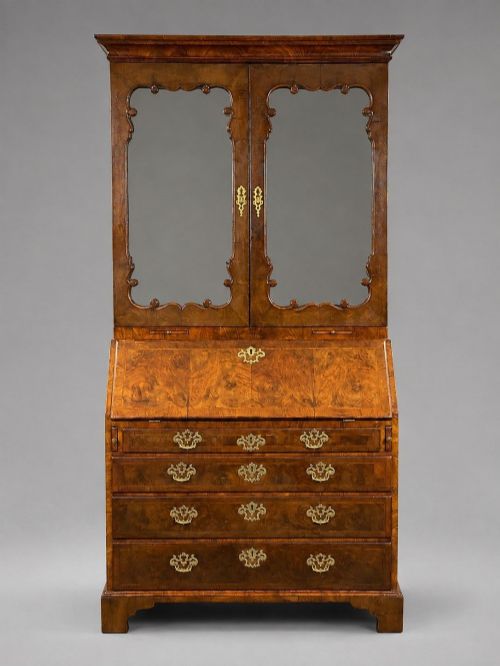
A george i writing desk embodies the architectural symmetry and refined proportions typical of early eighteenth-century furniture design. When searching for this specific phrase, buyers encounter various forms including kneehole desks, bureaux, and lowboys constructed during the Georgian era or later periods in faithful homage.
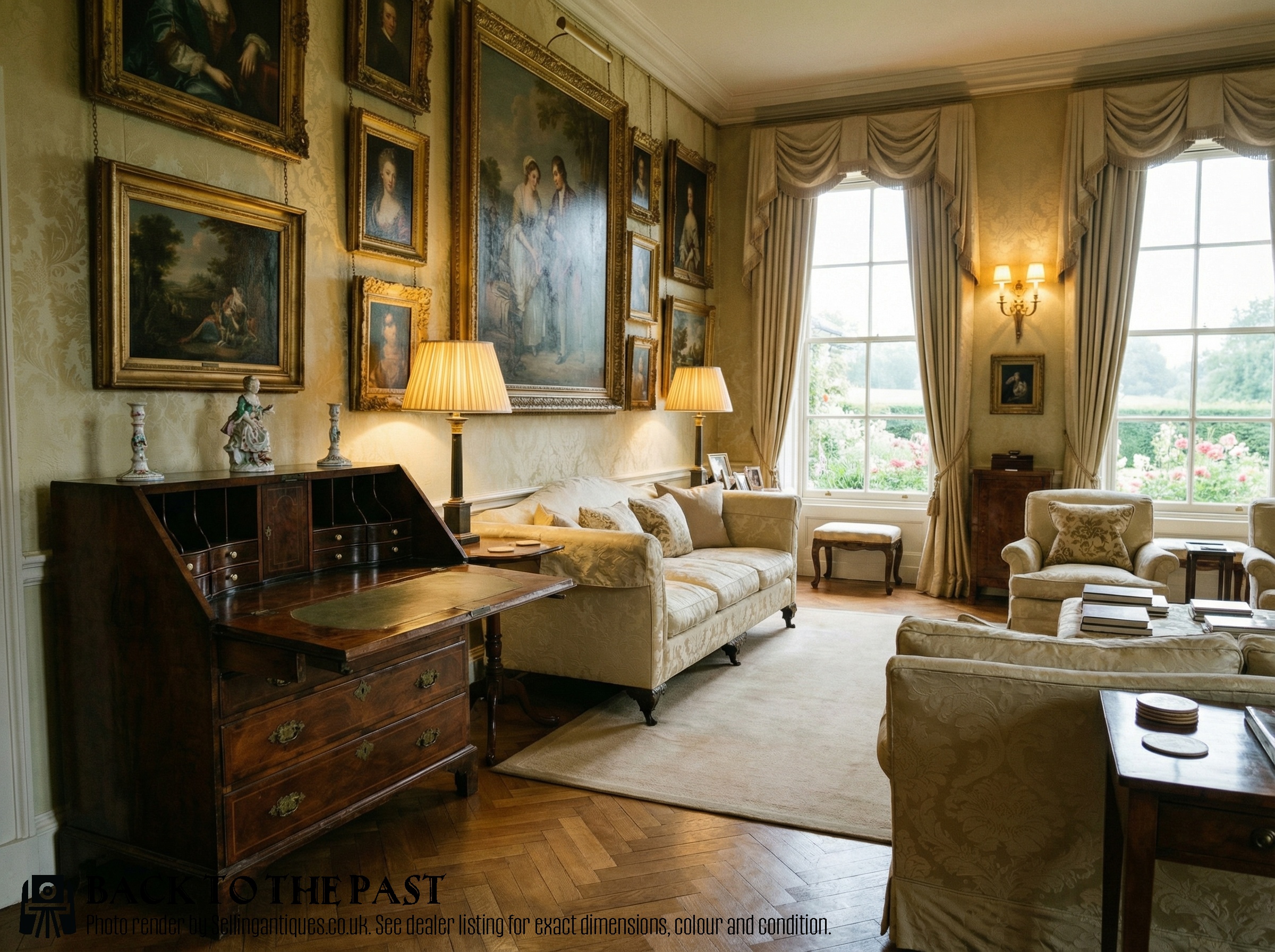
The characteristic walnut timbers, fitted drawers, and compact compartments reflect the domestic requirements of the period when writing furniture evolved for private correspondence and estate management. Surviving examples demonstrate how craftsmanship prioritized understated elegance alongside practical utility in the home.
Materials and Construction
Cabinetmakers constructed these pieces using dense hardwoods like walnut, oak, and mahogany, frequently applying figured veneers to create striking surface patterns. Joinery relied upon traditional dovetails for drawer construction and sturdy framing to support the weight of heavy timber tops.
Brass handles, escutcheons, and occasional candle slides completed the construction, utilising cast hardware that secured the operational compartments and enhanced the visual depth of the timber.
George I Writing Desk Retail Price Guide 2026
Typical asking prices for george i writing desk among the pieces listed under this phrase on Sellingantiques today, from the lower quarter to the upper quarter. They describe what is for sale here now, not the wider market.
Assessing Quality and Execution
Superior examples distinguish themselves through the choice of timber, particularly highly figured walnut or flame mahogany selected for symmetry and grain movement across the entire facade. The crispness of internal drawer divisions and the retention of original brass hardware elevate an example above standard production.
Execution of secondary timbers and the integrity of the structural carcass determine the longevity and historical authenticity of each piece, distinguishing master craftsmanship from simpler provincial workshop output.
George Oakley
The George I Writing Desk Glossary
- Bureau
- A sloping writing flap opening to reveal fitted interior compartments and pigeonholes above drawers. This form remains a staple of Georgian workspace design.
- Kneehole desk
- A freestanding desk featuring a central recess for the user flanked by pedestals of smaller drawers. This configuration provides concentrated storage in a compact footprint.
- Lowboy
- A small side table with one or more rows of drawers, frequently utilised as a writing or dressing surface. These low tables showcase fine leg joinery and skirt shaping.
- Escutcheon
- A protective plate surrounding a keyhole, usually cast in brass. It prevents the timber surrounding the lock from wearing away through frequent use.
- Veneer
- A thin layer of figured wood applied over a secondary timber base to create decorative patterns. Burr walnut and flame mahogany are typical examples.
George I Writing Desk: Frequently Asked Questions
What is a kneehole desk?
A kneehole desk is a compact writing table featuring a central recess flanked by columns of small drawers. This design maximises storage while offering a dedicated space to sit.
Such desks appeared frequently during the eighteenth century in walnut and mahogany, serving domestic studies and private chambers.
How do I identify walnut furniture?
Walnut furniture displays a rich, dark brown tone with complex grain patterns that often feature swirling figures. Eighteenth-century examples frequently utilise burr walnut veneers on primary surfaces.
Over generations, the timber develops a warm patina that helps distinguish genuine period pieces from later reproductions.
Where were writing desks placed?
Writing desks were traditionally positioned in libraries, private studies, or withdrawing rooms where estate management and correspondence took place. Many featured finished backs allowing them to stand centrally within a room.
Their placement reflected the rising importance of literacy and private administration in Georgian households.
Are these desks suitable for daily use?
These desks accommodate modern writing tasks and laptop usage quite comfortably, provided the working height suits the user. Their sturdy timber construction continues to withstand regular daily activity.
Proper placement away from direct heat sources helps preserve the antique veneers and polished finishes.