
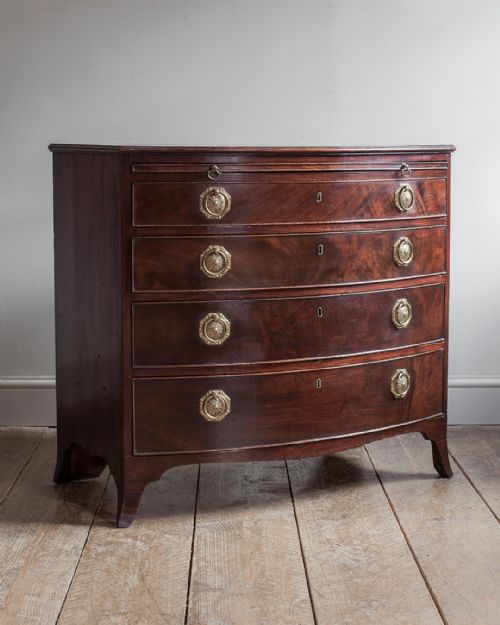
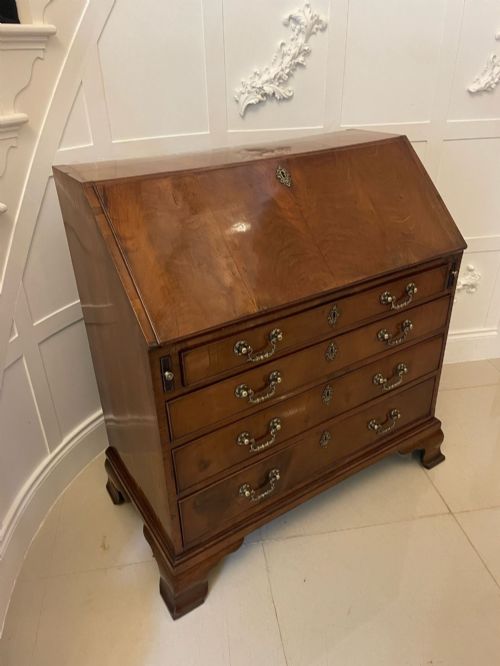
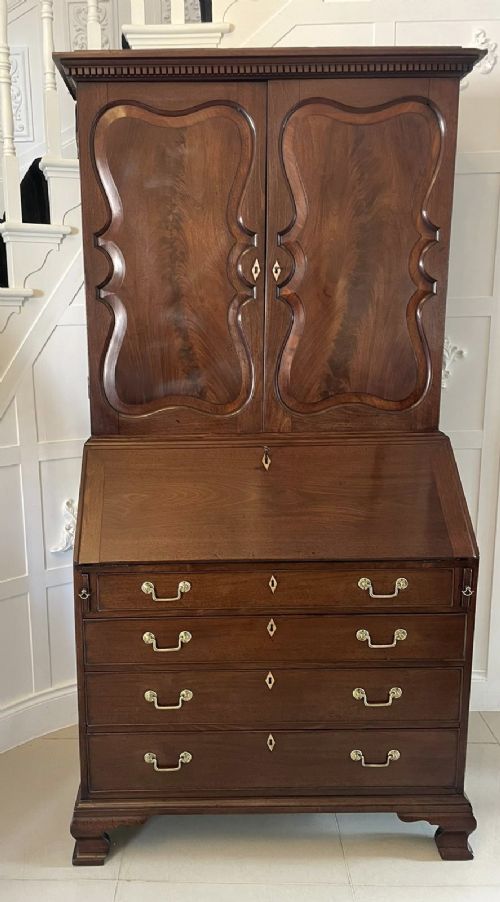
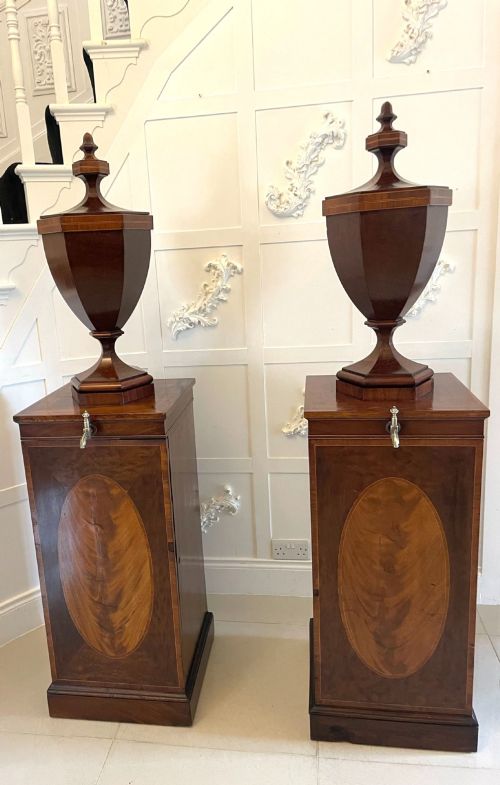
George I Cabinet
A george i cabinet brings sophisticated walnut timber and clever interior planning into a room, offering serious storage with domestic elegance.
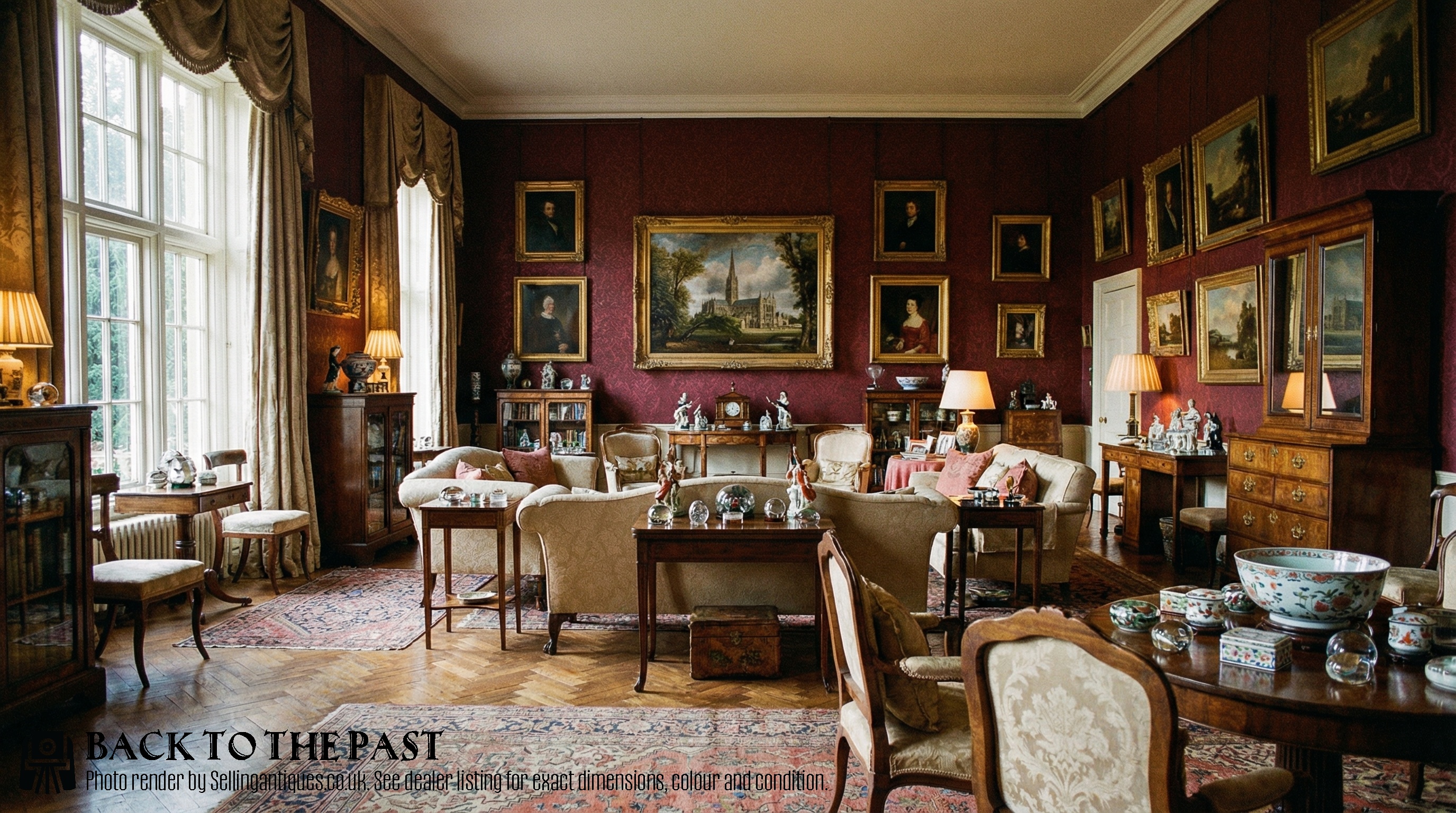
George I Cabinet
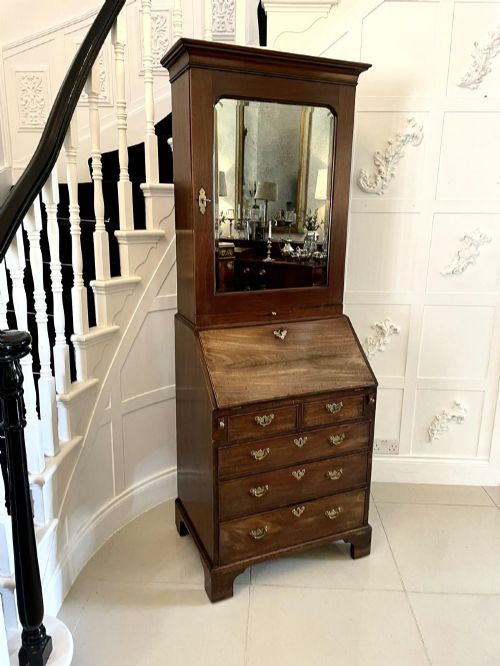
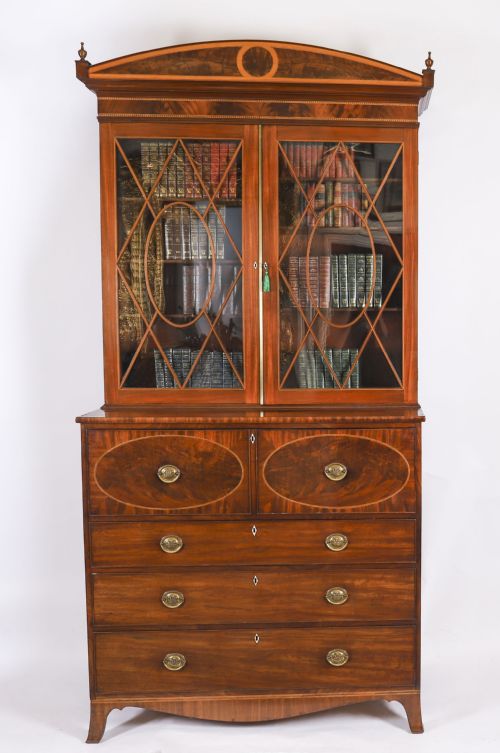
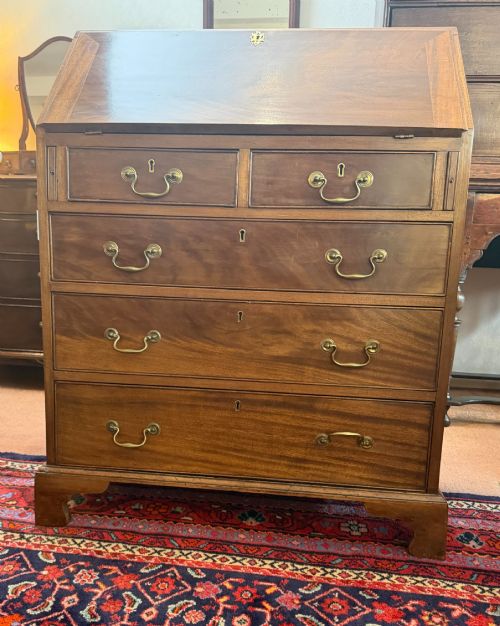
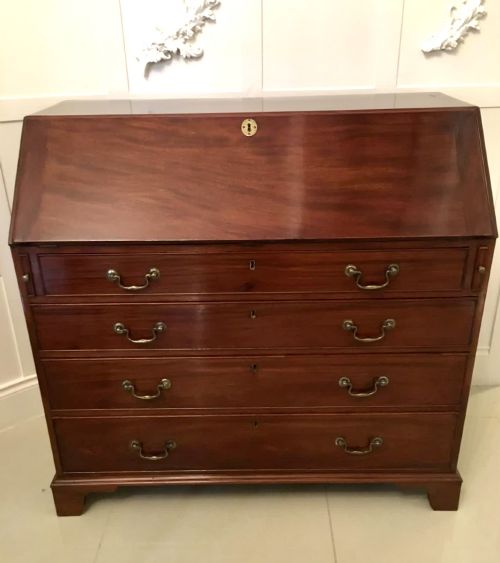
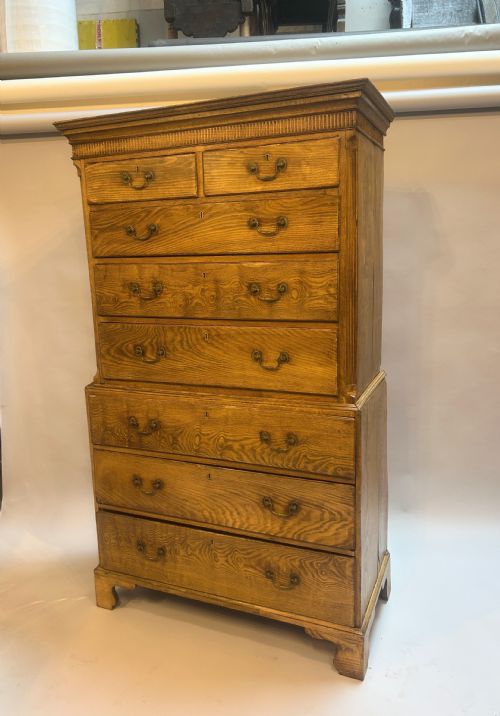
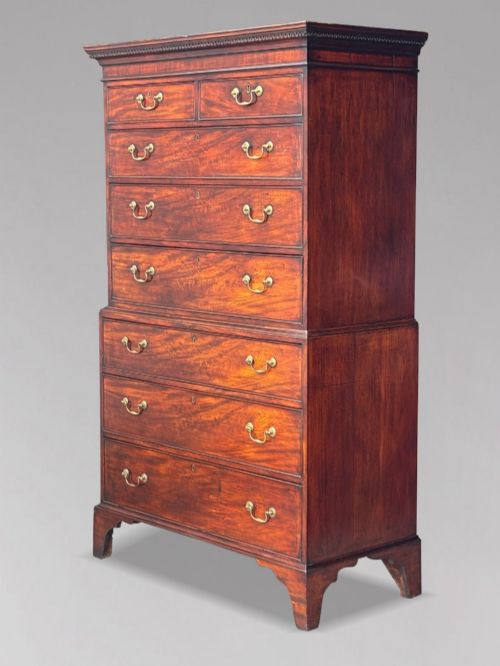
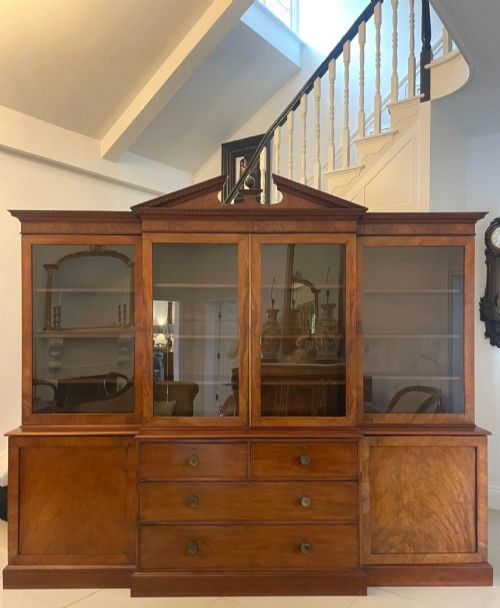
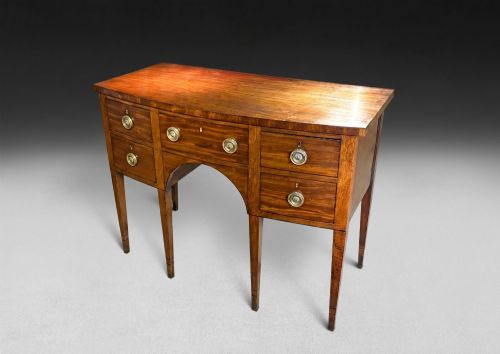
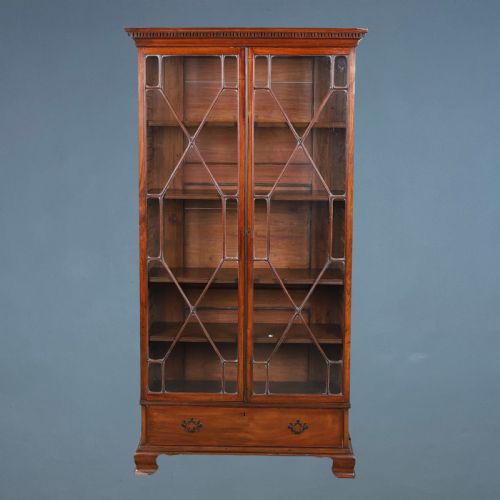
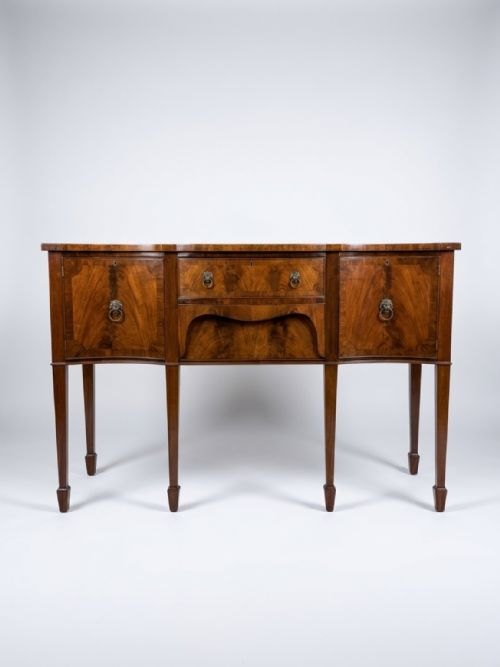
The selection on this page extends beyond the strict early eighteenth-century timeline to include later interpretations and related case furniture like corner cupboards and side cabinets. Walnut and burr walnut dominate the earliest examples, while mahogany forms become prevalent as the century progresses through subsequent reigns.
Materials and construction methods
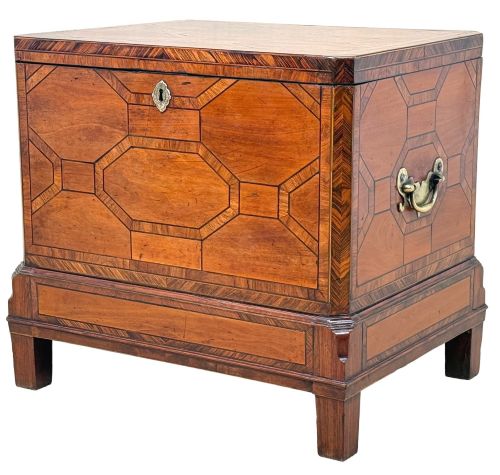
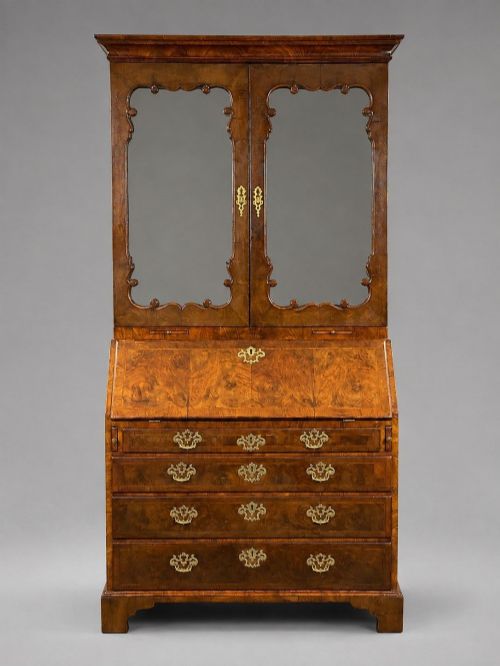
Cabinet makers utilised dense native timbers like oak for internal carcasing, applying fine veneers of walnut, burr walnut, and later mahogany to the primary surfaces. Cross-banding, feather-banding, and line inlay provide subtle geometric framing to drawer fronts and door panels without excessive ornamentation.
Joinery techniques relied on dovetailed drawer construction, panel-in-frame assembly for doors, and specialised internal fittings such as pigeonholes, sliding candle shelves, and secret compartments. Brass hardware, including drop handles and escutcheons, was cast and chased to complement the figured grain of the timber.
George I Cabinet Retail Price Guide 2026
Typical asking prices for george i cabinet among the pieces listed under this phrase on Sellingantiques today, from the lower quarter to the upper quarter. They describe what is for sale here now, not the wider market.
Listings feature walnut, mahogany, and oak across periods spanning the early eighteenth century to the late Victorian era.
Evaluating craftsmanship and condition
The standard of a george i cabinet depends heavily on the choice of timber veneer, where symmetrical figuring and rich honey tones elevate the piece. The integrity of the original polish, the crispness of internal drawer divisions, and the survival of original mirror glass or glazed door panes further distinguish superior examples.
Structural honesty plays a major role, noting whether cornice mouldings, bracket feet, and brass mounts remain intact without heavy restoration or timber replacement. Pieces retaining fully appointed fitted interiors with functional slides and original locks achieve higher standing among collectors.
Thomas Chippendale·George Oakley·Gillows·Coxed and Woster
The George I Cabinet Glossary
- Burr walnut
- A prized timber harvested from walnut tree growths, producing swirling, highly decorative grain patterns used for cabinet veneers.
- Bureau bookcase
- A two-part form featuring a sloping fall-front desk compartment below a shelved upper bookcase or cabinet section.
- Chest on chest
- A tall storage unit comprising a lower chest of drawers supporting a slightly narrower upper chest, also known as a tallboy.
- Candle slide
- A pull-out wooden board positioned beneath a desk flap or cabinet door to hold lighting fixtures.
- Stringing
- A thin inlay of contrasting wood used in straight lines to outline drawer edges and panel borders.
George I Cabinet: Frequently Asked Questions
What is a george i cabinet used for?
These pieces served primarily for storing household ledgers, correspondence, and valuable possessions in the principal rooms of large homes. Their fitted interiors and lockable doors kept private papers secure while displaying prized objects behind glass.
Today, owners utilise them in studies, living rooms, and hallways as functional focal points that provide substantial concealed storage alongside display space for books or ceramics.
How do I identify a george i cabinet?
Look for dense walnut timbers, feather-banded veneers, and architectural proportions that distinguish early eighteenth-century work from later Georgian styles. Details like candle slides, dished sunburst marquetry, and double-arched upper sections point directly to this period.
Examining the secondary timbers, such as oak drawer linings and hand-cut dovetails, helps confirm the age and construction methods typical of pieces made around seventeen-twenty.
Where should I place a george i cabinet?
Position walnut or mahogany case pieces against interior walls away from direct sunlight and heating vents to protect the delicate wood veneers from drying and cracking. Ensure the floor is level so that heavy doors and drawers align properly within their frames.
Allow adequate clearance around drop-front desks or pull-out slides to ensure comfortable daily use of the internal writing compartments and drawers.
How do walnut and mahogany pieces differ?
Walnut pieces generally date from the earlier eighteenth century, displaying rich brown tones and intricate burr patterns with cross-banded borders. Mahogany forms emerged later in the century, offering a harder surface, deeper reddish-brown hues, and suitability for crisp carved details.
Understanding this transition in primary woods helps collectors date individual items and trace the evolution of British cabinet making across successive reigns.