



Geometric Afghan Rug
A geometric afghan rug brings tactile warmth and tribal heritage to an interior through enduring patterns woven by skilled hands.
Geometric Afghan Rug
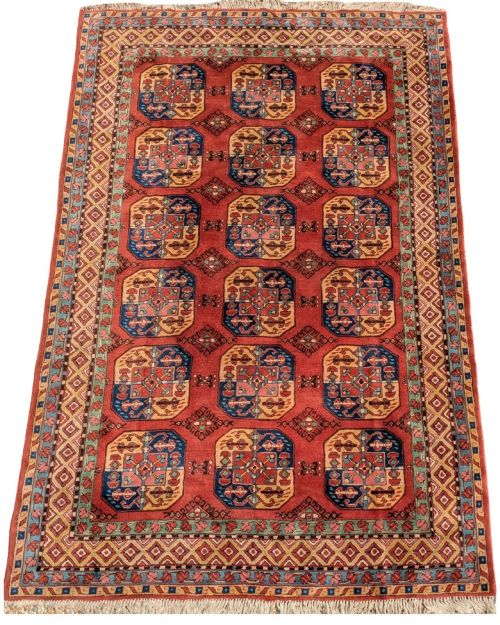
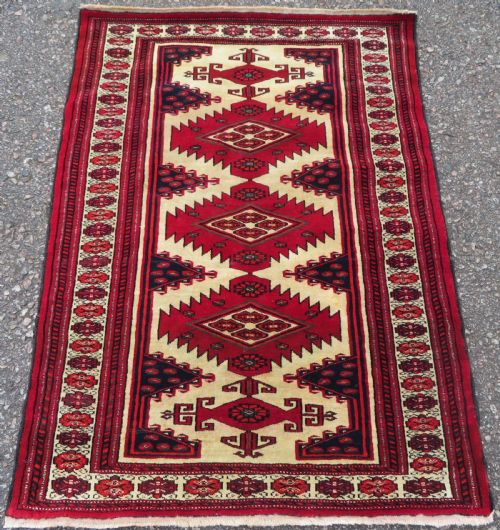
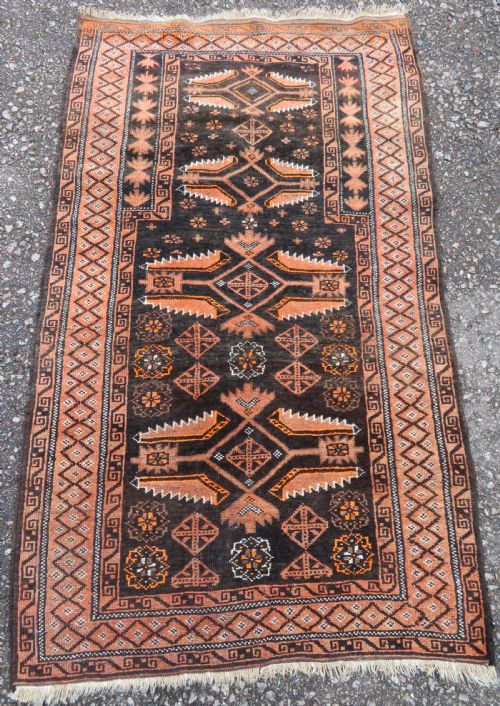
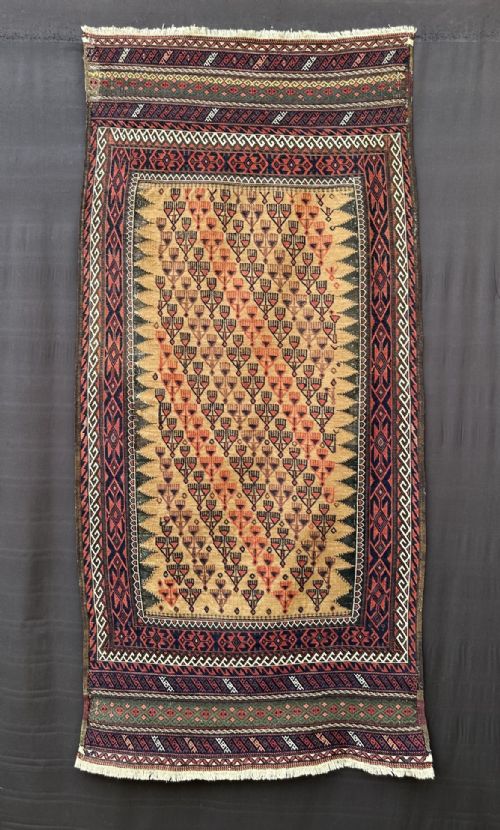
A geometric afghan rug embodies the traditional weaving practices of nomadic and village makers across the region. These floor coverings and textiles showcase structured motifs, repeating polygons, and tribal symbols passed down through generations.
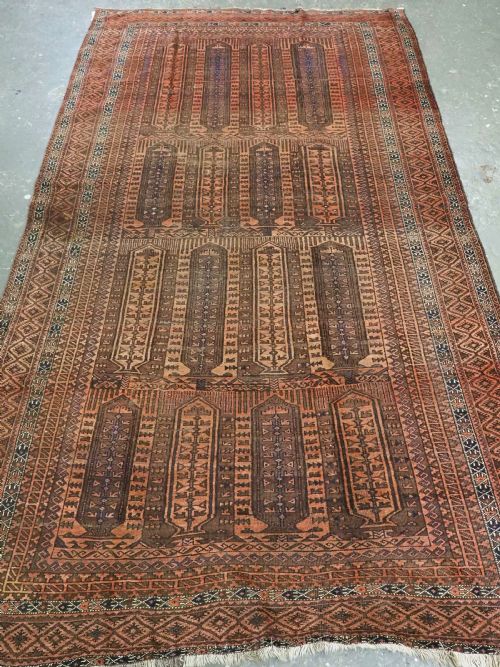
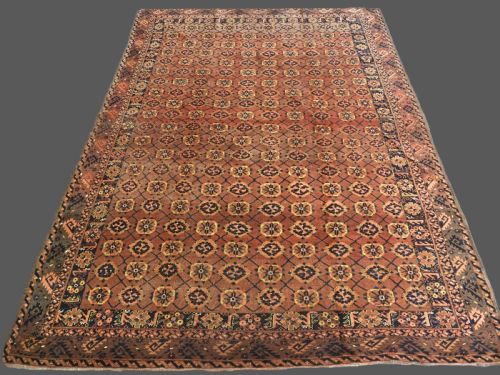
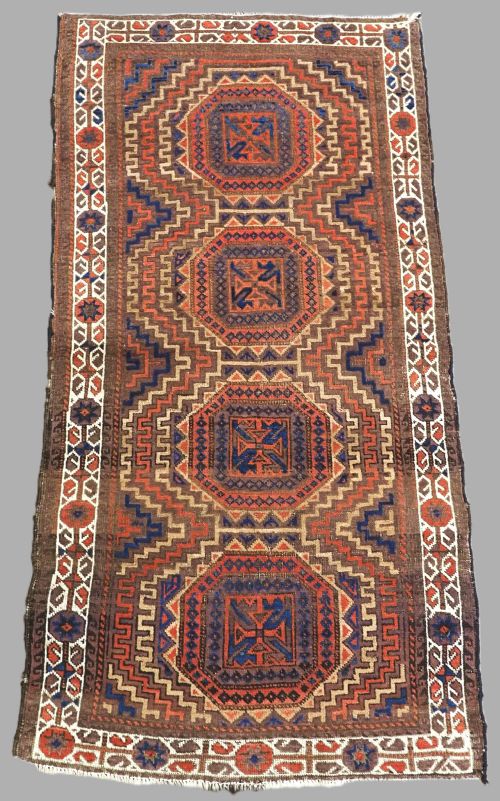
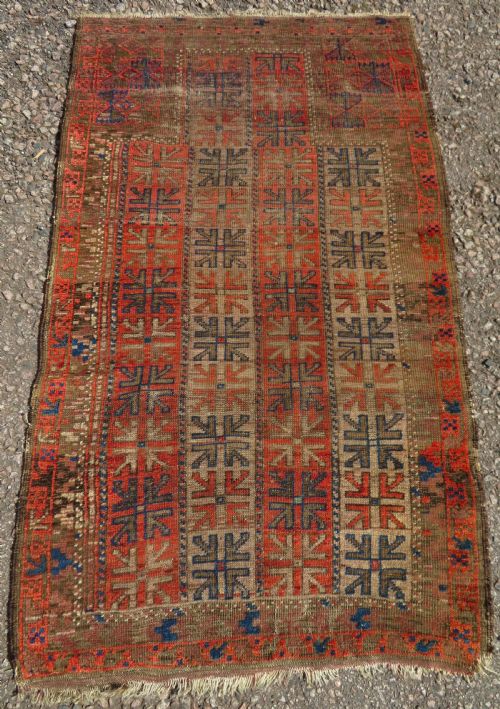
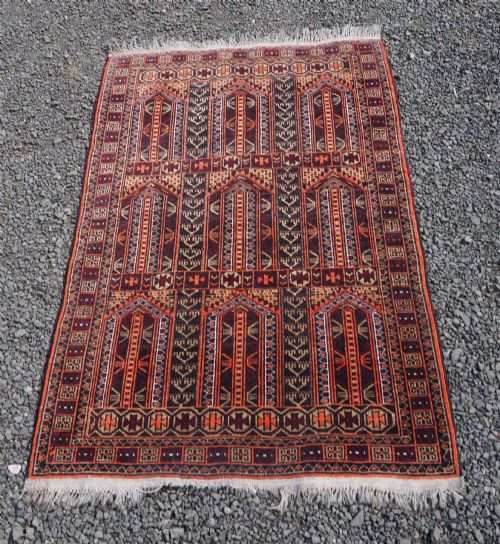
The pieces encountered on this page originate primarily from the late nineteenth century and the early decades of the twentieth century. Common forms include village carpets, prayer rugs featuring mihrab arches, storage bags, and long runners.
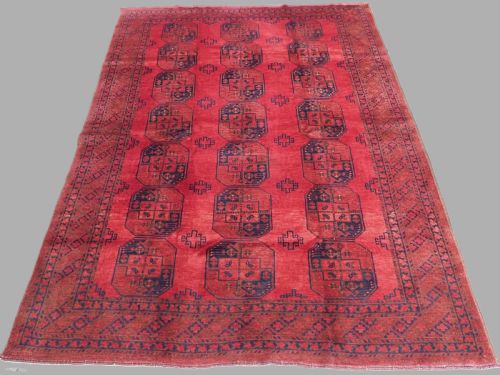
Tribal groups such as the Baluch, Ersari Turkmen, and Timuri produce distinct regional variations within this category. Each weaving group applies characteristic colour palettes and structural formats to their carpets and flatweaves.
How they were made
Weavers construct these textiles using hand-spun wool for the pile, often combined with cotton foundations and occasional goat hair details for added resilience. Natural dyes provide the underlying palette, yielding rich red tones, old gold hues, and deep earthy shades that age gracefully.
Makers employ traditional upright looms to knot or weave the wool yarn by hand into dense, durable fabrics. Flatweave techniques, such as kilim construction, appear alongside pile weaving to create varied textures across runners, rugs, and storage bags.
Object types range from large village carpets and prayer rugs to kilims, runners, and functional storage bags.
What varies in quality
The fineness of the knotting and the tightness of the weave dictate the structural integrity of an old textile. Tighter foundations support heavier foot traffic and maintain the crispness of linear patterns over decades of use.
The depth and harmony of the natural dye palette contribute significantly to the visual success of a piece. Subtle shifts in shade, often described as abrash, demonstrate the organic dyeing process and enhance the character of the wool.
The Geometric Afghan Rug Glossary
- Gul
- An octagonal or medallion-like motif frequently repeated across Turkmen and Afghan carpets. Each tribal group utilises distinct variations of this primary design element.
- Sofreh
- An eating cloth or dining spread woven by tribal groups for domestic use. These flatwoven or piled textiles often display geometric borders and field patterns.
- Abrash
- A natural variation in wool colour caused by differences in dye batches or hand-spun yarn lots. This tonal shading appears as horizontal bands across the rug.
- Kilim
- A flatwoven textile produced without a raised pile by tightly interweaving warp and weft threads. These pieces often serve as covers, rugs, or decorative bands.
Geometric Afghan Rug: Frequently Asked Questions
How do I clean an old wool rug?
Regular gentle vacuuming without a beater bar helps remove surface dust and loose particles from the wool pile. Professional specialist cleaning remains necessary for deeper maintenance to protect natural dyes and fibres.
Avoiding excessive moisture and direct sunlight preserves the integrity of the handmade foundation. Rotating the rug periodically ensures even wear across high-traffic areas.
Where were these tribal rugs made?
Nomadic and village weavers produced these textiles across the borderlands and settlements of Afghanistan and neighbouring regions. Different tribes, including the Baluch and Ersari Turkmen, worked within their own distinct stylistic traditions.
Local access to materials such as hand-spun wool and natural dye plants shaped the output of each specific weaving community. Geographic location heavily influenced the structural format and repeating motifs chosen.
What is the difference between a prayer rug and a carpet?
Prayer rugs feature a distinct niche or mihrab design at one or both ends, historically serving a devotional purpose. Their smaller dimensions suited individual use within nomadic tents or village homes.
Carpets span larger floor formats and display repeating overall patterns across the central field rather than a single directional niche. These bigger textiles anchor the layout of a room and withstand heavier daily wear.
How can I tell the age of a textile?
Examining the materials reveals clues about production eras, particularly the presence of hand-spun wool and traditional natural dye palettes. Irregularities in the weave and soft faded patinas often point to decades of historical use.
Certain structural formats and design layouts correlate with nineteenth or early twentieth-century manufacturing techniques. Comparing knot density and edge finishes provides further context for dating an individual piece.