


Antique Oriental Prayer Rug
An antique oriental prayer rug brings centuries of nomadic and village weaving tradition straight to your floor.
Antique Oriental Prayer Rug
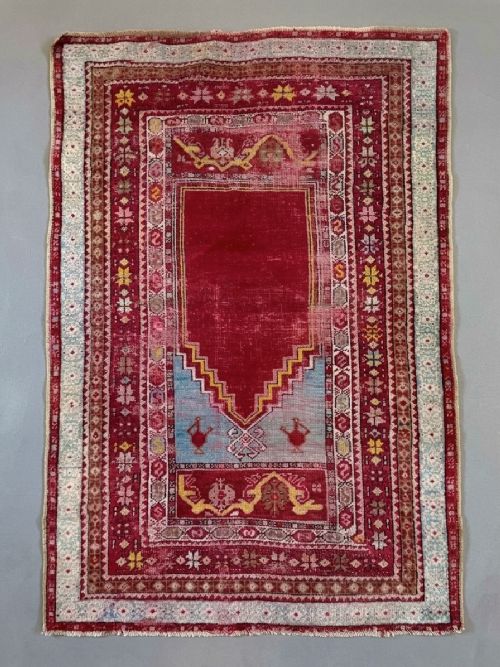
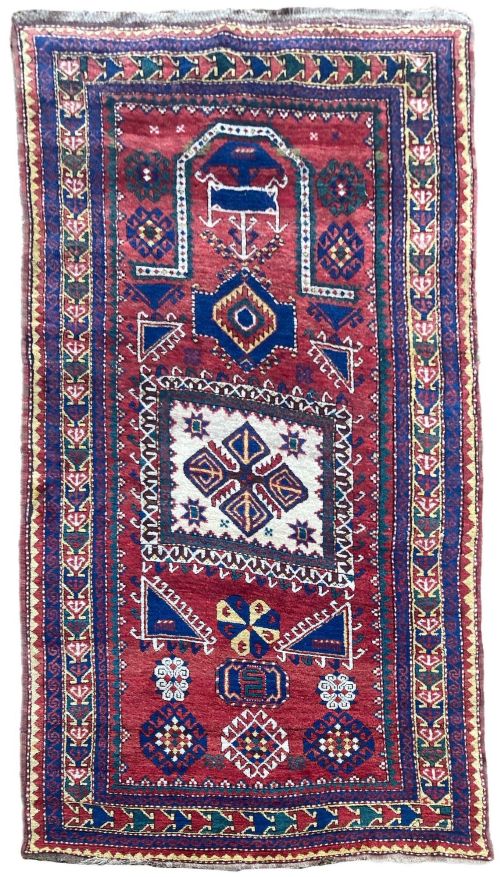
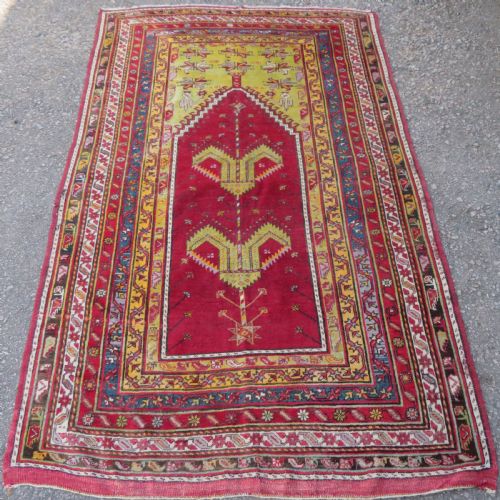
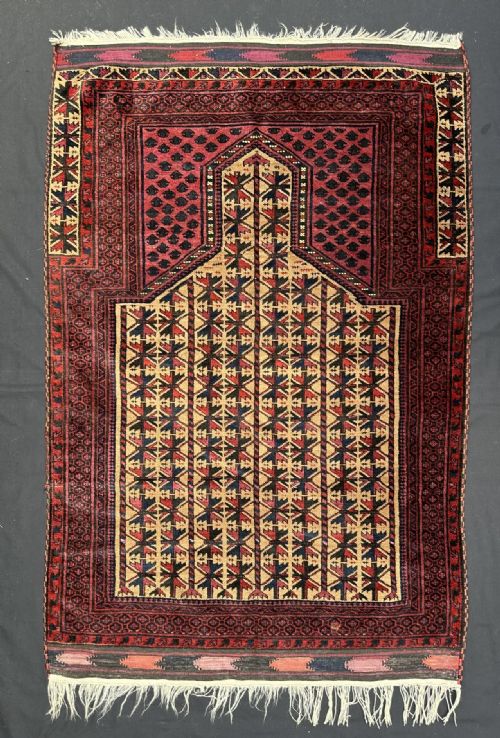
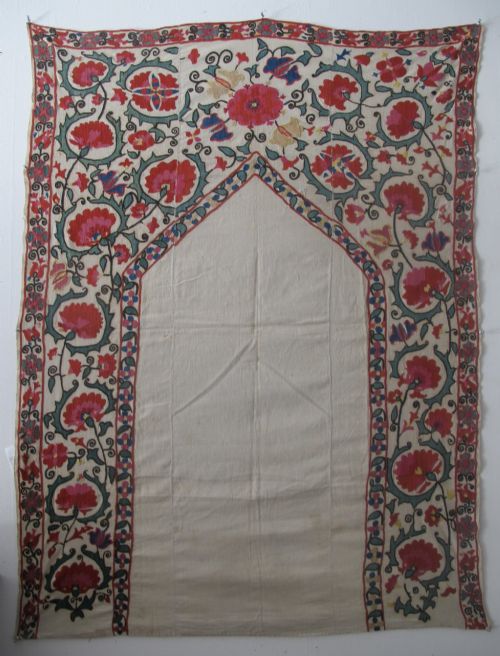
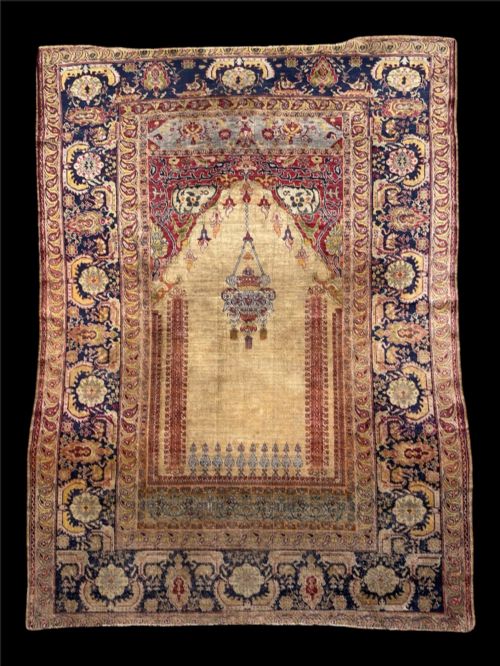
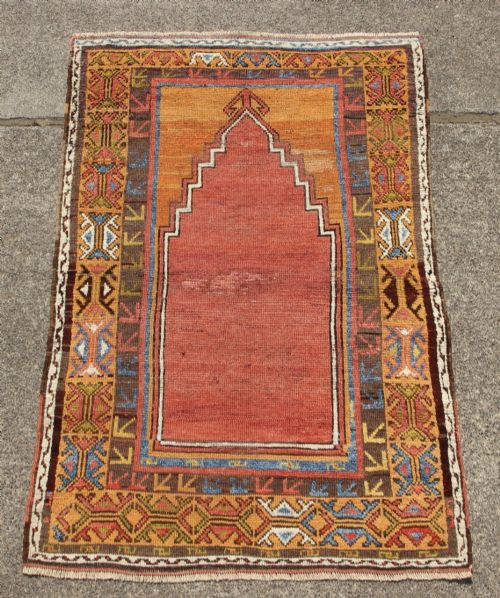
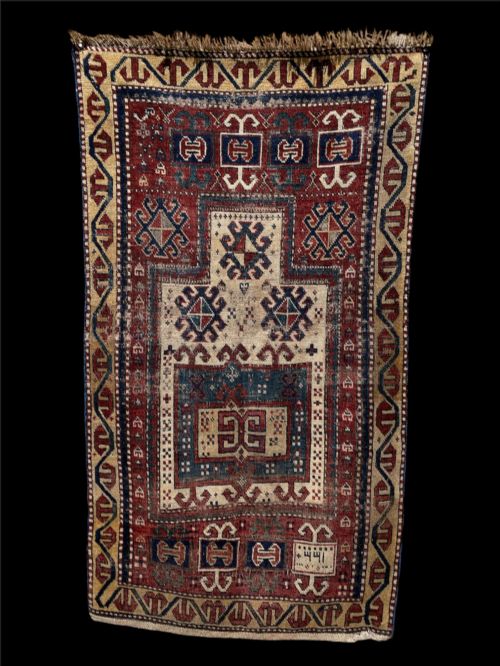
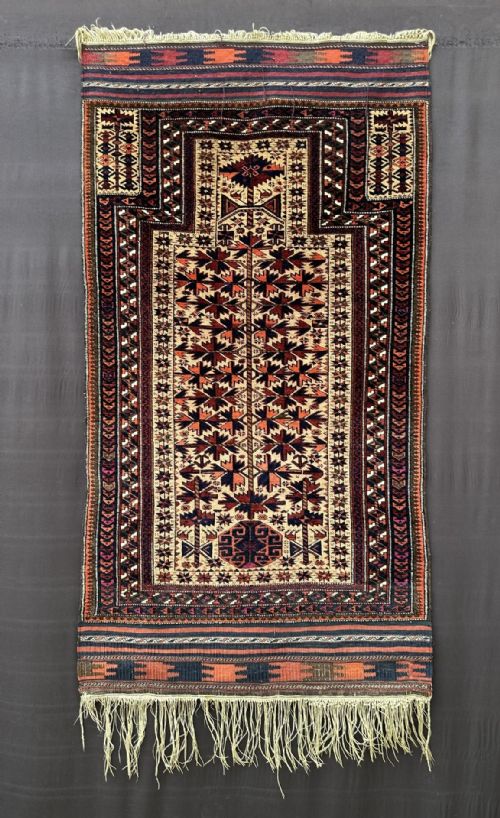
An antique oriental prayer rug is a portable woven space designed for personal devotion, defined by its characteristic architectural mihrab niche. When you browse this selection, you encounter tribal and village floor coverings originating from Caucasian and Central Asian weaving traditions.
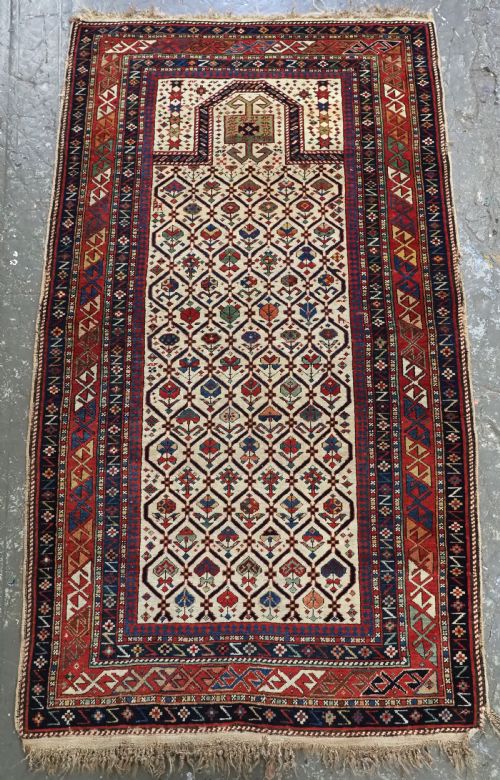
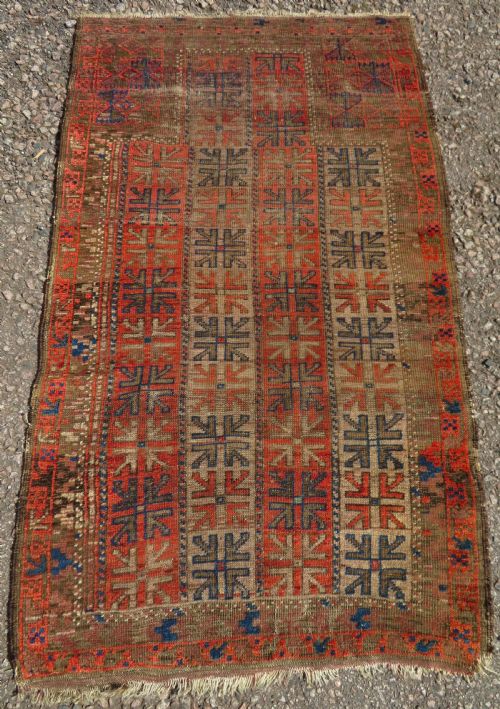
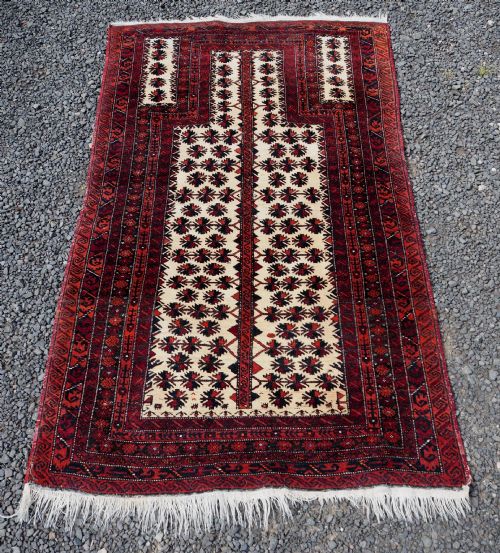
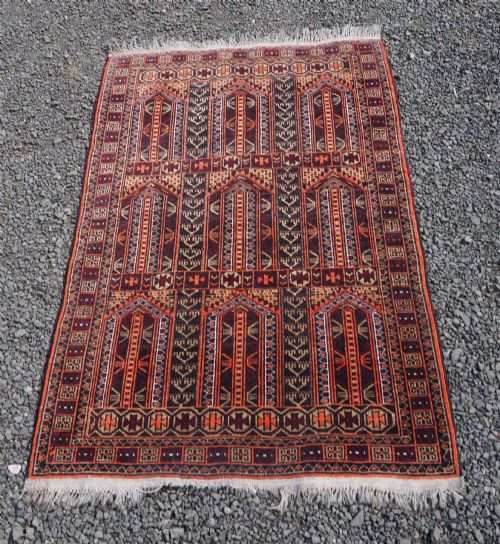
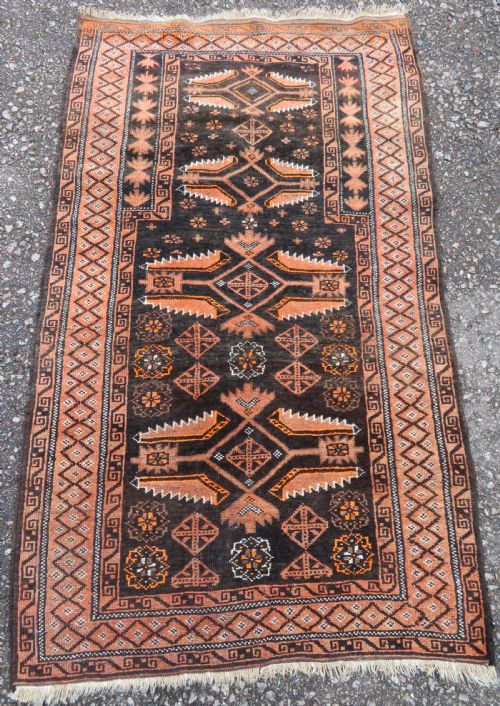
The pieces listed here span the late nineteenth and early twentieth centuries, capturing nomadic tribal, Caucasian tribal, and specific regional Baluch aesthetics. You are most likely to meet smaller format area rugs and nomadic prayer rugs showcasing repeat lotus leaf designs, ivory grounds with floral lattices, and scarce formats.
How they were made
These textiles rely entirely on traditional materials recorded as wool and cotton. Weavers knotted these natural fibres by hand on vertical or horizontal looms, creating dense pile surfaces meant to withstand daily kneeling and movement.
The construction methods reflect localized village and tribal practices from regions including the Caucasus and Central Asia. Artisans utilised durable local wool for the soft pile and foundation yarns, securing the structures with traditional hand-spun selvedges.
Antique Oriental Prayer Rug Retail Price Guide 2026
Typical asking prices for oriental prayer rug among the pieces listed under this phrase on Sellingantiques today, from the lower quarter to the upper quarter. They describe what is for sale here now, not the wider market.
Some nineteenth-century weavers thoughtfully added tiny hooked amulets into the borders to ward off mischief while someone knelt in prayer.
What varies in quality
Quality in these textiles rests upon the integrity of the design execution and the nuance of the regional motifs. Pieces range from standard tribal patterns to unusual formats and scarce compositions that demonstrate superior artistic ambition from the weaver.
The finesse of the wool pile and the clarity of specific motifs, such as repeat lotus leaf patterns or intricate floral lattices, separate standard village work from exceptional examples. The survival of original borders and the structural balance of the central field indicate the highest standard of tribal weaving.
The Antique Oriental Prayer Rug Glossary
- Mihrab
- The arched niche design at one end of a prayer rug that mimics the direction of prayer towards Mecca. It serves as the central focal point for the entire composition.
- Baluch
- A designation for rugs woven by nomadic and semi-nomadic Baluchi tribes residing across parts of Central Asia and Afghanistan. These pieces often feature deep madder palettes and wool foundations.
- Kazak
- A class of rugs woven in the southern Caucasus region, known for bold geometric designs and saturated primary colours. Bordjalou is a specific subtype associated with these Caucasian workshops.
- Pile
- The vertical surface of the rug formed by the cut ends of knots tied to the warp and weft threads. Wool pile provides the tactile texture and warmth of the textile.
Antique Oriental Prayer Rug: Frequently Asked Questions
How do I identify a Baluch prayer rug?
Baluch prayer rugs typically display deep, dark colour palettes dominated by indigo, brown, and madder red tones. They often incorporate repeat motifs like lotus leaves or geometric trees within compact formats.
These pieces originate from Central Asian and Afghan nomadic traditions dating from the late nineteenth and early twentieth centuries. Their wool construction and distinctive tribal styling set them apart from city-woven carpets.
Where were Caucasian prayer rugs made?
Caucasian prayer rugs come from the mountainous region situated between the Black Sea and the Caspian Sea. Villages and nomadic groups in areas like Shirvan and Kazak produced these distinct geometric and floral textiles.
Weavers in these communities utilised local wool to construct durable floor coverings with ivory grounds and intricate lattices. Each regional centre maintained its own distinct palette and geometric vocabulary.
How do I care for an antique wool rug?
Caring for an antique wool rug requires gentle, regular vacuuming without a beater bar to protect the delicate hand-knotted pile. Keeping the textile out of direct sunlight prevents the natural dyes from fading over time.
Professional cleaning tailored to antique oriental textiles ensures the wool and cotton foundations remain stable. Allowing air circulation beneath the rug also protects the natural fibres from moisture accumulation.