


Brown Wool Afghan Rug
A brown wool afghan rug brings rich tribal character into a room through deep earthy tones and enduring hand-knotted structures.
Brown Wool Afghan Rug
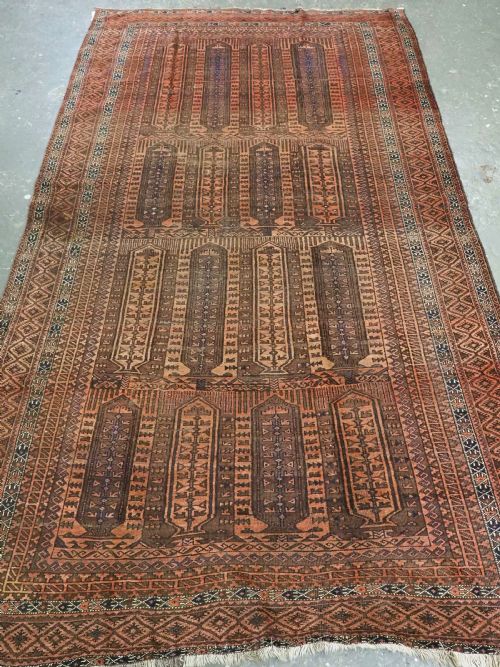
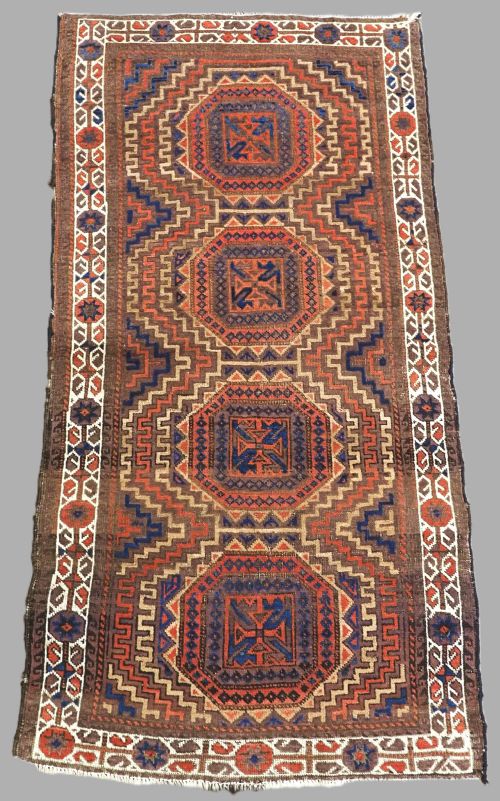
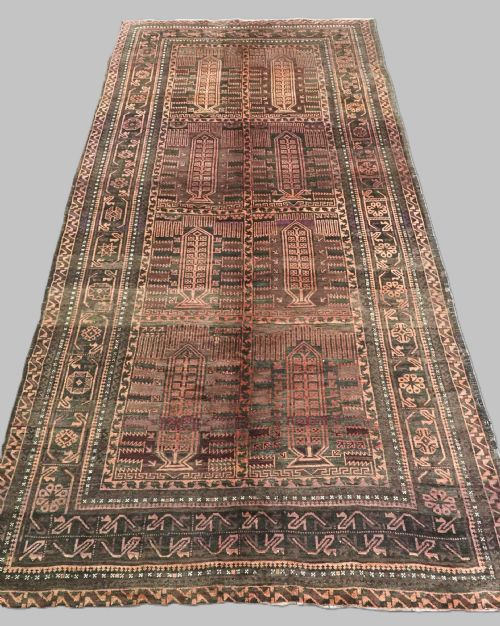
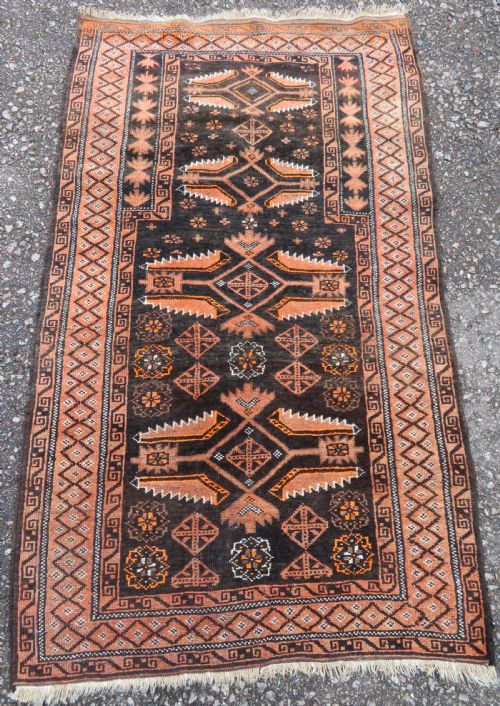
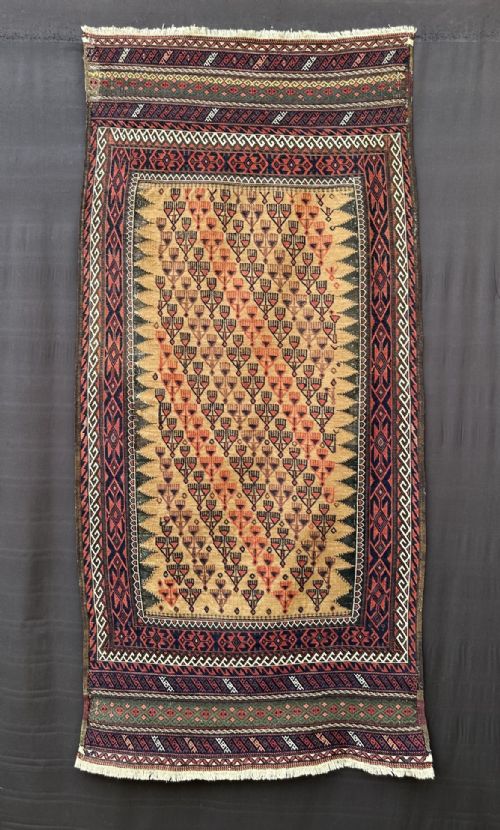
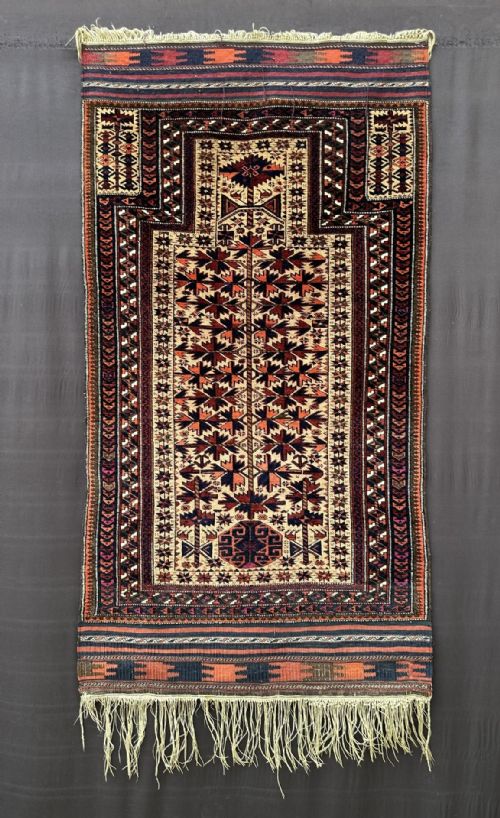
A brown wool afghan rug encompasses tribal and nomadic floor coverings, prayer rugs, and flatweaves originating from nineteenth and early twentieth-century weavers. These textiles reflect regional identities through specific motifs such as guls, mihrabs, and pencil box patterns.
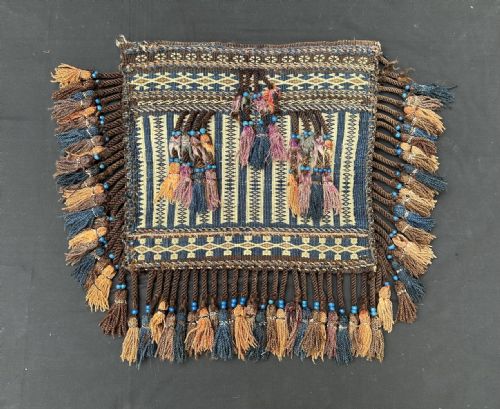
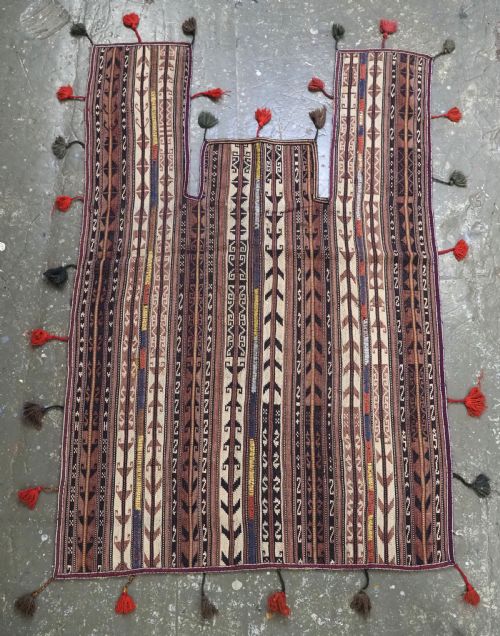
The selections available span multiple tribal groups including Baluch, Timuri, Ersari Turkmen, and Taimani makers from the borderlands and interior regions. Buyers will encounter format variations ranging from small portable prayer mats to larger main carpets and ceremonial horse covers.
How they were made
Makers utilised hand-spun wool, camel hair, and goat hair on cotton or wool foundations, relying on natural dyes to achieve rich brown, red, and dark palettes. The integration of mixed techniques such as pile weaving, flatweave kilim ends, and embroidery demonstrates traditional nomadic craftsmanship.
Structural integrity stems from dense knotting and secure selvedges designed to withstand daily nomadic utility. Individual weavers incorporated supplementary fibres like glass beads into specific storage bags and utilitarian covers.
Listings feature pieces spanning the nineteenth century through the 1930s, utilising wool, camel hair, and natural dyes.
What varies in quality
The standard of a brown wool afghan rug depends heavily on the fineness of the spin, the density of the knotting, and the depth of the natural dyes. Superior examples exhibit tightly packed foundations and crisp geometric drawing that retain their visual rhythm across the field.
Preservation of the original kilim ends, side corduroy finishes, and pile height distinguishes pieces that have retained their complete structural form over generations.
The Brown Wool Afghan Rug Glossary
- Gul
- A primary octagonal medallion motif frequently repeated across Turkmen and Baluch tribal carpets.
- Mihrab
- An arched niche design characteristic of Islamic prayer rugs, guiding the directional placement of the textile.
- Kilim
- A flatweave textile produced without pile, often utilised for the protective end finishes of knotted rugs.
- Sofreh
- A specialised spread or cloth woven for dining, food preparation, or domestic domestic rituals.
- Camel hair
- A resilient, undyed natural fibre utilised in tribal weaving to provide durable brown and fawn tones.
Brown Wool Afghan Rug: Frequently Asked Questions
How do I identify a tribal prayer rug?
Prayer rugs feature a distinct arched niche, known as a mihrab, which often incorporates single or multiple pointed arches. These formats were traditionally utilised for individual daily devotion.
The scale is typically smaller than a main carpet, designed for portability and personal use by nomadic and village weavers across the region.
What materials are used in these rugs?
The primary material is hand-spun wool, frequently complemented by camel hair, goat hair, and cotton foundations. Natural dyes provide the characteristic deep brown, red, and dark hues seen across the pieces.
Some specialised utility items also incorporate small decorative details like glass beads into their woven structures.
Where were these textiles woven?
Originating across Afghanistan and adjacent borderlands, these pieces are attributed to distinct tribal groups such as the Baluch, Timuri, Ersari Turkmen, and Taimani. Each group developed recognizable design vocabularies and structural habits.
Towns and regions like Herat served as important cultural and commercial hubs for gathering and trading these tribal works.
How should I care for an antique rug?
Protect the wool textile by placing it in areas with moderate foot traffic and avoiding direct, prolonged exposure to harsh sunlight. Regular gentle vacuuming without a rotating beater bar helps remove trapped dust.
Professional cleaning tailored to antique hand-knotted wool should be utilised periodically to preserve the natural fibres and dyes.