

French Style Urn
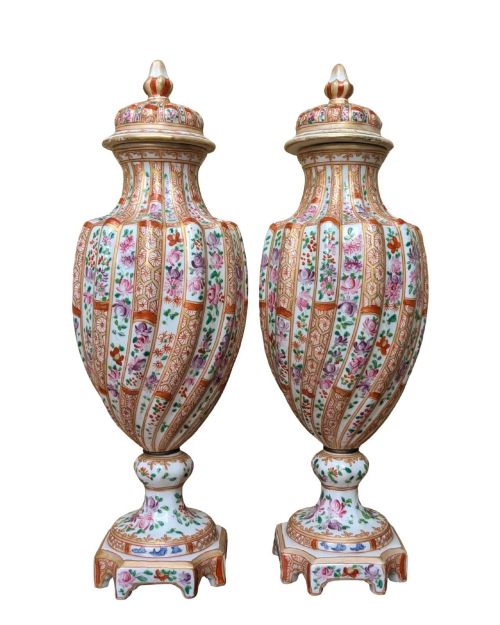
When you search for a french style urn, you enter a world of classical proportion, decorative metalwork and painted porcelain shaped for display.
French Style Urn
A french style urn draws on classical antiquity, the Louis XVI period and neoclassical revivals to create decorative vessels for nineteenth-century interiors.
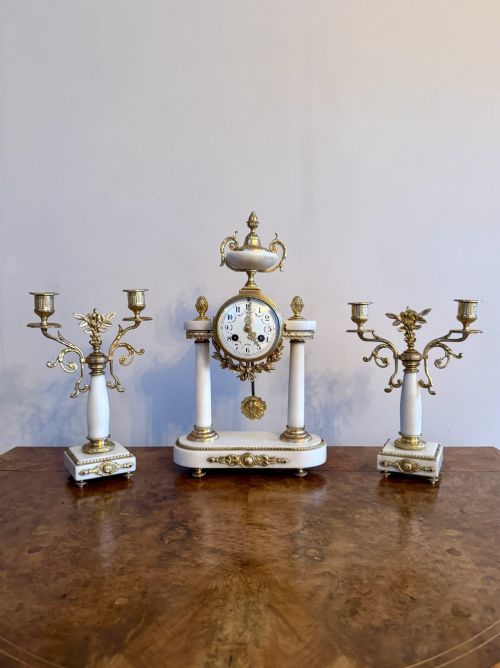
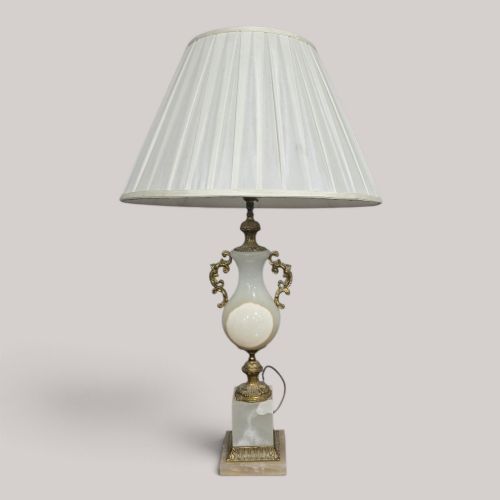
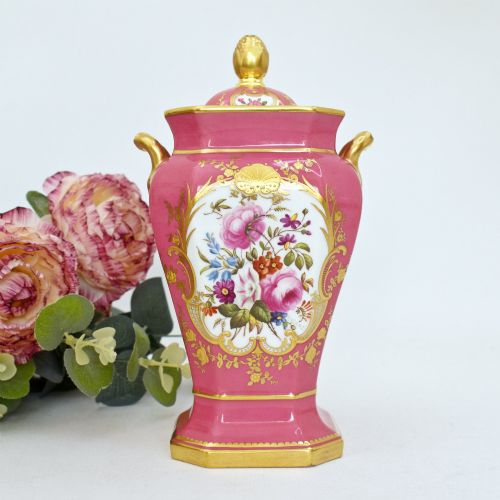
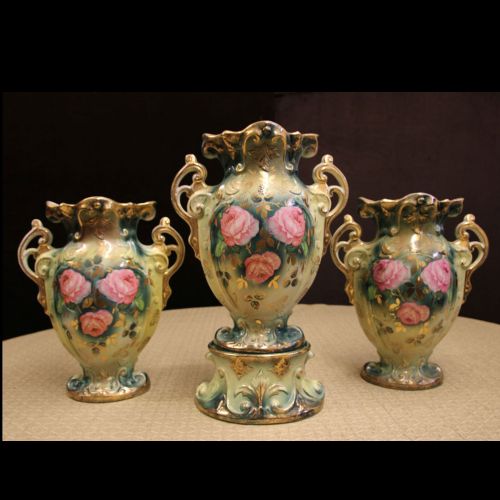
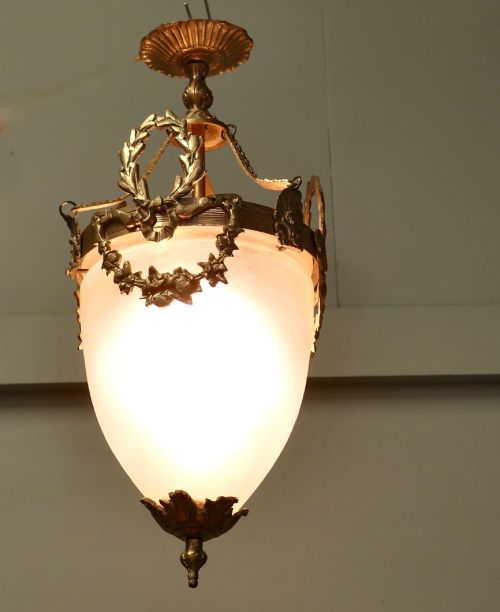
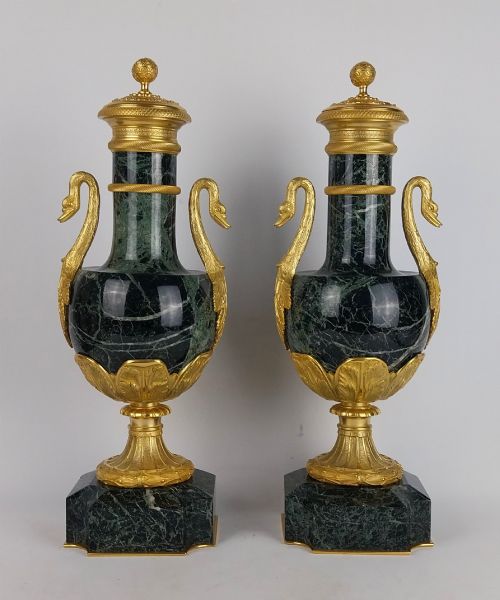
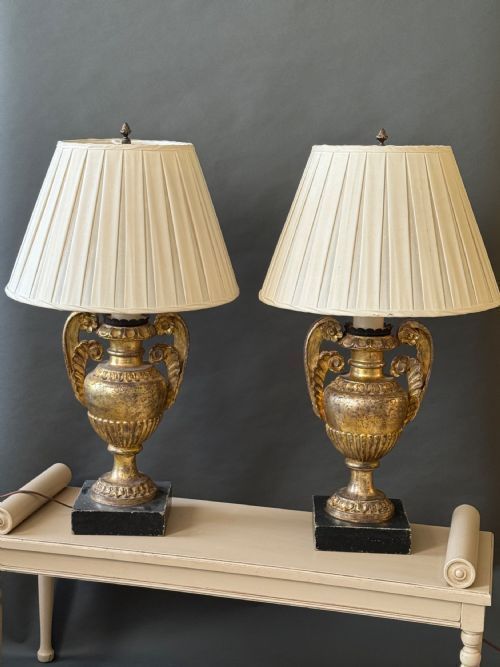
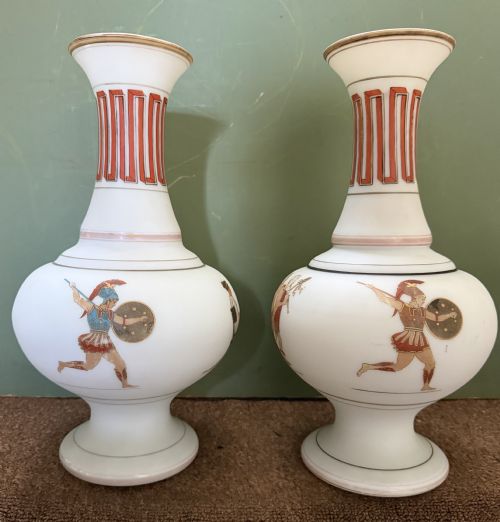
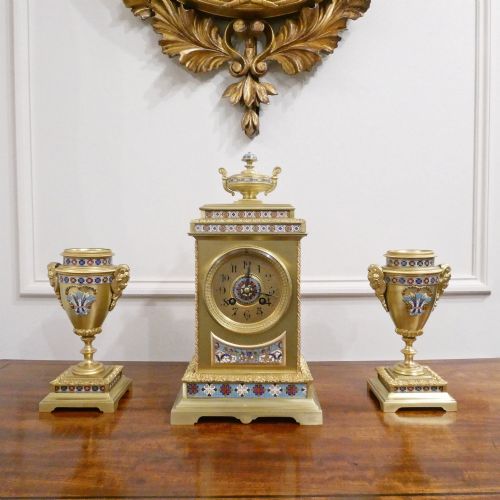
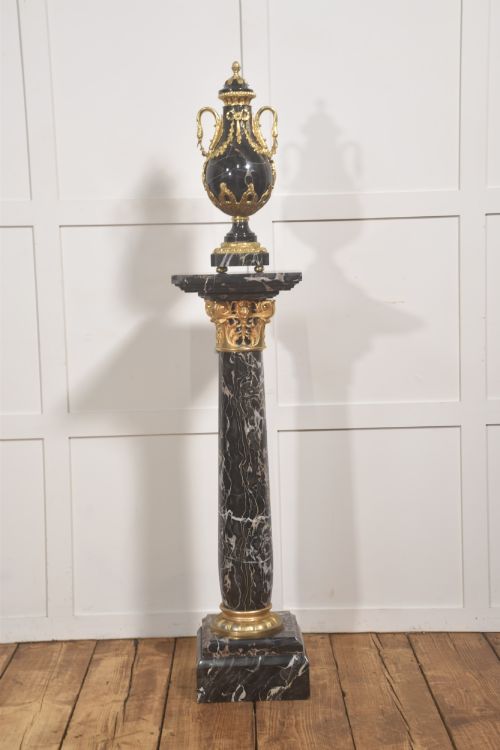
The objects seen here range from porcelain mantel clocks and table lamps to lidded vases mounted on marble bases.
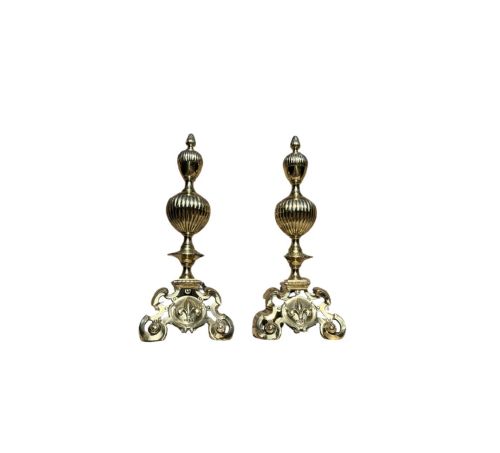
Makers working in nineteenth-century France utilised porcelain, marble, gilt bronze and ormolu to construct these ornamental forms.
Materials and construction
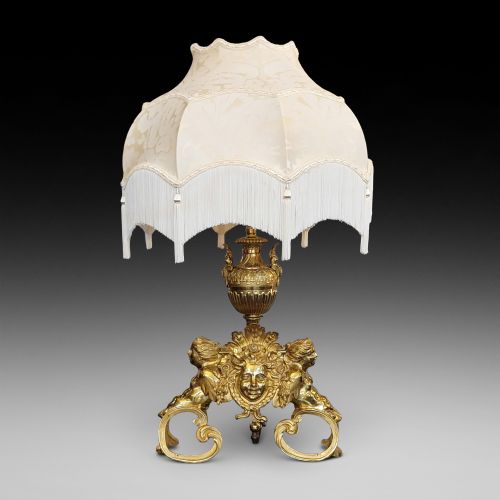
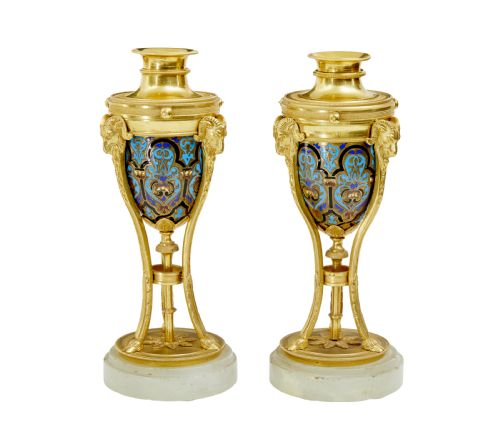
Craftsmen combined cast metals such as ormolu, gilt bronze and brass with hand-painted porcelain bodies and carved marble elements.
Mounts and decorative handles were cast and chased, then secured to ceramic or stone vessels using traditional mechanical joints.
Surfaces frequently feature hand-applied enamels, gilding and patination to mimic classical bronzes and marbles.
French Style Urn Retail Price Guide 2026
Typical asking prices for french style urn among the pieces listed under this phrase on Sellingantiques today, from the lower quarter to the upper quarter. They describe what is for sale here now, not the wider market.
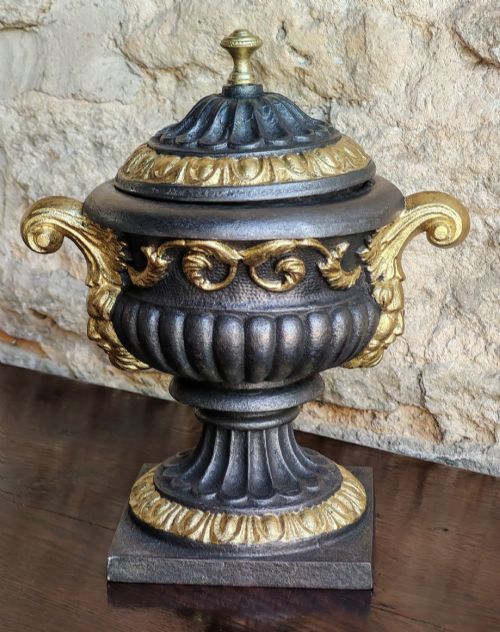
Chestnut urns in painted metal let you store roasted snacks in neoclassical splendour.
Factors of quality
The refinement of the cast bronze or ormolu mounts separates standard production from exceptional examples, visible in the crispness of leaf and scroll work.
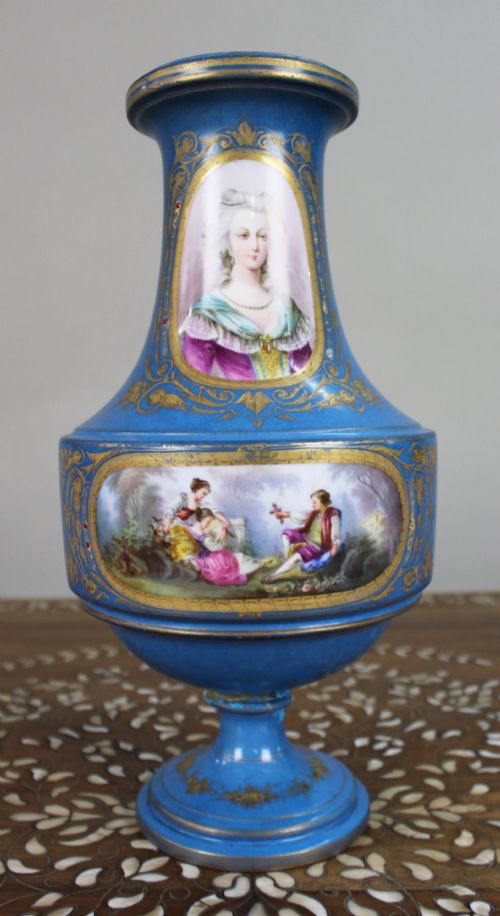
The artistic merit of hand-painted porcelain panels, whether floral vignettes or figural scenes, dictates the tier of the piece.
The choice of materials, such as solid Sienna or Campan vert marble versus simpler stones, influences the overall weight and presence.
Samuel Marti·Jean-Baptiste Delettrez·Achille Brocot·Edme Samson·Fourmaintraux-Courquin
The French Style Urn Glossary
- Ormolu
- A gold-coloured bronze alloy used for decorative mounts on furniture and ceramics. It involves applying a mercury and gold amalgam to bronze.
- Sevrès
- A renowned French porcelain factory producing soft-paste and hard-paste luxury wares. Pieces in this style often display rich blue grounds and gilded details.
- Champlevé
- An enamelling technique where troughs are dug into a metal surface and filled with vitreous enamel before firing.
- Campan vert
- A mottled green and grey marble quarried in the Pyrenees, frequently utilised for nineteenth-century decorative bases and urn bodies.
- Tole peinte
- Painted sheet metal shaped into decorative vessels, trays and urns, often finished with floral motifs.
French Style Urn: Frequently Asked Questions
What periods do these pieces date from?
The inventory on this page spans the nineteenth century, primarily covering the Victorian era, the 1850s through to 1910, and revival movements.
Design motifs draw heavily from earlier Louis XVI and neoclassical aesthetics interpreted by nineteenth-century workshops.
How do I identify Louis XVI style?
Louis XVI style is marked by strict symmetry, straight lines, fluted columns and classical motifs such as swags, ribbons and acanthus leaves.
Objects from this revival period utilise contrasting materials like white marble paired with gilt ormolu mounts.
Can converted lamps be restored?
Many nineteenth-century urns and candelabra were subsequently wired for electricity as domestic habits changed over time.
Rewiring is common, and experienced electricians can often perform updates without altering the historic metalwork or porcelain bodies.