



French Silver Stick
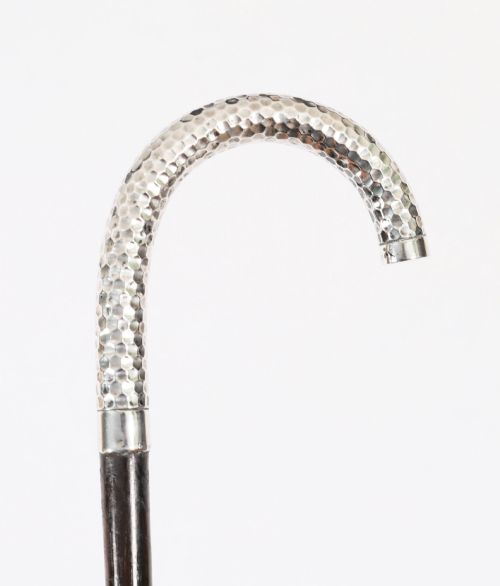
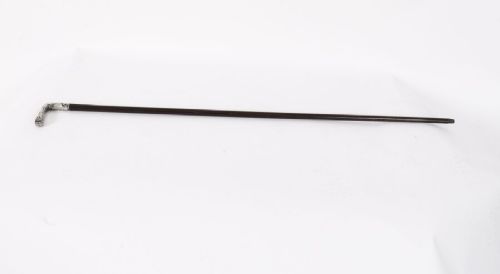
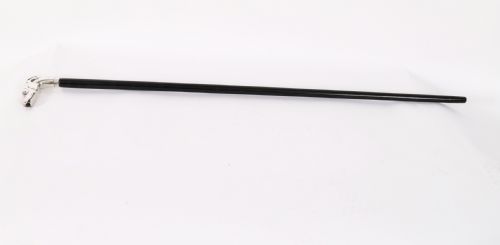
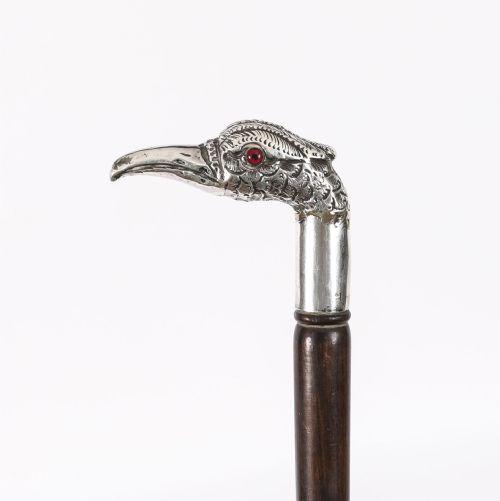
A french silver stick brings together solid shafts of ebonised wood or snakewood and intricate metal handles shaped like greyhounds, horses, and dragons.
French Silver Stick
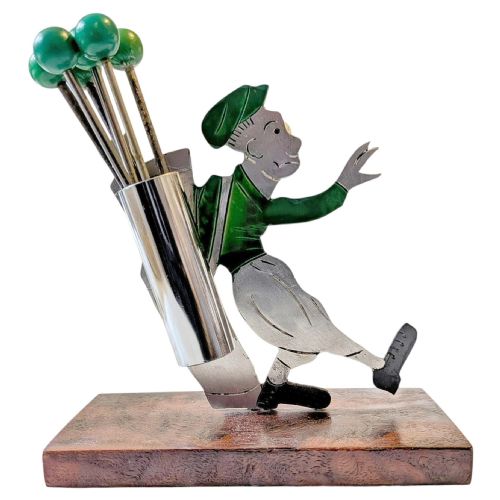
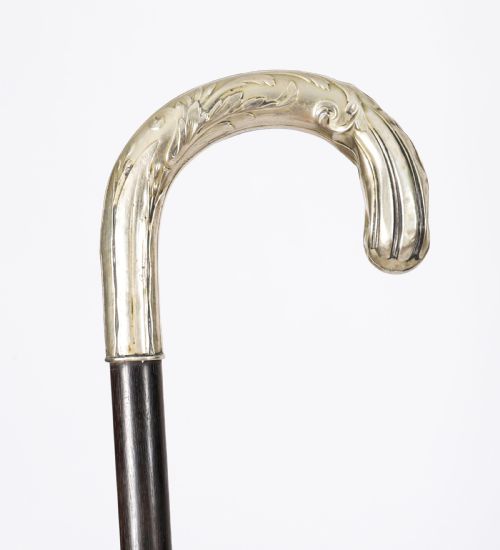
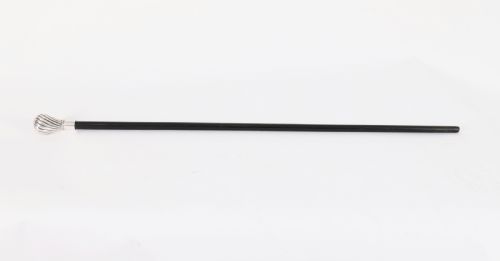
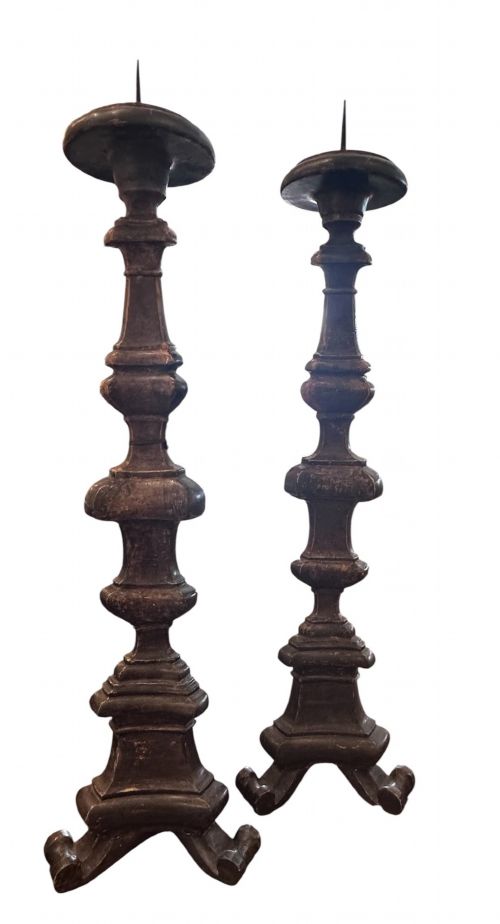
A french silver stick primarily comprises walking canes and walking sticks fitted with decorative metal handles, alongside occasional candelabra, barware cocktail sticks, and candlesticks.
The walking canes originate mainly from the nineteenth century and the Art Nouveau period, utilising silver, silver plate, or chrome-plated metal mounted on wood.
Examples often incorporate figural handles depicting animals such as horses, dogs, and birds, or functional elements like watch movements.
Materials and Construction
Shafts are formed from hardwood, snakewood, or ebonised wood, providing a dark, contrasting base for metal mounts.
Handles and decorative elements combine silver, silver plate, or silvered bronze, occasionally decorated with enamel, turquoise, or amethyst.
Listings feature items from the 19th Century, 1860, 1880, 1900, and 1930, utilising materials like glass, enamel, and snakewood.
Judging Quality and Craftsmanship
Quality shows in the detail and definition of sculptural handles, particularly in animal carvings and figural motifs such as golfer figures or dragon heads.
The selection of woods for the shaft, from standard hardwood to polished snakewood and ebonised timber, dictates the overall execution of the piece.
Sudre·Ferdinand Barbedienne·Cailar Bayard, Paris·Georges De Feure
The French Silver Stick Glossary
- Ebonised Wood
- Timber treated to imitate ebony. This dark finish provides a stark contrast against bright silver handles.
- Candelabra
- Branched lighting fixtures holding multiple candles. These appear in silver plate and silvered bronze.
- Snakewood
- A dense exotic hardwood named for its mottled, pattern-resembling skin. It forms durable walking cane shafts.
- Chamberstick
- A short candlestick fitted with a pan and handle. They were designed for carrying about a room at night.
French Silver Stick: Frequently Asked Questions
What is a french silver stick used for?
These items served primarily as fashionable walking accessories for gentlemen, incorporating handles of solid silver or silver plate.
Alternative forms found in this category include barware cocktail sticks and decorative lighting like candlesticks and candelabra.
How do I identify the period of a cane?
Nineteenth-century examples frequently rely on naturalistic animal motifs and classical forms, whilst later pieces shift towards geometric Art Deco designs.
Materials also shift across eras, with ebonised wood and solid silver dominating earlier decades before silver plate and chrome-plated metal emerge.
What materials are used for the shafts?
Shafts are constructed predominantly from wood, including hardwood, ebonised wood, and snakewood.
Some variations substitute these timbers with metal cores or specific novelty configurations like sword sticks and watch canes.
Are all handles made of solid silver?
While many feature solid silver, others utilise silver plate, silvered bronze, or chrome-plated metal over a supportive base.
Precious and semi-precious additions such as enamel, turquoise, and amethyst occasionally embellish the metalwork.