


French Walking Cane
A french walking cane carries the elegance of the nineteenth century, combining functional support with remarkable hidden blades, silver mounts, and sculpted handles.
French Walking Cane
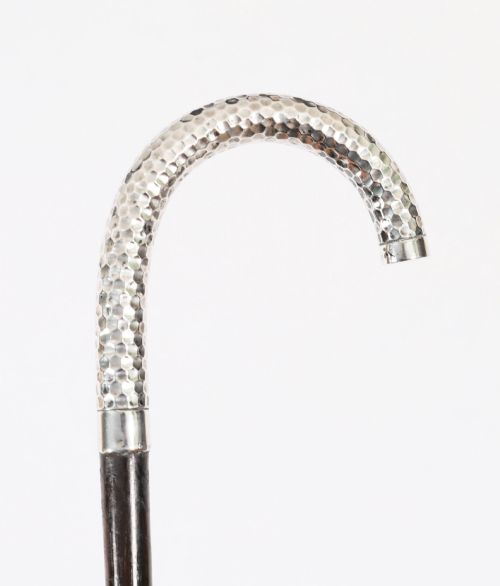
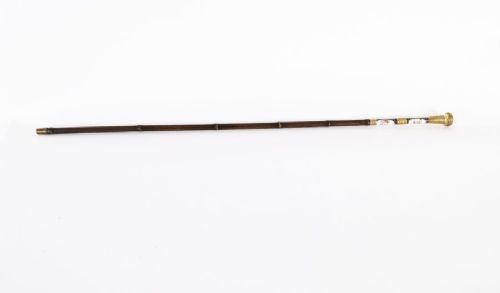
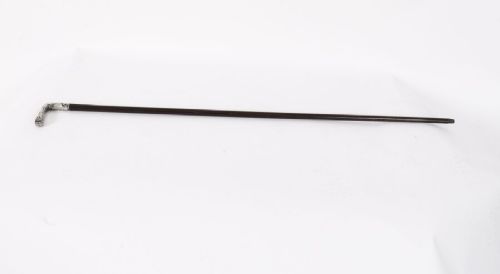
When searching for a french walking cane, collectors examine nineteenth-century accessories that served as daily supports, fashion statements, and occasionally concealed weaponry or tools. The selection spans standard walking sticks alongside specialised forms incorporating hidden blades, telescopes, watches, or porcelain sections.
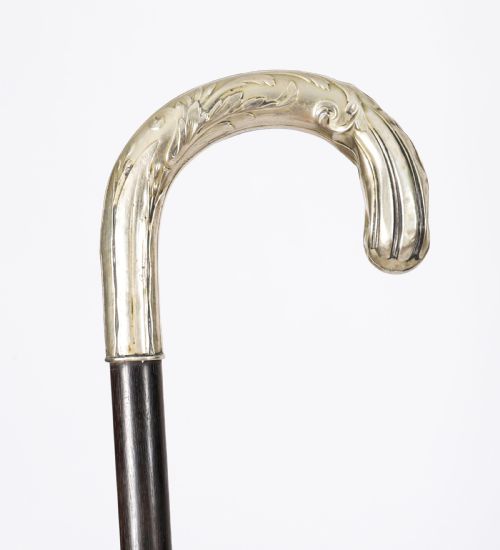
The most frequent examples encountered on this page date from the decades around eighteen-hundred-and-eighty to nineteen-hundred. These pieces reflect the dominant aesthetic movements of the period, particularly the flowing, organic lines associated with Art Nouveau design.
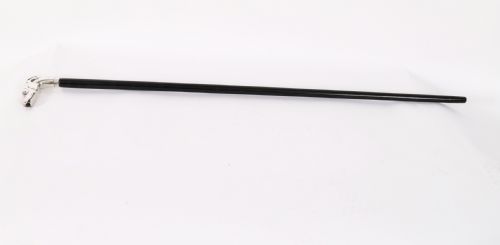
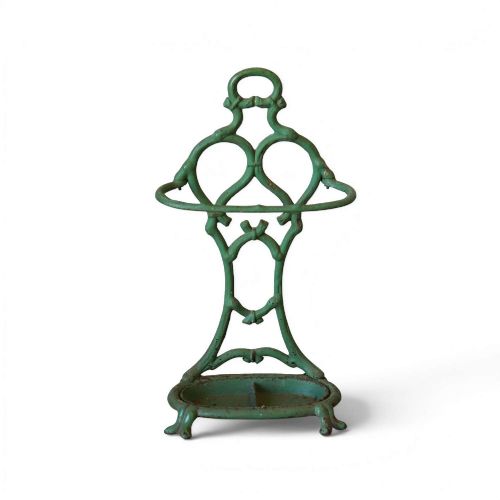
Beyond standard walking sticks, related items include umbrella stands designed in cast iron to hold these accessories in a hallway. The shafts utilise various materials, pairing ebonised wood or snakewood with metal handles.
How they were made
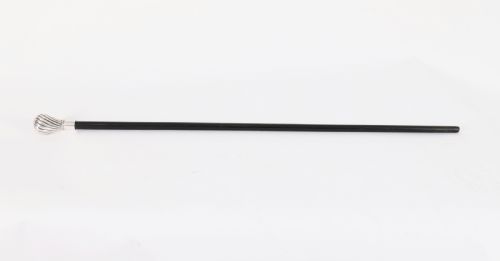
Maker workshops combined structural hardwoods such as ebonised wood and snakewood with precious metals like silver, gold plate, and ormolu. Shafts were turned, straightened, and fitted with collars and ferrules to withstand daily use on nineteenth-century streets.
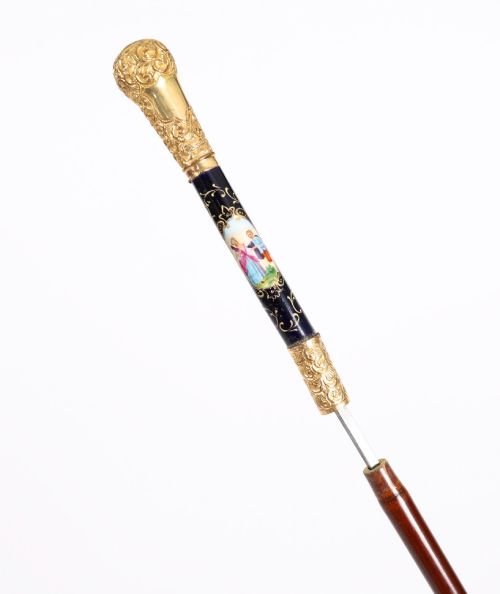
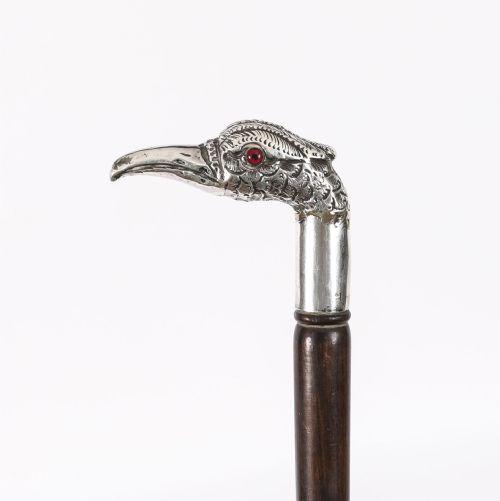
Handles required distinct artisanal techniques, ranging from cast and chased silver depicting animals, human figures, and mythological sirens to moulded porcelain sections from Sèvres. Concealed elements, including hidden sword blades, optical telescopes, or watch movements, demanded precision engineering within the narrow wooden shafts.
French Walking Cane Retail Price Guide 2026
Typical asking prices for french walking cane among the pieces listed under this phrase on Sellingantiques today, from the lower quarter to the upper quarter. They describe what is for sale here now, not the wider market.
The inventory records functional variations including sword sticks, watch canes, and optical telescope walking sticks.
What varies in quality
The distinction between standard examples and superior pieces rests on the complexity of the handle and the integration of concealed mechanisms. Elaborate figural handles depicting greyhounds, horses, elephants, and dragons demonstrate greater sculptural ambition than plain caps.
Material combination also defines the tier of a piece, with heavy silver mounts, turquoise insets, or genuine Sèvres porcelain sections elevating the work. The retention of original operational elements, such as functional sword blades or integrated timepieces, distinguishes finer workshop production.
The French Walking Cane Glossary
- Ebonised wood
- Timber treated with a dark stain or finish to imitate ebony. This dark wood provides a stark contrast against silver or gilt metal mounts.
- Ferrule
- The protective metal cap fitted to the bottom of the shaft. It prevents the wood from splintering during walking.
- Sèvres porcelain
- Ceramic material produced by the historic French factory. These ceramic sections frequently appear along the upper shaft beneath decorative handles.
- Sword stick
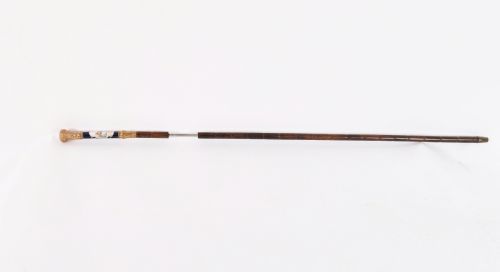
- A walking cane containing a concealed blade housed within the shaft. A release mechanism secures the blade until needed.
- Art Nouveau
- A design style characterised by sinuous, organic plant and floral lines. This aesthetic strongly influences the handle motifs of the period.
French Walking Cane: Frequently Asked Questions
What materials were used for these canes?
Makers constructed the shafts using woods such as snakewood and ebonised timber. Handles and collars incorporated silver, gold plate, gilt metal, brass, horn, antler, and porcelain.
Decorative elements frequently featured cast metal figures or turquoise insets mounted to the upper section.
How do I identify a sword stick?
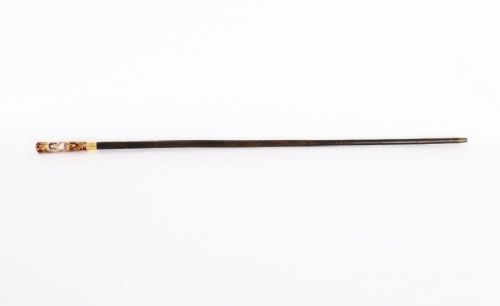
A sword stick conceals a steel blade secured internally along the length of the wooden shaft. A threaded or friction fit joins the handle section to the main body.
Collectors examine the collar joint where the handle meets the shaft to spot the division line.
What periods do these pieces come from?
The available selection originates primarily from the nineteenth century, with specific examples dated between eighteen-sixty and nineteen-hundred. Art Nouveau designs generally cluster around the turn of the twentieth century.
Earlier examples from the French Revolutionary period occasionally appear with specialised scientific instruments.
How were novelty canes used?
Novelty walking sticks served as fashionable accessories for promenading while housing unexpected practical items. Owners could consult a hidden watch, view distant objects through an integrated telescope, or rely on a concealed blade.
These combination items reflected the technological curiosity of the late nineteenth century.