
French Rococo Occasional Table
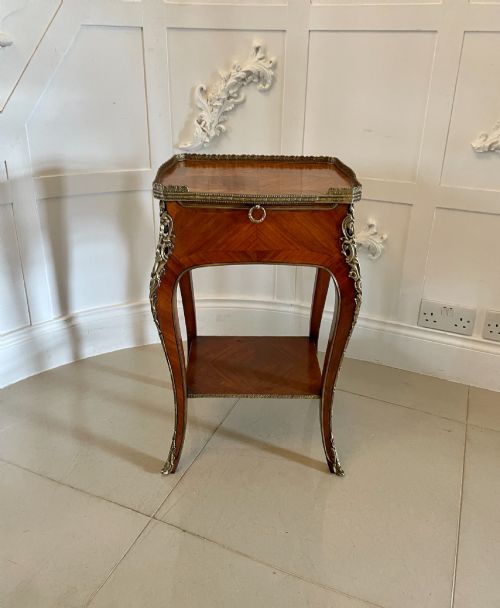
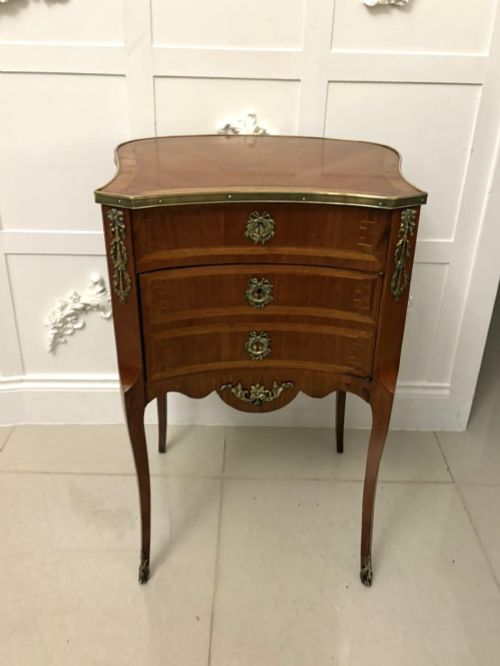
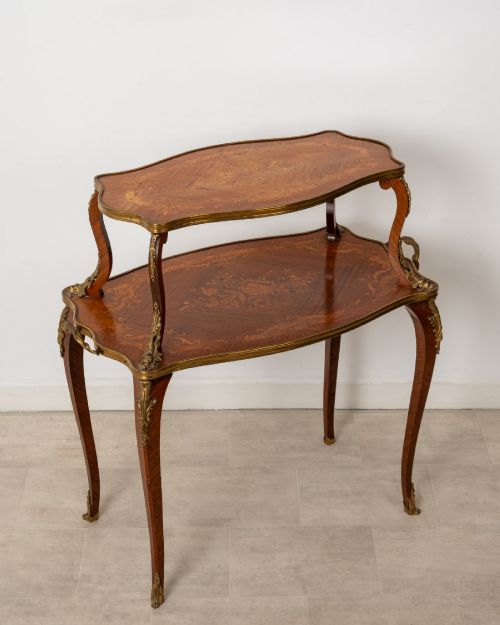
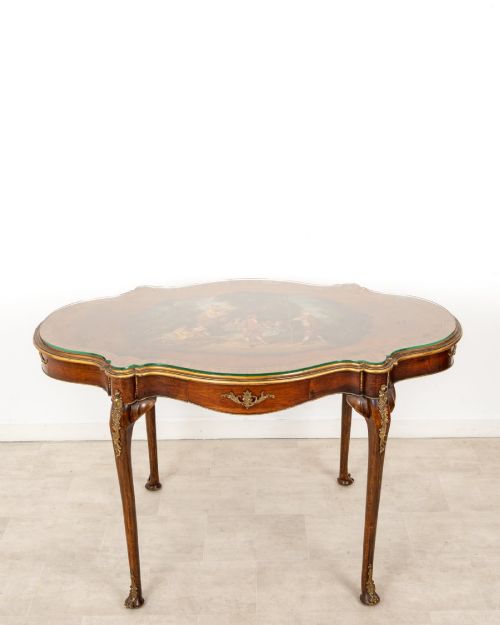
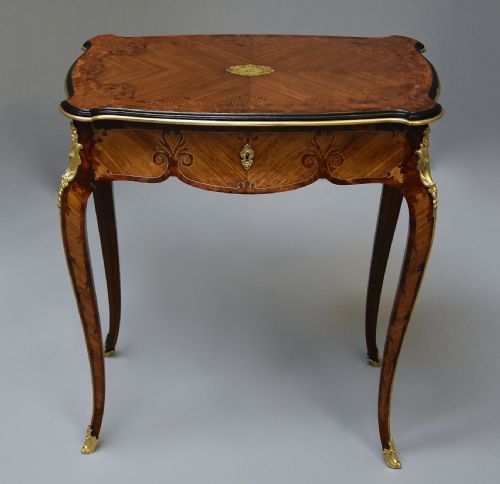
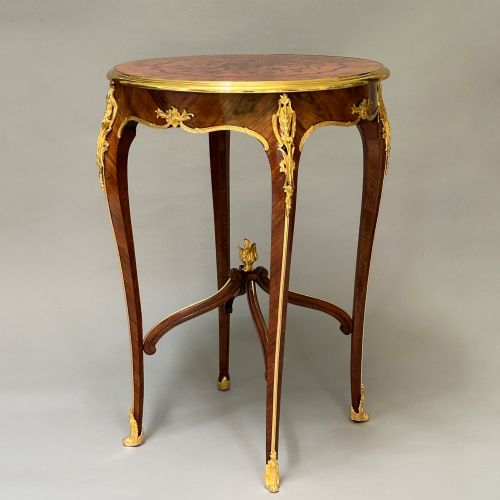
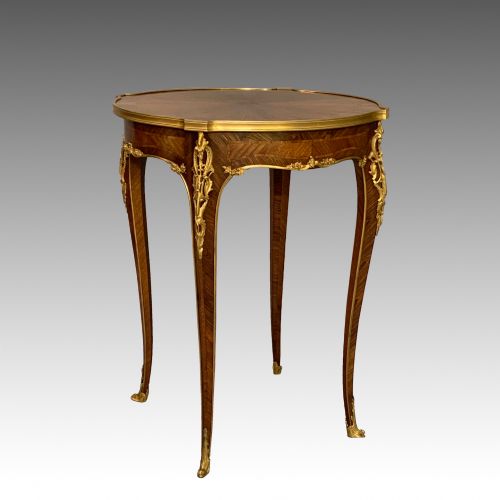
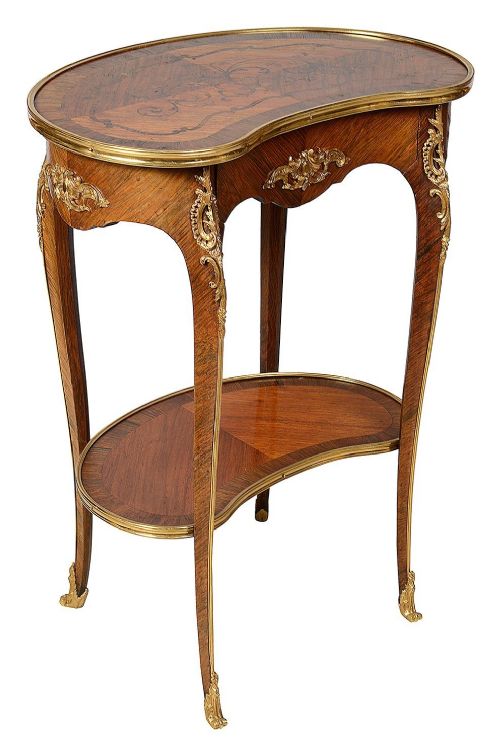
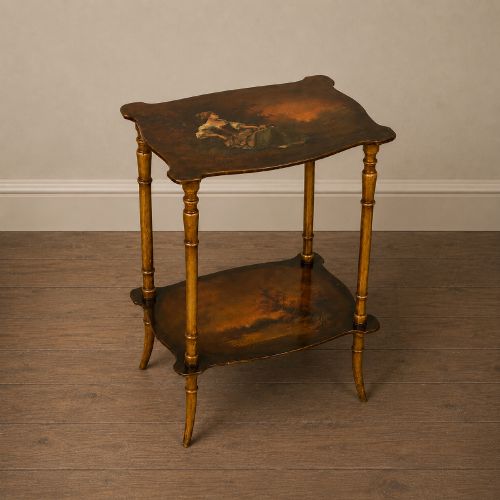
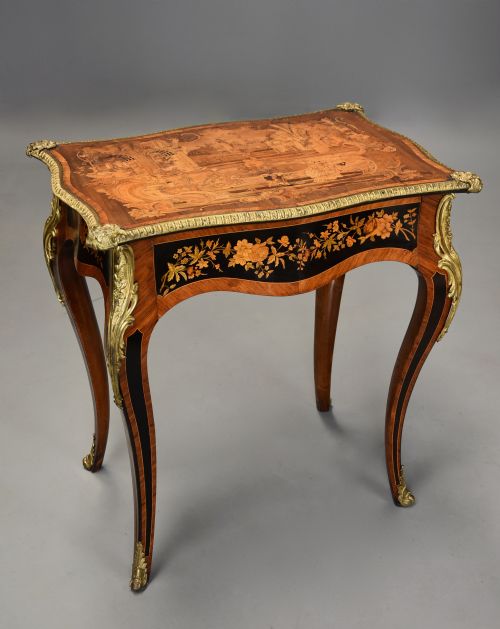
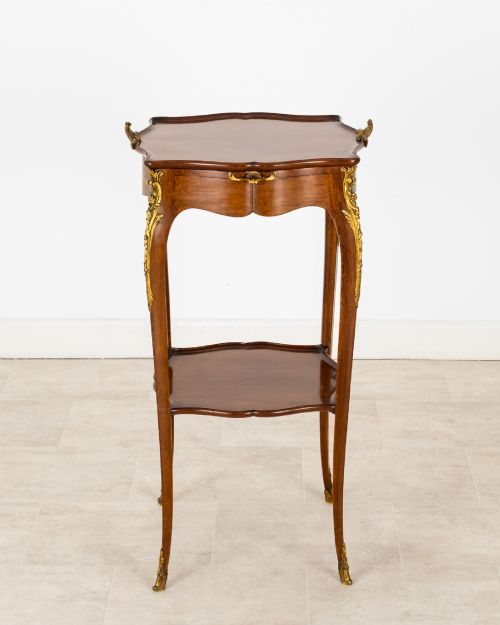
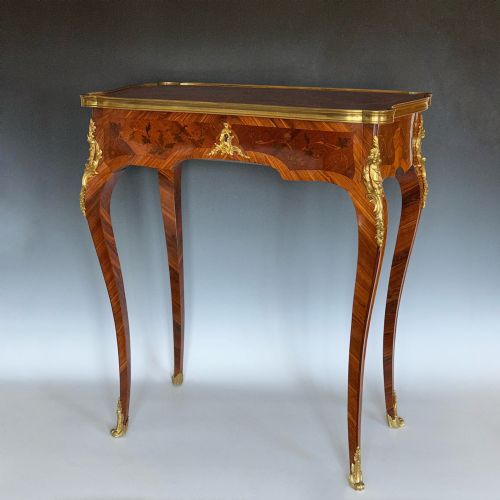
These french rococo occasional table examples bring ornate serpentine forms and rich marquetry veneers directly into a room.
What these pieces are
A french rococo occasional table embodies the curved lines and decorative flourishes characteristic of the Louis XV revival style. These small tables serve functional roles as wine tables, centre tables, or games tables within a reception space.
Most pieces seen here originate from the nineteenth century, including specific dates such as 1880, alongside later interpretations from 1920 and 1960. They draw upon classical French chateau aesthetics, utilising compact footprints suited for display and daily use.
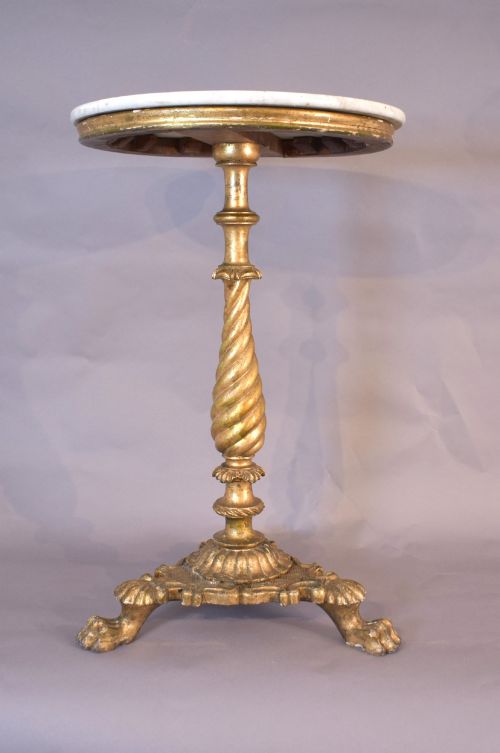
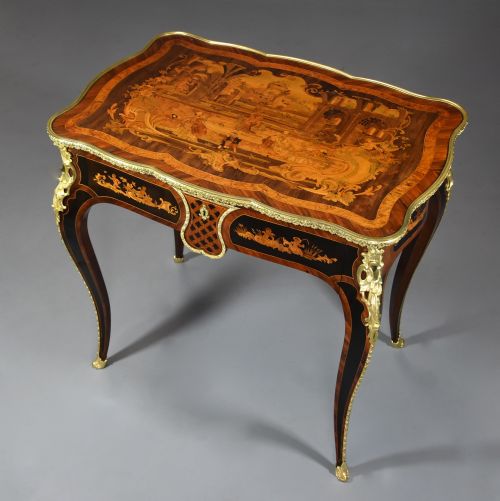
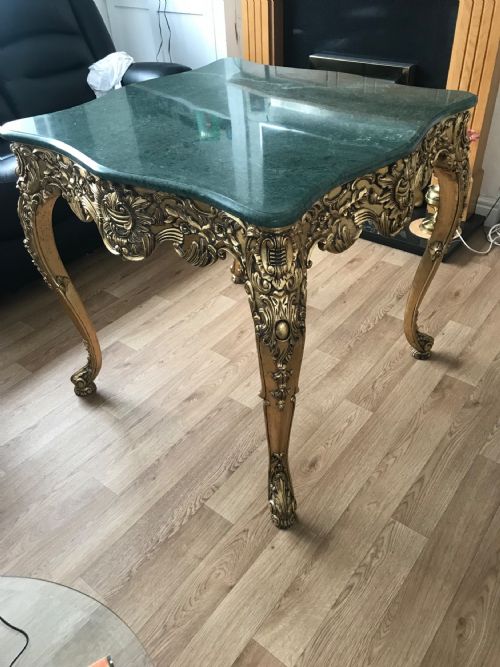
Makers construct these surfaces in diverse forms, ranging from marquetry inlaid desks to heavy designs topped with solid green marble. Each piece reflects historical French design idioms adapted for domestic interiors across multiple eras.
How they were made
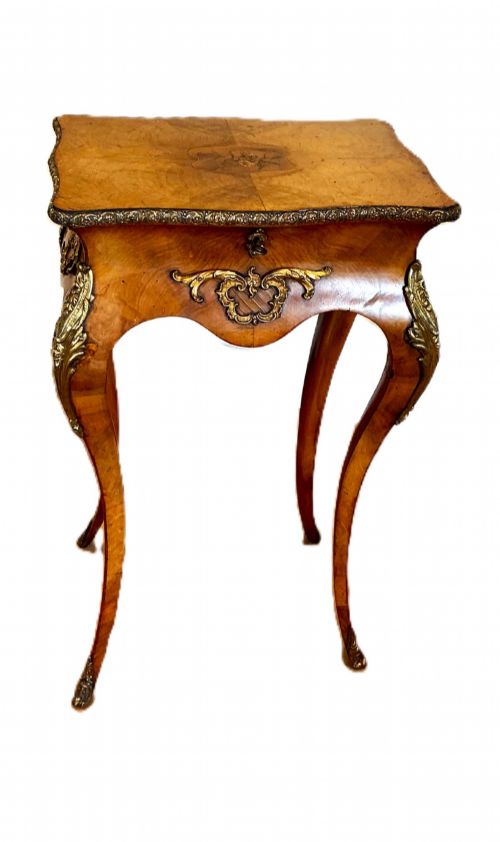
Craftsmen built these tables using foundational timbers like kingwood, rosewood, and fruitwood, often applying intricate wood marquetry patterns across the top surfaces. Ormolu mounts and cast brass elements provide structural embellishment along the cabriole legs and aprons.
Selected examples incorporate heavy polished marble inserts fitted precisely into shaped wooden frames. Giltwood detailing and fine marquetry inlay complete the decorative scheme, requiring skilled joinery and metalworking techniques.
Retail Price Guide 2026
Typical UK retail prices for french rococo occasional table, calculated from the Sellingantiques database of over a million retail prices indexed since 2003. This retail price guide relies exclusively on Sellingantiques data; no external sources or auction records are used, so the figures do not describe the wider market.
Current listings span the nineteenth and twentieth centuries, featuring kingwood, rosewood, fruitwood, and solid green marble.
What varies in quality
The refinement of the cast ormolu mounts and the intricacy of the multi-timber marquetry distinguish finer examples from simpler production. Superior pieces demonstrate precise fitting between the bronze mounts and the underlying wood chassis.
The selection of cabinet timbers, such as figured kingwood paired with substantial marble tops, elevates the physical presence and material value of an individual table.
L.Martin of Paris
The French Rococo Occasional Table Glossary
- Ormolu
- Gilded bronze mounts applied to furniture for decorative effect. This technique was widely utilised in French cabinet making.
- Marquetry
- Inlaid wood veneers arranged in pictorial or geometric patterns across a surface. Artisans use contrasting natural timbers to create tonal depth.
- Cabriole leg
- A furniture leg that curves outward and then tapers inward, finishing in a pad or scroll foot. This shape is fundamental to the rococo style.
Frequently Asked Questions
What is a french rococo occasional table used for?
These small tables function as decorative centrepieces, wine stands, or auxiliary surfaces for holding drinks and small objects in a drawing room.
Their compact proportions allow them to fit easily beside seating arrangements while adding distinct period character to the interior.
How do I identify the period of a table?
Nineteenth-century examples often display hand-cut marquetry and heavier cast ormolu mounts compared to twentieth-century revivals. Examining the timber construction and the wear patterns on the underside reveals age.
Makers' stamps and specific structural techniques also help pinpoint whether a piece dates to the 1880s or later decades.
How should I care for marble and wood surfaces?
Keep wooden surfaces polished with traditional wax and protect them from direct sunlight to preserve the rich kingwood and rosewood tones. Marble tops require gentle cleaning with a damp cloth to avoid staining.
Avoid placing hot or wet items directly onto the polished wood or marquetry inlay.
Are these tables sturdy enough for daily use?
Most pieces are built with solid hardwood frames and sturdy cabriole legs designed for practical domestic placement. However, their intricate ormolu mounts and delicate marquetry require careful handling.
They serve well as occasional furniture rather than heavy-duty utility surfaces.