
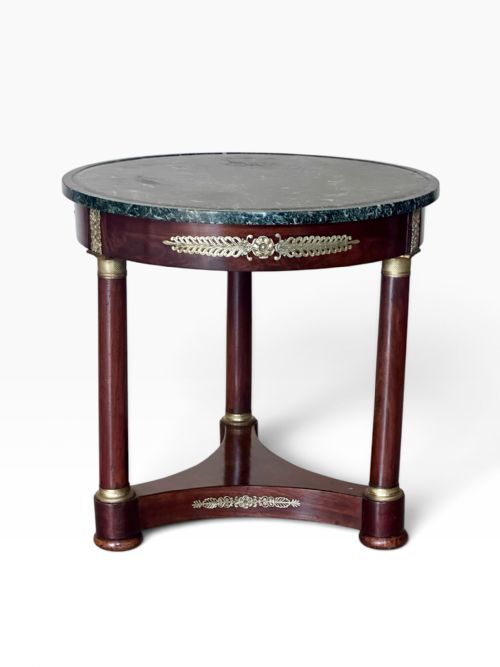

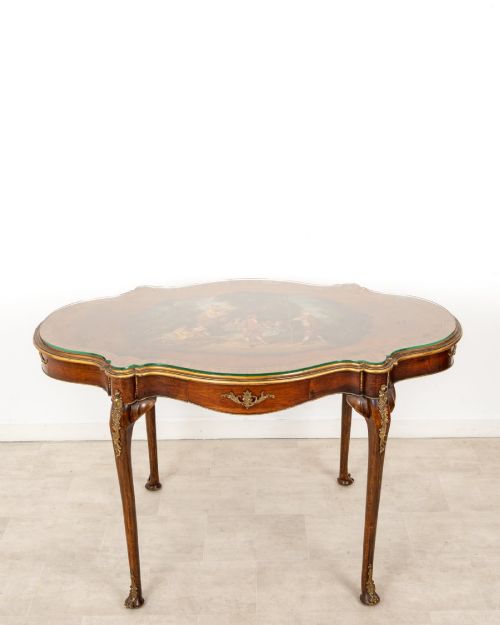
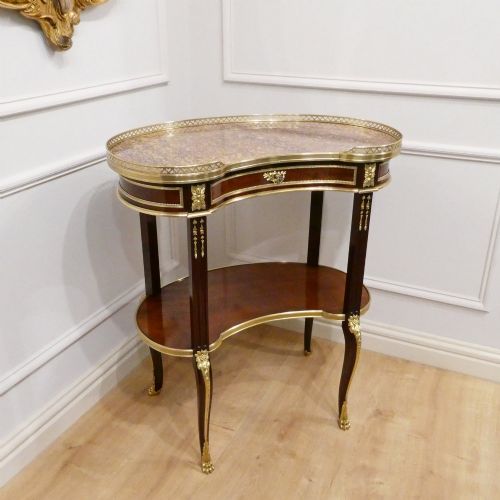
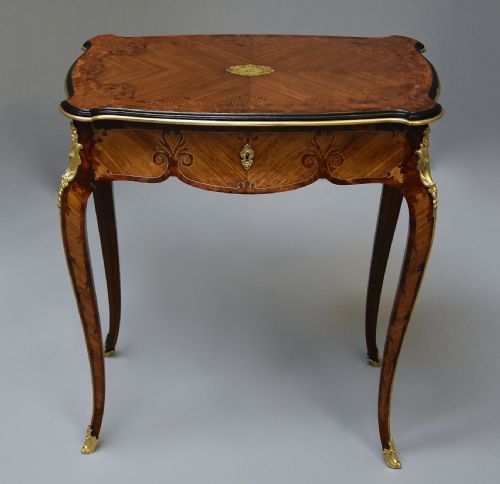
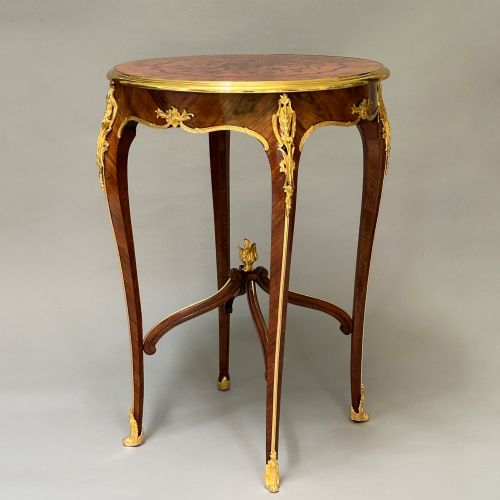
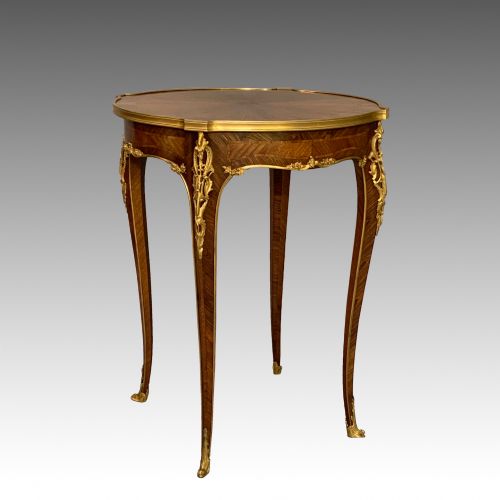
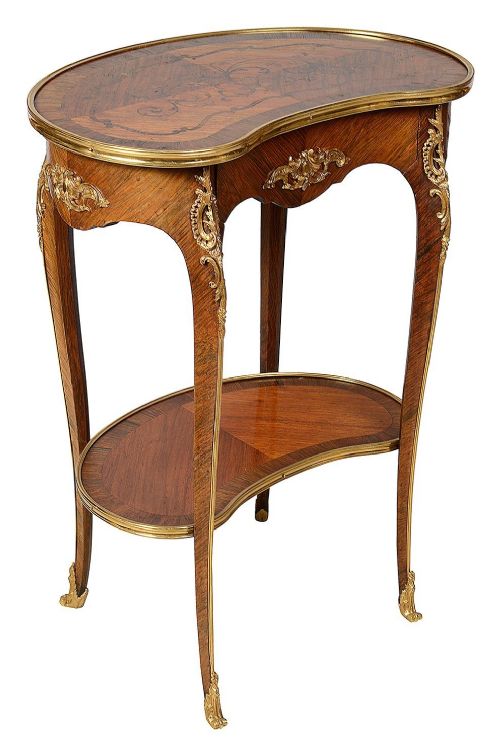
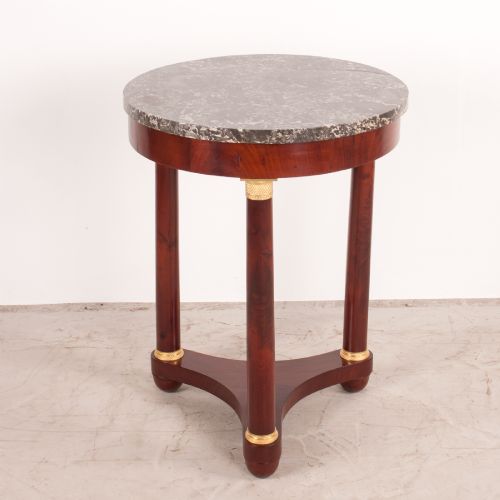
Gilt Bronze Occasional Table
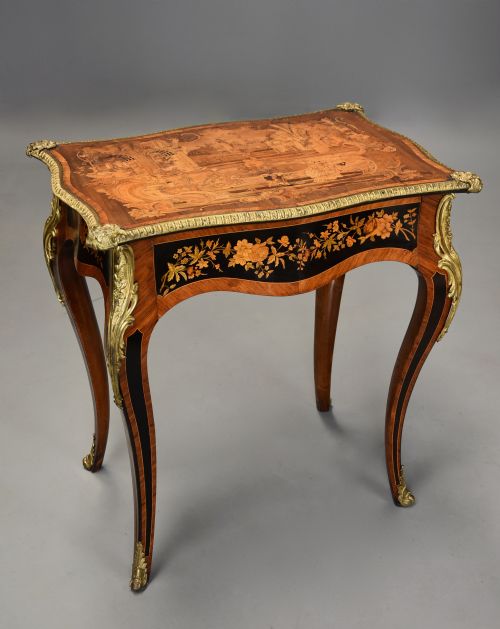
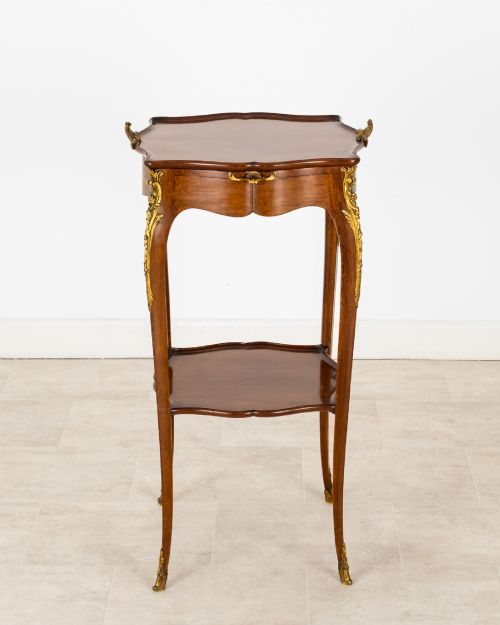
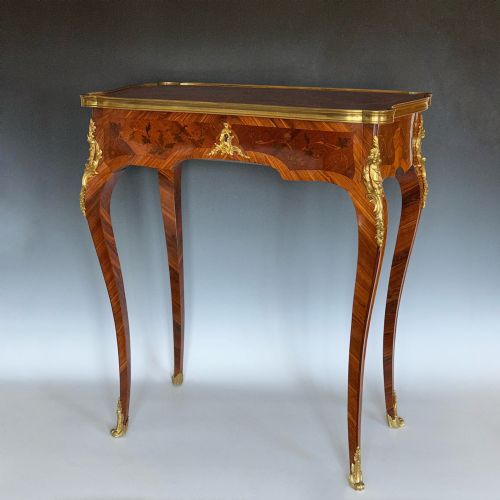
These gilt bronze occasional table pieces bring French revival elegance and practical surface space into a room.
What a gilt bronze occasional table is
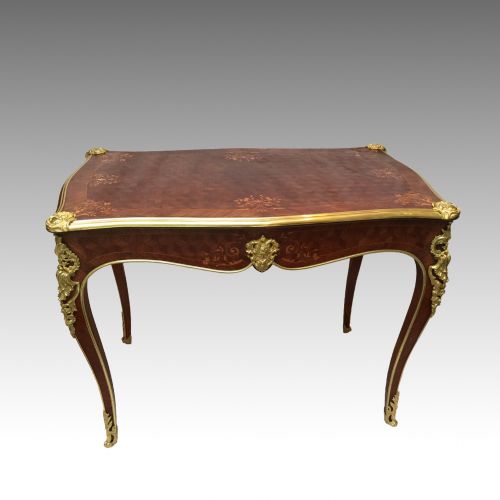
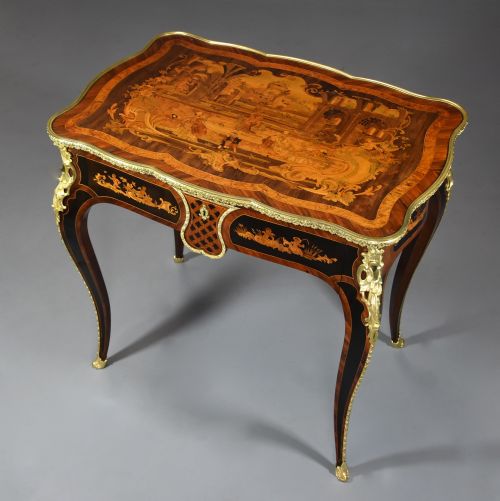
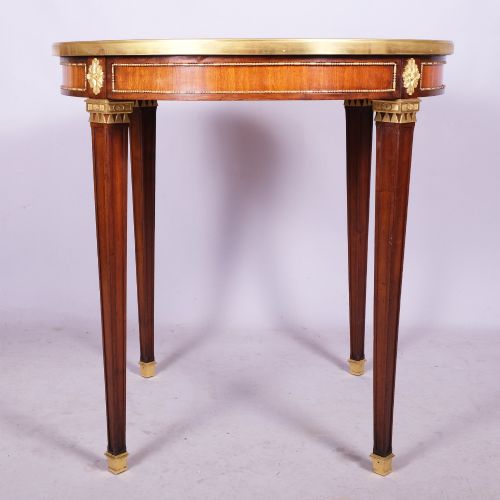
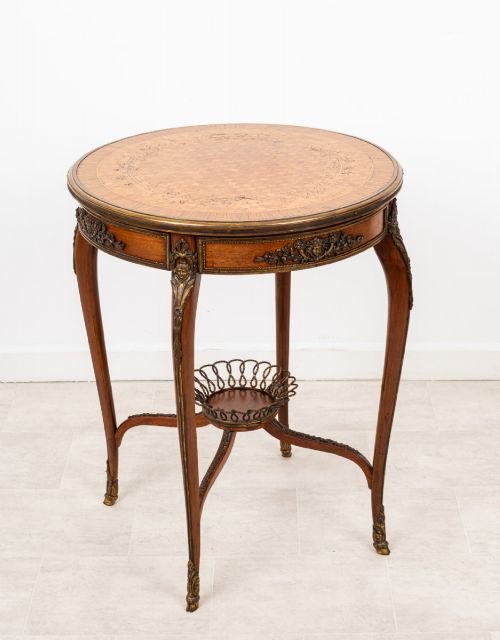
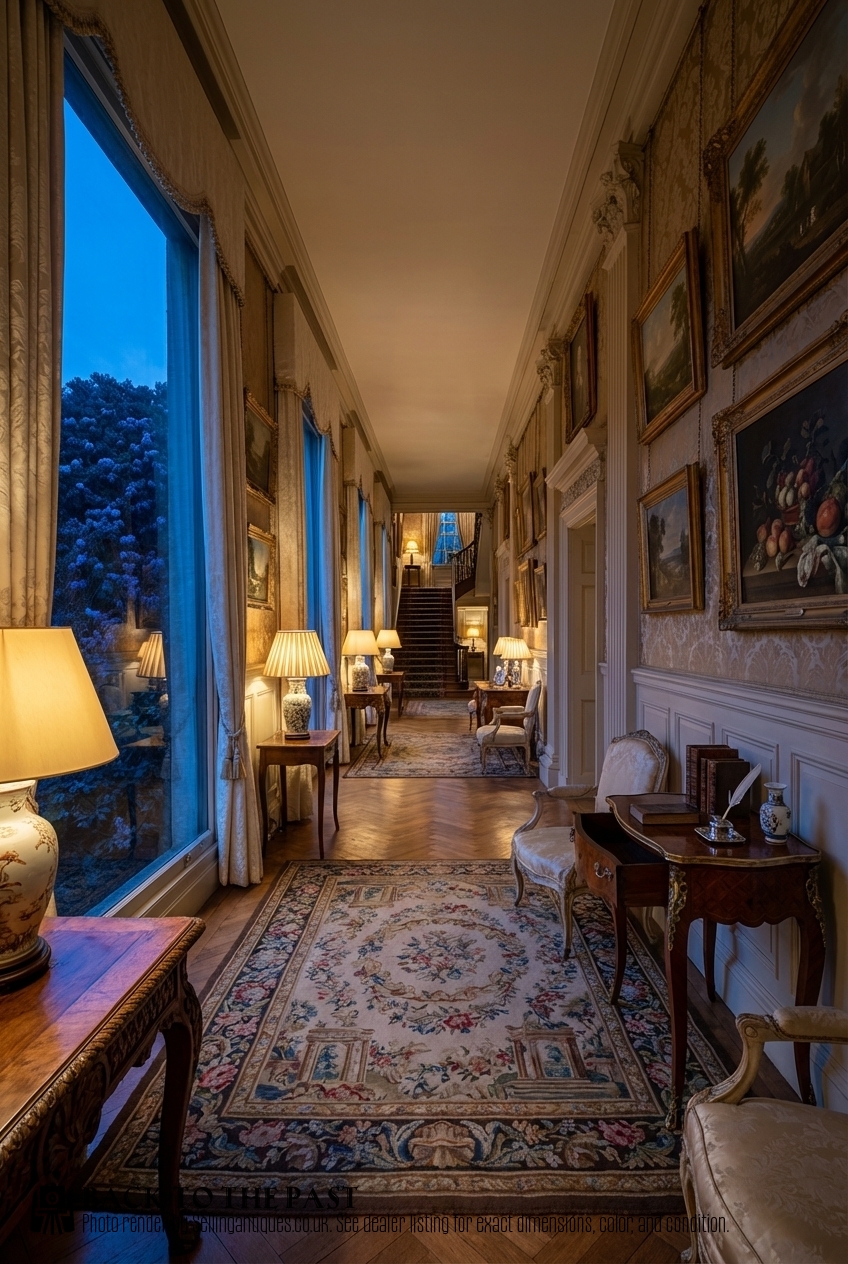
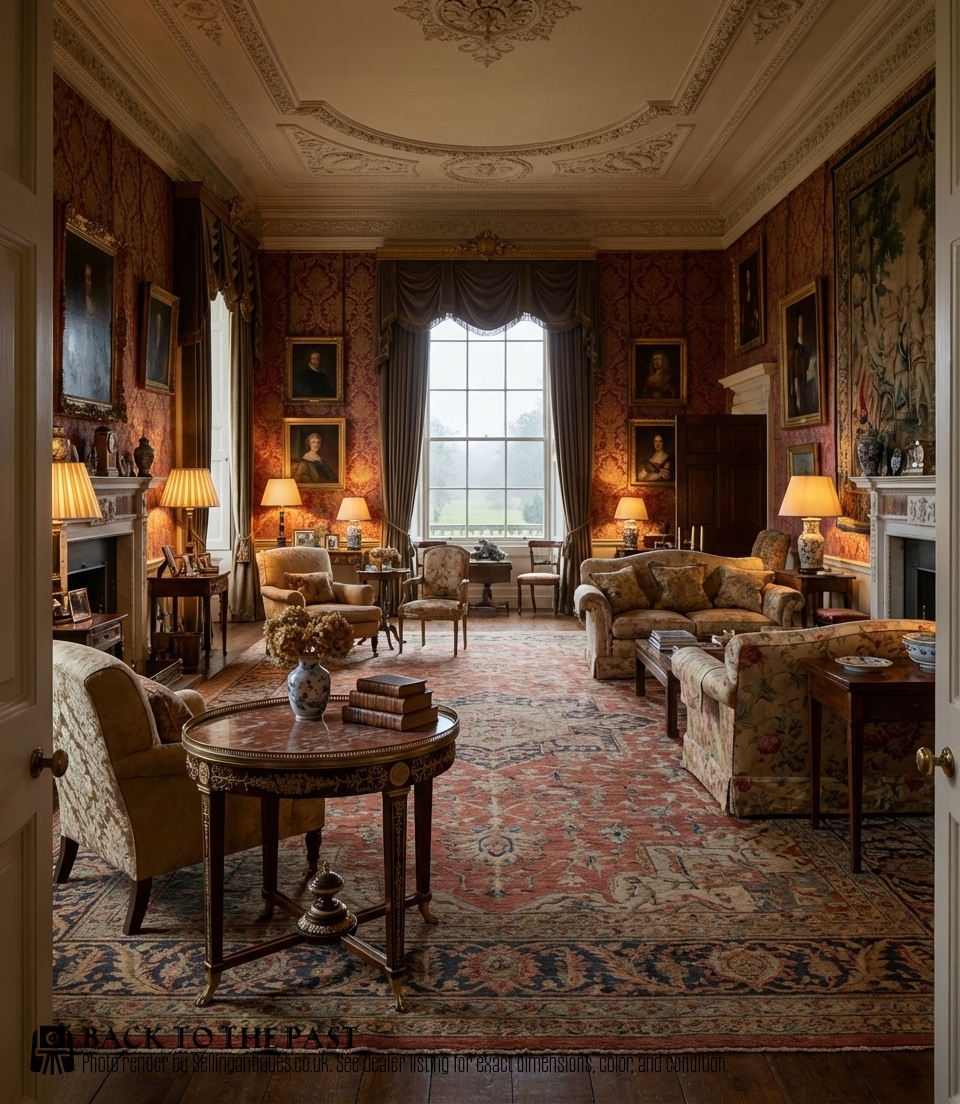
When you search for a gilt bronze occasional table, you encounter decorative small furniture designed primarily for display and light domestic use. These pieces often serve as centre tables, side tables, or lamp tables within principal rooms.
The versions most frequently met on this page span the nineteenth and twentieth centuries, heavily influenced by French design traditions. They take the form of round, oval, and tiered formats utilising diverse timber bodies.
The visual character relies heavily on metal mounts applied to woods like mahogany, walnut, and kingwood. They reflect stylistic revivals including Louis XV, Louis XVI, Empire, and Napoleon III aesthetics.
How they were made
Maker construction combines cabinetmaking timber techniques with cast metal ornamentation. Woods such as mahogany, satinwood, burr walnut, and rosewood form the structural bodies, frequently decorated with marquetry or parquetry inlay.
Metal elements utilise ormolu, brass, and gilt bronze, cast and chased before mounting onto the wooden chassis. Certain examples incorporate inset marble tops and porcelain plaques within the design.
Retail Price Guide 2026
Typical UK retail prices for gilt bronze occasional table, calculated from the Sellingantiques database of over a million retail prices indexed since 2003. This retail price guide relies exclusively on Sellingantiques data; no external sources or auction records are used, so the figures do not describe the wider market.
Materials recorded across the inventory include ormolu, brass, marble, porcelain, and various decorative wood veneers.
What varies in quality
The distinction between standard examples and the finest pieces rests upon the crispness of the metal chasing and the selection of timber veneers. Superior casting reveals sharp detail in the gilt bronze and ormolu mounts rather than soft, blurred edges.
Quality also shows in the integration of secondary materials such as marble tops and porcelain plaques. Cohesive proportion and refined marquetry inlay separate exceptional outputs from simpler workshop productions.
Donald Ross·Linke
The Gilt Bronze Occasional Table Glossary
- Ormolu
- A metallic technique involving the application of a finely ground gold-mercury amalgam to a bronze object. This historic process produces a rich, durable golden surface finish on decorative mounts.
- Marquetry
- The art of applying decorative veneer pieces to a structure to form intricate pictorial or geometric patterns. Craftsmen select contrasting woods to create depth and visual texture.
- Parquetry
- Geometric wood mosaic work used for surface decoration on tabletops and panels. It creates precise patterns such as squares, cubes, and chevrons.
- Étagère
- A piece of furniture consisting of open shelves for displaying small objects. These tiers are supported by slender columns or mounts.
- Gueridon
- A small French table supported by one or more columns or figures. They frequently feature round marble tops and metal mounts.
Frequently Asked Questions
How do I identify French revival styles?
French revival pieces incorporate distinct decorative motifs associated with specific royal periods. Louis XV style shows asymmetrical rococo curves, while Louis XVI style prefers neoclassical symmetry and straight tapered legs.
Empire style draws upon heavy classical antiquity forms with strong bronze mounts. Napoleon III pieces combine eclectic nineteenth-century interpretations of these earlier court aesthetics.
What woods are used in these tables?
Cabinetmakers utilise a variety of figured and exotic timbers for the body and veneer surfaces. Common species include mahogany, walnut, kingwood, rosewood, and satinwood.
Many examples feature decorative parquetry or marquetry patterns across the top and sides. These timbers provide a dark, rich contrast to the bright gilt bronze and ormolu mounts.
How do I care for gilt bronze mounts?
Gilt bronze and ormolu mounts require gentle dusting with a soft, dry cloth to prevent dust accumulation. Avoid abrasive cleaning agents or harsh polishes that can strip the delicate surface finish.
Maintaining stable room humidity protects both the underlying wood and the metal fittings. Excessive moisture can damage the timber veneer and dull the metalwork.