

Antique French Foyer Table
An antique french foyer table brings classical proportion and striking timber or marble into a hallway.
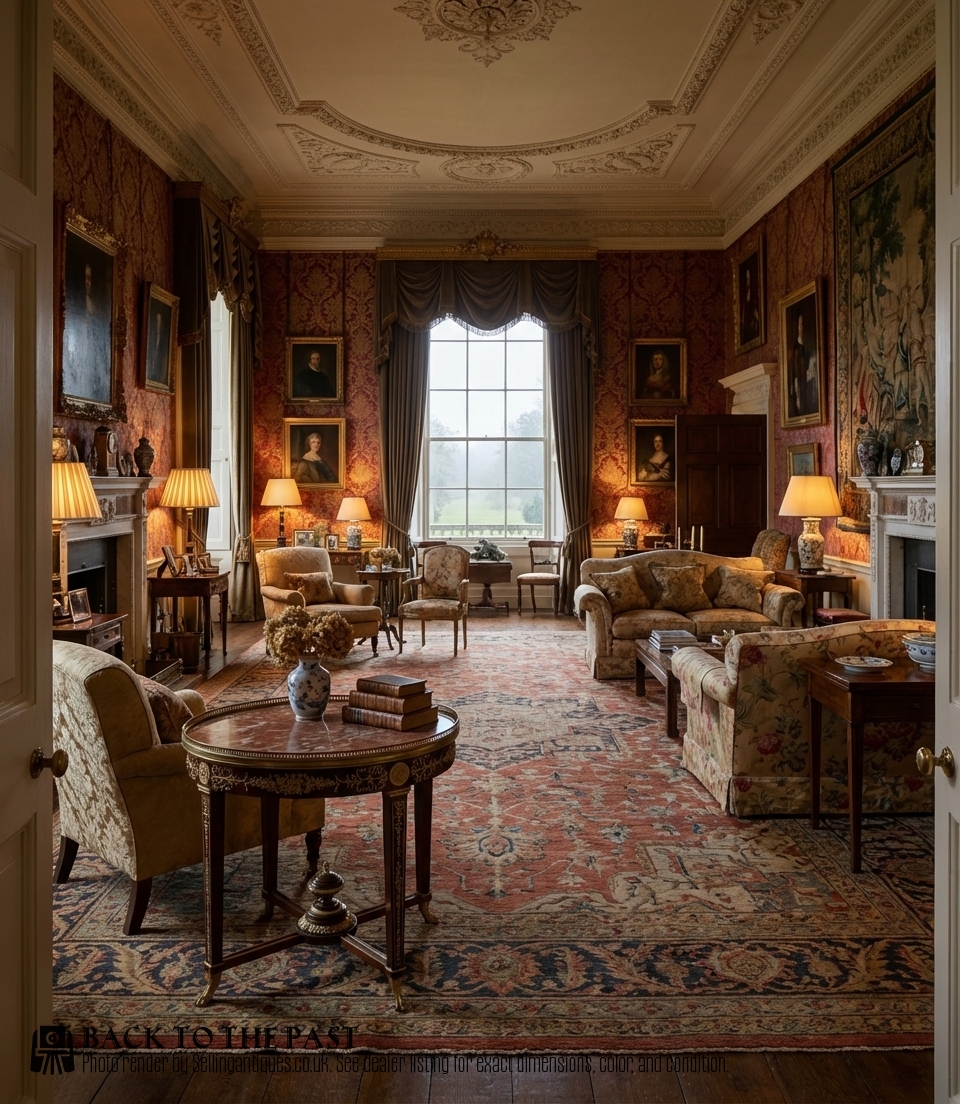
Antique French Foyer Table
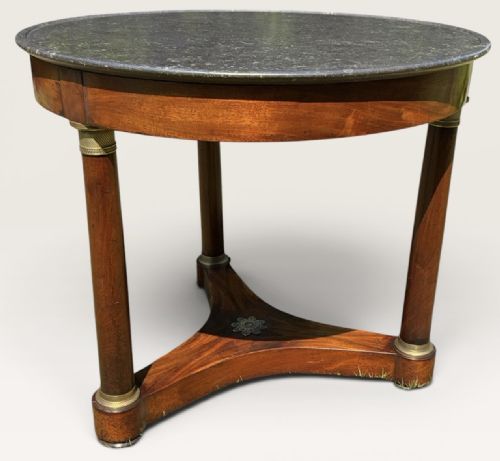
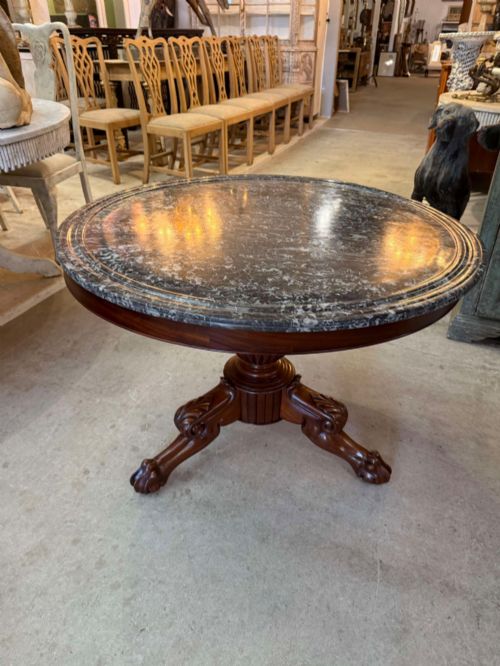
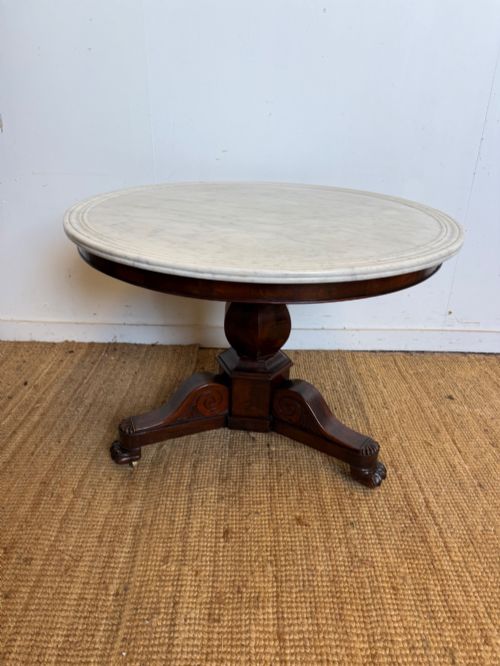
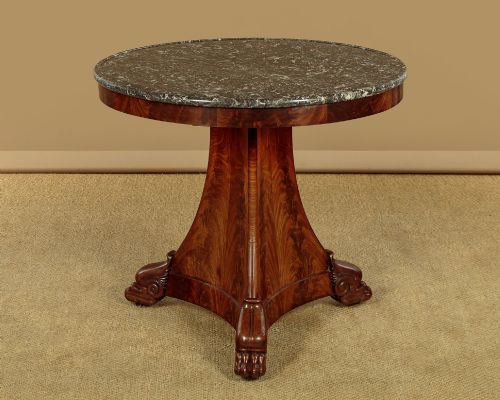
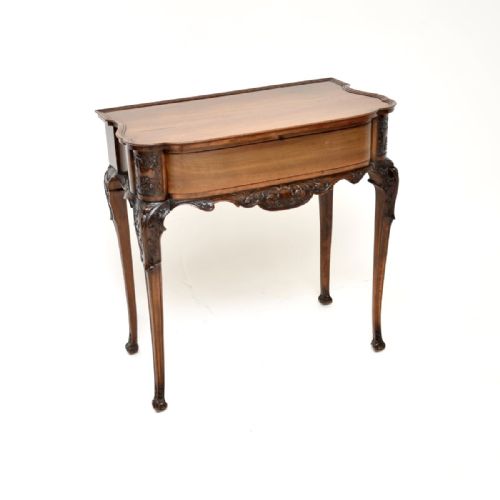
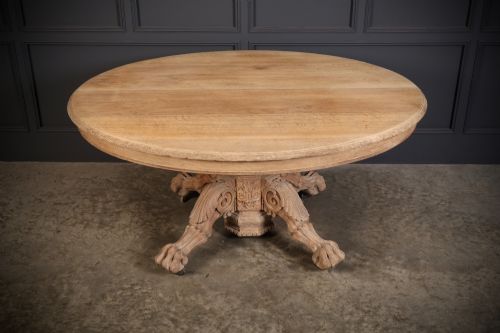
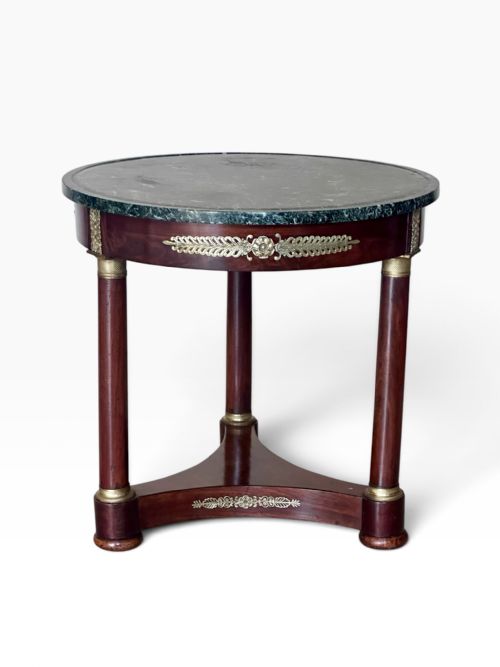
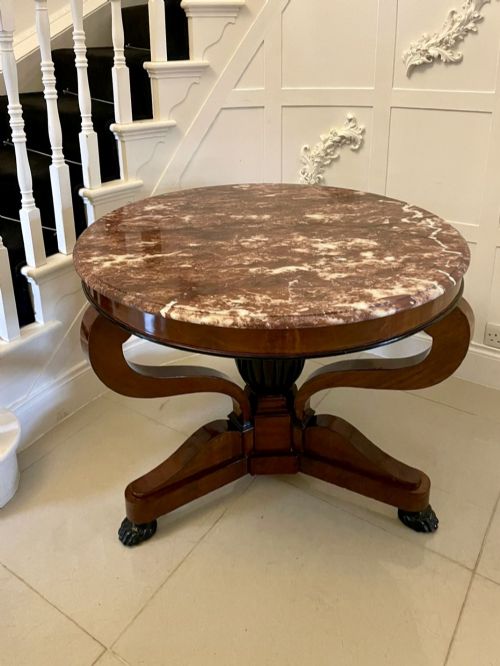
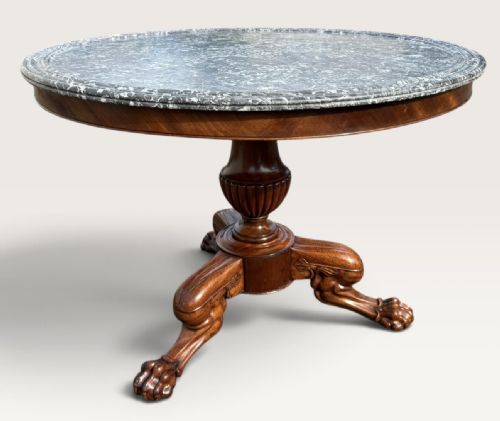
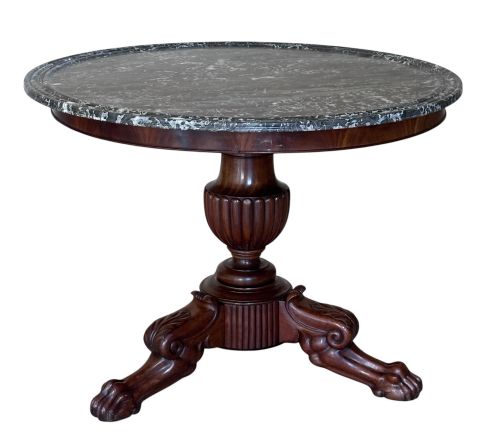
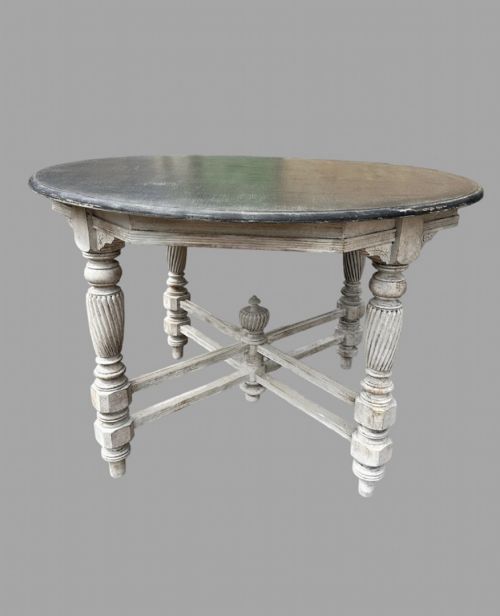
An antique french foyer table encompasses circular gueridons designed to stand centrally and rectangular console tables positioned against a wall. The most common form met here is the freestanding mahogany, walnut, or kingwood gueridon fitted with an inset marble slab.
Pieces span the eighteenth, nineteenth, and early twentieth centuries, drawing upon French Empire, Louis XVI Revival, Rococo, and Provincial design vocabularies. These tables served both decorative and practical purposes in grand entrance halls and reception rooms.
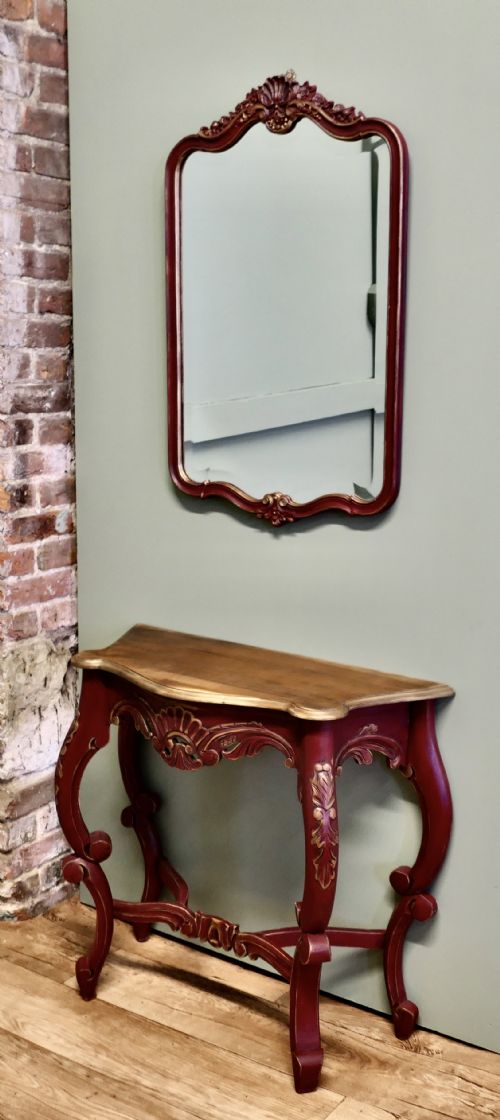
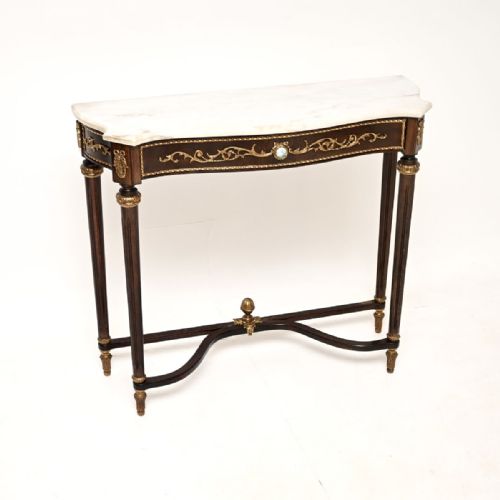
Console tables and console table and mirror sets also appear, offering architectural presence through carved giltwood or painted finishes. Each object reflects the distinct aesthetic priorities of its period of origin, from severe neoclassical lines to exuberant nineteenth-century revival curves.
Distinguishing quality across pieces
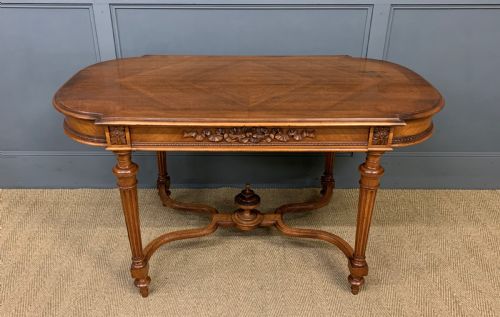
The standard of timber selection and the precision of veneer work dictate much of the visual appeal, separating simple utility furniture from masterwork reception pieces. Figured flame mahogany, intricate parquetry, and dense burr timbers demonstrate superior cabinetmaking ambition.
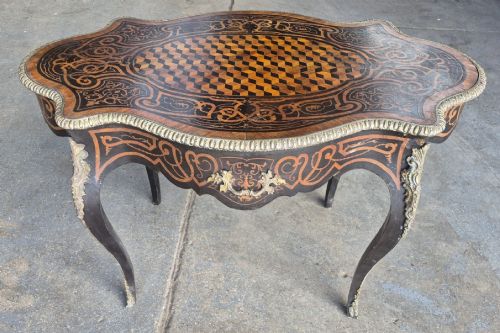
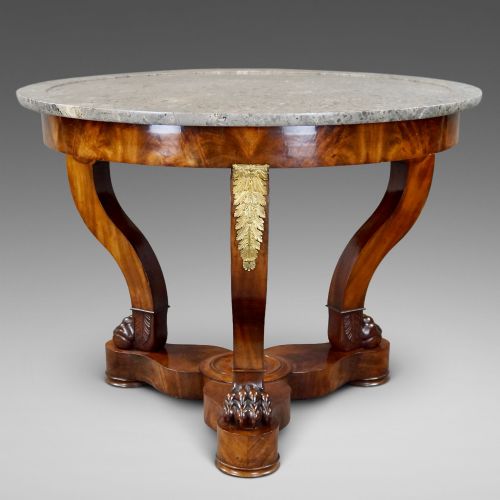
The integration and quality of bronze ormolu mounts and hand-carved wooden details distinguish finer workshops from standard production. Original veined marble tops fitted flush to the wooden aprons further indicate higher manufacturing standards.
Antique French Foyer Table Retail Price Guide 2026
Typical asking prices for french foyer table among the pieces listed under this phrase on Sellingantiques today, from the lower quarter to the upper quarter. They describe what is for sale here now, not the wider market.
Listings feature circular gueridons, console tables, and occasional tables spanning the eighteenth to early twentieth centuries.
François Linke
The Antique French Foyer Table Glossary
- Guéridon
- A small freestanding circular table supported by a central pillar or multiple legs. This form dominates the nineteenth-century selections found on this page.
- Ormolu
- Gilded bronze mounts applied to furniture for decorative enrichment. The technique was widely utilised during the French Empire and nineteenth-century revival periods.
- Console table
- A table designed to stand against a wall, frequently secured with brackets. These pieces often incorporate matching wall mirrors in grand interior schemes.
- Parquetry
- Geometric wood inlay patterns assembled from small veneer tiles. It appears on the tops of select nineteenth-century centre tables.
- French Empire
- A neoclassical design style spanning the early nineteenth century. Pieces often feature dark mahogany, classical bronzes, and strict symmetrical geometry.
Antique French Foyer Table: Frequently Asked Questions
What is a guéridon table?
A guéridon is a circular freestanding table typically designed for the middle of a room or a large hallway. They rest on a central pedestal or a tripod base and frequently feature inset marble tops.
Cabinetmakers built these round tables in mahogany, walnut, and exotic veneers during the nineteenth century. Their compact footprint made them versatile for holding lamps or decorative objects.
How do I style a console table?
Console tables sit flat against a wall, making them suited for narrow hallways and entrance foyers where floor space is limited. Pairing them with a wall mirror creates a balanced focal point upon entering the home.
Because console tables possess flat backs, they anchor easily beneath artwork or sconces. They provide a stable surface for displaying ceramics or lighting without obstructing passage.
How do I identify French Empire style?
French Empire pieces date from the early nineteenth century and rely on strict neoclassical symmetry. They frequently incorporate dark mahogany timbers contrasted with bright ormolu mounts.
Motifs inspired by classical antiquity, such as rams' heads and swans, appear carved into the woodwork or cast in bronze. The overall silhouette remains bold and architectural.
Are marble tops original to these tables?
Many nineteenth-century tables were manufactured specifically to house inset marble slabs. The weight of the stone helps anchor the freestanding pedestals securely.
Original marble tops typically show natural veining and fit flush into the surrounding wooden rebates. The presence of matching edge profiles indicates the stone was cut for that specific frame.