
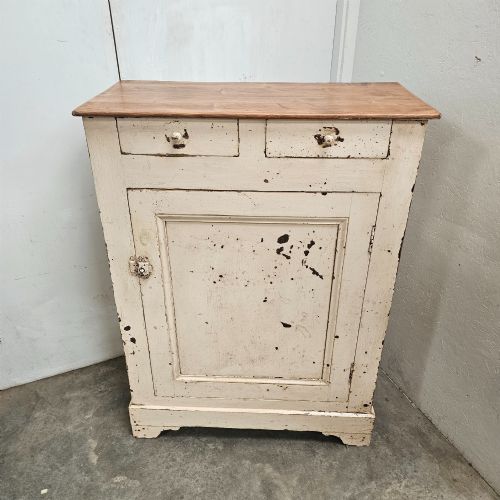

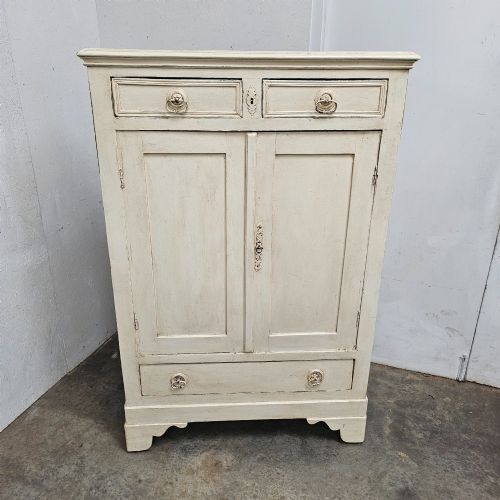
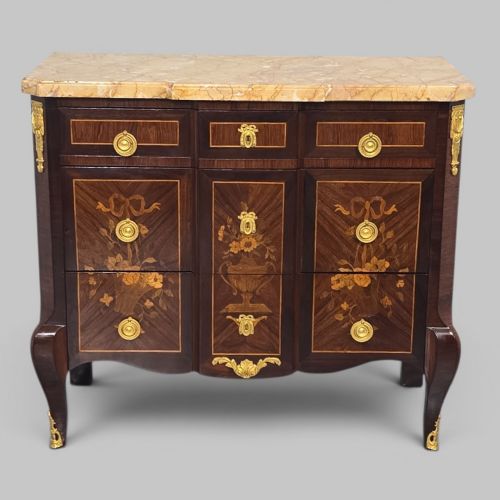
French Provincial Storage Cabinet
These french provincial storage cabinet examples bring rural utility and provincial craftsmanship together for everyday storage.
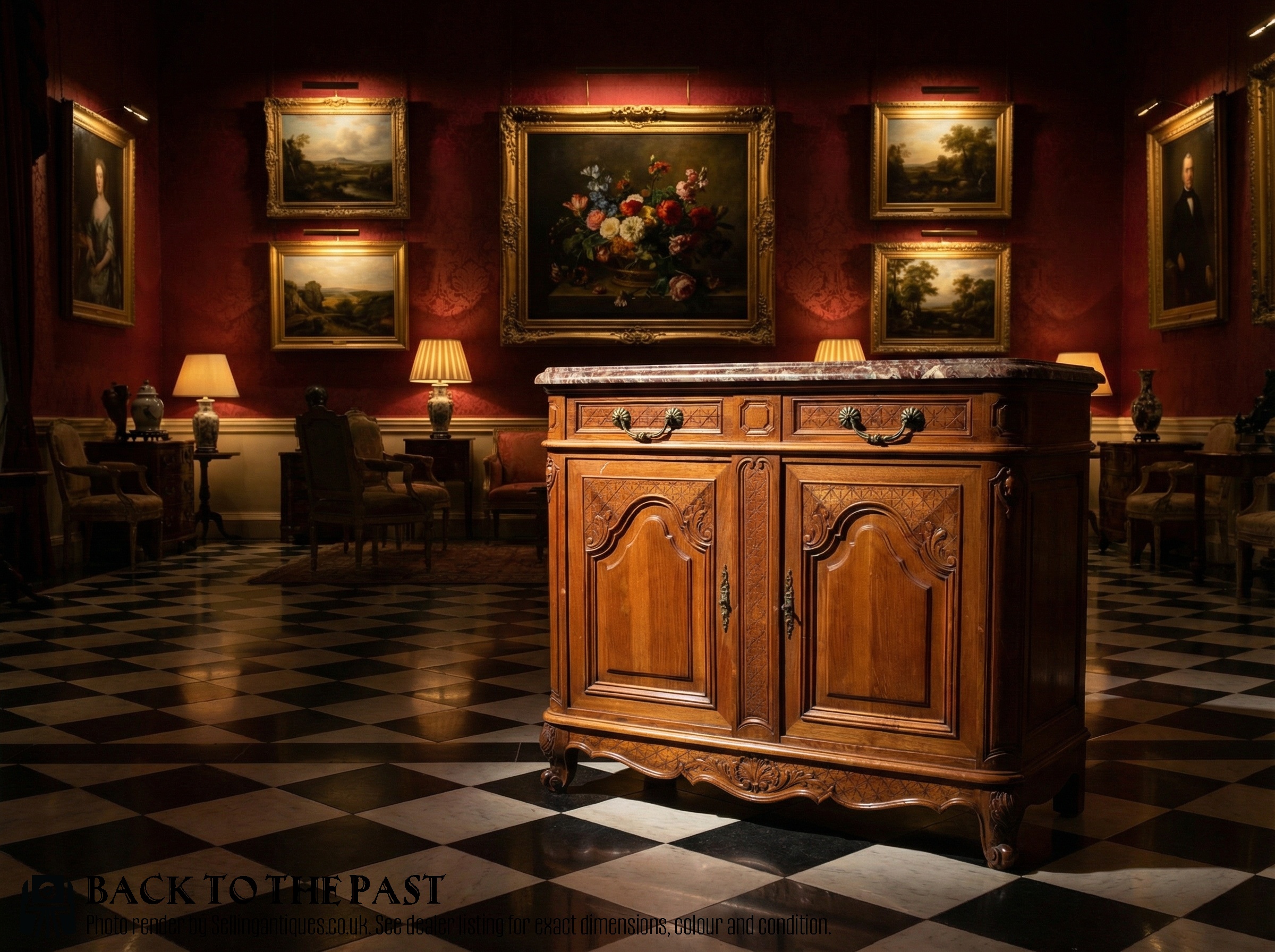
French Provincial Storage Cabinet
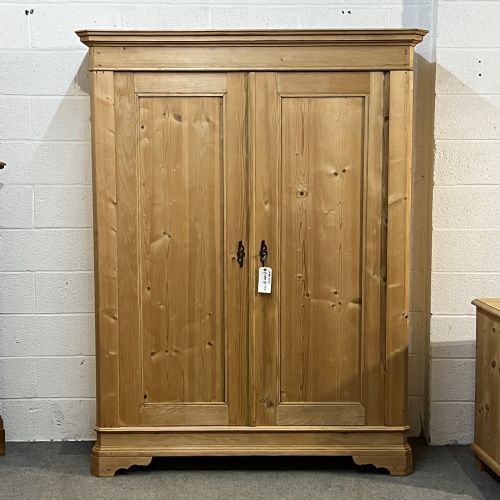
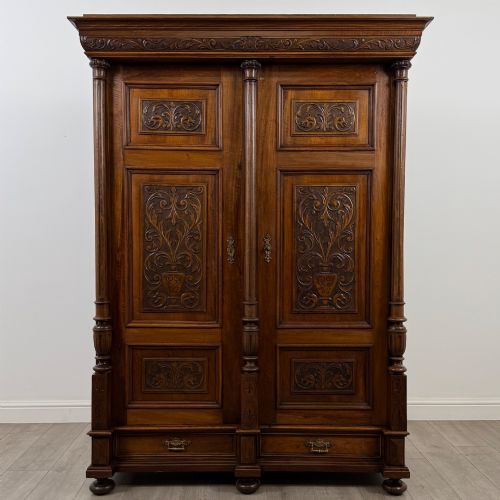
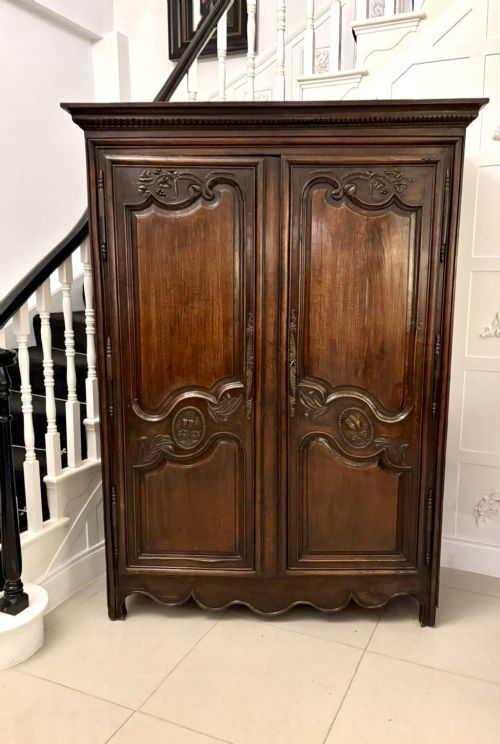
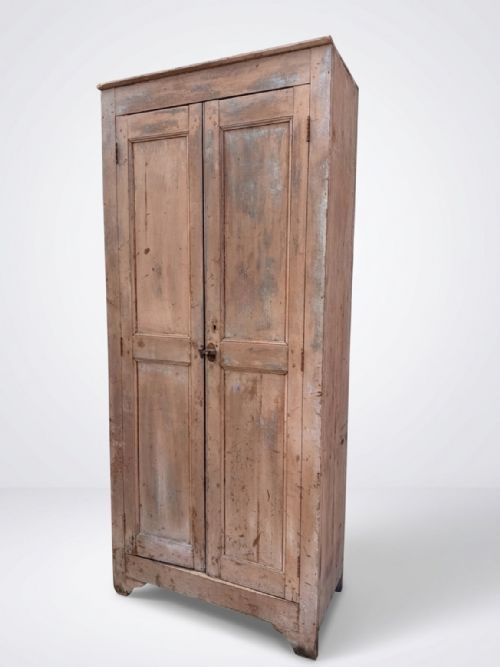
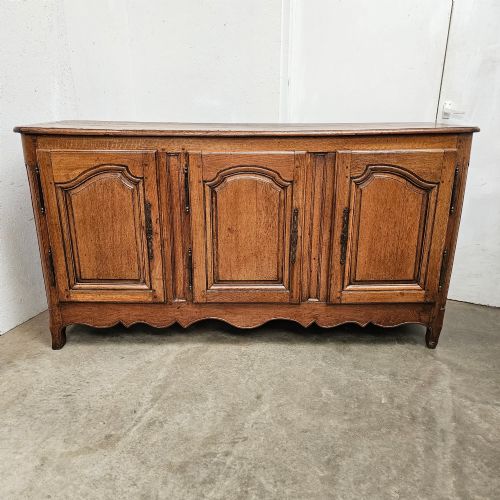
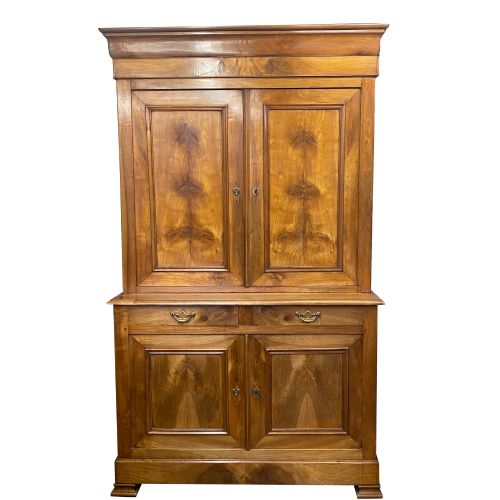
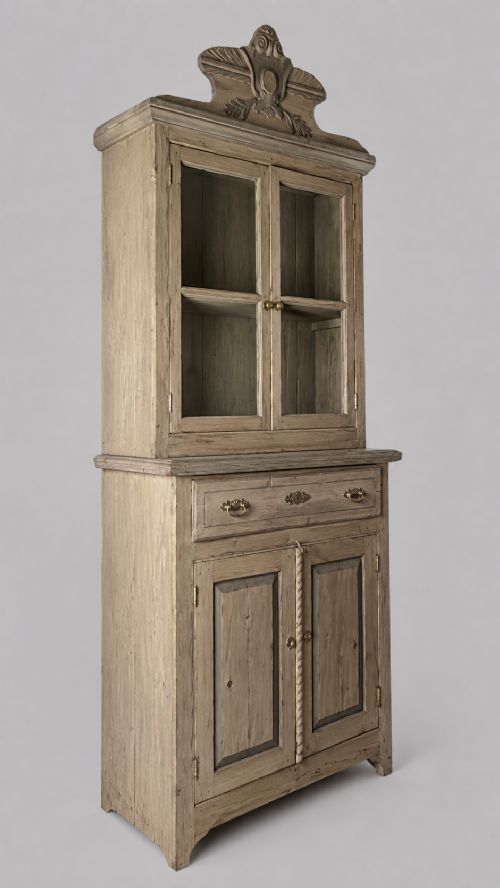
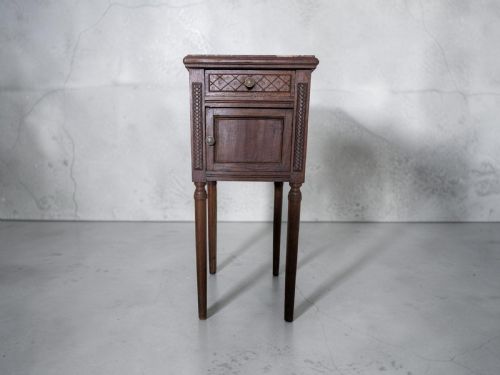
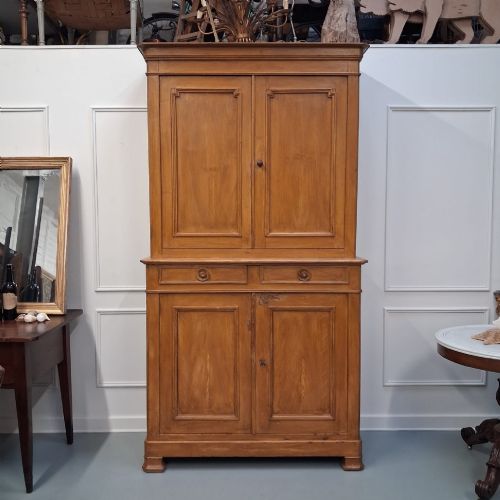
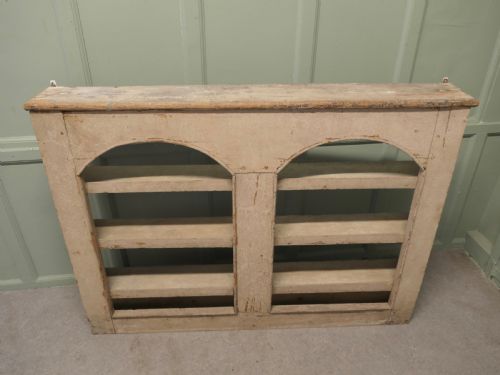
A french provincial storage cabinet encompasses everything from tall oak armoires and housekeeper cupboards to low buffets and bedside tables. The pieces emerge primarily from regional workshops and rural homes across the eighteenth and nineteenth centuries. Buyers frequently encounter oak, cherrywood, and painted pine incarnations suited for modern domestic storage.
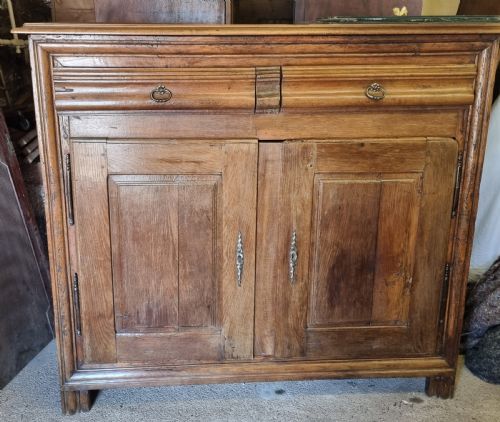
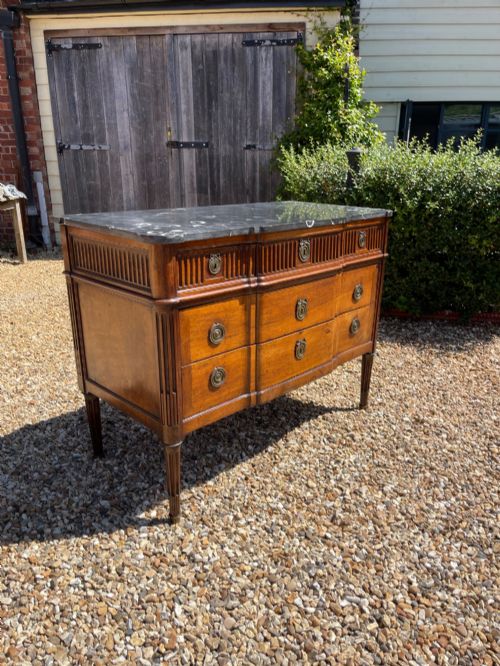
Forms vary from robust food cupboards and confituriers to marble-topped commodes and enfilades. Regional pieces often display distinct characteristics, such as the mountain cupboards and larder cabinets built for provincial farmhouses. These practical items now serve as substantial storage furniture in contemporary settings.
How they were made
Local joiners relied on solid regional timbers like oak, walnut, cherrywood, and fruit wood to construct durable carcasses. Panel construction and traditional joinery accommodated the seasonal movement of unseasoned timber in rural workshops. Iron hinges and brass escutcheons secured heavy doors on wardrobes and food cupboards.
Surfaces often received layers of paint, wax, or natural finishes that weathered with age. Later iterations incorporated marble tops onto commodes and side cabinets, while marquetry and inlay work appeared on more formal regional pieces.
Listings feature pieces spanning from the 17th century through the 1930s, utilising materials such as marble, brass, oak, walnut, pine, and cherrywood.
What varies in quality
Construction methods and timber selection set regional pieces apart from one another. Heavy oak and burr elm examples with original hardware demonstrate superior joinery compared to later alterations or composite builds. The integrity of the timber and the crispness of carved panels dictate the tier of craftsmanship.
Original painted surfaces or untouched patination on eighteenth-century fruit wood command greater interest than stripped or heavily restored exteriors. Proportion and the retention of original interior shelving also define the distinction between standard utility items and finer provincial cabinet-making.
The French Provincial Storage Cabinet Glossary
- Enfilade
- A long sideboard or buffet featuring a sequence of doors, typically three, designed for dining room storage. This form originated in large French country houses.
- Confiturier
- A small cupboard traditionally utilised for storing confits or preserves in French country kitchens. These compact storage cabinets often feature a single door above a small drawer.
- Bombe
- A swelling or convex curved outline characteristic of certain commodes and drawer fronts. This profile requires skilled timber shaping.
- Commode
- A low chest of drawers or cabinet designed for domestic storage. French examples frequently incorporate marble tops.
- Sacristy cabinet
- A low buffet originally built for ecclesiastical or rural domestic storage. These sturdy pieces functioned in kitchens or hallways.
French Provincial Storage Cabinet: Frequently Asked Questions
What is a French confiturier?
A confiturier is a small jam cupboard built to store preserves in rural French homes. They offer compact storage while retaining traditional provincial styling.
These pieces typically feature a single door and a small drawer, making them suitable as bedside cabinets or small side tables in modern rooms.
How do I use a housekeeper cupboard?
Housekeeper cupboards provide tall, shelved storage suitable for linens, crockery, or dry goods. Their substantial height makes them practical focal points in kitchens or utility spaces.
Many examples feature two or three doors hiding deep interior shelving originally designed for farmhouse provisions.
Are marble tops original to these cabinets?
Marble tops appear frequently on commodes, bedside tables, and side cabinets dating from the nineteenth and early twentieth centuries. They provided a durable, wipe-clean surface for washing and storage.
When assessing a piece, check that the marble sits flush and matches the proportions of the wooden base.
What is the difference between an armoire and a wardrobe?
An armoire is a traditional large freestanding cupboard, often originating from regional French workshops with deeply carved doors and heavy iron hardware. Wardrobes serve a similar hanging function but can span various European and Victorian styles.
Provincial armoires often utilise solid oak or fruit wood construction with pegged joinery.