


Antique Elm Credenza
An antique elm credenza brings domestic warmth and rich grain to a room through solid timber construction and enduring cabinetmaking traditions.
Antique Elm Credenza
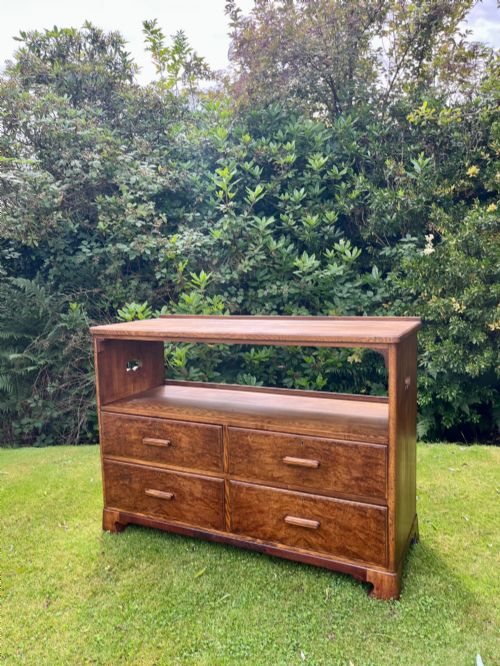
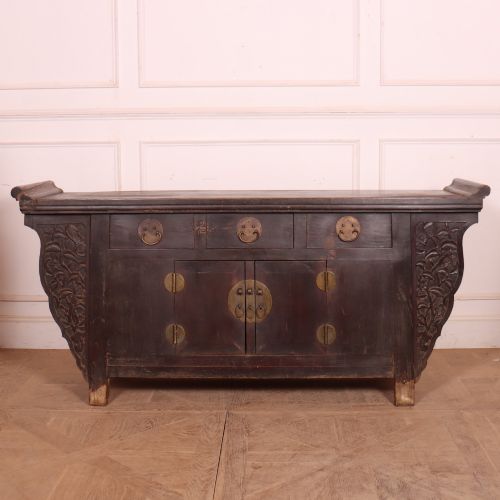
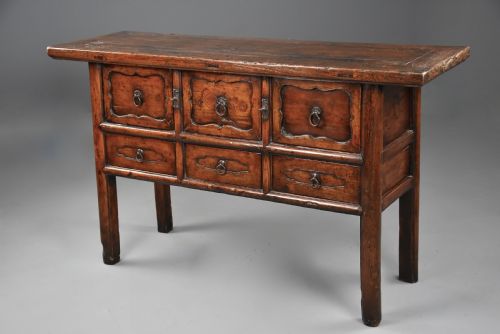
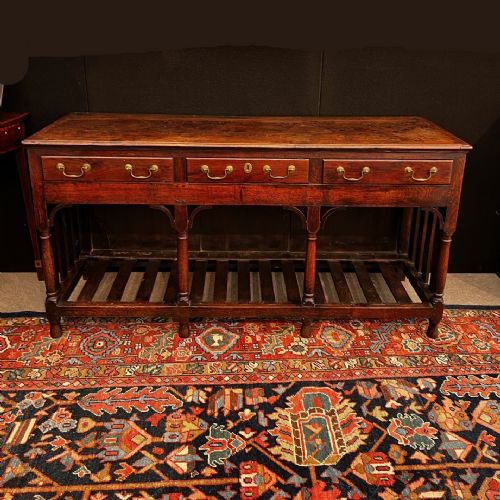
When you search for an antique elm credenza, you encounter a variety of storage furniture including sideboards, side cabinets, dresser bases, and commodes. These pieces serve functional storage needs while providing a strong visual anchor in dining rooms and living spaces.
The selections span multiple eras and origins, incorporating Georgian, Art Deco, Arts and Crafts, and Chinese Provincial styles. Elm and burr elm provide the primary timber character across these domestic storage forms.
Most examples originate from the nineteenth century, alongside eighteenth-century items and pieces from the nineteen-twenties and thirties. The range includes formal European commodes and rustic Chinese storage cabinets.
Materials and construction
Elm and burr elm supply the foundational timber, often paired with secondary woods like oak or mahogany. Marquetry work and carved details appear on specific Georgian and Chinese examples.
Metal elements such as brass, iron, and steel provide structural hardware, hinges, and drawer pulls. Marble tops feature on certain continental commodes.
Joinery methods vary from traditional European cabinetmaking to Chinese provincial construction techniques. Timber surfaces receive polished finishes to highlight natural grain patterns.
Elm timber was traditionally favored for water pipes and coffins because it resists rotting when constantly wet.
Assessing quality in elm furniture
The grade of timber defines the visual appeal, particularly where highly figured burr elm or deliberate marquetry patterns are utilised. Superior pieces display thoughtful grain matching across drawer fronts and top surfaces.
Construction integrity separates standard utility items from finer cabinetwork, visible in the tightness of joints and the smooth operation of drawers and doors. Original hardware and stable patination contribute significantly to the standing of a piece.
Whytock and Reid·The Woodworkers Ltd Kilkenny
The Antique Elm Credenza Glossary
- Burr elm
- A growth deformity in the elm tree that produces highly figured, swirling grain patterns. Cabinetmakers prize this timber for decorative veneer and solid panel work.
- Dresser base
- A low wooden storage unit featuring drawers and cupboards beneath a flat top surface. These utilitarian pieces originated in farmhouse kitchens before entering formal reception rooms.
- Commode
- A low French or Dutch chest of drawers designed for domestic storage. Eighteenth and nineteenth-century versions frequently incorporate marble tops and marquetry.
- Console table
- A narrow table placed against a wall, sometimes fitted with drawers. Chinese provincial examples utilise elm construction for simple yet robust domestic placement.
- Patina
- The surface sheen and colour acquired by timber through age, handling, and regular polishing. A fine patina indicates decades or centuries of careful maintenance.
Antique Elm Credenza: Frequently Asked Questions
How do I clean antique elm?
Dust surfaces regularly with a soft, dry cloth to prevent dirt accumulation.
Apply occasional coats of quality beeswax to nourish the timber and maintain its natural lustre without using modern silicone sprays.
Are these cabinets suitable for modern homes?
The compact proportions of many side cabinets and commodes allow them to fit easily into contemporary hallways and living spaces.
Their substantial storage capacity provides practical utility while introducing historical character and warmth to modern interiors.
How do I tell Chinese elm from European pieces?
Chinese provincial furniture typically exhibits simpler joinery traditions, rustic construction, and regional Shanxi styling.
European examples often align with formal periods such as the Georgian era or Art Deco movement, displaying distinct regional hardware and decorative veneers.
What causes burr patterns in elm?
Burr timber forms from a tree's reaction to stress, injury, or viral infection, which causes bud tissue to grow in a chaotic, swirling mass.
Cabinetmakers slice these formations into thin veneers or use them for solid panels to create striking decorative effects.