
French Mantle Mirror Gold
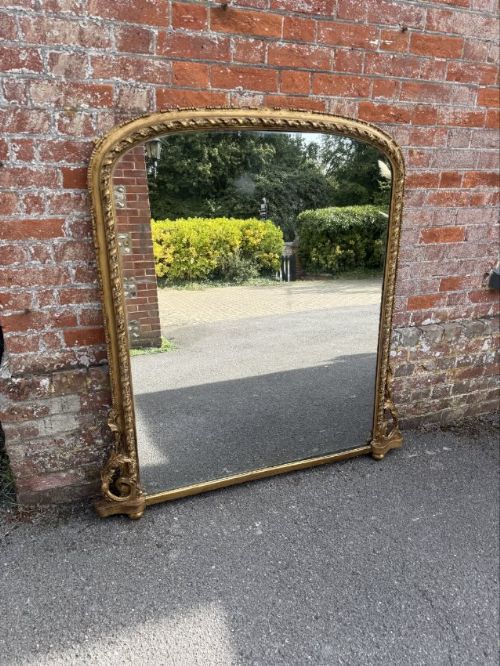
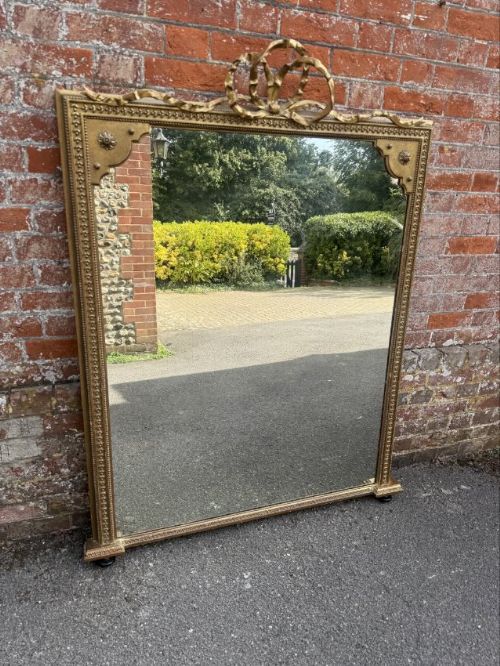
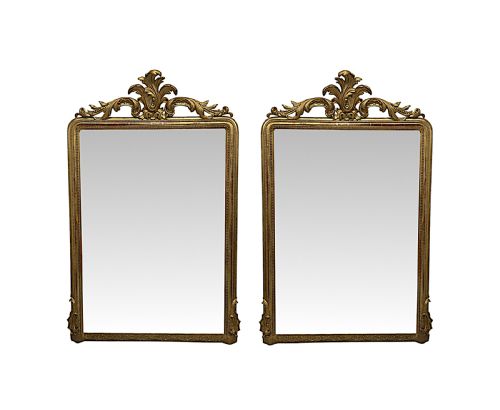
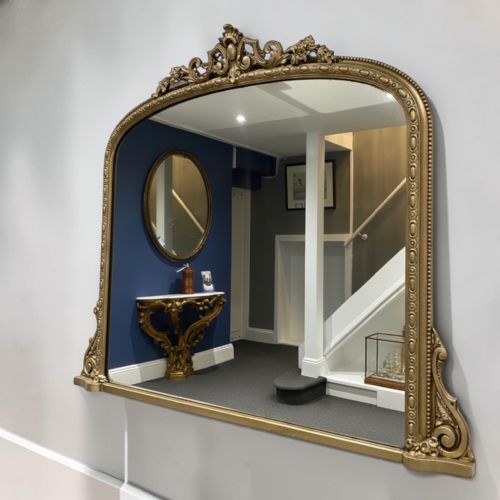
When you search for a french mantle mirror gold, you seek a luminous architectural glass piece designed to command a fireplace surround.
French Mantle Mirror Gold
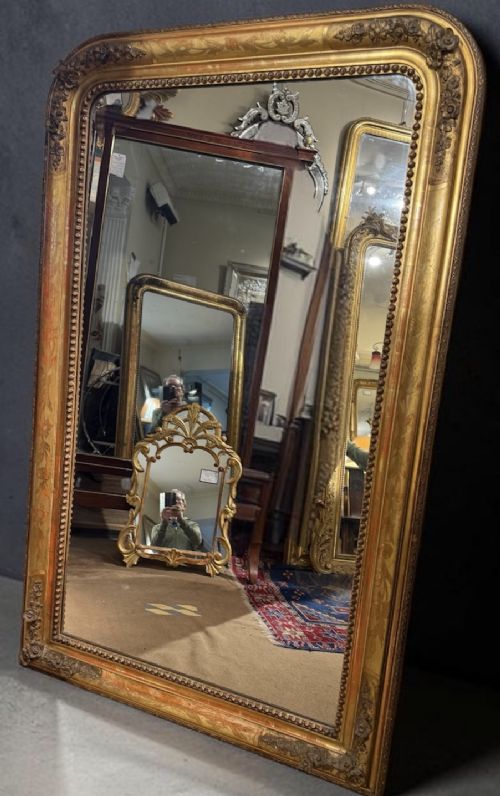
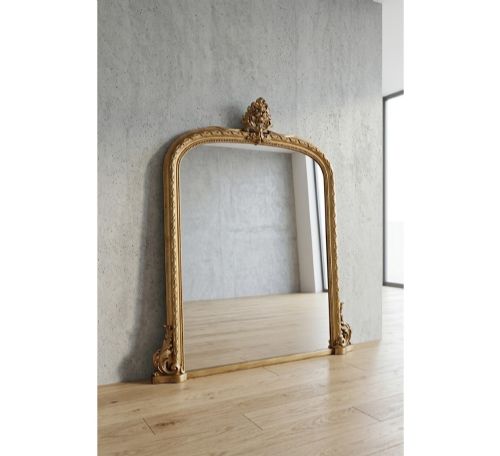
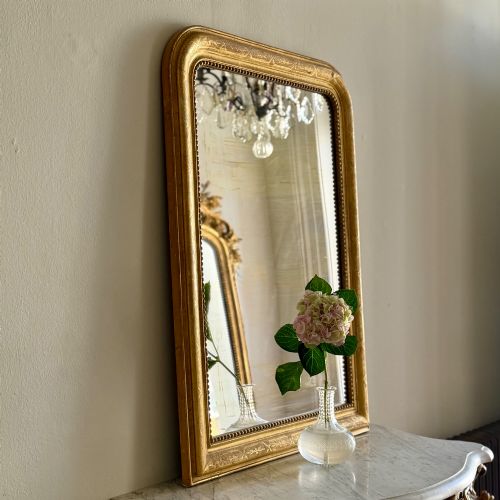
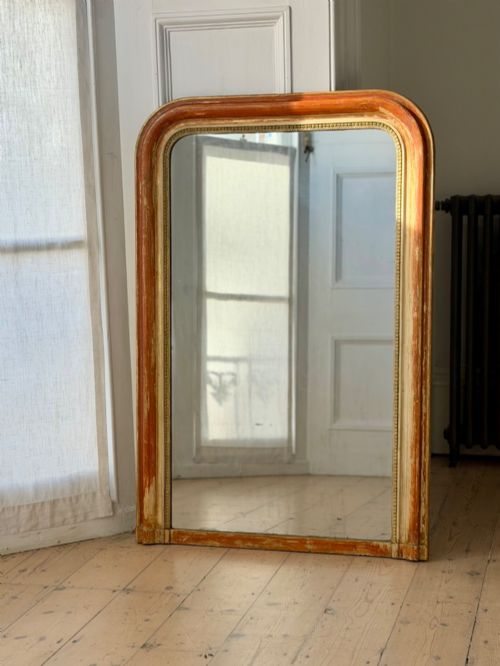
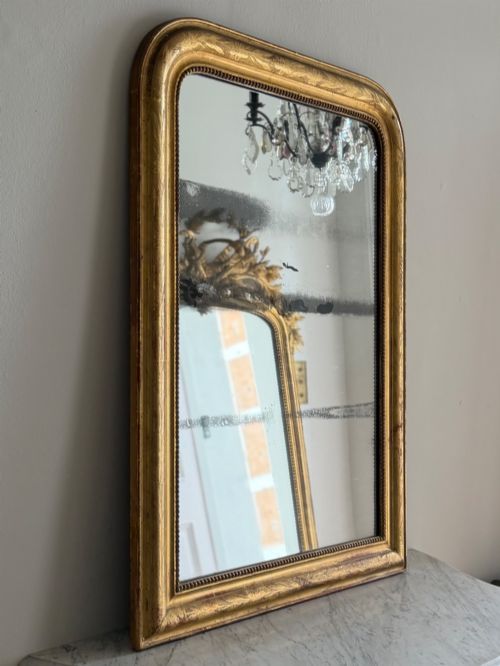
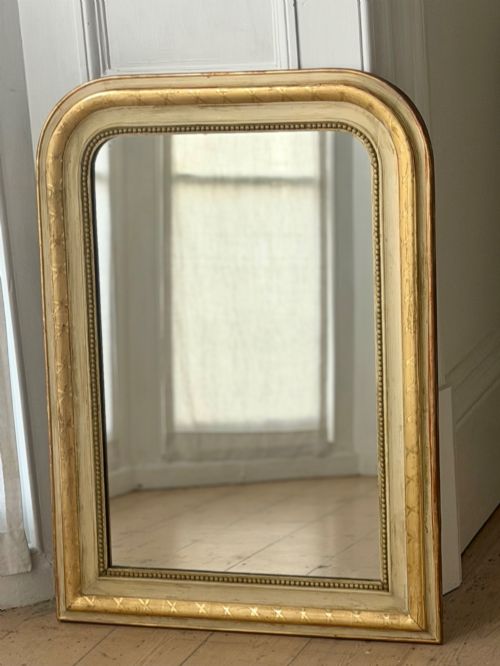
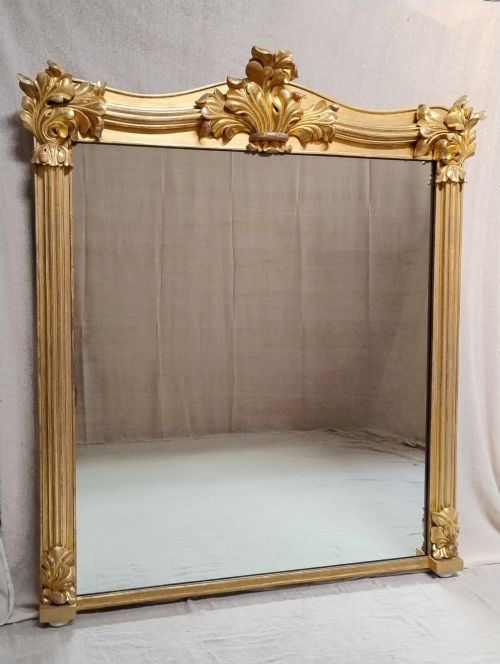
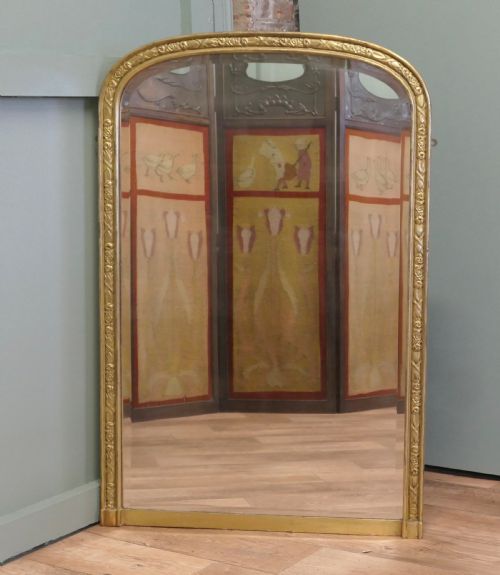
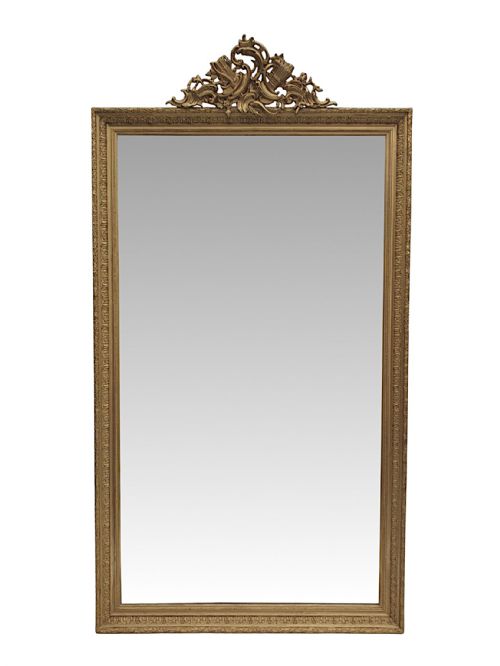
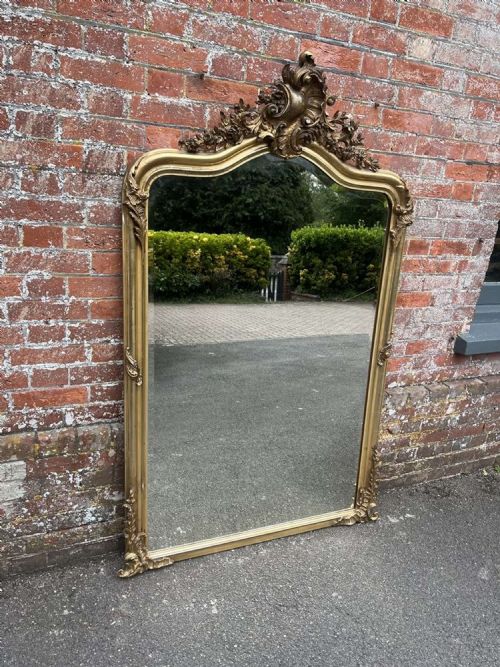
A french mantle mirror gold search brings up large architectural glass panels designed to sit directly above a fireplace, alongside related wall mirrors. These pieces originate predominantly from the nineteenth century, encompassing styles such as Louis Philippe, Rococo Revival, and Louis XVI.
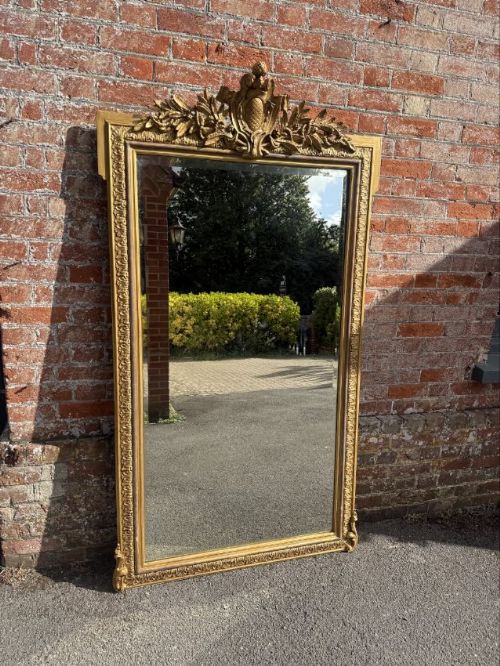
The physical formats vary from arched tops and shaped frames to triple plate constructions and massive giltwood leaner mirrors. Buyers frequently encounter nineteenth century French examples featuring traditional proportions alongside English interpretations of similar decorative themes.
Materials and construction
Makers built these frames using carved wood, gesso, and solid giltwood, applying gold leaf or gilding to the prepared wooden surfaces. Many period examples retain mercury glass or original mirror glass, occasionally showing foxing accumulated over the decades.
The joinery and carving support substantial weight, particularly on large overmantel and wall formats. Artisans shaped gesso over carved wooden foundations to create intricate decorative details, rope twist borders, and ornate crests.
The inventory spans the eighteenth century through to the late nineteenth century, encompassing Victorian and Regency periods alongside French styles.
Assessing quality
Quality rests in the crispness of the carved wood and gesso ornament, where deeper relief and sharper detail separate superior framing from simpler production. The preservation of the original gilt surface and the character of the mirror glass contribute significantly to the standing of a piece.
Structural integrity of the heavy wooden frames and the depth of the original gilding dictate the overall presence of the glass. Pieces that retain untouched mercury glass plates alongside unblemished carved gesso ornamentation represent the pinnacle of the maker's art.
The French Mantle Mirror Gold Glossary
- Giltwood
- Wood carved and then covered with gold leaf or a gilt finish. This material forms the primary structure of the most decorative frames.
- Gesso
- A plaster mixture applied to carved wood to create a smooth surface for gilding. Artisans mould this material into intricate relief decorations.
- Mercury glass
- A type of silvered glass produced by pouring a mercury amalgam behind the glass plate. It yields a distinctive mottled reflection seen in older pieces.
- Overmantel mirror
- A large wall mirror specifically proportioned to hang above a fireplace mantle. These objects often feature arched or shaped tops to fit architectural spaces.
- Louis Philippe
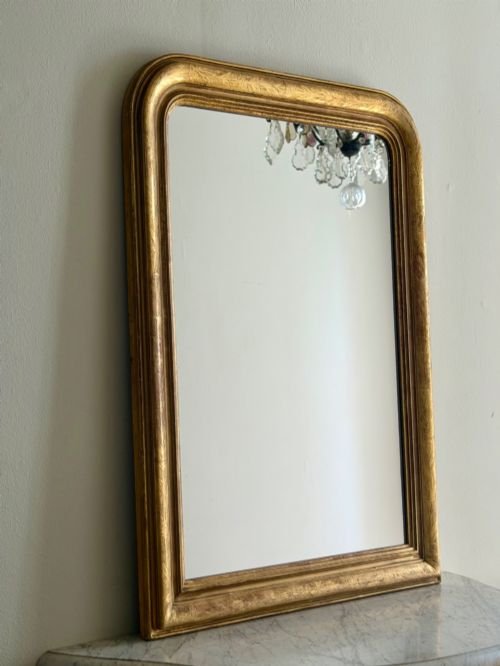
- A nineteenth century French style characterised by restrained curves and simple elegance. These frames typically feature rounded top corners and subtle moulded details.
French Mantle Mirror Gold: Frequently Asked Questions
Where should I hang an overmantel mirror?
These mirrors are traditionally positioned directly above a fireplace mantle to reflect light and anchor the room's proportions. Their substantial scale allows them to function effectively as standalone wall pieces in grand spaces.
Ensure the wall construction and fixings can support the considerable weight of carved wood and heavy glass panels. Professional installation is recommended for large formats.
What is mercury glass?
Mercury glass is an early silvering technique utilising a mercury amalgam poured between double-walled glass or applied to the rear of a single plate. It creates a warm, deep reflection that distinguishes period mirrors from modern alternatives.
Over time, this material develops natural foxing, which appears as dark spots and atmospheric clouding within the glass. Collectors prize this authentic ageing process for its visual depth.
How do I identify a Louis Philippe mirror?
Louis Philippe mirrors typically feature a simple rectangular shape with rounded upper corners and a subtle, sweeping architectural curve at the top crest. The framing relies on understated moulded decoration rather than heavy carving.
These pieces date from the nineteenth century and offer a clean aesthetic that bridges classical and simpler domestic interiors. They work well in both traditional and contemporary settings.