
French Gilded Mirror Frame
A French gilded mirror frame brings reflection and gilt splendour into a room, drawing the eye with carved wood, gesso and gleaming leaf.
French Gilded Mirror Frame
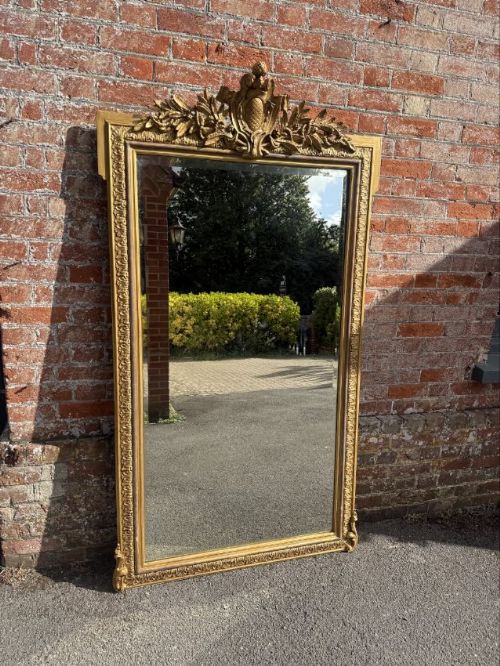
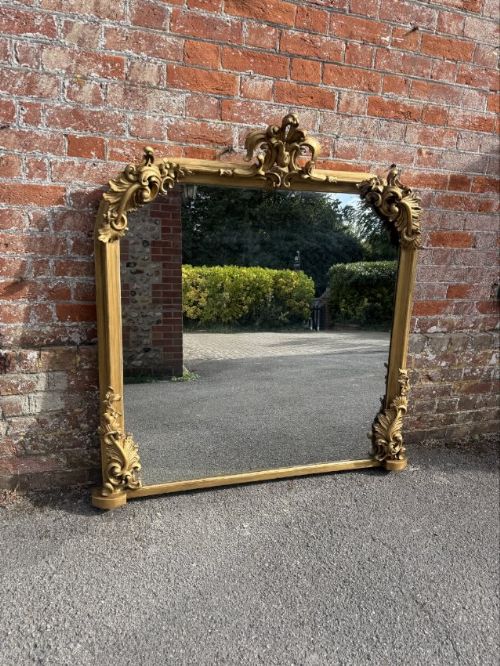
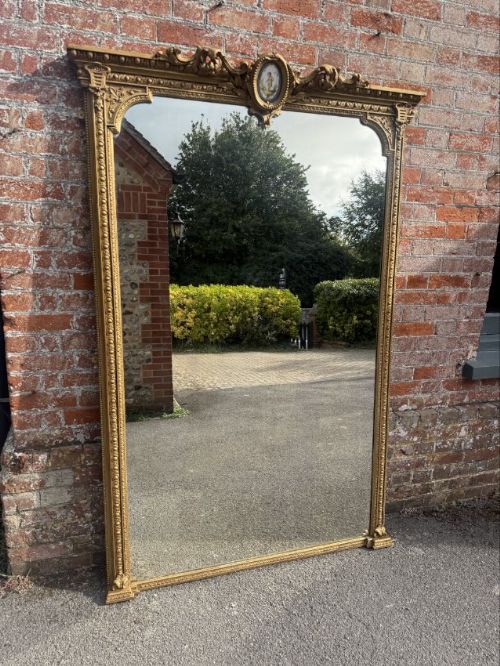
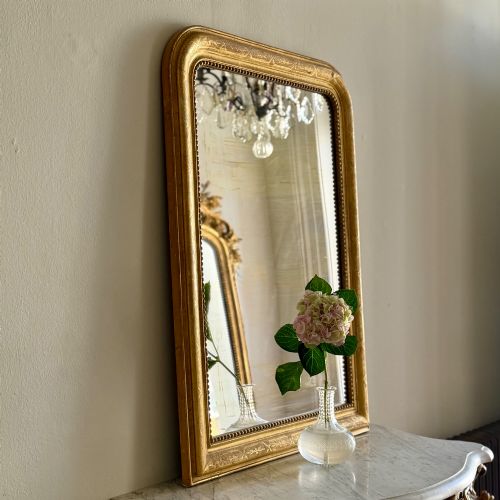
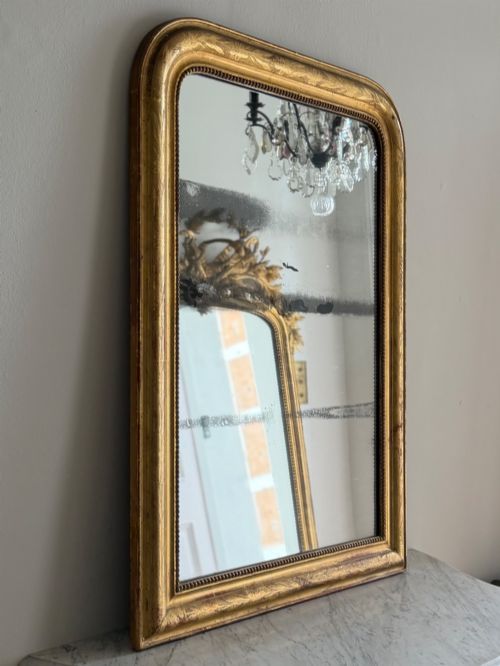
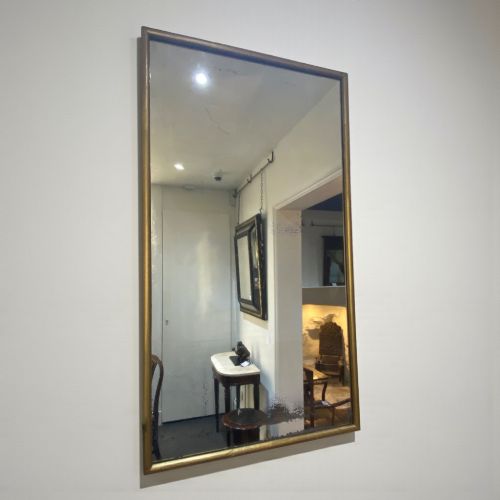
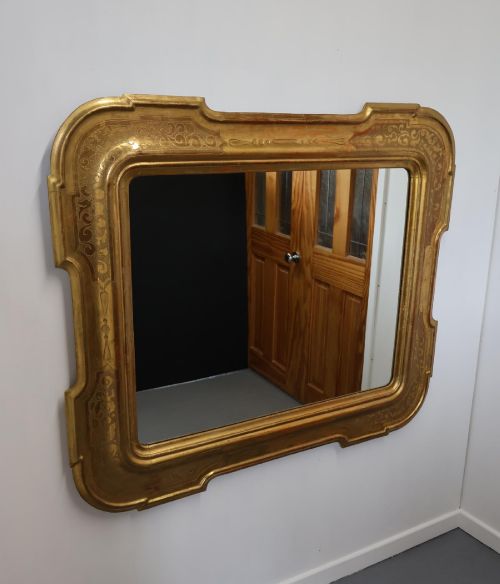
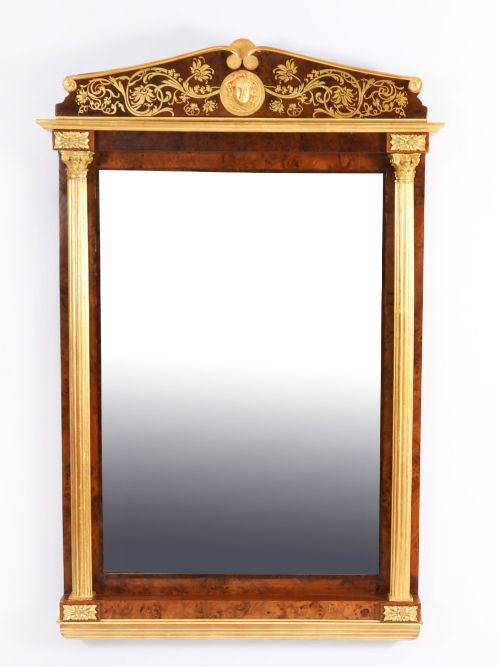
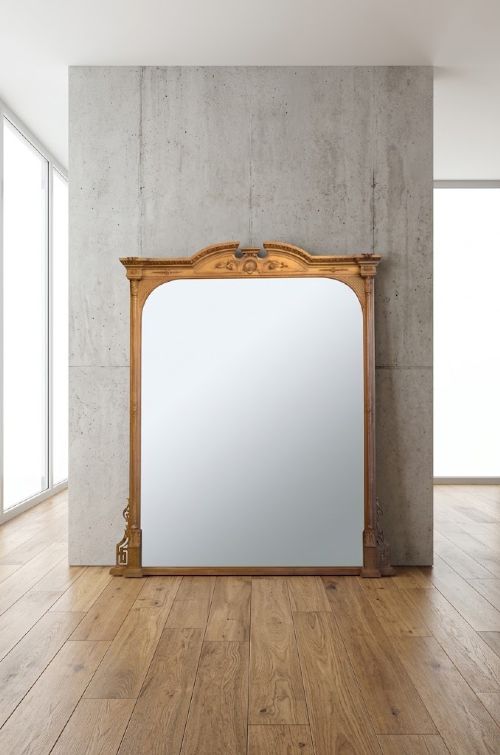
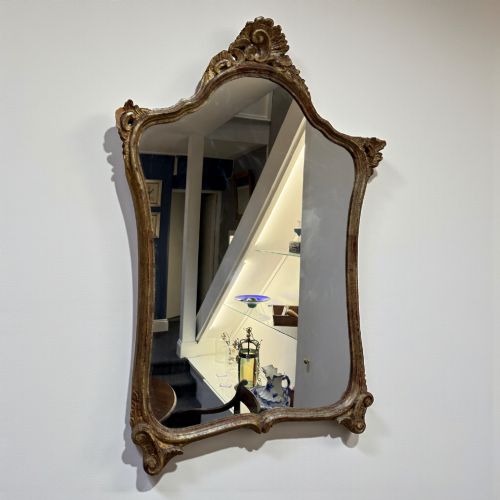
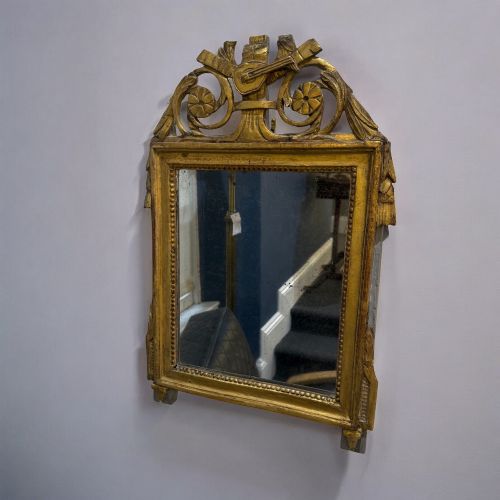
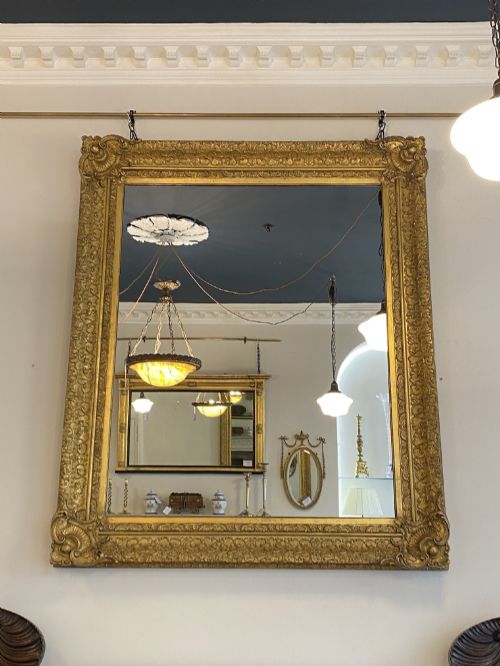
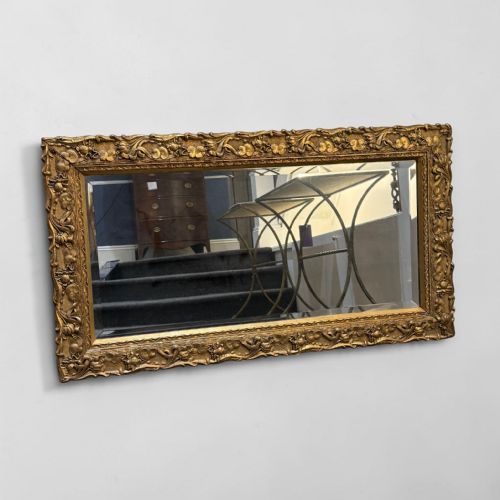
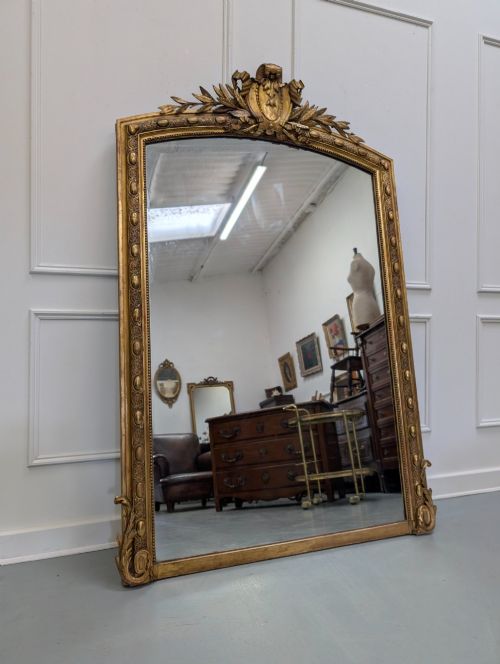
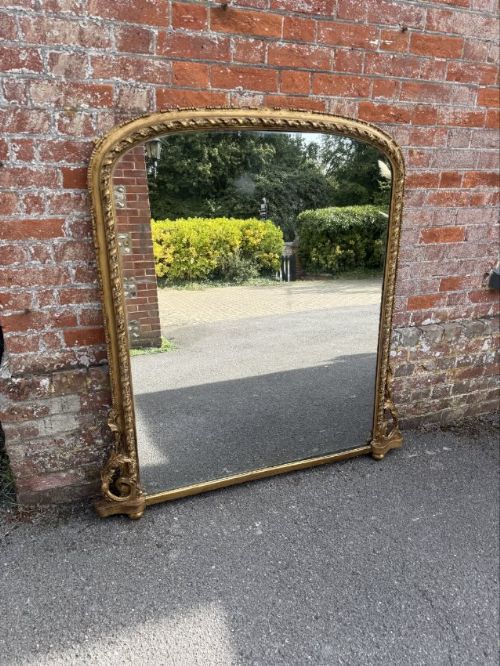
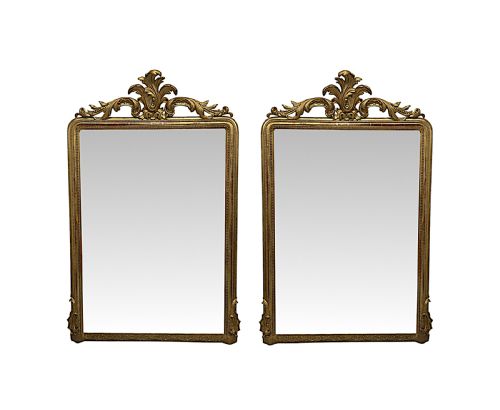
A French gilded mirror frame is a decorative border designed to hold glass, appearing across periods from the eighteenth century through the nineteenth and into the twentieth. When searching for a French gilded mirror frame, a buyer most frequently encounters nineteenth-century interpretations, including Louis Philippe, Rococo Revival and Napoleon III styles.
These items take various forms on this page, ranging from tall wall mirrors and pier glasses to large overmantels and trumeau mirrors with integrated oil paintings. Originating largely from French workshops or English makers influenced by continental taste, they serve both functional reflection and decorative architectural presence.
The selection encompasses rectangular, arched, oval and cushion-framed shapes, sometimes accompanied by crests, ribbon motifs or floral carvings. Each piece reflects the interior aesthetic of its era, from restrained classical lines to exuberant Rococo curves.
How they were made
The construction of a French gilded mirror frame relies on a foundation of carved wood, timber or plaster, shaped into intricate mouldings and structural frames. Artisans applied layers of gesso to the wooden base to create a smooth, receptive surface for subsequent gilding techniques.
Gilding was achieved using gold leaf applied over bole, or through the application of composition ornament cast from moulds and affixed to the timber. Many pieces incorporate glass plates, occasionally featuring mercury silvering or foxing developed over centuries of exposure.
Listings feature eighteenth-century and nineteenth-century periods, utilising materials such as gesso, giltwood, glass and composition.
What varies in quality
Quality in a French gilded mirror frame is determined by the depth and crispness of the hand-carved ornamentation upon the wood and gesso. Superior examples display sharply defined floral, mythological or scroll details rather than soft, moulded composition ornaments.
The integrity of the original gilding and the character of the glass plate also separate standard examples from finer ones. The retention of original leaf, coupled with authentic antique mirror plates showing natural oxidation, marks the higher tier of these pieces.
The French Gilded Mirror Frame Glossary
- Gesso
- A mixture of gypsum and binder applied to wood to prepare the surface for gilding. It allows carvers to achieve fine relief details before applying gold leaf.
- Giltwood
- Timber that has been coated with gold leaf or metallic powder. It forms the primary structural and decorative medium for these frames.
- Overmantel mirror
- A large horizontal mirror designed to hang above a fireplace mantel. These pieces often feature extended proportions to fill the wall space.
- Trumeau mirror
- A decorative wall mirror incorporating a painted panel or oil painting above the glass plate. They originated in French interior decoration.
- Foxing
- The speckled age spots and discoloration that develop on antique mirror glass over time. Collectors often prize this natural oxidation for its authentic appearance.
French Gilded Mirror Frame: Frequently Asked Questions
How do I hang a heavy overmantel mirror?
These large pieces require secure fixing directly into wall studs or masonry using heavy-duty brackets suited to the weight of the timber and glass. Professional installation is strongly advised due to the substantial size and mass of nineteenth-century frames.
Ensuring the hanging wire or integrated D-rings are robust prevents shifting once the mirror is mounted above a mantelpiece or on a principal wall.
What is a Louis Philippe mirror?
A Louis Philippe mirror is characterised by a clean, restrained rectangular shape, often featuring rounded top corners and subtle moulded frames. This style emerged during the nineteenth century in France and offers a simpler aesthetic than earlier Rococo designs.
These pieces integrate easily into modern or traditional interiors because their minimal ornamentation relies on proportion and subtle gilding rather than heavy carving.
How should I clean a gilded frame?
Dusting the carved surface gently with a soft, dry brush prevents the accumulation of dirt without disturbing the fragile gold leaf or gesso layers. Moisture and chemical cleaning agents must be avoided entirely to protect the historic finish.
Glass plates can be cleaned sparingly with a mild glass cleaner applied to a cloth rather than sprayed directly onto the mirror, avoiding contact with the surrounding frame.
How do I identify mercury glass?
Mercury glass exhibits a mottled, uneven reflection with dark patches and cloudy areas behind the glass plate, resulting from the historic silvering process. True antique mercury glass often shows distinct foxing that cannot be replicated by modern artificial ageing.
Examining the edges and the reverse of the plate reveals the characteristic sealed backing typical of eighteenth and nineteenth-century mirror production.