


Gold Gilt Mantel Mirror
When you search for gold gilt mantel mirror, you enter a room filled with large reflective panels designed to sit proudly above a fireplace.
Gold Gilt Mantel Mirror
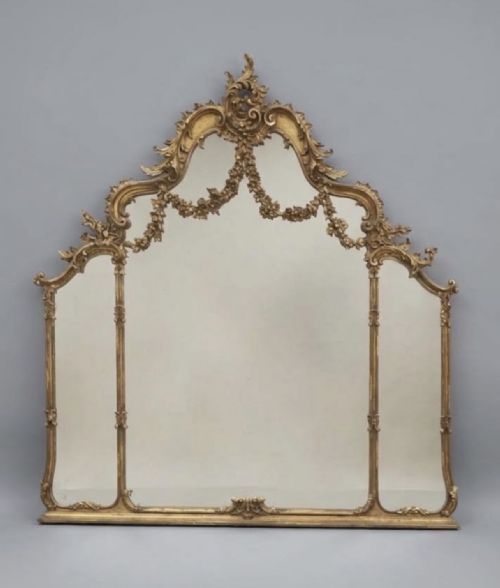
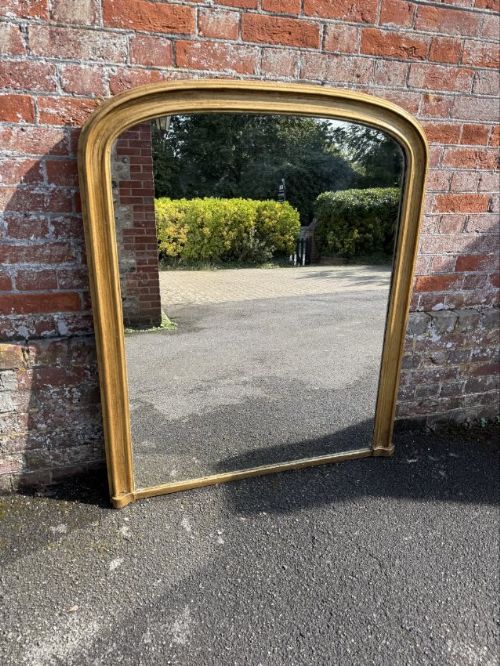
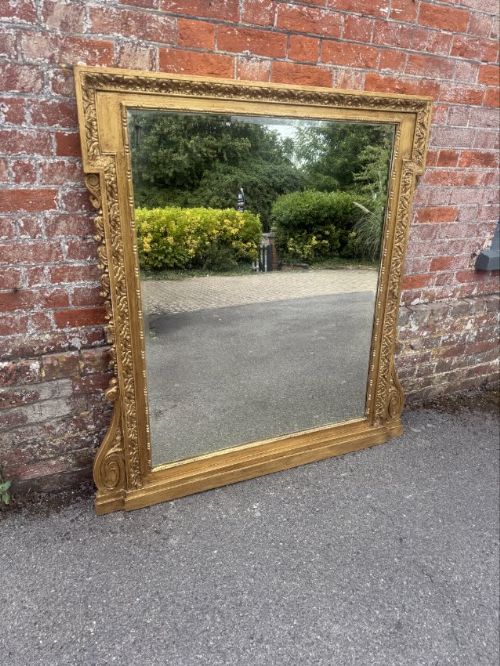
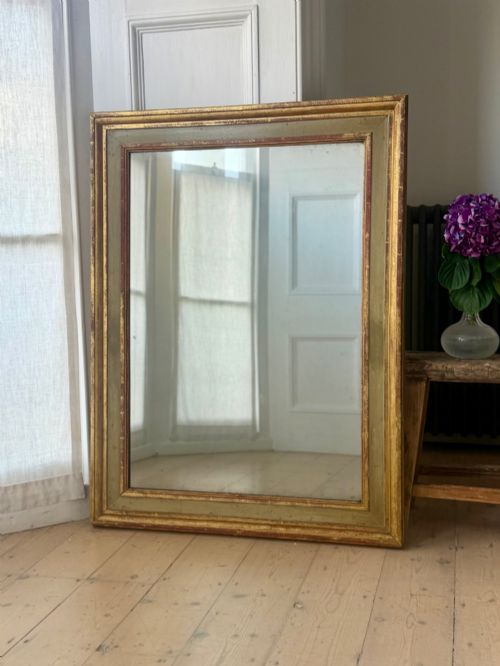
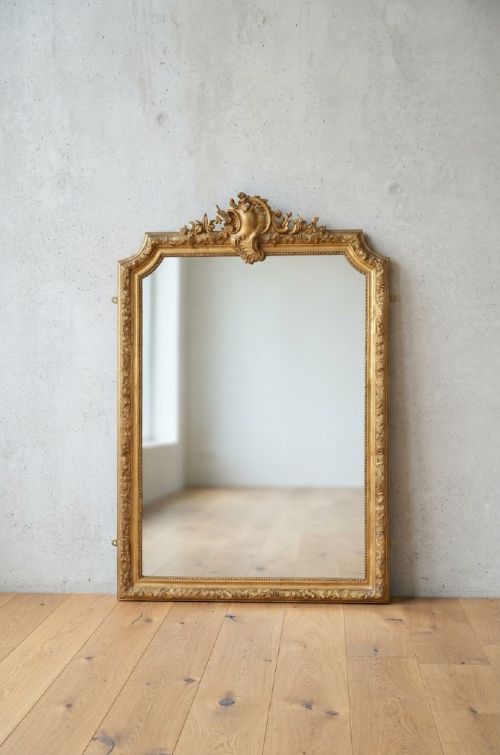
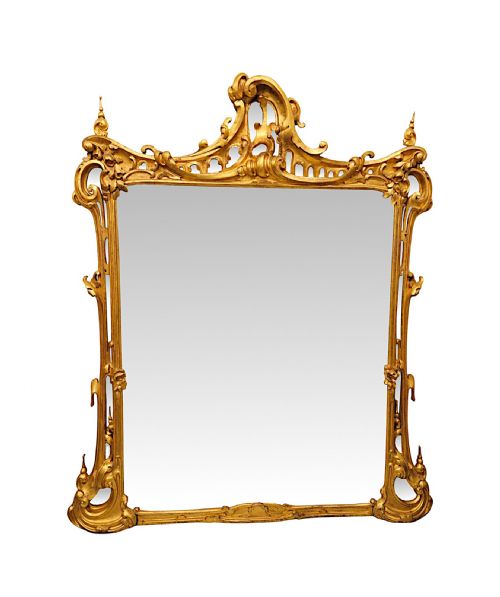
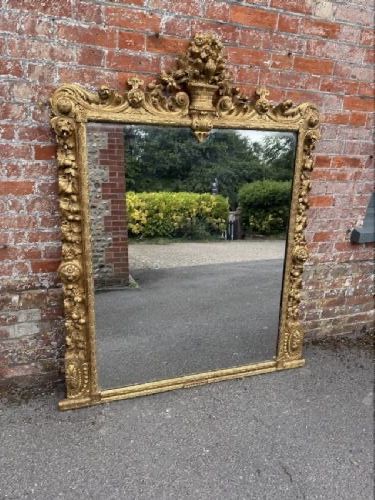
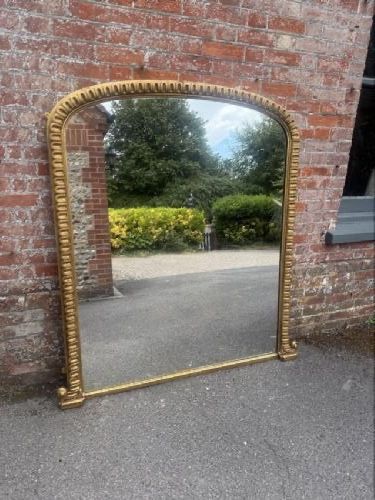
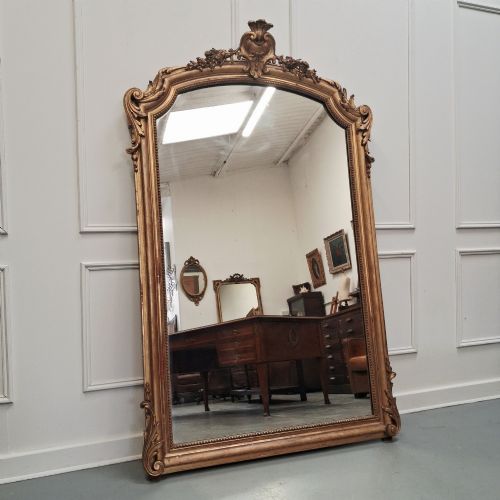
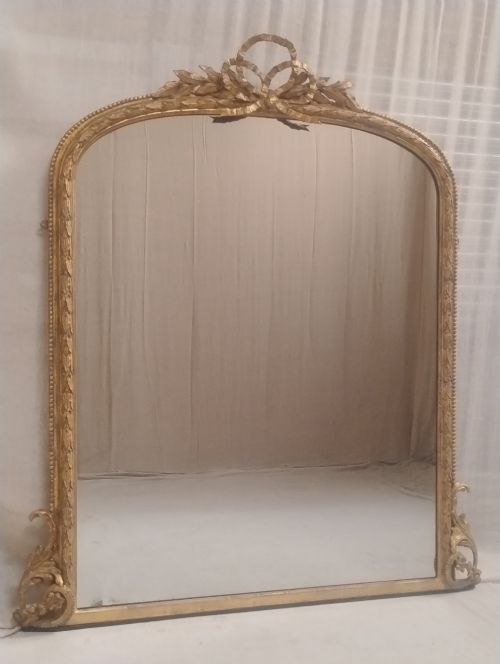
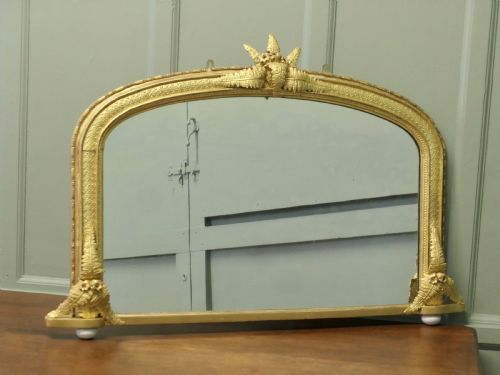
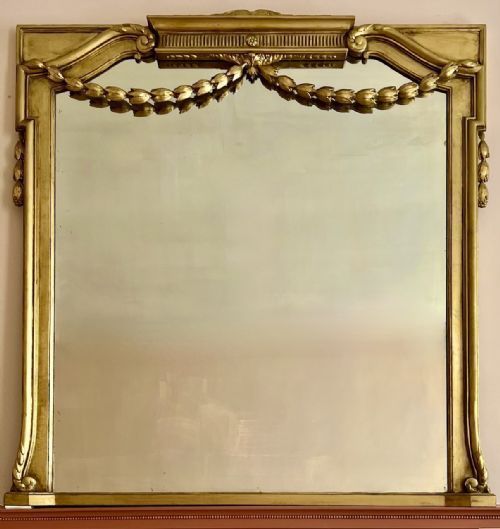
A gold gilt mantel mirror is a statement wall hanging designed to command attention above a fireplace, reflecting light and expanding the perceived space of a room. Most examples found here originate from the nineteenth century, encompassing Victorian, Regency, and French periods.
The dominant forms are large overmantel mirrors, pier mirrors, and wall mirrors, frequently featuring arched, shaped, or crested tops. English and French workshops produced these pieces in substantial proportions, often exceeding one and a half metres in height.
How they were made
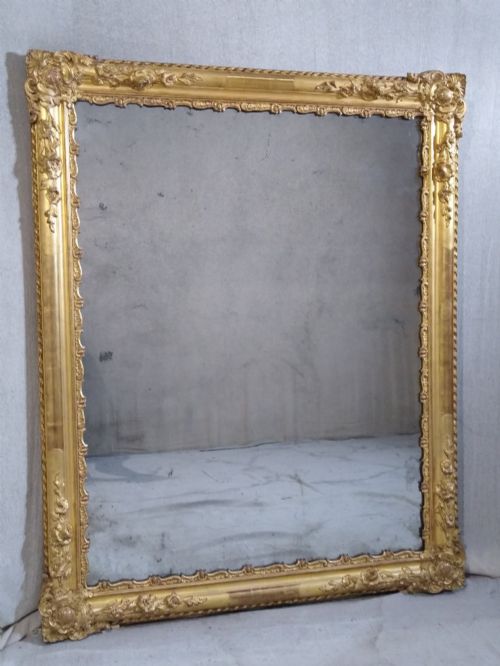
Makers shaped the heavy frames from carved wood, applying layers of gesso to build up intricate decorative motifs and surface relief before gilding them with gold leaf or metallic paint.
Mirrors from this era utilised glass plates, sometimes retaining original mercury silvering or showing characteristic foxing spots accumulated over the decades.
Some nineteenth-century mirrors preserve their original foxed mercury glass, offering a slightly speckled reflection of the modern room.
What varies in quality
The distinction between ordinary and exceptional frames lies in the depth and precision of the carved wood and gesso ornamentation, where sharper botanical or classical motifs indicate superior craftsmanship.
The survival of original glass plates and untouched gilding significantly elevates a piece, whereas heavy restoration or later re-gilding alters the historic character of the surface.
The Gold Gilt Mantel Mirror Glossary
- Overmantel mirror
- A wide mirror specifically proportioned to hang on the wall directly above a mantelpiece or fireplace.
- Gesso
- A plaster-like mixture applied to wooden frames to provide a smooth base for carving intricate relief details and applying gold leaf.
- Giltwood
- Timber that has been coated with thin sheets of gold leaf or metallic powder to achieve a brilliant reflective finish.
- Pier mirror
- A tall, narrow mirror traditionally hung on the stretch of wall between two windows, often reflecting additional light into the room.
- Foxing
- Small dark spots and speckling that develop naturally within the silvering of antique mirror glass over long periods.
Gold Gilt Mantel Mirror: Frequently Asked Questions
How do I hang a heavy overmantel mirror safely?
These large mirrors carry considerable weight due to their dense wooden frames and thick glass plates. Secure the hanging wire or brackets directly into the structural wall studs rather than relying solely on plasterboard.
Professional installation is strongly recommended for oversized nineteenth-century pieces to ensure the weight distributes evenly across the wall support.
Where should I place a mantel mirror in my home?
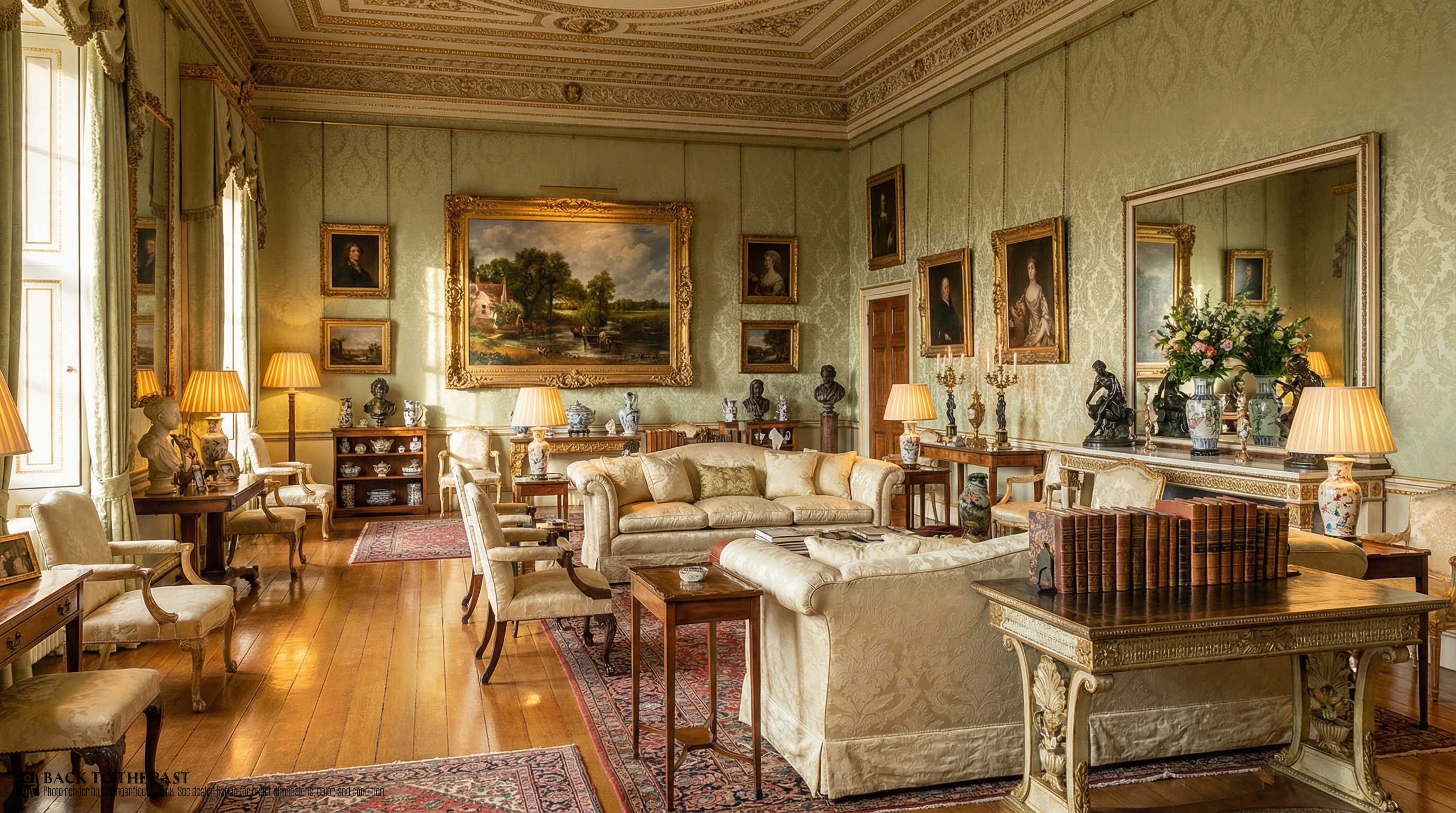
Traditionally positioned directly above a fireplace mantel, these mirrors anchor the surrounding decor and draw the eye upward. Placing them opposite a window maximises natural daylight and brightens darker corners of the room.
They also function effectively on large blank walls in hallways or reception rooms as standalone focal points.
How can I tell a Victorian mirror from a Regency one?
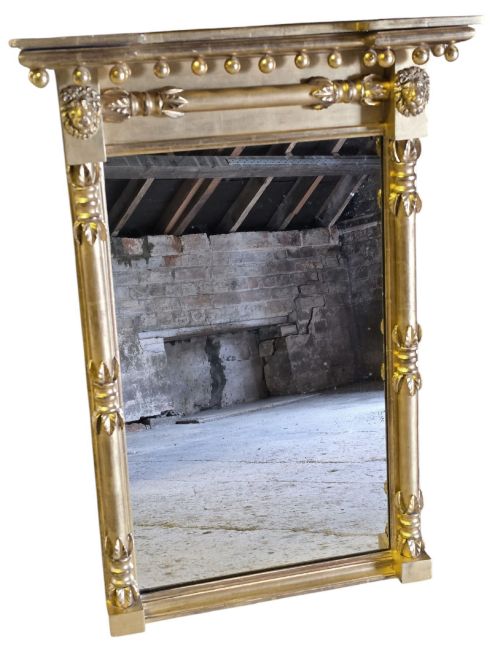
Regency mirrors tend to display classical restraint, often incorporating architectural elements like rope twists, columns, or ball-bearing friezes. Victorian examples frequently embrace heavier, more ornate carving, elaborate cartouches, and arched or swept tops.
Examining the construction methods and the backing boards helps confirm the manufacturing period.