
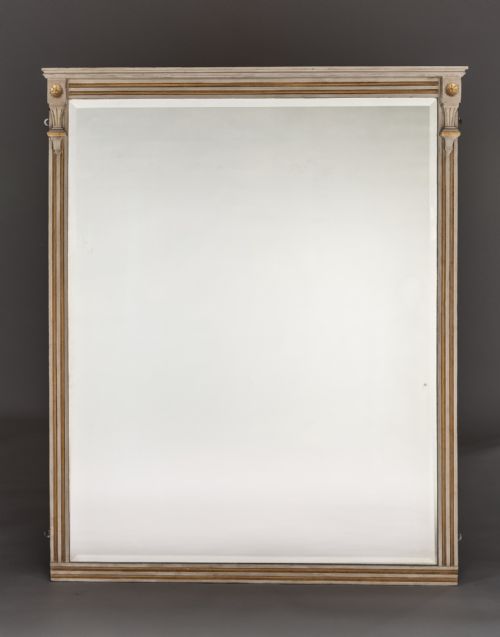
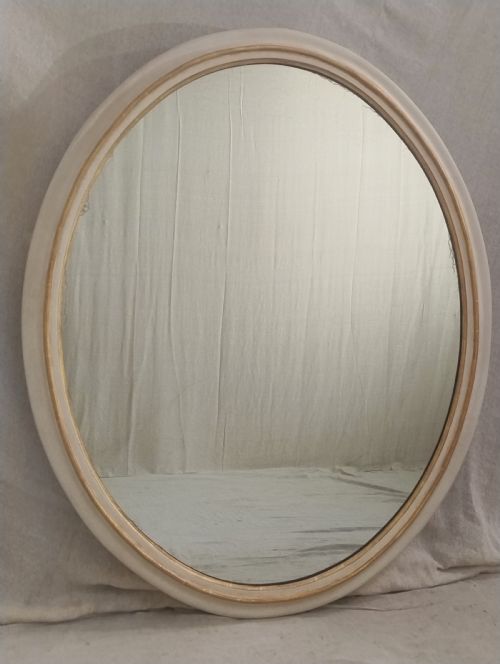


White Gilt Mirror
A white gilt mirror brings understated lightness to a room, pairing painted surfaces with bright metallic highlights to anchor a high-ceilinged space.
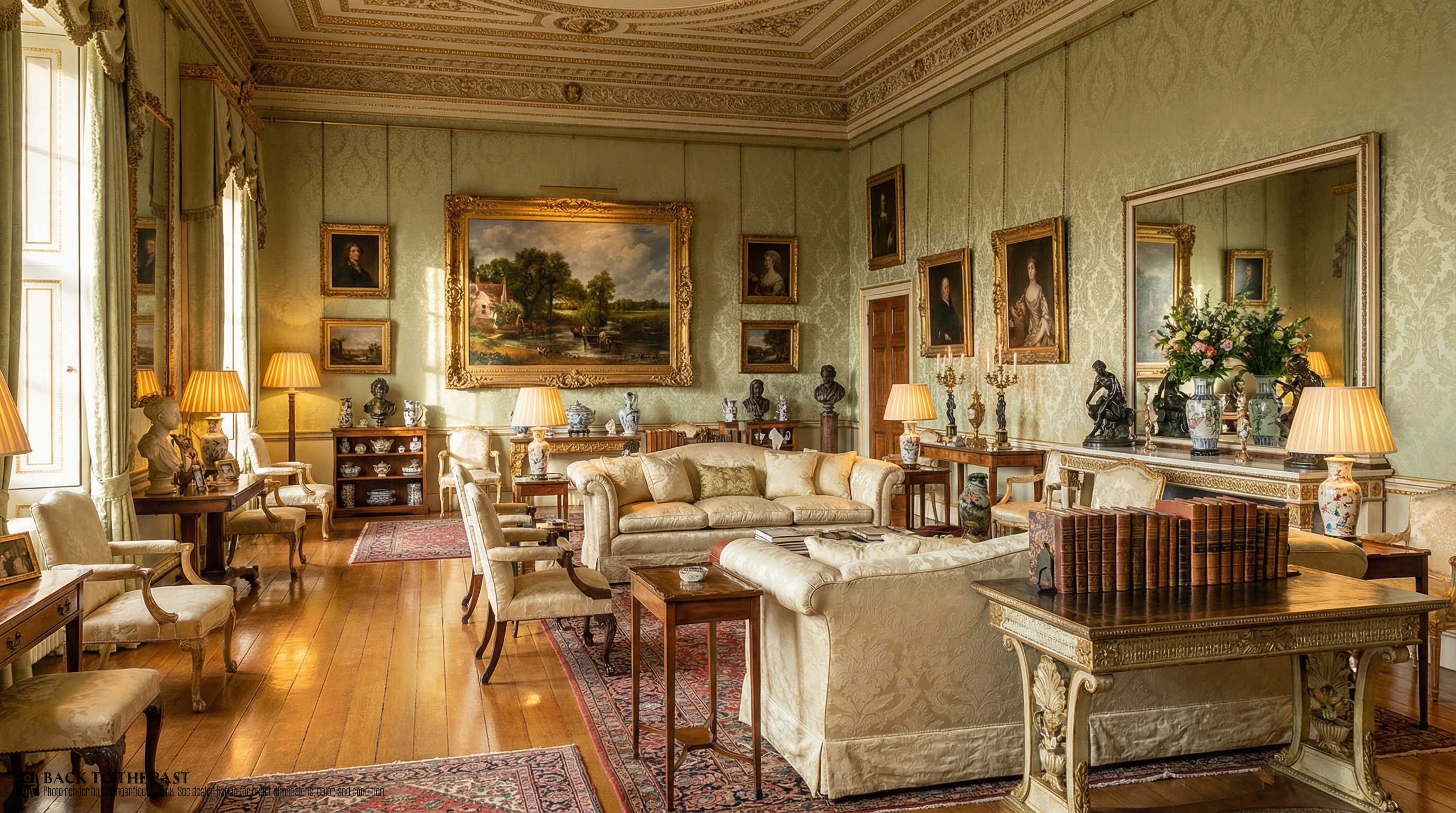
White Gilt Mirror
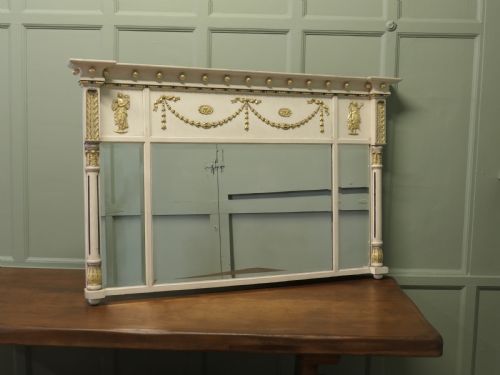
A white gilt mirror combines painted white, cream or pale surfaces with metallic highlights, creating a balanced focal point that draws the eye without overwhelming a room. These pieces appear frequently as grand overmantle mirrors designed to sit above a fireplace, filling vertical wall space with reflected light and classical proportions.
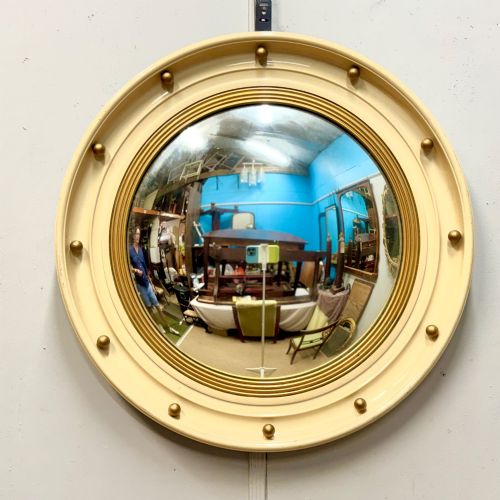
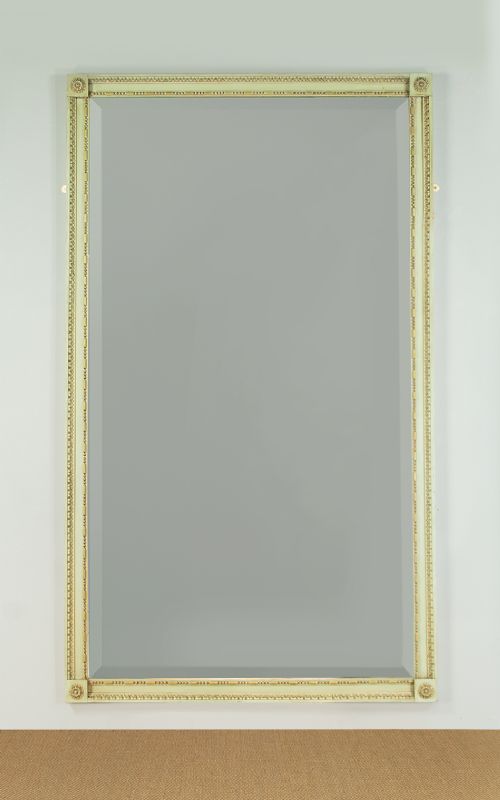
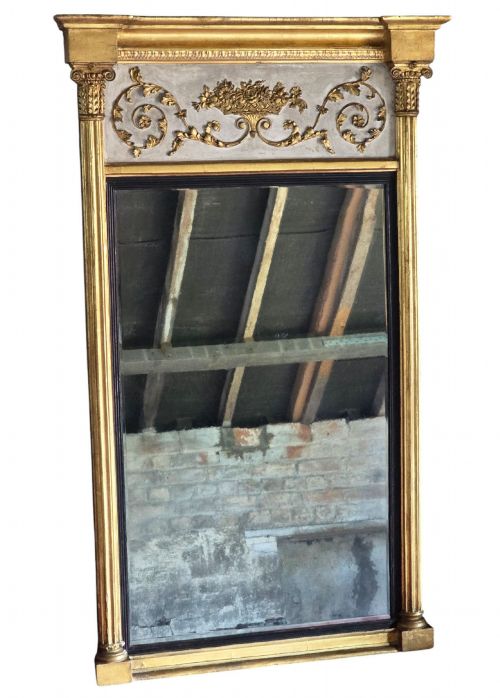
The selection ranges from large Victorian and nineteenth-century architectural frames to French trumeau panels and Edwardian wall hangings. Alongside these wall-mounted formats, smaller domestic variations include oval dressing table glasses, round convex butler mirrors, and continental porcelain easel pieces.
The pairing of white paint and gold leaf softens the heavy ornamentation typical of nineteenth-century interiors, making these frames adaptable to both traditional and contemporary settings. Whether encountered as a triple plate overmantle or a simple hall mirror, the combination of light painted timber and gilt detailing creates a distinct visual depth.
Materials and Construction
Makers built these frames using solid timber foundations, often applying layers of gesso to create smooth surfaces for carving and gilding. Artisans laid gold leaf or metal gilt onto prepared sections of the wooden structure, contrasting the bright metallic finish against painted white or cream bodies.
Carved wooden details and applied composition ornaments define the surface relief of nineteenth-century frames, while mirror glass reflects the period techniques used in silvering and bevelling. Many pieces retain original distressed finishes where the underlying wood grain or gesso shows through the aged paint layers.
Materials recorded across the inventory include original gold leaf, painted timber, and gesso frames paired with both flat and convex mirror glass.
Distinguishing Quality and Execution
The distinction between standard execution and finer work lies in the depth and crispness of the carved wood and gesso ornamentation. Superior examples display hand-modelled detailing rather than mass-produced composition mouldings, alongside well-proportioned architectural framing that maintains structural integrity across large expanses.
The integrity of the surface finish determines much of the visual character, with better pieces showing harmonious ageing where the white paint and gold leaf have worn together naturally. Original mirror glass with genuine foxing and age spots adds substantial character compared to modern replacement plates.
The White Gilt Mirror Glossary
- Overmantle mirror
- A large mirror designed specifically to hang on the wall directly above a fireplace mantelpiece. These frames often feature horizontal proportions to span the width of the hearth below.
- Gesso
- A plaster-based mixture applied to wooden frames to create a smooth, sealed surface suitable for carving, painting or gilding. It forms the raised decorative details found on nineteenth-century mirror borders.
- Trumeau mirror
- A decorative wall mirror incorporating a painted panel or artwork within the upper section of the wooden frame. Originating in French interiors, these pieces combine wall decoration and glass in a single vertical unit.
- Convex glass
- A circular mirror glass curved outward to provide a wide, distorted panoramic reflection of the interior space. It is typically housed within a round frame with ball-detailing or reeded slips.
White Gilt Mirror: Frequently Asked Questions
How do I hang a heavy overmantle mirror safely?
Large overmantle frames carry considerable weight due to their wooden construction and thick glass plates. They require secure fixing directly into wall studs or masonry using heavy-duty brackets suited to the load.
Professional installation is recommended to ensure the weight distributes evenly across the wall fixings, protecting both the antique frame and the plasterwork.
Where should I place a white gilt mirror?
These mirrors function naturally above fireplace mantels, where their horizontal proportions balance the hearth below. They also perform effectively on main living room walls opposite windows to maximise reflected daylight.
Smaller formats suit hallways, dressing tables, or console surfaces, where the pale painted frame introduces brightness to narrow or dark areas.
How do I date a nineteenth-century mirror?
Dating relies on examining the construction methods of the wooden frame, the composition of the gesso, and the characteristics of the mirror glass. Backboards, screw types, and paper labels often provide additional clues regarding the period of manufacture.
Original glass frequently exhibits subtle distortions, tiny bubbles, or natural edge oxidation that distinguish it from modern replacement plates.
How should I clean an antique gilt frame?
Dust the carved gesso and gilded surfaces gently with a soft, dry brush to prevent accumulation without disturbing fragile areas of leaf. Avoid commercial liquid cleaners, abrasive cloths, or chemical solvents that strip the original paint or gold.
Glass plates can be wiped sparingly with a damp cloth, taking care not to let moisture seep behind the frame edges where it might damage the backing.