

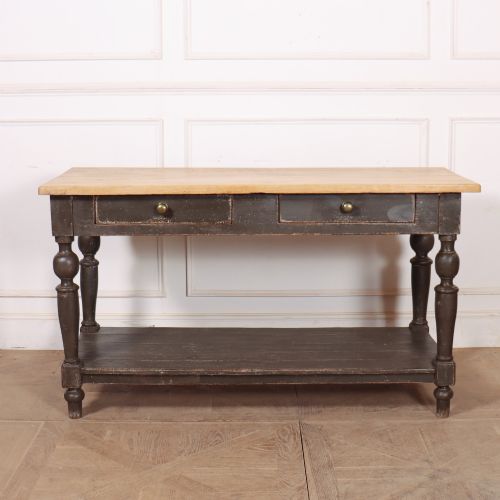

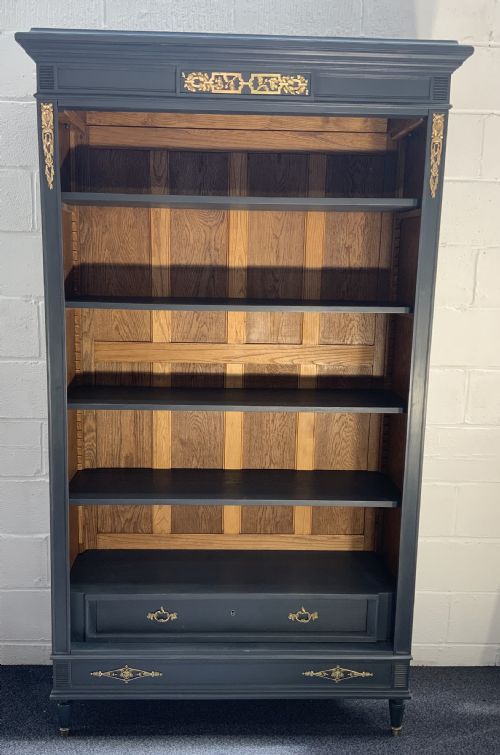
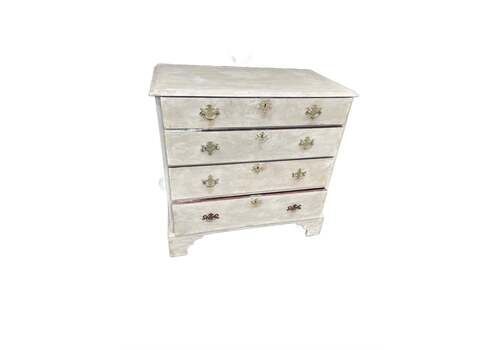
French Grey Drawers
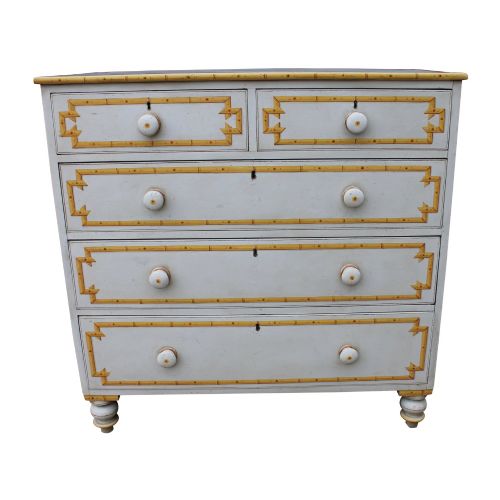
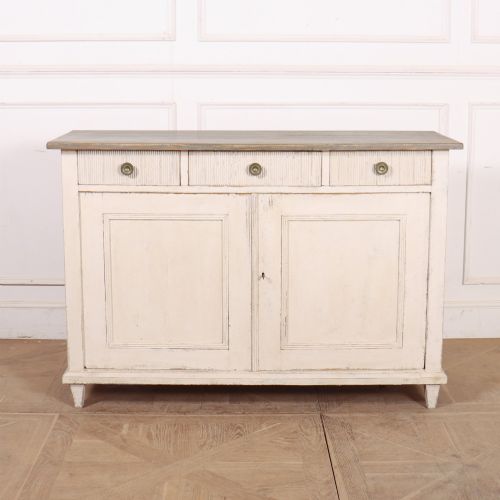
These French grey drawers combine continental storage utility with muted painted surfaces and marble tops.
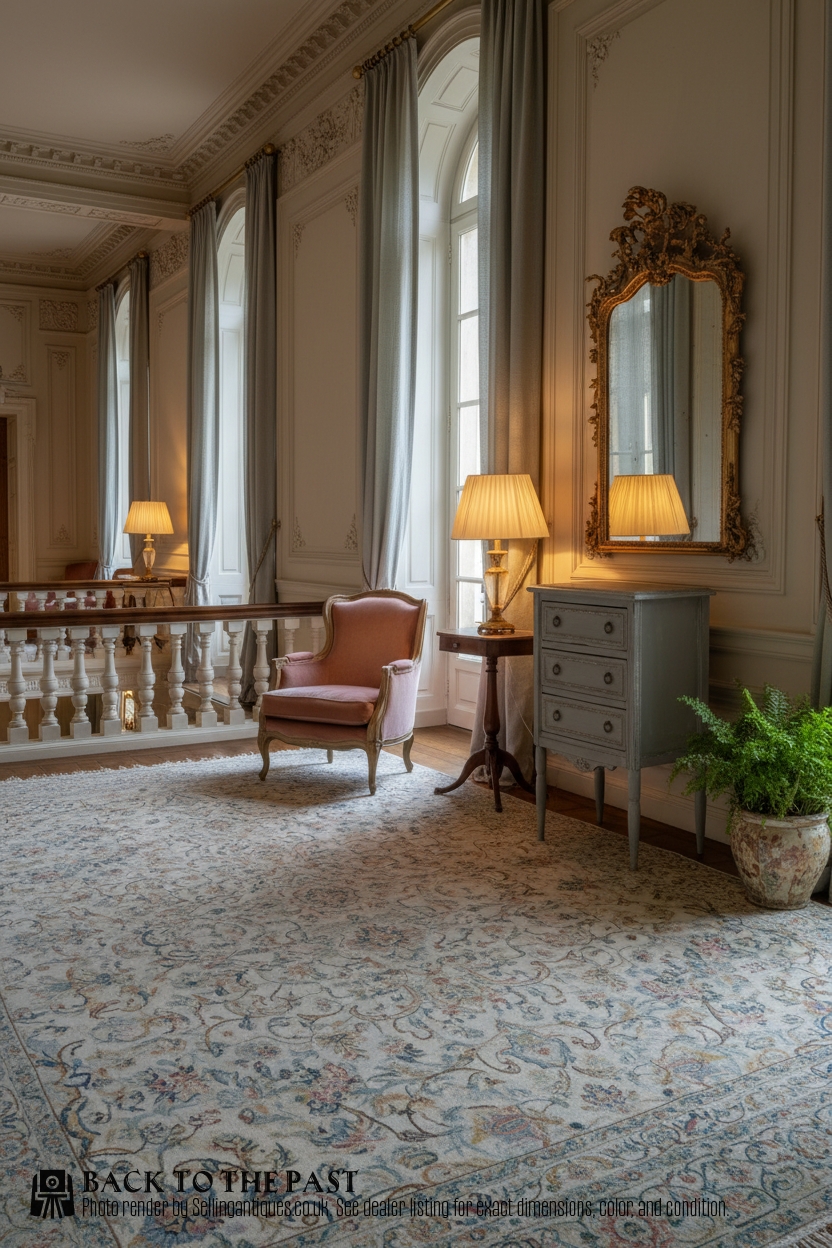
French Grey Drawers
When searching for french grey drawers, buyers find storage furniture originating from continental Europe, predominantly taking the form of commodes, chests of drawers, and bedside tables. The pieces span from the 18th century through to the early 20th century, encompassing various regional and formal designs.
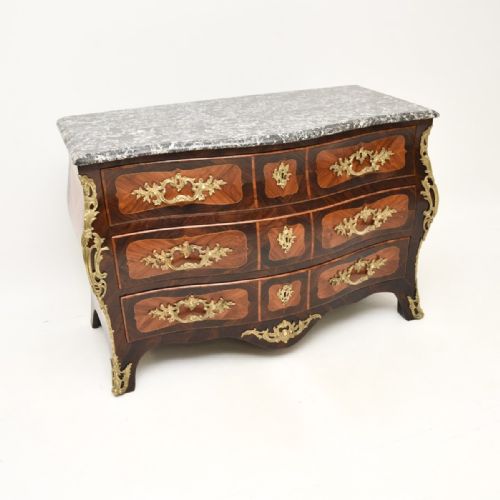
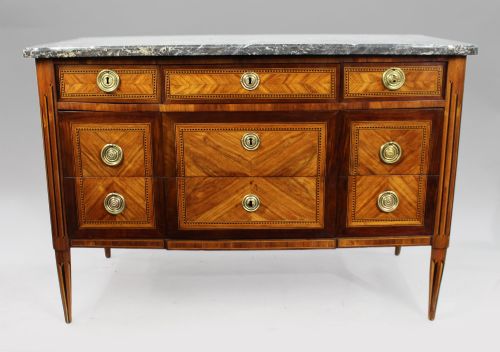
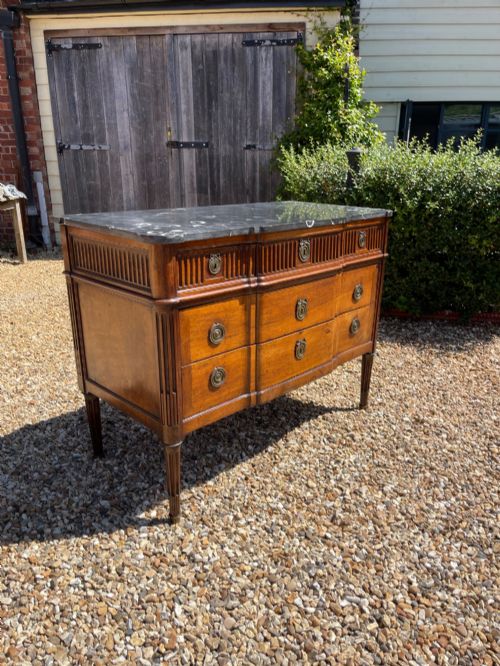
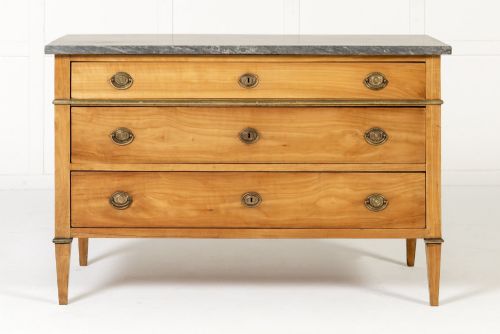
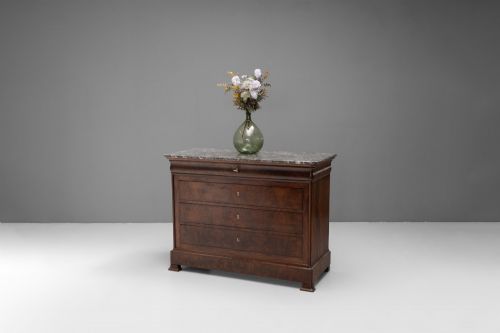
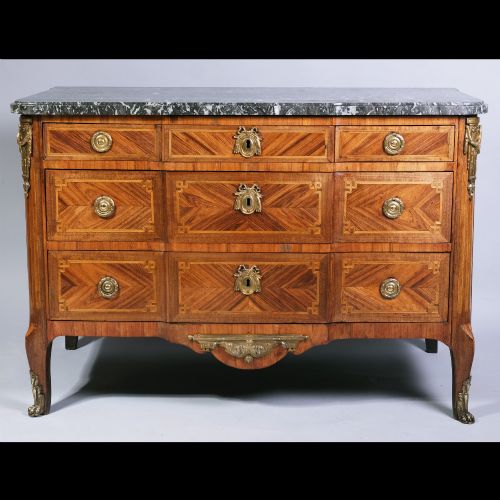
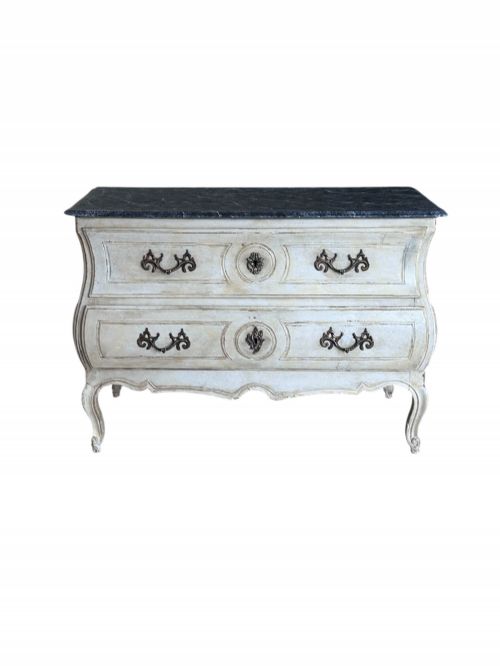
The most common iterations on this page are commodes and chests of drawers featuring painted finishes or pale timber, frequently paired with contrasting stone surfaces. These items originate from periods including the Louis XV, Louis XVI, Louis Philippe, and later revival eras.
The selection ranges from cherrywood and walnut provincial furniture to sophisticated urban pieces with parquetry or brass embellishments. Buyers encounter both original period paintwork and later decorative applications upon these storage items.
Materials and construction methods
Cabinetmakers utilised hardwoods such as oak, walnut, cherrywood, and mahogany for the structural carcasses and drawer frames of these storage pieces. Marquetry and parquetry techniques introduced geometric patterns using tulipwood and other decorative veneers on high-status examples.
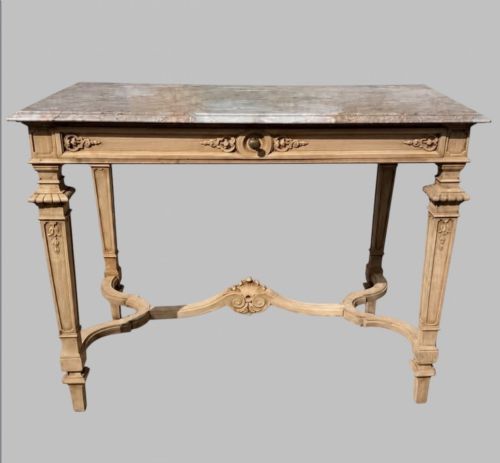
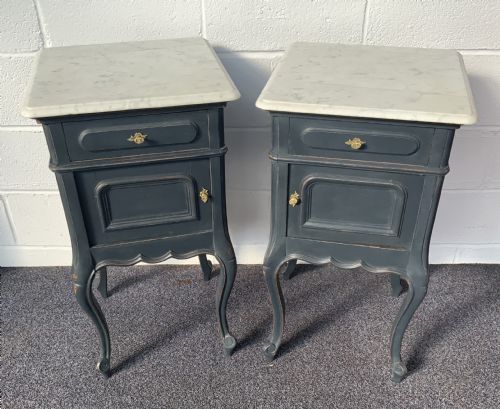
Surface treatments combine applied paints, often in muted grey tones, with polished marble slabs fitted to the upper surfaces of commodes and night tables. Metal components such as brass handles, mounts, and embellishments complete the assembly of the primary forms.
Several items on this page wear coats of modern grey paint with names as evocative as Railings.
Distinctions in quality
The standard of timber selection and the precision of veneer work separate standard regional pieces from superior urban commissions. Fine examples exhibit meticulous parquetry patterns and robust internal joinery that maintains structural integrity over centuries.
The integration of original hardware, authentic marble tops, and period-appropriate decorative paint finishes dictates the standing of an individual chest or commode. Later alterations to surfaces or replaced stone slabs alter the historical consistency of the piece.
Jacques Bircklé·Edwards and Roberts
The French Grey Drawers Glossary
- Commode
- A low chest of drawers or cabinet, originating in France during the 18th century. These pieces typically stand on short legs and feature multiple drawer tiers beneath a stone or timber top.
- Parquetry
- A geometric mosaic of wood pieces used for decorative floors and cabinet surfaces. This technique creates patterned designs on the drawer fronts and tops of sophisticated commodes.
- Semainier
- A tall, slender chest of drawers traditionally designed with seven drawers, one for each day of the week. This form provides vertical storage capacity within bedroom settings.
- Bombe
- A swelling, convex curved shape characteristic of furniture from the Louis XV and continental baroque periods. This contour requires specialised carpentry to shape the timber drawers and sides.
- Railings
- A deep grey paint colour commonly utilised in modern decorative restoration work on antique furniture cabinets and sideboards. This specific hue appears frequently in contemporary listings of painted French storage pieces.
French Grey Drawers: Frequently Asked Questions
What rooms suit french grey drawers?
These storage pieces function effectively in bedrooms, hallways, and living spaces where surface display and concealed organisation are required. The neutral painted finishes integrate easily with varied interior colour schemes.
Bedside cabinets and larger commodes offer practical dimensions for domestic placement while maintaining a decorative continental appearance.
How were marble top commodes used?
Marble top commodes served as functional bedroom or parlour storage for clothing, linens, and personal items. The stone surface provided a durable, wipe-clean area resistant to water and cosmetic spills.
In dining rooms and hallways, similar sideboards and buffets held tableware and supported serving dishes during gatherings.
Are painted finishes original?
Paint applications on these pieces vary between original period decoration and subsequent decorative updates applied by later owners or dealers. Listings specify when a piece has been later painted or refinished in specific modern tones.
Examination of the underlying timber preparation and paint wear helps determine the chronological relationship between the surface coating and the structural carcass.
How do I identify Louis periods?
Louis XV furniture is characterised by serpentine fronts, cabriole legs, and asymmetrical rococo bronze mounts. The subsequent Louis XVI style introduced strict symmetry, straight fluted legs, and neoclassical straight lines.
Louis Philippe pieces from the mid-19th century favour clean, restrained silhouettes with flame mahogany veneers and minimal ornamentation.