


Vintage French Bedside Chest
These vintage french bedside chest options bring continental elegance to a bedroom, offering practical surface space alongside distinctive period character.
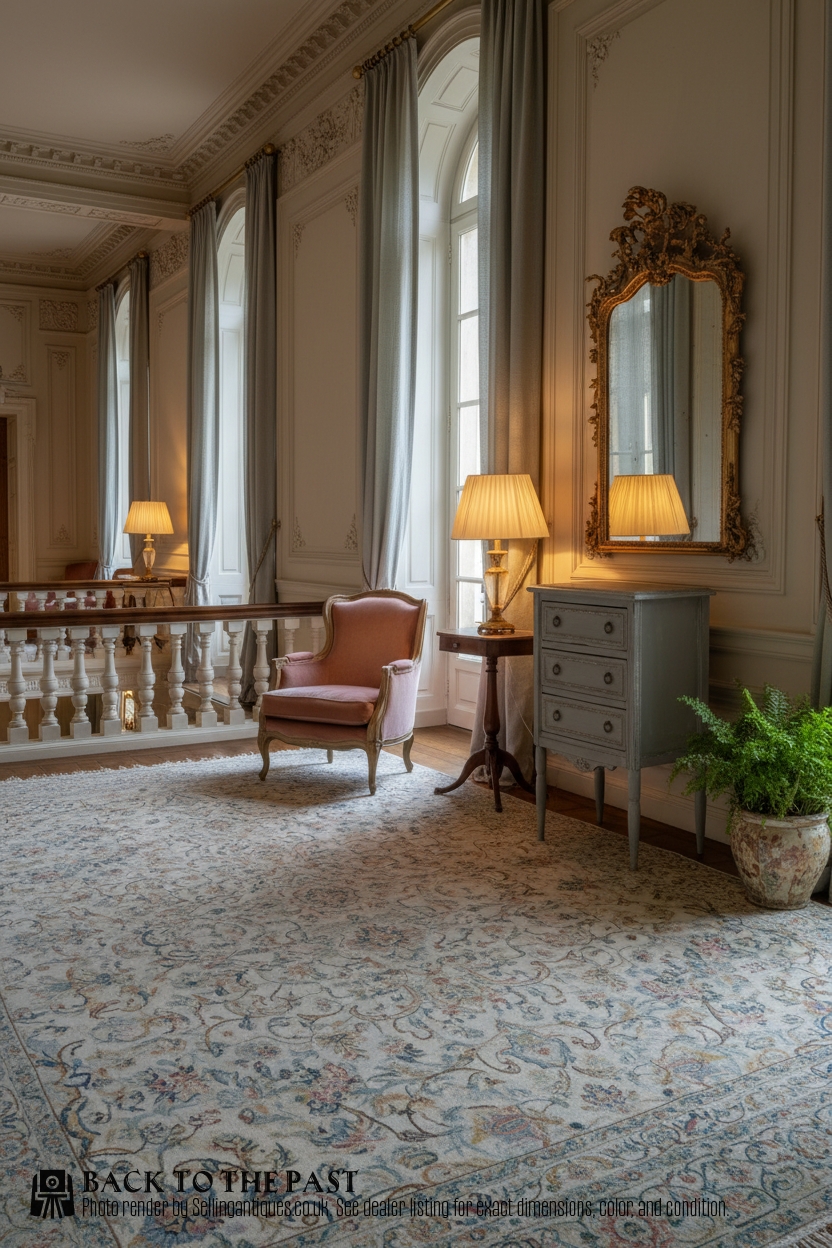
Vintage French Bedside Chest
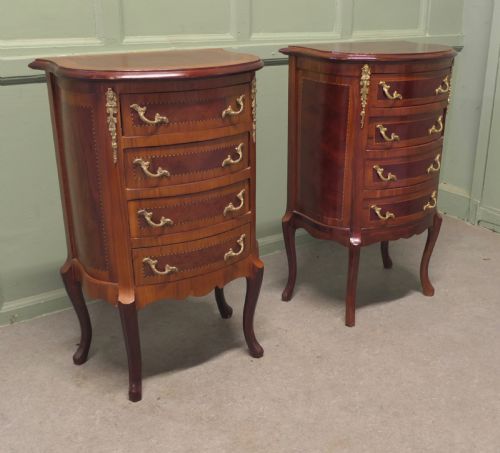
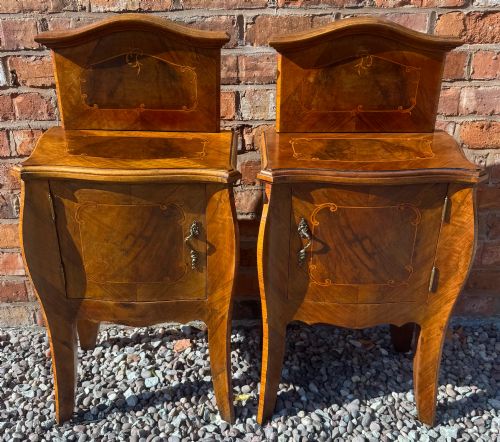
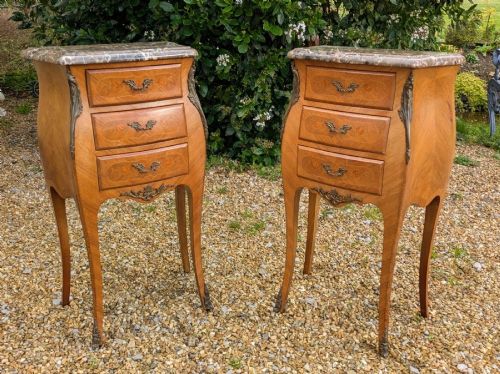
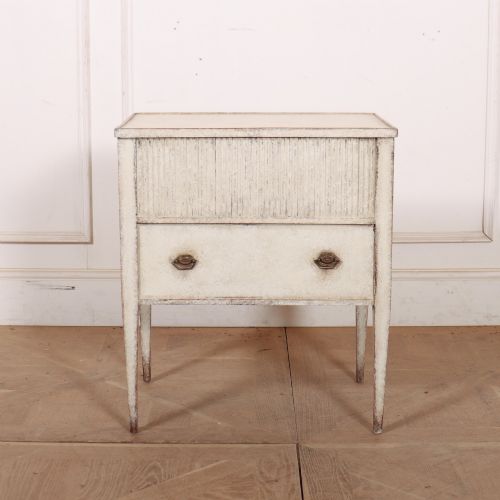
A vintage french bedside chest combines compact proportions with decorative flourishes suited to traditional and eclectic interiors. Buyers searching for a vintage french bedside chest encounter numerous small commodes, bedside cabinets, and lamp tables dating primarily from the nineteenth and early twentieth centuries.
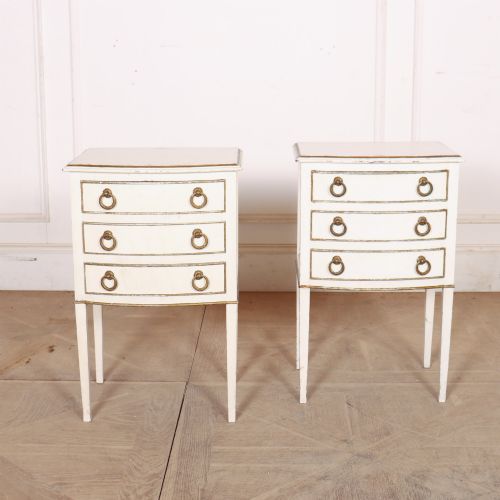
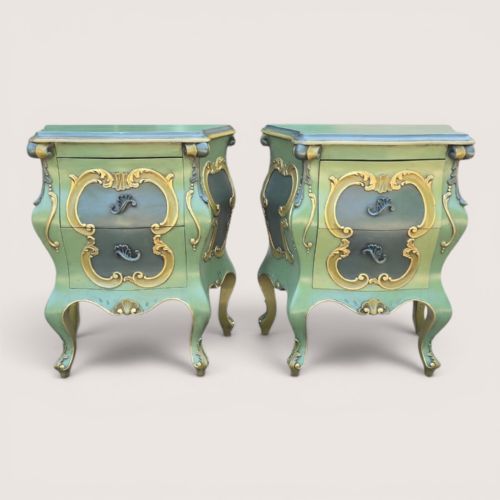
Origins stretch across various French provincial and revival styles, incorporating aesthetic influences from the Louis periods. Walnut, mahogany, and painted finishes dominate the available configurations.
Materials and construction methods
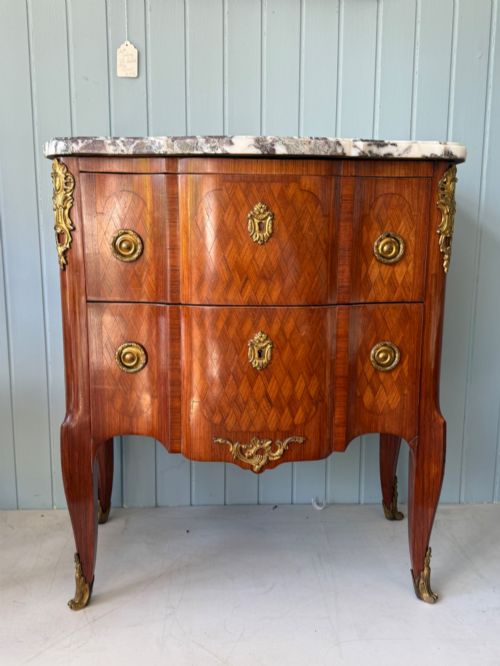
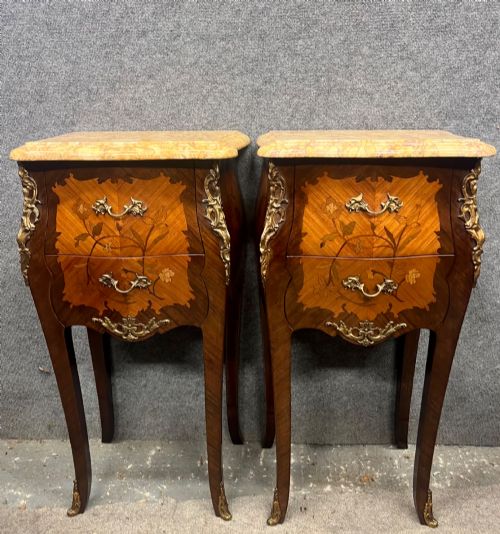
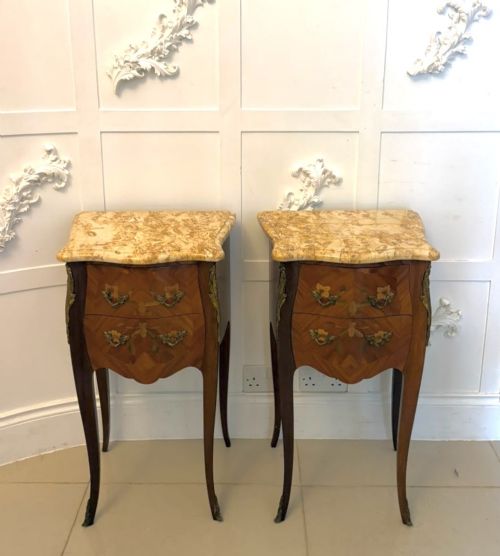
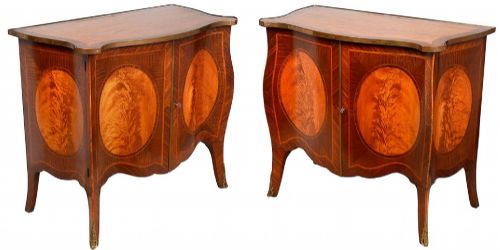
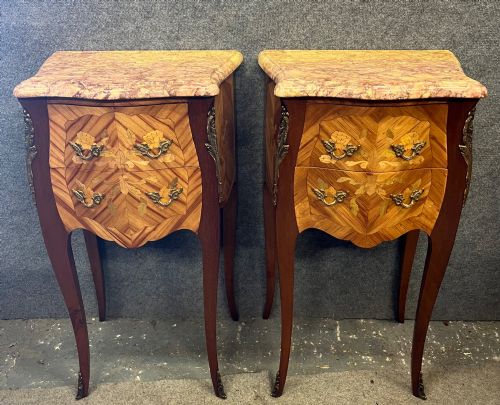
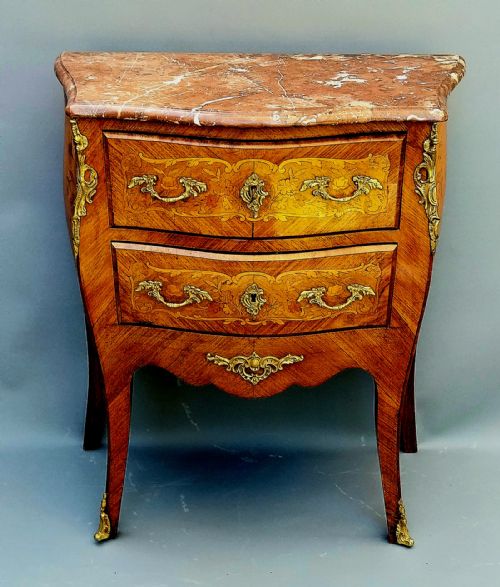
Cabinet makers utilised fine timbers including walnut, mahogany, kingwood, and rosewood, frequently applying intricate marquetry and parquetry veneers to flat and curved surfaces. Skilled artisans shaped wood to create bombe profiles and bow fronts requiring advanced joinery techniques.
Marble tops in various shades provide durable, polished surfaces on many cabinets, while cast brass and ormolu mounts accentuate key structural lines and drawer pulls. Painted and gilded finishes appear alongside natural wood grains, sealed with traditional polishes.
Some miniature bedside chests hide secret interior compartments designed for midnight reading lamps.
Assessing quality and craftsmanship
Superior examples demonstrate precision in veneer matching, particularly where complex marquetry or geometric parquetry wraps around curved drawer fronts and sides. The weight and thickness of inset marble slabs, together with the crispness of cast ormolu mounts, separate standard production from finer workshop output.
Structural integrity relies on the tightness of drawer dovetails and the smooth action of sliding components within their housings. Hand-carved details show depth and definition, whereas lower tier items rely on simpler mouldings and applied ornamentation.
The Vintage French Bedside Chest Glossary
- Marquetry
- Decorative veneer work forming pictorial or geometric patterns using various coloured woods. This technique requires considerable skill to cut and fit intricate wooden elements together.
- Ormolu
- Gilt bronze mounts applied to furniture for decorative effect. The finish imparts a rich metallic lustre characteristic of classical french styling.
- Bombe
- An outward-swelling convex shape prevalent in continental case furniture. This undulating profile demands advanced woodworking expertise to construct accurately.
- Parquetry
- Geometric wood mosaic patterns used for surface decoration on tabletops and drawer fronts. Squares, triangles, and lozenges create repeat motifs across the grain.
- Commode
- A low chest of drawers or cabinet originating in France. These pieces serve multiple domestic functions from storage to display surfaces.
Vintage French Bedside Chest: Frequently Asked Questions
How do I clean a marble top?
Wipe the surface regularly using a soft cloth dampened with warm water and mild soap. Avoid acidic cleaners that etch polished stone.
Dry thoroughly with a clean towel to prevent water spots and maintain the natural shine of the marble.
Are these cabinets purely decorative?
Most pieces offer functional storage through internal cupboards or multiple drawers suitable for bedside essentials. Their compact footprints accommodate lamps and books effectively.
Some highly ornate examples prioritise display capabilities over heavy storage utility.
How do I identify Louis XV style?
Look for characteristic curved lines, cabriole legs, and asymmetrical floral ornamentation inspired by rococo design principles. These elements soften rectilinear furniture silhouettes.
Subtle serpentine fronts and organic bronze mounts reinforce this specific aesthetic classification.
Do matching pairs differ slightly?
Handmade period furniture often exhibits minor dimensional and grain variations between paired cabinets. Individual artisan construction accounts for these subtle discrepancies.
Such natural differences confirm traditional manufacturing methods rather than modern factory replication.