


Distressed Painted Bedside Cabinet
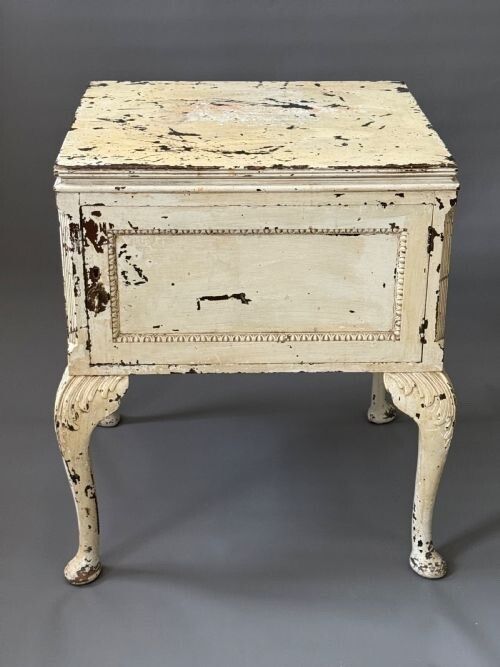
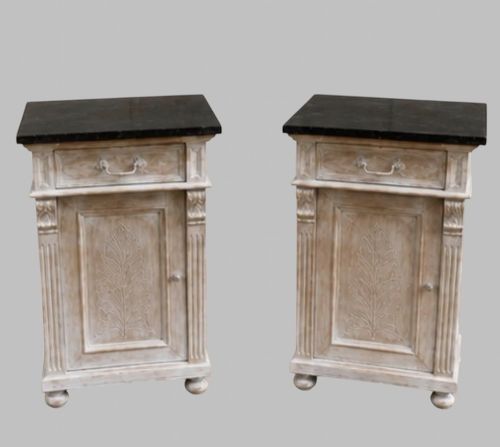
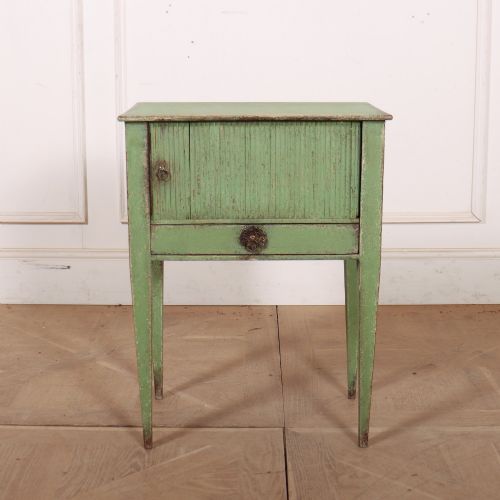
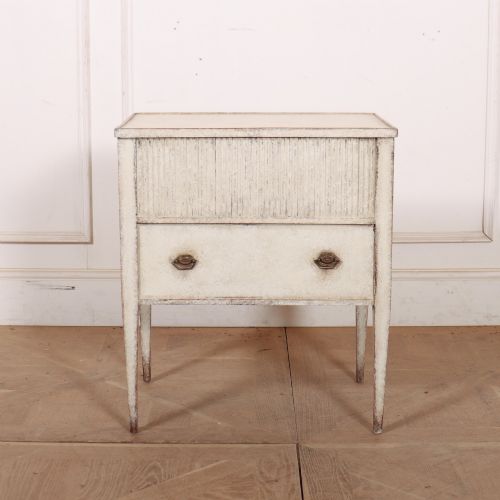
These distressed painted bedside cabinet examples bring practical bedside storage and painted charm to a bedroom.
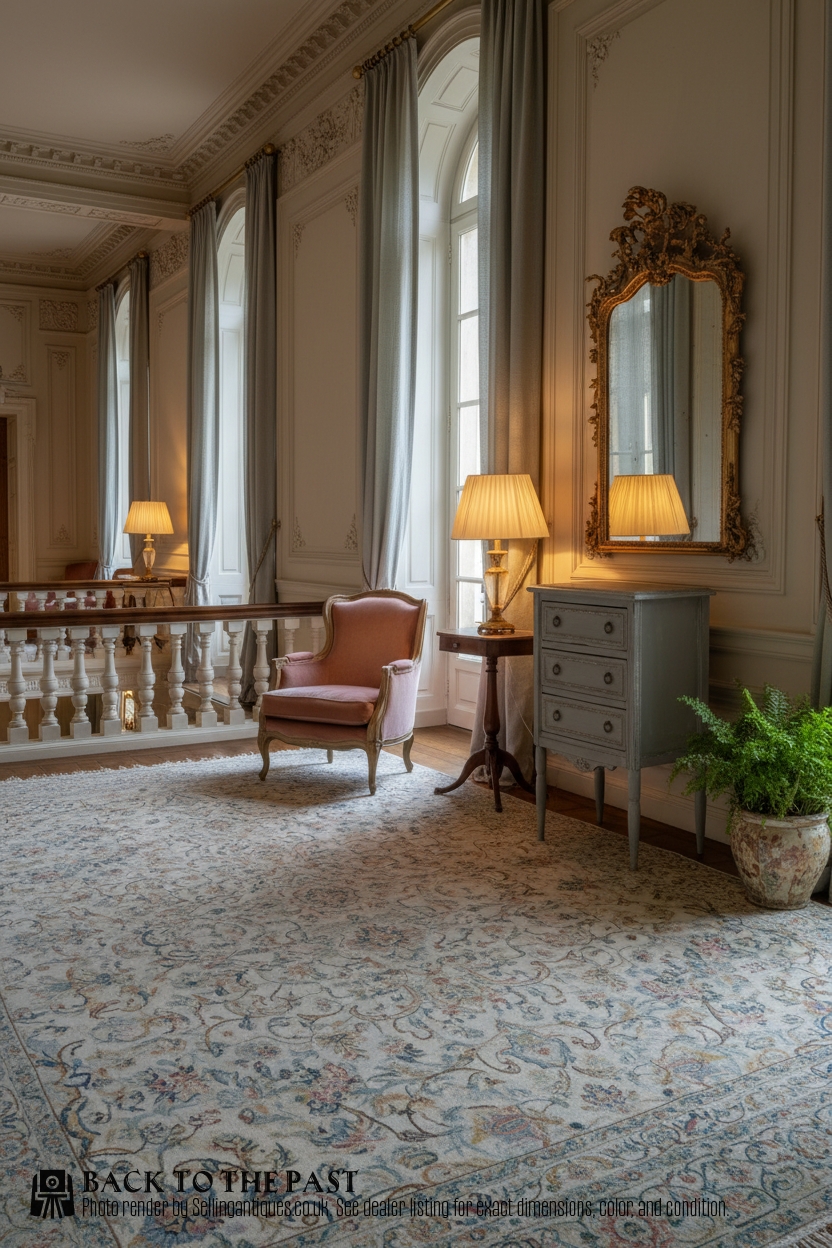
Distressed Painted Bedside Cabinet
A distressed painted bedside cabinet provides compact storage beside a bed while offering distinct decorative character. When you search for a distressed painted bedside cabinet, you encounter various forms including bedside tables, bedside cupboards, small chests of drawers, and commodes.
The pieces span the nineteenth century, the Victorian era, and the early twentieth century. Common stylistic influences include Gustavian, French Provincial, Dutch Provincial, and Scandinavian Country aesthetics.
Origins stretch across England, France, the Netherlands, Sweden, Hungary, and China. You are likely to meet painted pine, mahogany, or oak structures, often paired with marble or brass details.
How They Were Made
Carpenters constructed these cabinets using solid woods such as pine, mahogany, and oak. Some examples incorporate carved ornamentation or applied decorative elements upon the wooden frame.
Surfaces received layers of paint, sometimes in black, white, or specialised finishes, occasionally accompanied by Chinoiserie detailing. Tops frequently featured fitted black marble, while hardware utilised brass and metal components.
Some nineteenth-century cabinets travelled from Chinese workshops via European trade routes, acquiring entirely unexpected decorative identities.
What Varies in Quality
The standard of construction in timber framing and drawer assembly defines the grade of a piece. Robust joinery and solid wood carcasses distinguish finer items from simpler utilitarian versions.
The application and preservation of the painted surface alter the visual impact. Original or sympathetic aged paint finishes carry more historical integrity than heavy modern alterations.
The Distressed Painted Bedside Cabinet Glossary
- Commode
- A low chest of drawers or cabinet with doors, often used as a bedroom storage piece. In continental European traditions, these function similarly to bedside cupboards.
- Chinoiserie
- European decorative style reflecting Chinese artistic influences, frequently featuring painted motifs on furniture. This technique appeared on mid-to-late period cabinets.
- Gustavian
- Swedish neoclassical design style characterised by restrained ornamentation and pale painted finishes. This aesthetic is common among Scandinavian bedside tables.
- Pine
- A softwood commonly utilised for painted furniture across various European regions. It provided an accessible base for decorative surface treatments.
Distressed Painted Bedside Cabinet: Frequently Asked Questions
Where were these cabinets made?
The pieces originate from workshops across England, France, the Netherlands, Sweden, Hungary, and China. Regional cabinetmakers adapted local timbers to create functional bedside storage.
Craftsmen utilised native woods like pine and oak, applying distinct national painting traditions and hardware styles to each piece.
What materials are used?
Construction relies primarily on solid woods such as pine, mahogany, and oak. Surfaces are finished with paint, while select examples incorporate black marble tops.
Hardware elements typically consist of brass or metal handles and fittings, complementing the painted wooden structures.
How do I style a painted cabinet?
These cabinets suit bedrooms needing functional storage alongside decorative painted texture. Their compact footprints allow placement beside various bed heights.
Pairing them with neutral walls lets the painted finishes and antique details stand out within the room's overall scheme.
Are these pieces from the nineteenth century?
Many examples date from the nineteenth century, encompassing Victorian productions and earlier continental designs. Other pieces extend into the early twentieth century.
Construction methods and stylistic markers help distinguish between nineteenth-century originals and later twentieth-century interpretations.