


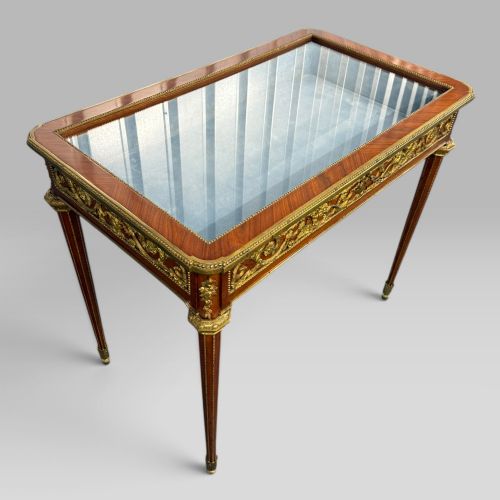
French Glazed Display Cabinet
A french glazed display cabinet brings formal display to a room, holding collections behind glass with metal mounts and polished wood.
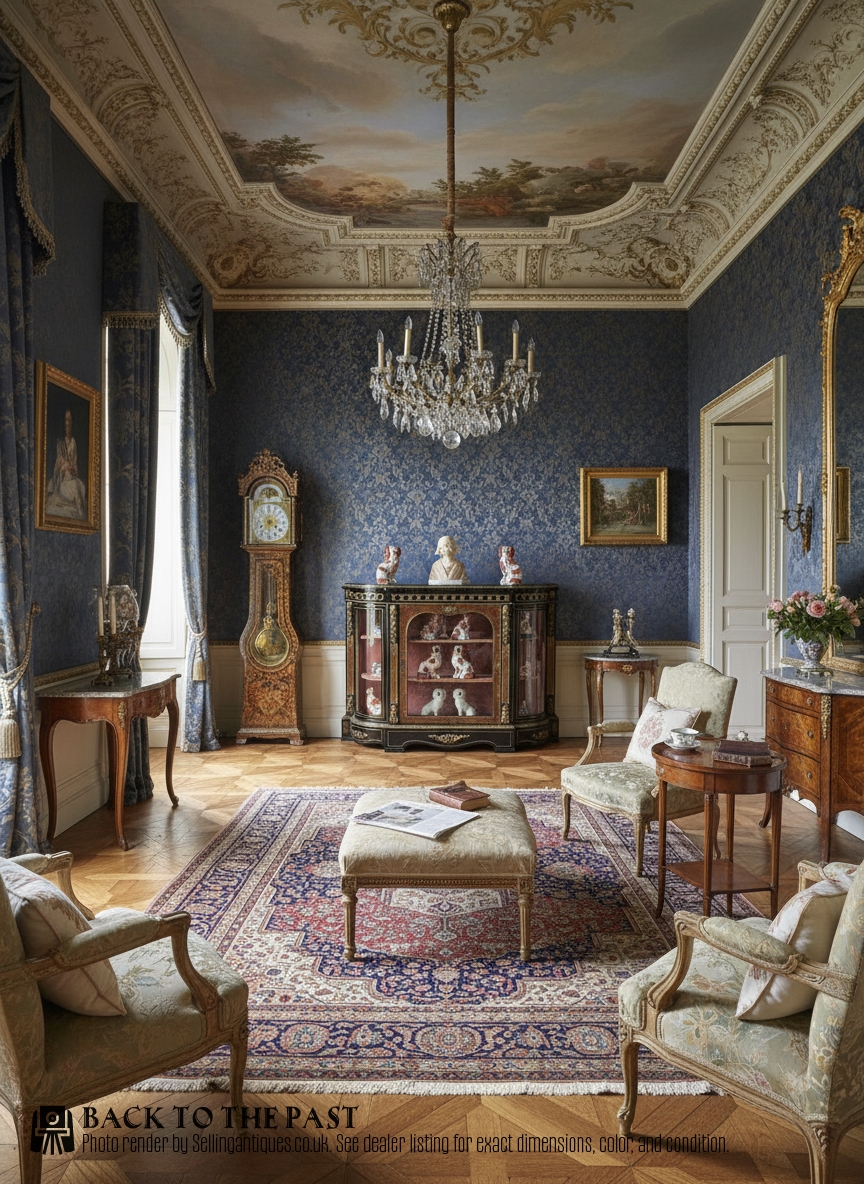
French Glazed Display Cabinet
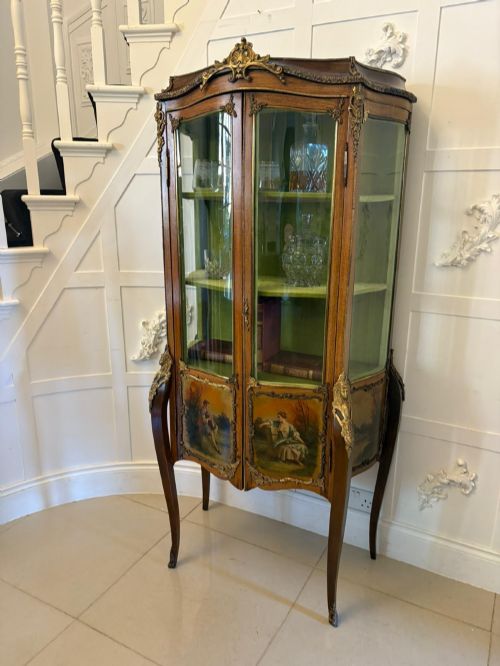
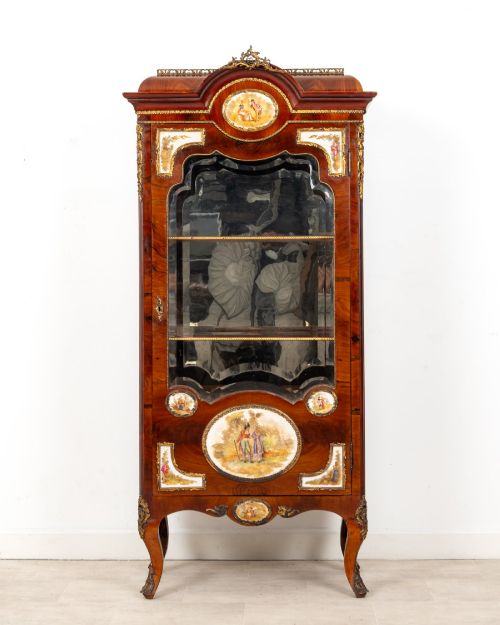
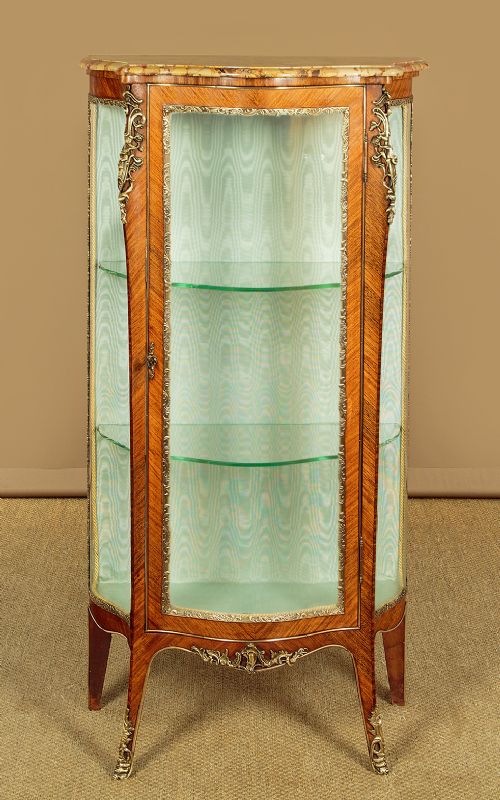
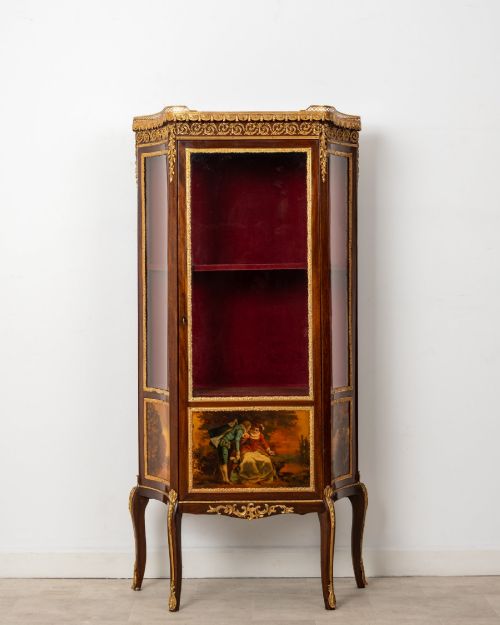
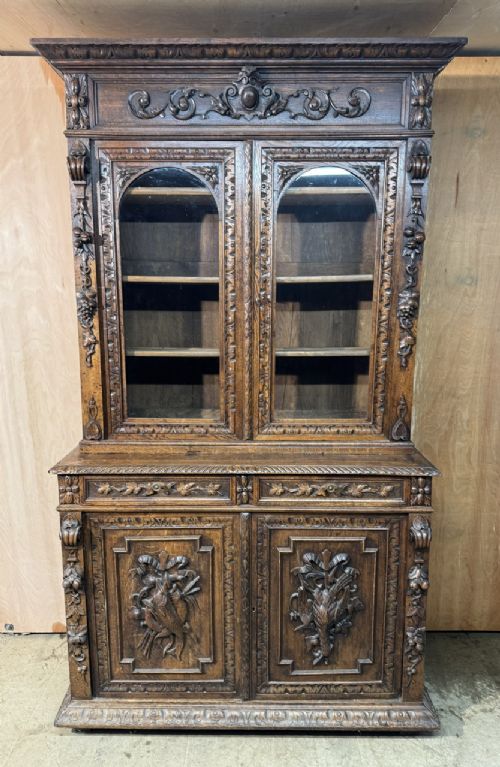
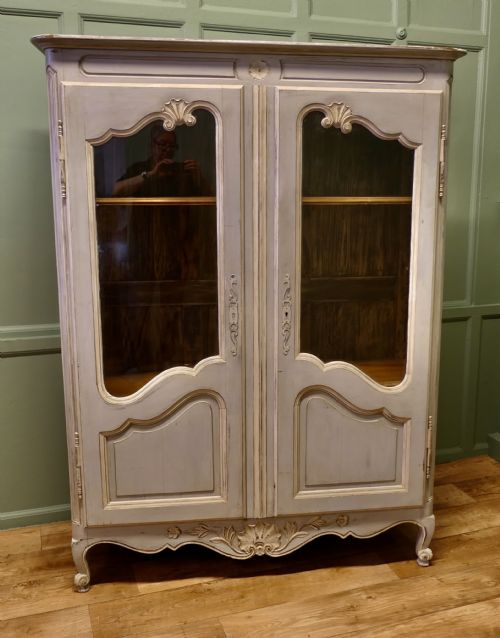
A french glazed display cabinet functions as a vitrine, bookcase, or credenza designed to showcase porcelain, books, and small decorative objects.
Pieces span the eighteenth, nineteenth, and early twentieth centuries, drawing on Louis XV, Louis XVI, Rococo, and Neoclassical revivals.
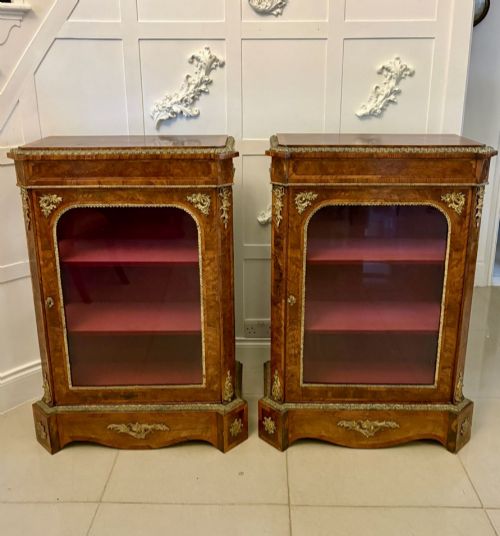
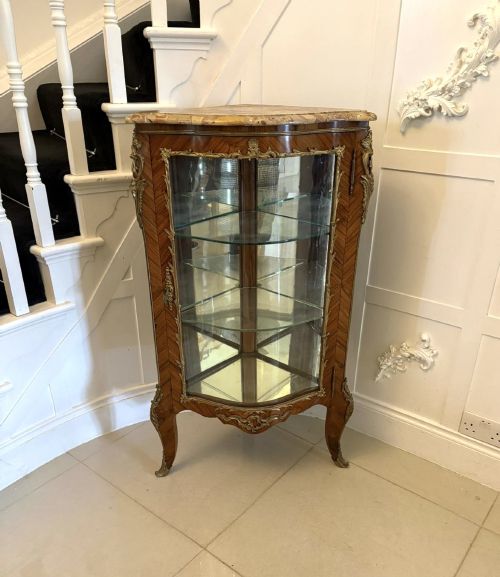
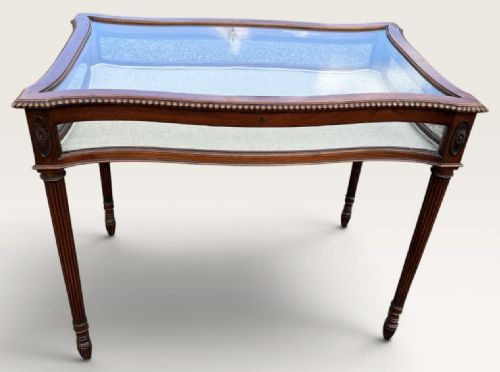
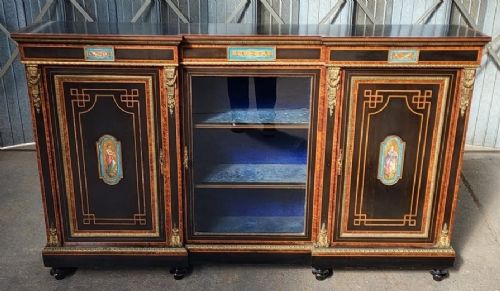
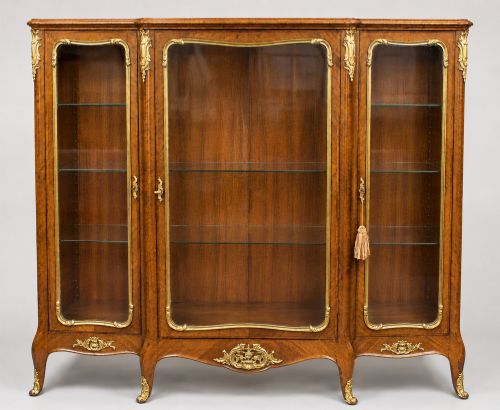
Common forms range from serpentine vitrines and side cabinets to monumental credenzas and table-style bijouterie stands.
Materials and Construction
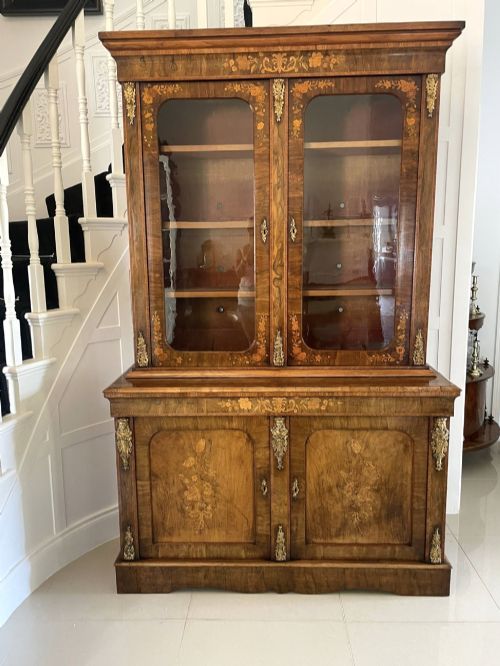
Cabinets utilise carcases of mahogany, walnut, kingwood, rosewood, and burr walnut, often finished with marquetry inlay or painted Vernis Martin panels.
Mounts of ormolu, gilt bronze, and brass accent corners, glazing frames, and aprons, while select pieces incorporate marble tops.
French Glazed Display Cabinet Retail Price Guide 2026
Typical asking prices for french glazed display cabinet among the pieces listed under this phrase on Sellingantiques today, from the lower quarter to the upper quarter. They describe what is for sale here now, not the wider market.
Periods represented span from the eighteenth-century Louis XV era through Victorian revival pieces to Edwardian and later twentieth-century interpretations.
Assessing Quality
Quality rests upon the crispness of the cast ormolu mounts, the complexity of the wood veneers, and the hand-finishing of the timber.
Superior examples display balanced proportions, intricate marquetry, and integration of specialist decorative elements like hand-painted panels or porcelain plaques.
François Linke·Mercier Frères
The French Glazed Display Cabinet Glossary
- Vitrine
- A glass-fronted display cabinet intended for the presentation of porcelain, curiosities, and fine objects. These pieces often feature glazed side panels to maximise light.
- Ormolu
- Gilded bronze mounts applied to furniture for decorative effect. The metal is cast and chased before being gilded to produce a bright gold-coloured finish.
- Vernis Martin
- A form of decorative varnish imitating Japanese lacquer, developed in France during the eighteenth century. It typically depicts pastoral or classical scenes in muted tones.
- Bijouterie table
- A glass-topped display table designed for holding jewellery and small precious items. The internal well is frequently lined with fabric.
- Credenza
- A low cabinet used for storage and display, often featuring central cupboards flanked by curved glass doors. Marble tops frequently complete the upper surface.
French Glazed Display Cabinet: Frequently Asked Questions
What fits inside a vitrine?
These cabinets suit porcelain collections, glassware, and small sculptural objects that benefit from enclosed display.
The glass panels and internal shelving protect delicate items from dust while keeping them visible.
How do I place one in a room?
Position the cabinet against a solid wall where natural light can strike the glass panels without causing direct fading to internal contents.
Pairing the wood tones with existing furniture helps the piece anchor a formal reception space or study.
Are these cabinets secure?
Most antique vitrines feature working locks and key mechanisms designed to secure the glazed doors.
Keys are often specific to individual cabinets due to the hand-fitted nature of nineteenth-century locks.
How do I tell styles apart?
Louis XV and Rococo pieces rely on asymmetrical curves, serpentine shapes, and naturalistic floral mounts.
Louis XVI and Neoclassical designs turn to straight lines, fluted columns, and symmetrical neoclassical motifs.