






French Foundry Bronze Statue
A french foundry bronze statue brings neoclassical subjects and animal studies into the room with substantial weight and sharp cast detail.

French Foundry Bronze Statue
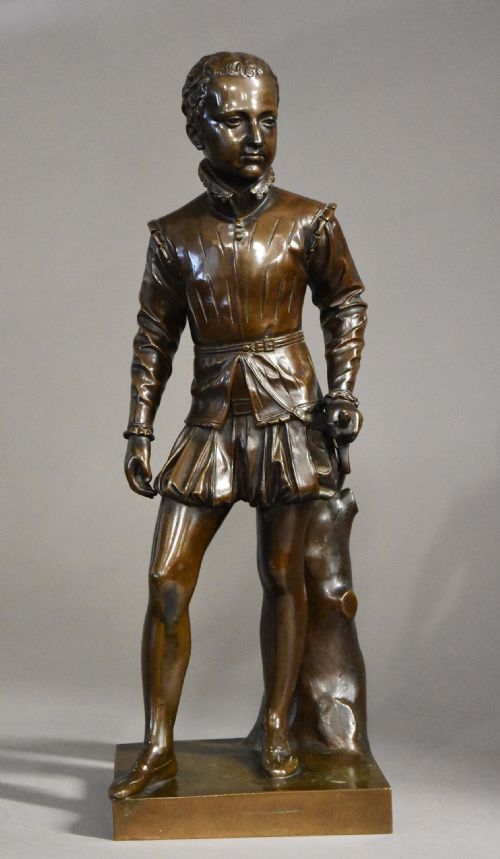
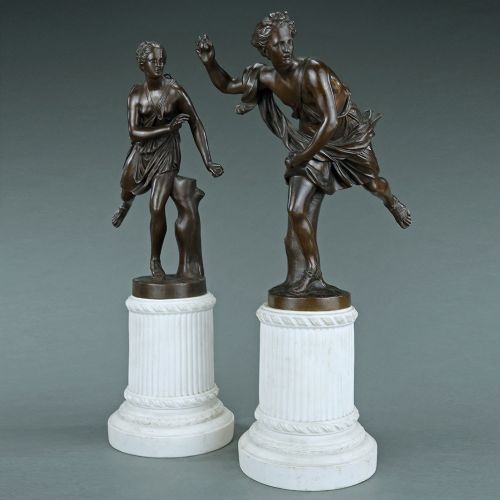
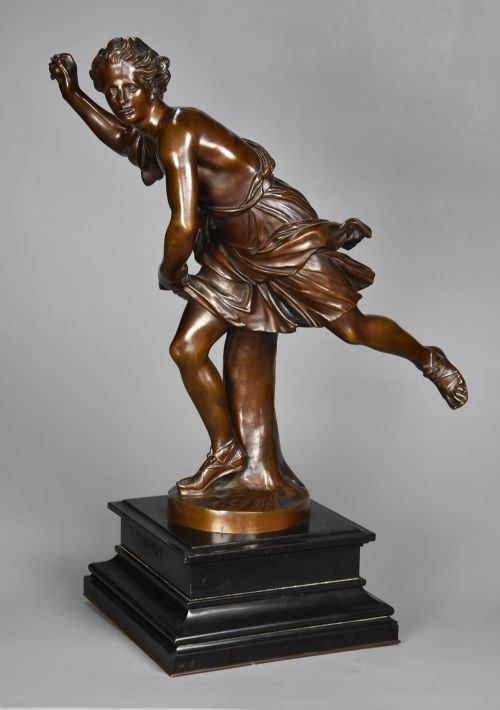
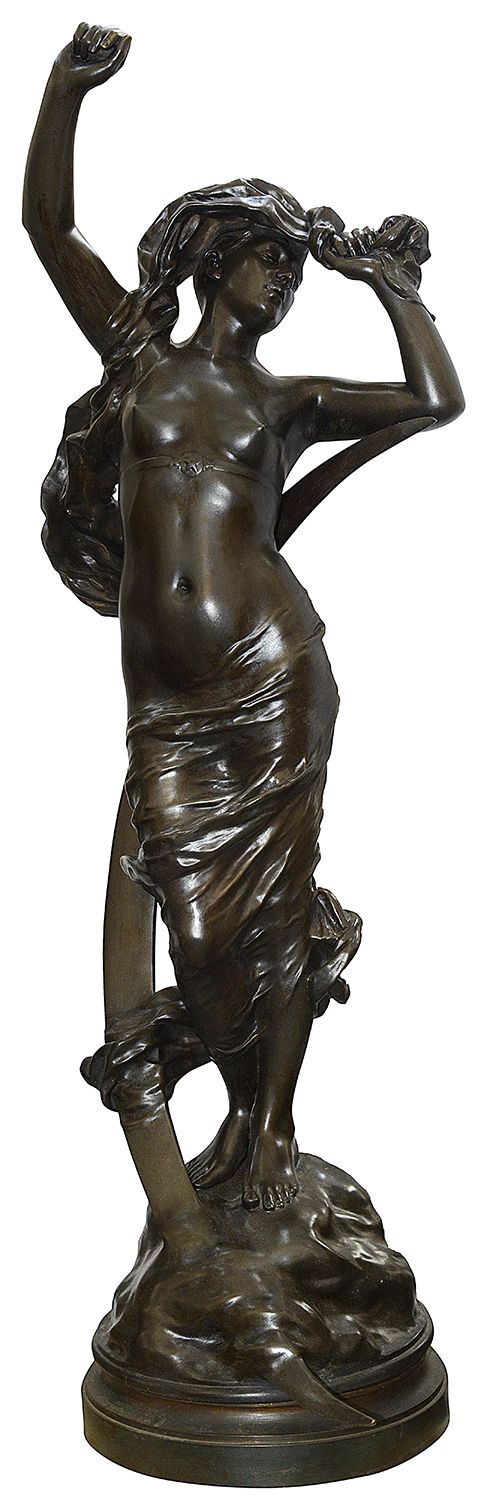
A french foundry bronze statue typically takes the form of classical figures, mythological characters, or naturalistic animal studies produced during the nineteenth century. These pieces translate antique sculptures, academic models, and living creatures into cast metal.
The versions most common on this page emerge from nineteenth-century Paris workshops, frequently cast by prominent reduction houses and foundries. Figures range from small cabinet bronzes to large architectural statues mounted on marble bases.
How they were made
Foundries utilised the lost-wax casting method or sand-casting techniques to reproduce complex models in molten bronze. These methods captured fine textures in hair, drapery, and feathers directly from the original sculptor's clay or plaster.
Post-casting work involved chasing the metal surface with chisels and applying chemical patinas, ranging from deep dark tones to parcel-gilt highlights. Mounts frequently incorporated ebonised wood or polished marble plinths.
French Foundry Bronze Statue Retail Price Guide 2026
Typical asking prices for french foundry bronze statue among the pieces listed under this phrase on Sellingantiques today, from the lower quarter to the upper quarter. They describe what is for sale here now, not the wider market.
Nineteenth-century sculptors occasionally sculpted storks standing on turtles, proving that even classical founders enjoyed an unexpected reptilian juxtaposition.
What varies in quality
The sharpness of the cast and the precision of the post-casting chisel work determine the distinction between average production and superior execution. A finer piece retains the subtle musculature and facial expression intended by the sculptor.
The depth and consistency of the patination, alongside the quality of the foundry stamp and signature, set the premier examples apart. Heavier bases of marble or specialised wood similarly signal higher commercial ambition.
Ferdinand Barbedienne·Antoine Louis Barye·Susse Freres·Siot Foundry·Emmanuel Villanis
The French Foundry Bronze Statue Glossary
- Patina
- The surface coloration and chemical treatment applied to the bronze. It protects the metal and defines the visual tone.
- Animalier
- A nineteenth-century artistic genre focused on the realistic depiction of animals, particularly wild beasts in motion.
- Chasing
- The manual refinement of a raw bronze casting using small chisels and hammers to sharpen details and remove seam lines.
- Grand Tour
- A nineteenth-century educational journey across Europe that generated a demand for small bronze copies of classical antiquities.
French Foundry Bronze Statue: Frequently Asked Questions
How do I clean a bronze statue?
Dust the surface regularly with a soft, dry brush to prevent accumulation in crevices. Avoid water, oils, or abrasive polishes that can strip the chemical patina.
Apply a very thin coat of microcrystalline wax if the surface appears dry. Buff gently with a clean cloth to restore a soft sheen without altering the metal.
What is an animalier bronze?
An animalier bronze depicts birds, cats, and predators captured in realistic poses. These works gained immense popularity in nineteenth-century France through specialists in natural history.
Artists studied live specimens in menageries to ensure anatomical accuracy before casting. Foundries then translated these dynamic models into heavy metal sculptures.
Are foundry marks important?
Foundry marks identify the workshop responsible for casting the metal from the sculptor's model. Stamps from prominent houses verify production standards and period authenticity.
These signatures and stamps often appear directly on the bronze base alongside the artist's name. They serve as primary indicators of origin and workshop reputation.