





French Baroque Style Bronze
French baroque style bronze brings grand seventeenth-century splendour into rooms through heavy cast metalwork, elaborate ornamentation and rich gilding.

French Baroque Style Bronze
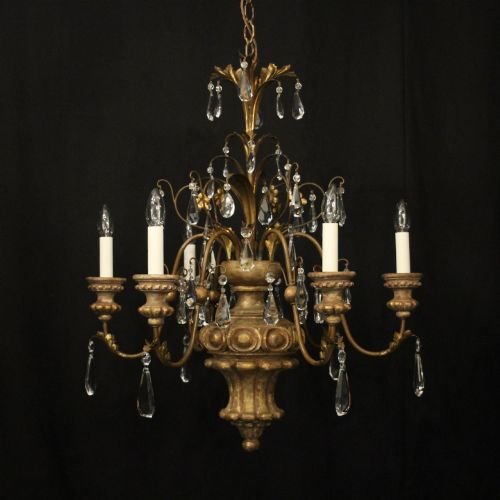
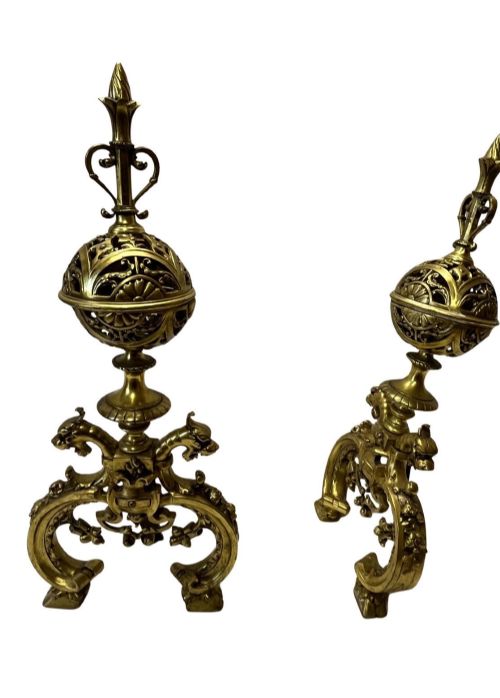
When you search for french baroque style bronze, you encounter decorative objects and functional furnishings designed to echo the theatrical majesty of the court of Louis XIV. These pieces predominantly take the form of wall lights, chandeliers, mantel clocks, and heavy fire dogs.
The selections on this page span the nineteenth and early twentieth centuries, capturing revivals of baroque aesthetics through periods such as the Victorian era and the Edwardian years. Most items combine cast bronze or brass frames with fire gilding or ormolu finishes.
How they were made
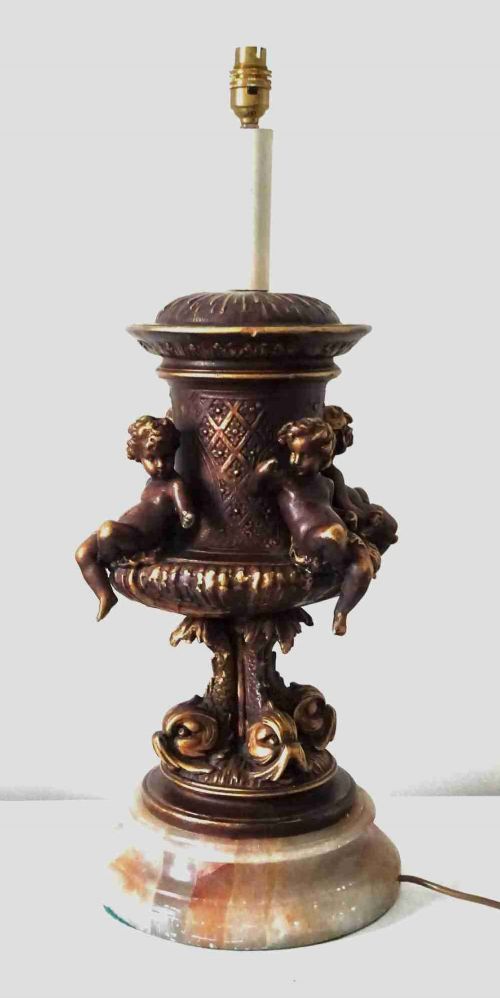
Maker's workshops cast bronze, brass, and iron into intricate shapes, frequently employing mercury gilding to produce the rich ormolu surfaces characteristic of the style. Artisans then chased the metal by hand to sharpen details like acanthus leaves, scrolls, and cherubs.
Selected works incorporate glass panels, tortoiseshell inlay, or enamel dials to contrast with the heavy gilded metalwork. Fireplace accessories and lighting fixtures rely on robust joining techniques to support their substantial weight.
French Baroque Style Bronze Retail Price Guide 2026
Typical asking prices for french baroque style bronze among the pieces listed under this phrase on Sellingantiques today, from the lower quarter to the upper quarter. They describe what is for sale here now, not the wider market.
Listings feature items from the nineteenth and early twentieth centuries, including Victorian and Edwardian periods.
What varies in quality
Quality in these bronzes rests upon the crispness of the chasing and the depth of the metal casting. Superior examples display sharply defined ornamentation where every leaf and scroll retains distinct, hand-finished edges rather than a soft, blurred profile.
The integrity of the gilding also dictates value, with well-preserved ormolu showing a warm, luminous lustre across the entire surface. Furthermore, pieces that retain original working clock movements or integrated glass elements demonstrate superior craftsmanship.
Thuret·Barbedienne
The French Baroque Style Bronze Glossary
- Ormolu
- Gilded bronze produced by applying a mixture of gold and mercury to a bronze base, then heating it to drive off the mercury. This technique creates a durable, golden finish characteristic of fine French decorative arts.
- Chenets
- Decorative metal fire dogs placed on the hearth to support logs. In baroque interiors, these often feature figural or architectural castings matching the wall lights and clocks.
- Chasing
- The manual refinement of a cast metal surface using hammers and punches. Artisans use this step to sharpen details and add texture after the piece leaves the sand mould.
- Jardiniere
- An ornamental receptacle designed to hold plants or flowers. These items often feature heavy cast bronze mounts and elaborate baroque scrolling.
- Cartouche
- An ornamental frame resembling a rolled-up piece of parchment, frequently found on clock faces and wall sconces of this period.
French Baroque Style Bronze: Frequently Asked Questions
What is french baroque style bronze?
French baroque style bronze encompasses decorative and functional metalwork inspired by the ornate aesthetics of seventeenth-century France. These pieces are typically cast from bronze or brass and finished with ormolu or gilding.
The inventory on this page largely consists of nineteenth-century and early twentieth-century revivals produced in the Louis XIV taste, ranging from large chandeliers to mantel clocks and fire dogs.
How do I date these bronzes?
Dating these items relies on examining the casting techniques, the style of the mounts, and materials such as glass or enamel dials. Pieces often date from nineteenth-century revival periods rather than the seventeenth century itself.
Inscriptions, maker marks, or specific mechanical elements in clocks also help narrow down the period of manufacture to the Victorian, Edwardian, or earlier decades.
How do I clean ormolu?
Ormolu surfaces require gentle dusting with a soft brush to remove accumulated particles without scratching the delicate gold layer. Avoid abrasive cleaners or metal polishes that can strip away the historic mercury gilding.
Professional conservation is recommended for pieces showing tarnish or accumulation of old wax, ensuring the underlying bronze remains protected.