

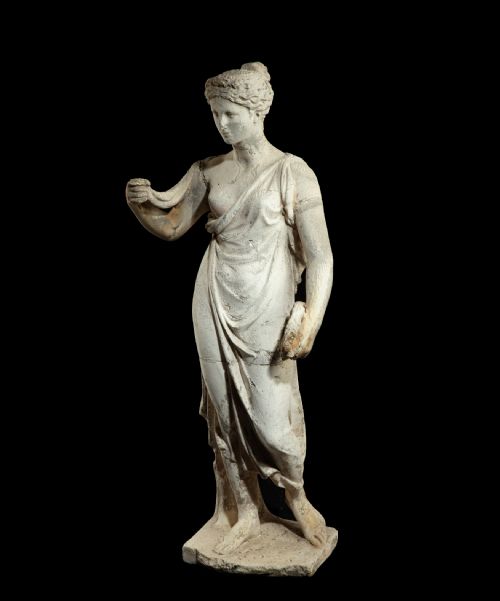


Classical Draped Figure Statue
A classical draped figure statue brings antiquity into a room, capturing a female or mythological subject in flowing robes.

Classical Draped Figure Statue
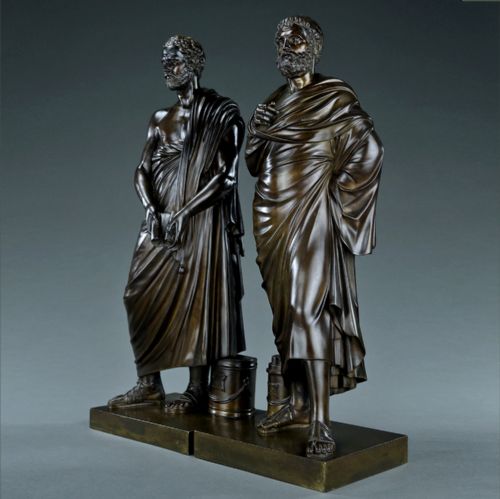
A classical draped figure statue represents human forms in antique dress, ranging from grand garden ornaments to delicate cabinet pieces. These sculptures draw heavily upon Greek and Roman aesthetics, often portraying goddesses, allegorical seasons, or literary figures.
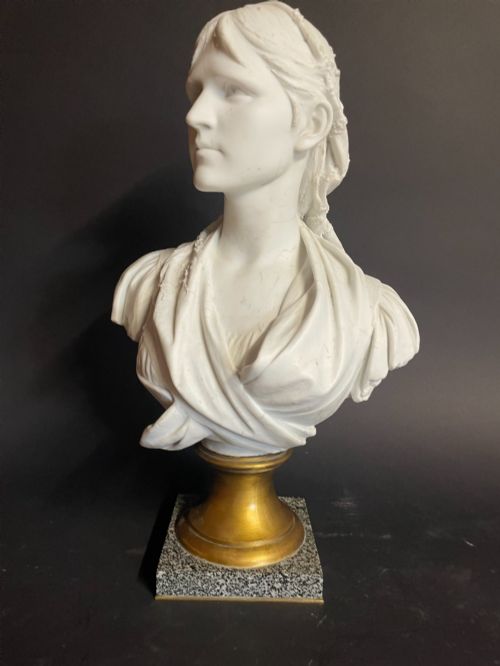
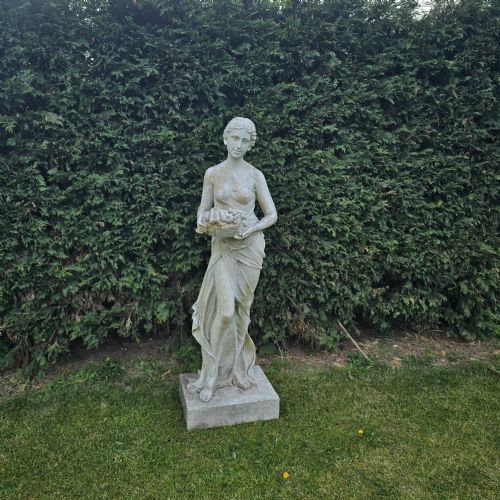
Buyers meet works spanning several centuries, including grand tour bronzes, nineteenth-century marble carvings, and mid-twentieth-century stone garden statues. The selection moves between interior busts and large figures designed to stand upon pedestals or plinths.
Forms include single standing ladies, seated figures, and paired caryatids that once served as architectural supports. Plaster, terracotta, and cast stone frequently appear alongside bronze and carved marble.
Materials and production methods
Foundry-cast bronze requires careful patination, allowing metal surfaces to mimic ancient patinas through chemical treatment. Sculptors working in marble and alabaster carve intricate folds of drapery by hand from solid blocks of stone.
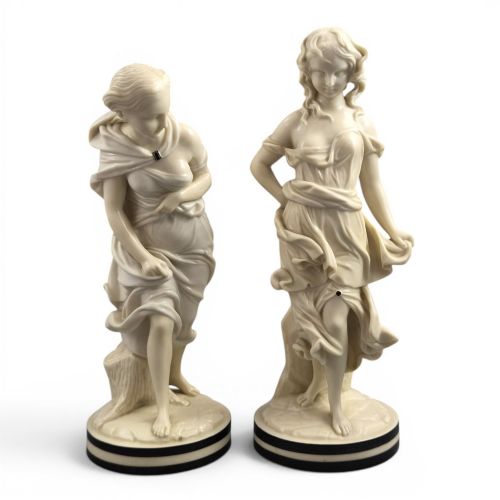
Plaster and terracotta pieces rely on moulds taken from original models, capturing fine details before drying or setting. Parian ware and bisque porcelain utilise specialised ceramic firing processes to achieve a matt, marble-like finish.
Reconstituted and cast stone combine crushed aggregates with binders to create robust garden statuary suitable for outdoor placement. These outdoor pieces often receive hand-finished detailing to accentuate the lines of the carved garments.
Classical Draped Figure Statue Retail Price Guide 2026
Typical asking prices for classical draped figure statue among the pieces listed under this phrase on Sellingantiques today, from the lower quarter to the upper quarter. They describe what is for sale here now, not the wider market.
Some Victorian water carriers and allegorical figures carry permanent jugs that have stubbornly poured empty air for well over a century.
Evaluating sculptural quality
The finesse of the carving or casting determines the realism and depth achieved in the drapery folds. Superior works display natural gravity in the fabric, where cloth clings to limbs and pools gracefully around the feet.
Barbedienne·James Hadley·Humphrey Hopper·Ernst Barrias·Pugi·Auguste Moreau·Antoine Coysevox
The Classical Draped Figure Statue Glossary
- Caryatid
- A sculpted female figure serving as an architectural support taking the place of a column or pier. These figures often wear long draped garments.
- Parian ware
- A type of fine-grained unglazed porcelain developed in the nineteenth century to imitate carved marble. It is frequently seen in Victorian figures and busts.
- Grand Tour
- A traditional trip of Europe undertaken by upper-class young men in the eighteenth and nineteenth centuries, often resulting in the acquisition of small bronzes.
- Bisque porcelain
- Porous unglazed ceramic fired once to create a matt, biscuit-like texture resembling marble. It became popular for delicate Victorian figurines and neoclassical groups.
- Torchiere
- A tall stand or ornamental candlestick, sometimes taking the form of a draped figure holding aloft a light source.
Classical Draped Figure Statue: Frequently Asked Questions
Where should I place a heavy marble or stone statue?
Heavy stone and marble pieces require stable, level flooring or reinforced garden bases to support their considerable weight safely. Placing them away from high-traffic household areas prevents accidental impacts.
Outdoor stone figures benefit from stable plinths that elevate them above wet soil and winter frost. Indoor marble and alabaster pieces prefer dry environments away from direct heat sources.
How do I clean nineteenth-century bronze sculptures?
Bronze statues accumulate dust in the recessed folds of drapery, which you can remove gently using a soft, dry artist's brush. Avoid using harsh cleaning agents or water, as these can strip the historic patina.
Applying a microcrystalline wax occasionally protects the metal surface from atmospheric moisture. Consult a specialist restorer if the bronze shows signs of active corrosion or structural damage.
Are plaster figures suitable for outdoor display?
Plaster and terracotta figures are generally intended for indoor interior placement, as moisture causes the material to degrade rapidly. Reconstituted and cast stone are the preferred choices for garden settings.
Protecting plaster figures from damp walls and direct sunlight preserves the crisp detail of the carved drapery. If displayed indoors, keep them in rooms with stable humidity levels.
What is the difference between parian ware and marble?
Parian ware is a ceramic material cast in moulds to imitate carved marble, featuring a characteristic matt surface. True marble is quarried stone shaped entirely by hand using chisels and rasps.
Ceramic figures often exhibit fine mould seams and lighter weights compared to solid stone carvings. Both materials achieve a smooth, pale finish well-suited to neoclassical subjects.