

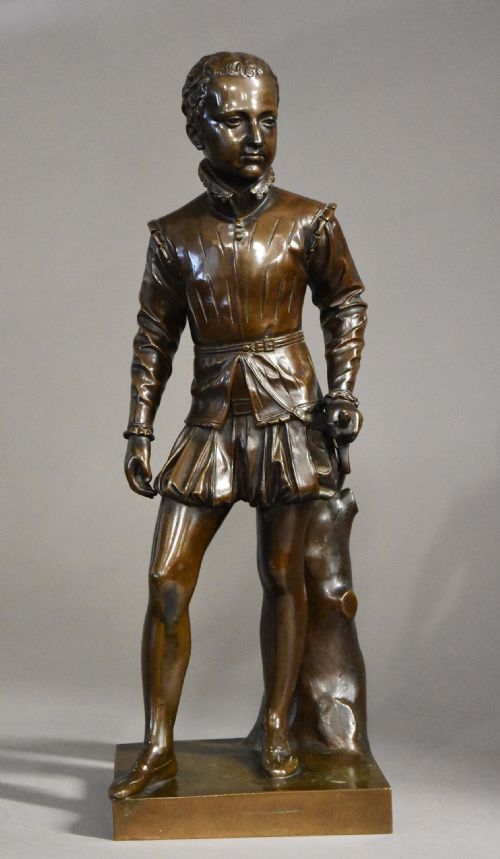
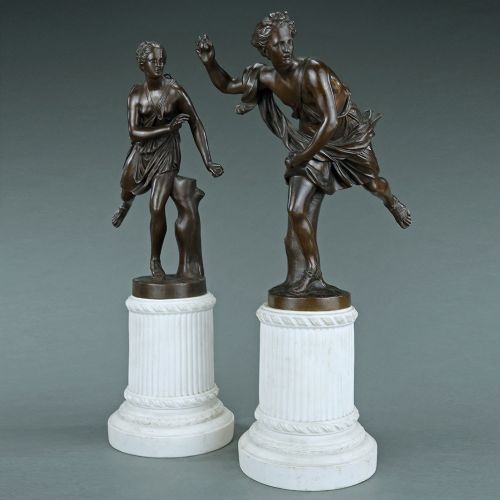

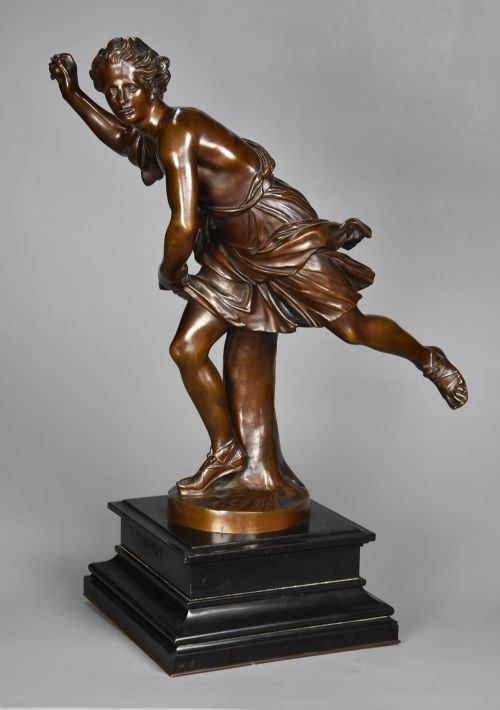


Barbedienne Foundry Bronze Figure
These barbedienne foundry bronze figure works bring nineteenth-century French sculpture into your home with exceptional cast detail and rich patination.
Barbedienne Foundry Bronze Figure
When you search for a barbedienne foundry bronze figure, you encounter nineteenth-century French foundry work representing classical, animalier, and historical subjects. The pieces on this page span the mid to late nineteenth century, including specific dates such as eighteen-sixty and eighteen-eighty.
You will find large-scale sculptural forms and detailed animal figures on this page. Subjects range from mythological figures like Venus and Atalanta to animalier works by Antoine Louis Barye and historical portraits.
The objects appear as sculptures, statues, and figurines created during periods described as Neoclassical, French Baroque, and French Neo-Renaissance. These pieces reflect the high technical standards of nineteenth-century French casting.
Materials and casting methods
The works are constructed from bronze, utilising techniques that produce patinated bronze, parcel-gilt bronze, dark patina, and gilt bronze surfaces. Cast bronze serves as the primary medium for these detailed nineteenth-century sculptures.
Selected works incorporate supporting elements of marble and ebonised wood to mount or display the bronze figures. These combined materials provide structural stability and contrast with the metallic surfaces.
Barbedienne Foundry Bronze Figure Retail Price Guide 2026
Typical asking prices for barbedienne foundry bronze figure among the pieces listed under this phrase on Sellingantiques today, from the lower quarter to the upper quarter. They describe what is for sale here now, not the wider market.
Materials appearing across these entries include cast bronze combined with marble and ebonised wood.
Quality variations in casting
The fidelity of the cast surface and the precision of the chiselling after casting separate standard productions from finer examples. Master founders achieved sharper definition in facial expressions, drapery folds, and animal musculature.
The depth and consistency of the patina or gilding influence the visual presence of the sculpture. Superior patination enhances the contours of the bronze without obscuring the underlying texture.
Barbedienne·Antoine Louis Barye·Coustou·Antoine Coysevox·Falconnet
The Barbedienne Foundry Bronze Figure Glossary
- Animalier
- A nineteenth-century sculptural style focusing on the realistic portrayal of animals. Artists in this tradition often depicted wild beasts in dynamic or natural poses.
- Patination
- The treatment or natural ageing of the bronze surface to create colour and finish. A dark patina was frequently utilised by nineteenth-century foundries to accentuate form.
- Parcel-gilt
- A decorative technique where specific areas of the bronze are highlighted with applied gold leaf. This contrasts with the darker patinated sections of the sculpture.
- Neoclassical
- An artistic style drawing inspiration from the classical art and culture of ancient Greece and Rome. Many nineteenth-century French bronzes adopted these formal proportions and subjects.
- Foundry stamp
- A mark or signature applied by the producing workshop to authenticate the cast. These stamps help identify the manufacturing source and period of the bronze.
Barbedienne Foundry Bronze Figure: Frequently Asked Questions
How do I identify a Barbedienne bronze?
Look for foundry stamps or signatures inscribed directly into the bronze surface during the casting process. These marks confirm the piece was produced by the Barbedienne foundry in Paris.
Compare the quality of the chasing and patination against known examples from the nineteenth century. The precision of the detail usually distinguishes genuine foundry output.
What is an animalier bronze?
An animalier bronze is a sculpture depicting animals, typically birds and large cats, created with anatomical accuracy. These pieces gained popularity in nineteenth-century France through artists such as Antoine Louis Barye.
Foundries like Barbedienne cast these animal subjects to satisfy collector demand for dynamic wildlife sculptures.
How should I display a bronze figure?
Place the sculpture on a stable surface away from direct sunlight and moisture fluctuations to protect the patina. Heavy figures often require sturdy furniture or dedicated marble bases.
Ensure the surrounding space allows the detailed casting and any integrated marble or ebonised wood elements to be viewed clearly from multiple angles.
How do I clean a bronze sculpture?
Dust the bronze gently with a soft, dry cloth to remove surface particles without disturbing the patina. Avoid using chemical cleaners, water, or abrasive polishes on the metal.
Consult a professional restorer if the surface requires deeper maintenance or if the protective coating shows signs of wear.