






French Foundry Bronze Sculpture
A french foundry bronze sculpture brings classical mythology, animals and historical figures into a room through the enduring medium of cast metal.
French Foundry Bronze Sculpture
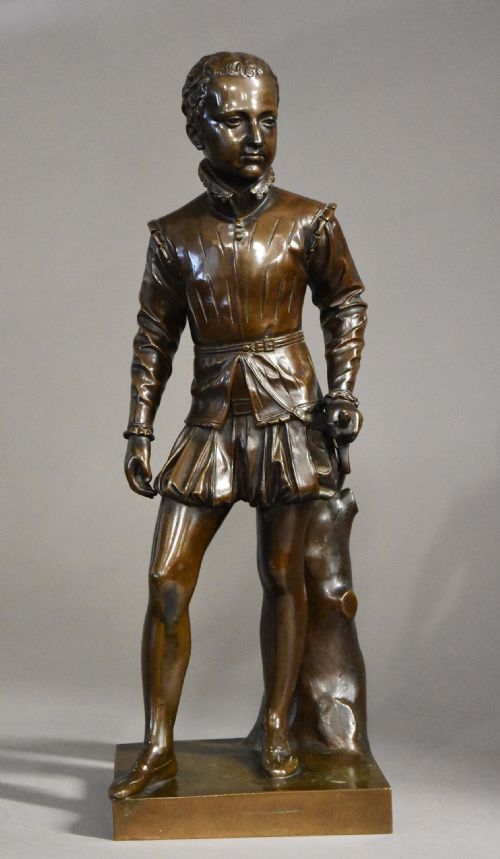
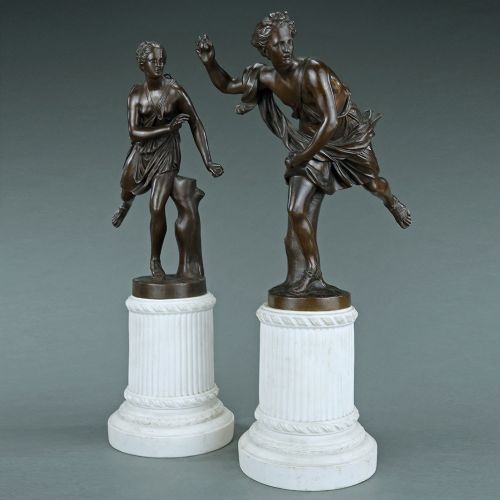
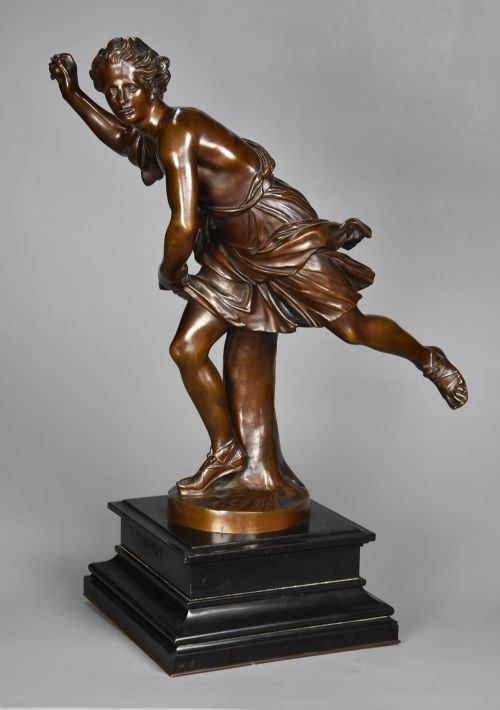
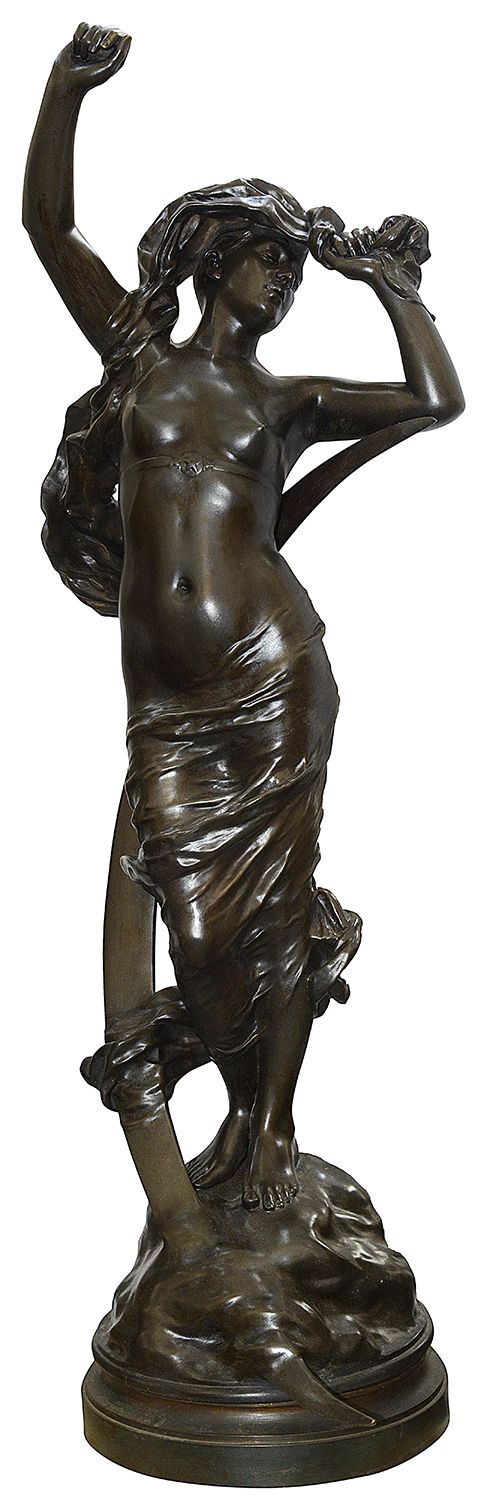
When you search for a french foundry bronze sculpture, you encounter cast metal works originating from nineteenth century France, spanning periods from eighteen sixty up to nineteen ten. These pieces take the form of standing figures, animals, busts and mythical subjects, often modelled after classical antiquities or famous salon sculptures.
The most common examples on this page are nineteenth century castings, frequently produced by major Parisian foundries such as Barbedienne, Susse Freres, Siot and Victor Paillard. Subjects range from fierce wild animals to classical maidens, musketeers and historical monarchs, reflecting the diverse tastes of the period.
Many of these works function as reduction sculptures, bringing monumental museum pieces down to a domestic scale. Others capture the natural movement of wildlife or the poised anatomy of academic nudes, mounted securely on bases of marble or ebonised wood.
Assessing quality in cast bronze
The reputation of the founding house and the fidelity of the reduction or cast to the original sculptor's model elevate a piece. Foundries known for rigorous standards produced metals with subtle colour variations and stable, well-fitted mounts on marble or wood.
French Foundry Bronze Sculpture Retail Price Guide 2026
Typical asking prices for french foundry bronze sculpture among the pieces listed under this phrase on Sellingantiques today, from the lower quarter to the upper quarter. They describe what is for sale here now, not the wider market.
A gilt bronze stork perched upon a turtle proves that nineteenth century foundries indulged in wonderfully eccentric animal encounters.
Barbedienne·Antoine Louis Barye·Edouard Drouot·Hebrard·Jules Dalou·Susse Freres·Houdebine·Victor Paillard·Emmanuel Villanis·Siot Foundry
The French Foundry Bronze Sculpture Glossary
- Patinated bronze
- Bronze treated with chemical solutions to produce a controlled surface colour, ranging from rich brown to deep black. This finish protects the metal and highlights sculptural contours.
- Gilt bronze
- Bronze coated with a layer of gold using mercury gilding or electroplating, often called ormolu. It provides a bright, reflective golden surface that resists tarnish.
- Foundry mark
- A stamp, signature or cipher cast or punched into the bronze by the workshop that poured the metal. These stamps identify the maker and help date the work.
- Animalier
- A nineteenth century artistic movement and style focused on the realistic depiction of animals, particularly wild beasts in motion. Practitioners frequently collaborated with commercial foundries.
- Reduction
- A mechanical process used to scale down a large statue or monument into a smaller bronze figure for a domestic interior. Ferdinand Barbedienne popularised machines for this exact purpose.
French Foundry Bronze Sculpture: Frequently Asked Questions
What is an animalier bronze?
An animalier bronze depicts animals such as lions, storks, hares and panthers with anatomical accuracy. These sculptures capture wild creatures in tense moments of observation or action.
French sculptors studied live specimens in menageries before handing their models to foundries for casting in patinated bronze.
How do I identify a foundry mark?
Foundry marks appear as stamped lettering or cast signatures usually located near the base or along the edge of the bronze figure. They name the commercial house responsible for pouring and finishing the metal.
Names like Barbedienne or Susse Freres confirm the French workshop origin and assist in dating the piece to the nineteenth or early twentieth century.
Why are some bronzes mounted on marble?
Marble bases provide a heavy, stable foundation for heavy metal sculptures while adding a clean architectural border. They protect the lower edge of the bronze and elevate the display.
Dark marble or ebonised wood plinths complement the dark patina or gilt surfaces typical of French cast works.
What does a reduction sculpture mean?
A reduction is a faithful smaller copy of a monumental public statue or museum antiquity. Special machines allowed foundries to scale down famous marbles into tabletop sizes.
Collectors could own miniature versions of masterworks by classical or contemporary sculptors for their studies and drawing rooms.