





Dark Bronze Venus Statue
A dark bronze venus statue brings classical antiquity into a room, offering cast metal figures of the goddess that command attention.
Dark Bronze Venus Statue
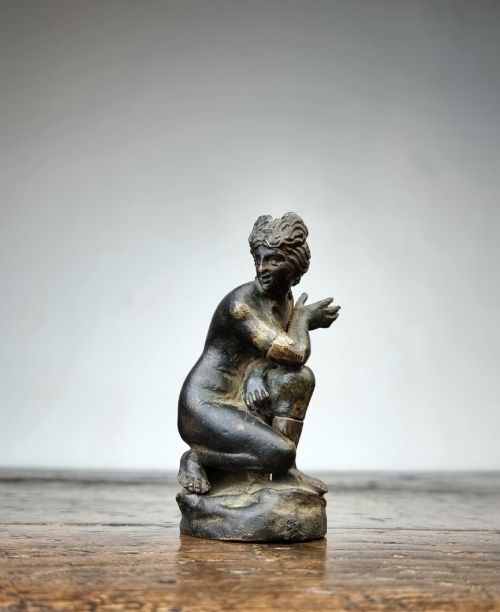
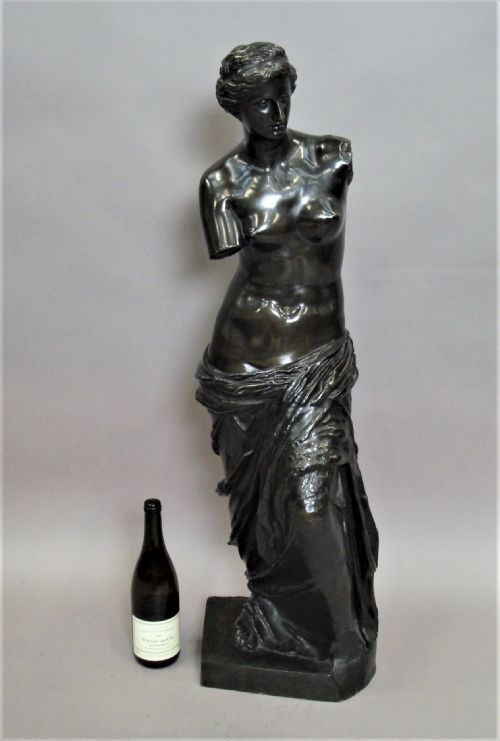
When you search for a dark bronze venus statue, you encounter cast metal sculptures ranging from small statuettes to very large gallery pieces. The majority of these works date to the nineteenth century, including Grand Tour souvenirs and foundry casts from Paris.
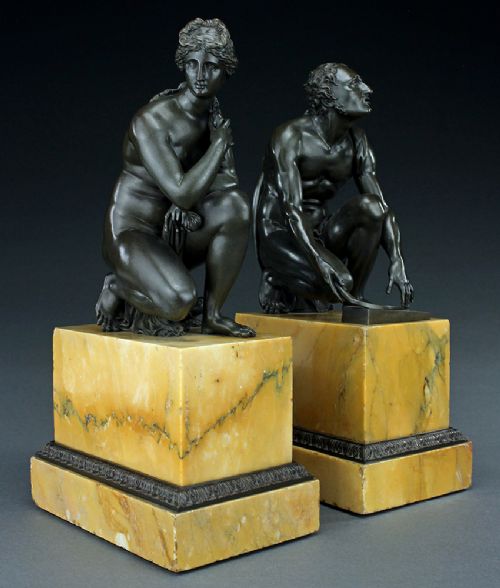
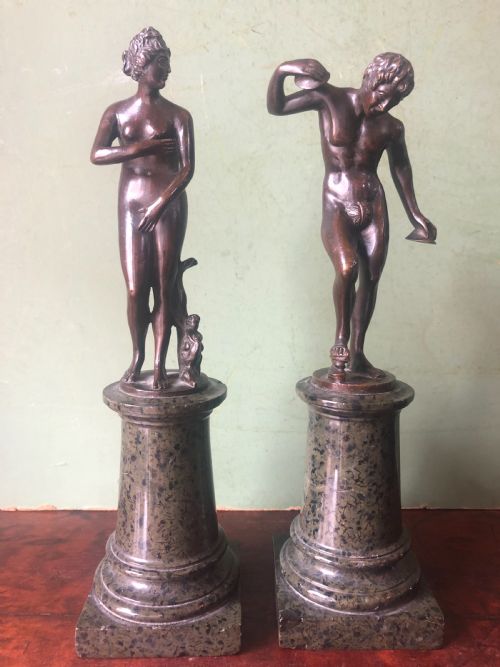
Makers and foundries drew inspiration from classical antiquities like the Venus de Milo and works by Falconnet. You will find single figures, pairs with companion subjects, and reductions mounted upon marble bases.
The aesthetic spans neoclassical and baroque revivals, rooted in Italian and French artistic traditions. These sculptures function as tabletop ornaments or substantial focal points in a room.
How they were made
Foundries utilised traditional bronze casting methods to capture the fluid contours of the human form. Metalworkers then applied patination to achieve dark bronze surfaces, sometimes enhanced with parcel-gilt details.
Sculptures were frequently mounted upon heavy stone plinths, notably Siena marble, to provide stability and visual contrast to the dark metal. Reduction techniques allowed workshops to scale down monumental antiquities into cabinet-sized statuettes.
Dark Bronze Venus Statue Retail Price Guide 2026
Typical asking prices for dark bronze venus statue among the pieces listed under this phrase on Sellingantiques today, from the lower quarter to the upper quarter. They describe what is for sale here now, not the wider market.
Some nineteenth-century travellers carried home tiny metal goddesses so heavy their luggage required an extra porter.
What varies in quality
The crispness of the chasing and the depth of the metal patination separate master foundry work from ordinary production. Fine examples display meticulous attention to anatomical detail and drapery in the cast.
The quality of the marble mount and the precision of the reduction from the original antique influence the standing of the piece. Renowned founders contributed superior finishing that elevates the stature of the sculpture.
Ferdinand Barbedienne·Ferdinando de Luca
The Dark Bronze Venus Statue Glossary
- Patinated bronze
- Bronze treated with chemical solutions to produce a specific surface colour, often dark brown or near-black. This finish protects the metal and defines the sculptural contours.
- Grand Tour
- A cultural journey undertaken by wealthy young Europeans to view classical antiquities, inspiring the production of souvenir bronzes. These scaled-down statues served as physical mementoes of travel.
- Reduction
- A mechanical process used by foundries to produce a smaller scale copy of a large sculpture. This technique made reproductions of famous museum pieces accessible for domestic display.
- Parcel-gilt
- A decorative treatment where specific areas of an object receive a thin application of gold leaf while the rest retains its base metal colour. This highlights details such as garments or hair.
- Siena marble
- A yellow or ochre decorative stone quarried in Italy, frequently utilised for architectural trim and decorative bases. Its distinct veining complements dark metal sculpture.
Dark Bronze Venus Statue: Frequently Asked Questions
What is a Grand Tour bronze?
A Grand Tour bronze is a nineteenth-century souvenir sculpture purchased by travellers visiting classical sites in Italy and France. These pieces replicated famous ancient statues for display in private homes.
Foundries in Paris and Italy produced these reductions in various sizes to satisfy the demand for classical art. They remain collected today for their historical association and craftsmanship.
How do I identify a Venus de Milo sculpture?
A Venus de Milo sculpture depicts the goddess with characteristic drapery gathered around her lower limbs and missing arms. Nineteenth-century founders frequently reproduced this specific classical pose.
These versions range from small cabinet statuettes to very large bronze figures. The stance and proportions directly reference the ancient Greek marble original housed in the Louvre.
What materials support these bronze statues?
Many nineteenth-century bronzes are mounted directly onto heavy marble bases, with Siena marble being a prominent choice. The stone plinth provides both structural balance and an aesthetic contrast to the dark metal.
Some examples also incorporate parcel-gilt highlights directly onto the bronze surface. These material combinations reflect the neoclassical taste of the period.
How do I care for a dark bronze statue?
Bronze statues require minimal maintenance beyond gentle dusting with a soft, dry cloth to prevent accumulation. Avoid using chemical cleaners or abrasive polishes that can damage the patinated surface.
Keep the sculpture away from excessive moisture and direct heat sources to preserve the integrity of both the metal and any attached marble base.