


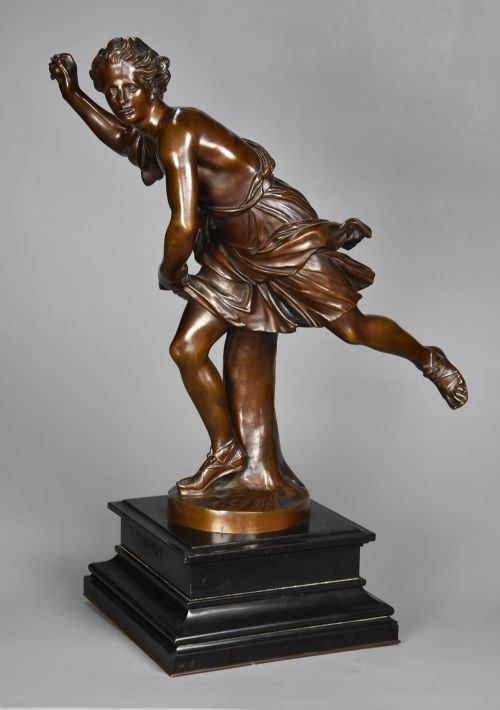
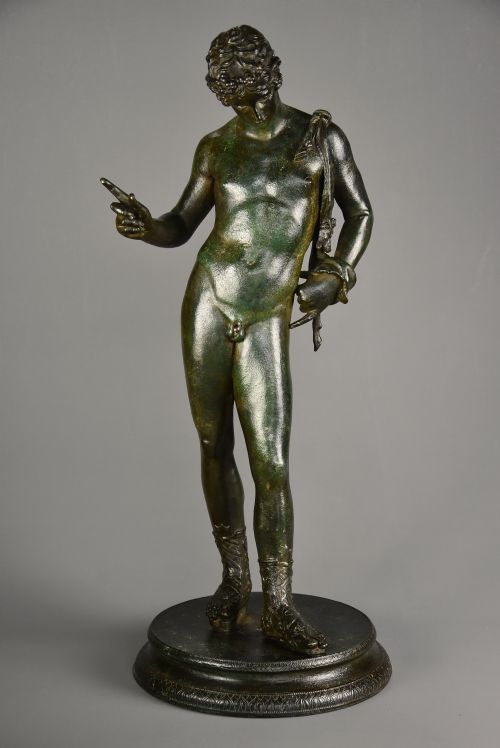
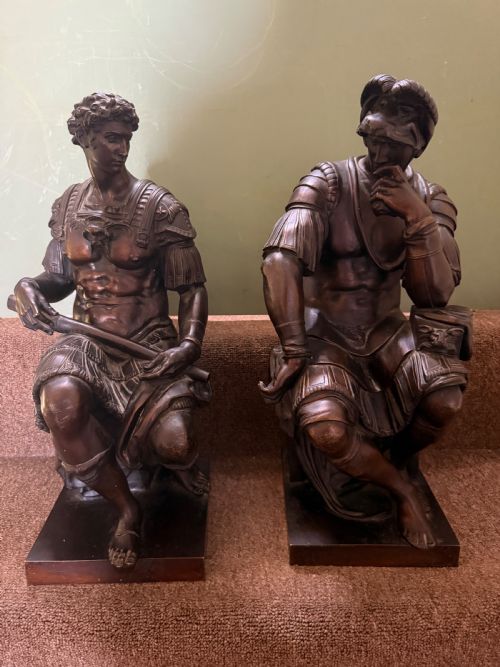
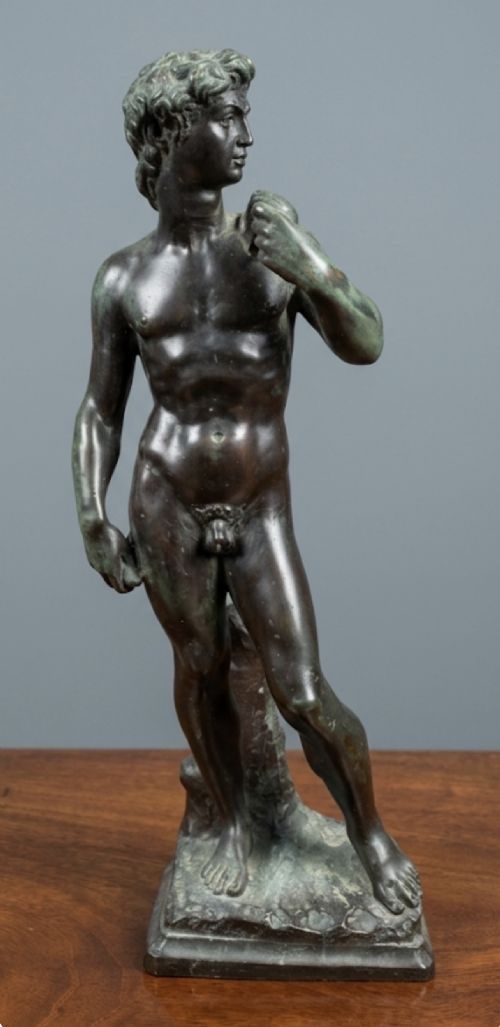


Large Bronze Classical Statue
A large bronze classical statue brings the weight and narrative of antiquity into a room through monumental foundry work.
Large Bronze Classical Statue
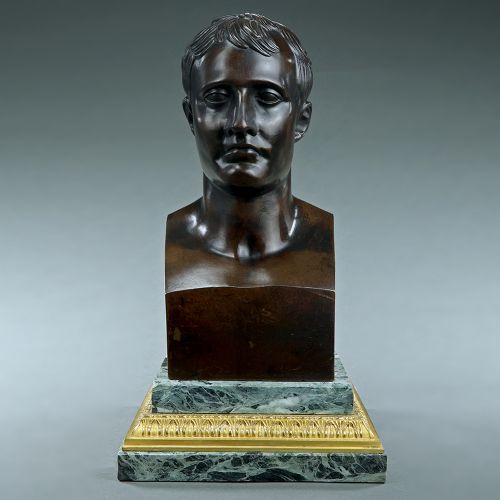
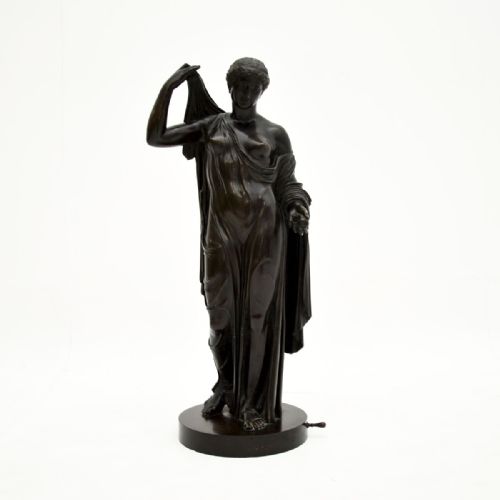
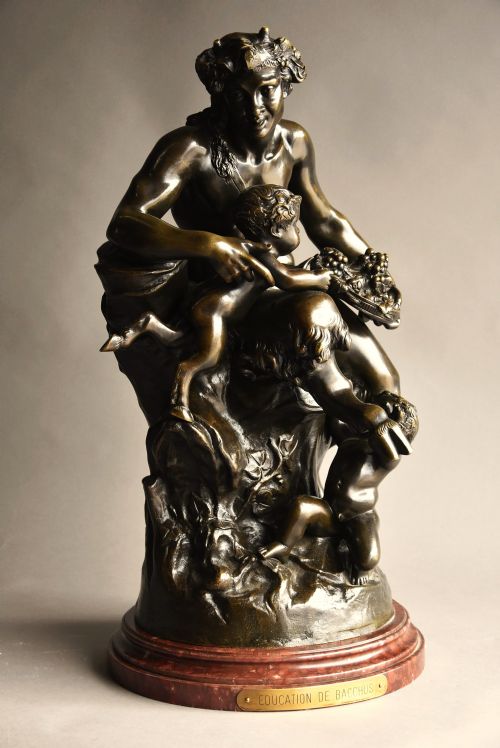
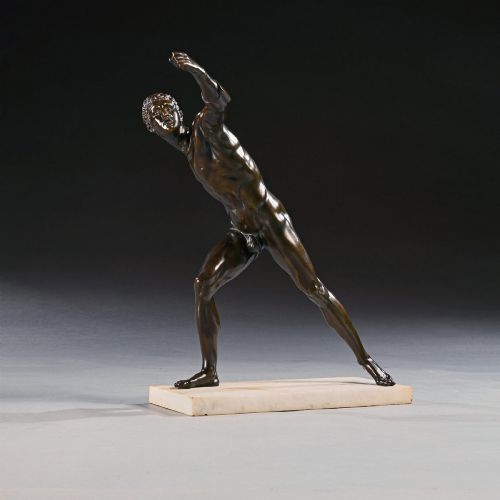
A large bronze classical statue embodies subjects drawn from ancient mythology, heroic history and classical sculpture, recast during the nineteenth century. These works frequently draw on canonical models from Greek and Roman antiquity, reinterpreted by European founders and sculptors.
Buyers most commonly encounter French and Italian examples dating from the Victorian era up to the early twentieth century. The selection spans single figures of gods and athletes, pairs of allegorical torcheres, and figural mantel clocks incorporating marble plinths.
The physical scale of these pieces demands substantial architectural space, often standing as focal points in nineteenth-century interiors. Their subjects range from identifiable mythological figures to allegories of industry, victory and philosophy.
Materials and casting methods
Foundries utilised traditional metal-casting techniques to shape molten alloy into complex figural compositions. The resulting metal forms were then finished by hand, employing chisels and files to sharpen anatomical details and drapery folds.
Surface treatments define the visual identity of these works, relying on applied patination or chemical ageing to achieve deep brown, green or black tones. Gilt bronze finishes also appear, adding reflective highlights to subsidiary decorative elements and lamp mounts.
Large Bronze Classical Statue Retail Price Guide 2026
Typical asking prices for large bronze classical statue among the pieces listed under this phrase on Sellingantiques today, from the lower quarter to the upper quarter. They describe what is for sale here now, not the wider market.
Several figures hold harps, grapes or torches, ensuring that even a silent bronze statue remains perpetually prepared for a party.
Assessing foundry standards and sculptural execution
The fidelity of the cast relative to the original model determines the primary tier of quality in these sculptures. Superior examples preserve crisp muscle definition, subtle facial expressions and clean separation between hair and drapery without softening during the casting process.
The depth and consistency of the patination further distinguish higher grade works from standard commercial production. Master founders achieved layered, stable surface colours that interact naturally with light, whereas lesser pieces display flat or uneven pigment application.
Ferdinand Barbedienne·Emile Louis Picault·Auguste Moreau·G. Gardet·Albert Carrier Belleuse
The Large Bronze Classical Statue Glossary
- Patination
- The applied chemical or thermal coloration of a metal surface. This process alters the raw bronze to create protective and decorative finishes ranging from deep brown to antique green.
- Grand Tour
- A nineteenth-century tradition where wealthy travellers collected European art and reduced-scale bronze copies of classical antiquities. These souvenirs were produced by specialised workshops in Italy and France.
- Torchere
- A tall ornamental stand or figural support designed to hold a light source. In nineteenth-century metalwork, these often take the form of patinated bronze classical figures holding lamps.
- Neoclassical
- An artistic movement reviving the styles and subjects of ancient Greece and Rome. This aesthetic prioritises balanced proportions, heroic narrative subjects and restrained classical drapery.
Large Bronze Classical Statue: Frequently Asked Questions
How heavy is a large bronze classical statue?
These sculptures possess substantial physical weight due to the density of cast metal and the frequent inclusion of marble bases. Their mass requires reinforced furniture surfaces or direct placement on the floor.
Smaller figural groups remain movable by one person, while monumental figures and torcheres demand professional handling during installation.
Where were these classical sculptures manufactured?
The majority of nineteenth-century foundry production centred in French workshops, particularly around Paris, alongside specialised Italian foundries in Naples and Florence. These establishments employed skilled artisans dedicated to chasing and patination.
Italian output frequently catered to travellers seeking souvenir reductions of famous excavated antiquities.
How should patinated bronze surfaces be cleaned?
Maintenance requires only gentle dusting with a soft, dry cloth to prevent particulate accumulation on the metal. Moisture and chemical cleaning agents must be avoided to protect the original patination layer.
Periodic application of microcrystalline wax helps seal the surface against atmospheric humidity and handling wear.
What subjects are most common in these sculptures?
Mythological figures, ancient athletes, and allegorical personifications dominate the repertoire of these works. Common representations include Narcissus, Bacchus, classical warriors, and figures symbolising virtues like fortune and labour.
Many pieces directly replicate specific statues housed in European museums from the nineteenth century onward.