



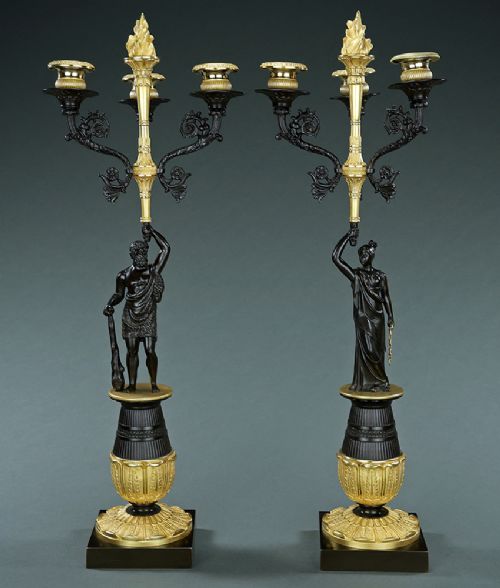


Black Bronze Classical Figure
A black bronze classical figure brings antiquity straight to the interior, channelling mythology and ancient sculpture through nineteenth-century metalwork.
Black Bronze Classical Figure
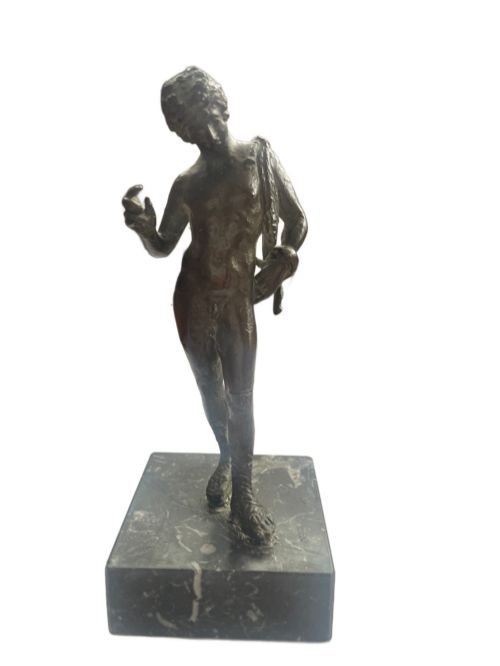
A black bronze classical figure is a metal sculpture depicting mythological gods, heroes, or historical personages rooted in antiquity. These pieces draw heavily on archaeological discoveries and the Grand Tour tradition, where travellers collected miniature bronzes of famed ancient statues.
Most examples encountered here originate from the nineteenth century, spanning Regency, Victorian, and French Empire aesthetics. Alongside solid bronze, buyers will also find patinated metalwork and spelter figures mounted on marble bases.
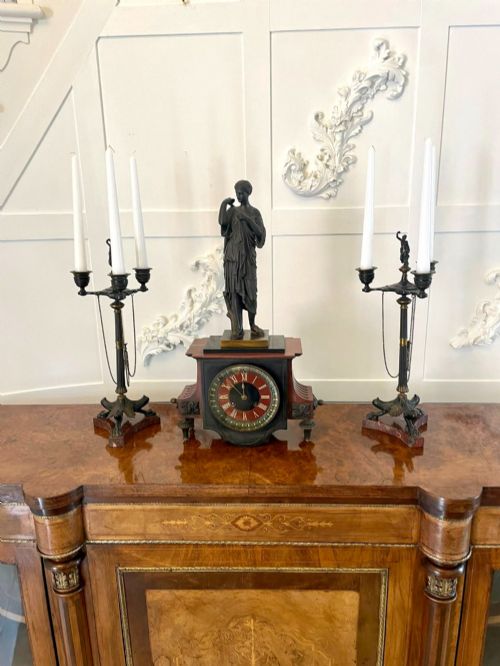
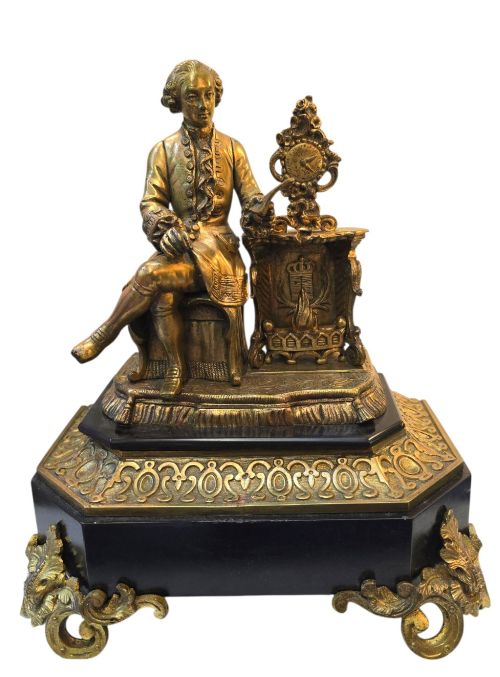
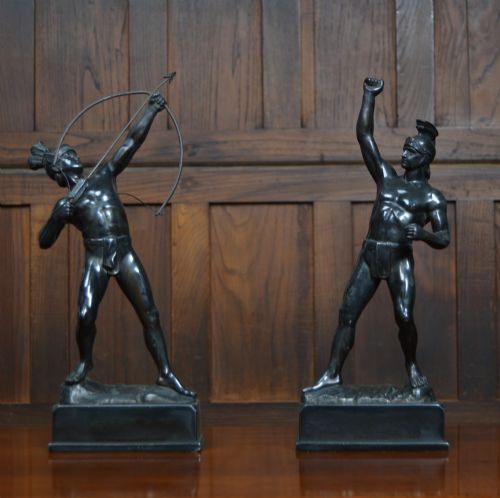
Forms range from freestanding cabinet sculptures and mantel clock garnitures to torcheres and lamps. Subjects frequently include figures such as Narcissus, Venus de Milo, Hercules, and classical athletes.
Materials and construction methods
Foundry workers cast these figures primarily in bronze or spelter, applying dark patination solutions to achieve the characteristic black or deep brown surface. Many sculptures are secured onto heavy fossil marble or stone plinths to provide stability and contrast.
Finishing involved meticulous chasing and cold-painting where specific details required surface colour or gilt highlights. Complex pieces often combined cast metal elements with glass, brass, or carved marble components, particularly in clock sets and architectural lamps.
Black Bronze Classical Figure Retail Price Guide 2026
Typical asking prices for black bronze classical figure among the pieces listed under this phrase on Sellingantiques today, from the lower quarter to the upper quarter. They describe what is for sale here now, not the wider market.
Distinctions in quality
Base materials also dictate overall standard, with heavy polished marble plinths and integrated bronze mounts indicating higher workshop investment. Maker attribution and well-executed patination further elevate the standing of an individual piece.
Ferdinand Barbedienne·Pierre le Faguays·Humphrey Hopper·Claire Colinet·Franz Iffland
The Black Bronze Classical Figure Glossary
- Patinated bronze
- Bronze treated with chemical solutions to produce a dark surface colour. This finish protects the metal and accentuates sculptural contours.
- Grand Tour
- A traditional educational trip through Europe undertaken by nobility, resulting in the acquisition of classical antiquities and bronze reductions. These souvenirs form the basis of many nineteenth-century cabinet sculptures.
- Spelter
- A zinc alloy commonly utilised as a less expensive alternative to bronze during the nineteenth century. It is frequently given a bronze-like coating to mimic heavier metal.
- Garniture set
- A decorative arrangement consisting of a central clock flanked by matching ornaments such as candelabras or vases. They often incorporate classical figures and marble bases.
- Torchere
- A tall stand or ornamental pedestal designed to support a light fixture or sculpture. In classical revivals, these take the form of antique columns or figural supports.
Black Bronze Classical Figure: Frequently Asked Questions
How do I clean a bronze figure?
Dust gently with a soft dry brush to prevent accumulation in the crevices. Avoid chemical polishes that can strip the dark historical patination.
Maintain a stable indoor humidity to protect both the metal surface and any attached marble or stone bases from moisture damage.
What is a Grand Tour bronze?
These are nineteenth-century reductions of famous classical sculptures collected by travellers touring European antiquities. They served as scholarly and decorative reminders of ancient art.
Foundries in Italy and France produced these figures in various sizes for the international drawing room market.
Are these figures solid bronze?
Many sculptures are cast in solid bronze, while others utilise hollow casting methods to reduce weight and material costs. Alternative metals such as spelter also appear in period pieces.
Weight, coldness to the touch, and magnetic response help differentiate between bronze alloys and lesser base metals.
Where were these sculptures displayed?
Victorian and Regency collectors placed them on library mantelpieces, mahogany desks, and specialised display pedestals. They functioned as both decorative art and symbols of classical education.
Clock garnitures and figural lamps integrated these sculptures into functional household objects for formal rooms.