

French Decorative Pedestal
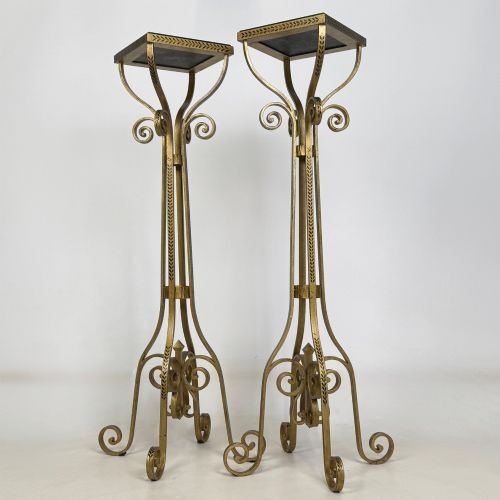
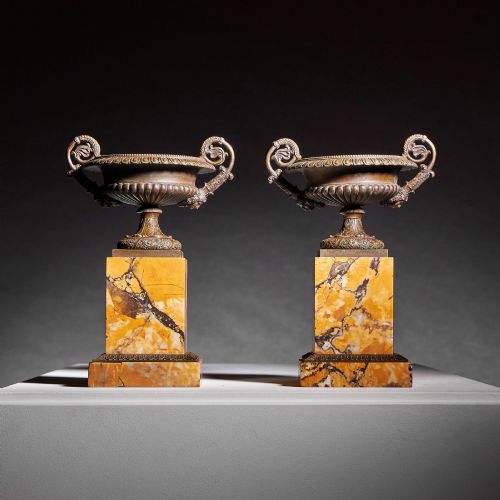
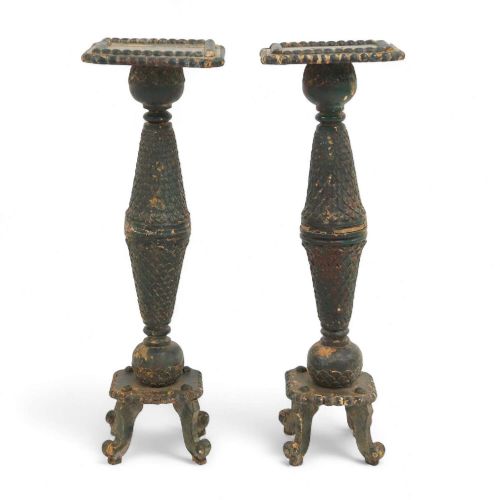
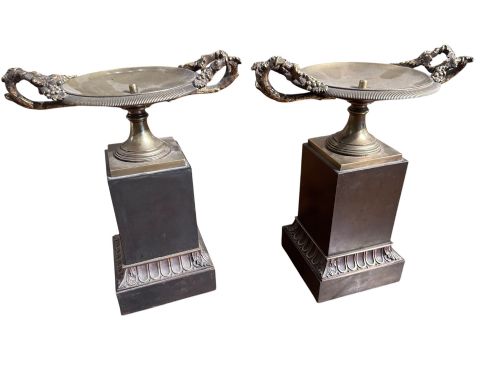
These french decorative pedestal pieces combine architectural forms and rich metalwork, serving as elevated stages for sculpture, plants or urns.
French Decorative Pedestal
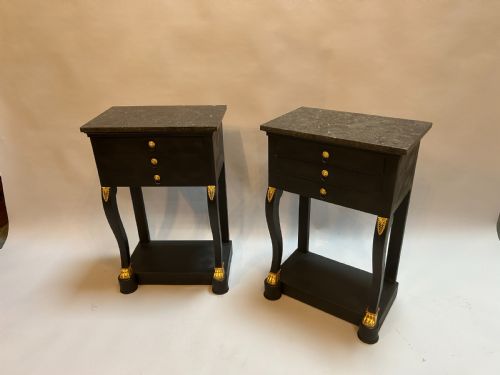
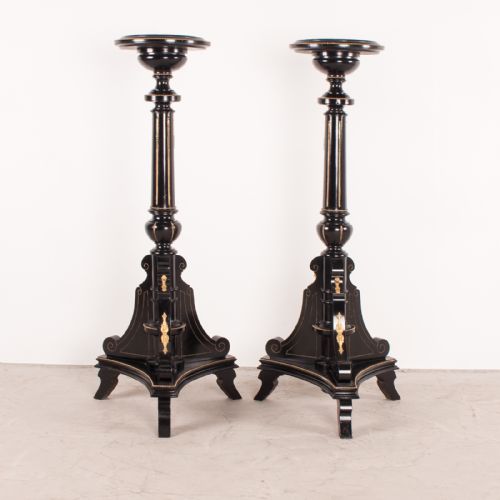
When you search for french decorative pedestal, you encounter items designed to elevate displays, including marble columns, wooden torchières, and plant stands. The nineteenth century yields the majority of these forms, particularly in styles referencing the French Empire, Second Empire, and Rococo revivals.
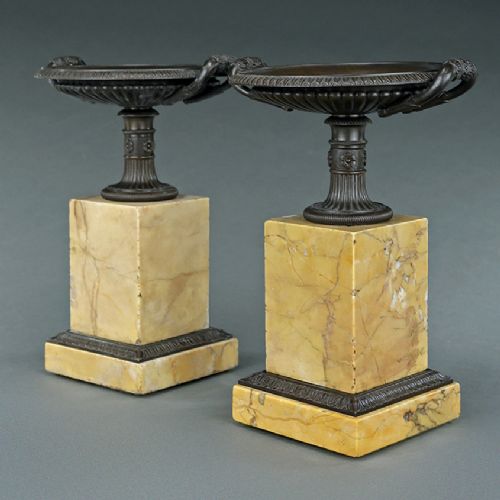
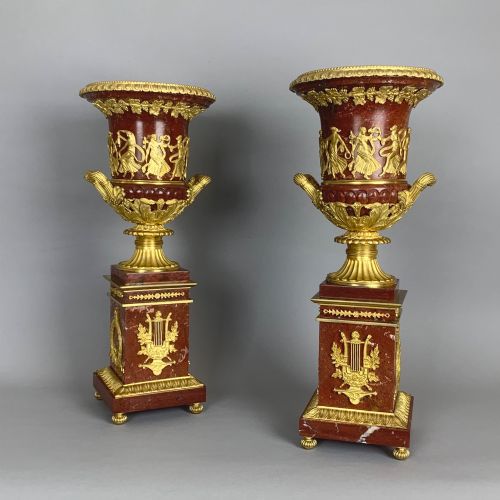
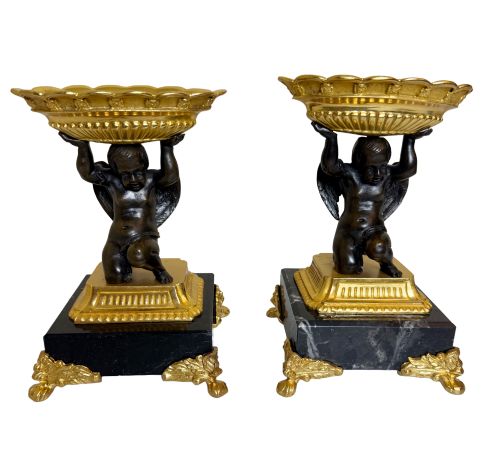
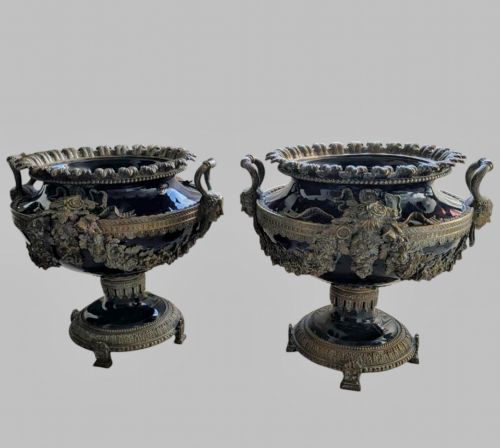
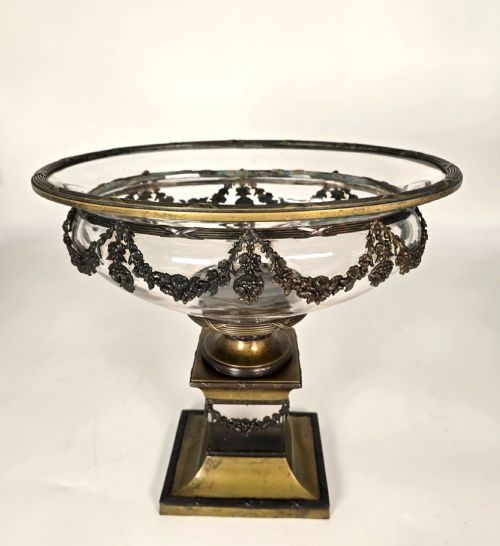
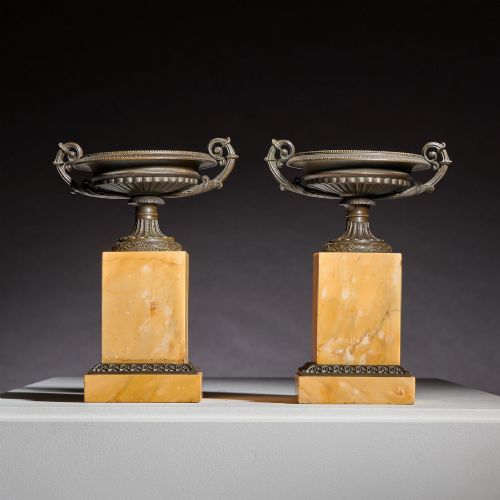
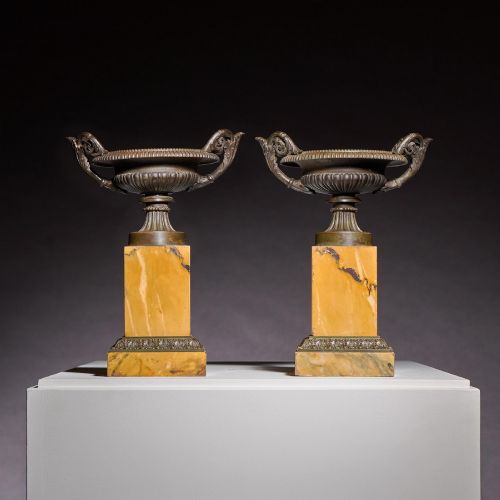
Beyond traditional floor-standing columns, the selection encompasses related display forms such as marble-based tazzas, bronze urns on plinths, and occasional tables. These objects originate primarily from French workshops spanning the early nineteenth century through the Edwardian period and into Art Deco designs.
Materials and construction
Construction relies heavily on the pairing of dense natural stone with cast and chased metals, frequently uniting Siena, Vert de Patricia, or white marble with bronze, ormolu, and gilt brass. Woodwork incorporates ebonised finishes, walnut, and carved giltwood, sometimes complemented by painted surfaces or patinated bronze.
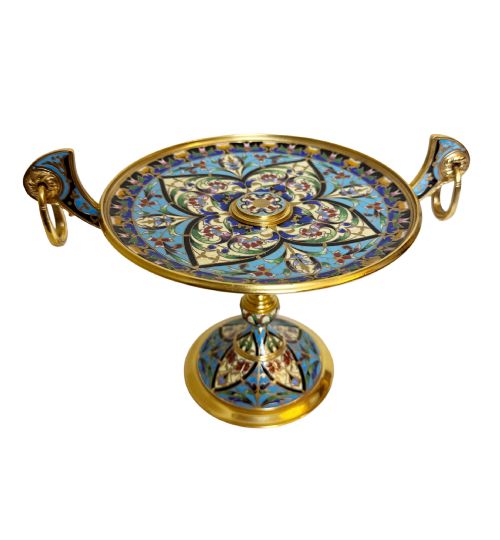
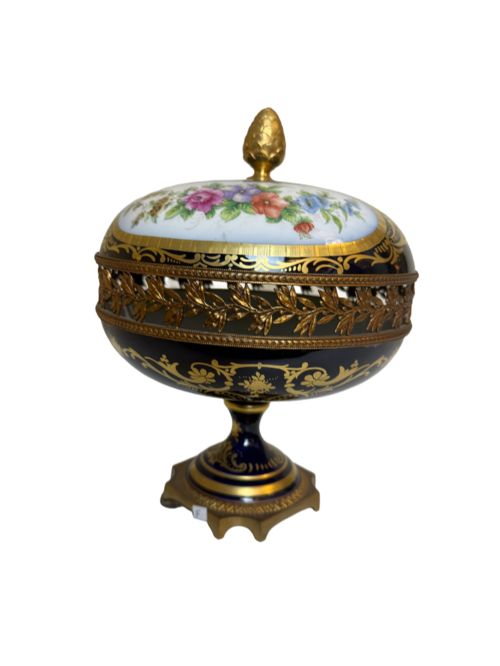
Detailing often includes decorative mouldings, champlevé enamel work, ceramic inserts like Limoges or Old Paris porcelain, and inset panels of malachite or Blue John. Cabinetmakers and metalworkers utilised these mixed media to create strong vertical contrasts between polished stone shafts and elaborate metallic mounts.
Materials recur across bronze, marble, ormolu, wood, ceramic, and glass.
Judging quality in these objects
Quality rests upon the crispness of the metal chasing and the selection of materials, where deeply articulated ormolu mounts and finely figured marbles distinguish superior examples. Weight and stability indicate the substance of the underlying structure, particularly in tall torchières and marble columns.
The integration of diverse elements, such as fitted porcelain sections, precise glass mounting, or intricate woodcarving, determines the overall refinement of a piece. Well-executed proportion across the base, shaft, and capital separates standard utility stands from highly decorative focal points.
The French Decorative Pedestal Glossary
- Tazza
- A shallow saucer-shaped vessel mounted on a stem and foot, frequently utilised as a decorative centrepiece on pedestals or tables.
- Torchere
- A tall stand designed to carry a light or hold a decorative urn, plant, or sculpture in a room.
- Ormolu
- Gilded bronze, where finely ground high-carat gold is applied to a bronze base using a mercury amalgam technique.
- Champleve
- An enamelling technique where troughs or cells are carved into the metal surface and filled with vitreous enamel before firing.
- Campana
- A bell-shaped classical vessel form often seen in antique urns and vases mounted on plinths.
French Decorative Pedestal: Frequently Asked Questions
How do I identify the period of a pedestal?
Dating relies on observing stylistic markers, such as the heavy classical geometry of French Empire designs versus the flowing asymmetry of Rococo revival pieces. Material choices, such as Siena marble or specific patinated bronzes, also align with particular decades in the nineteenth century.
Construction methods inside the base or column offer further clues regarding age and workshop origin. Examining joinery or the fastening of metal mounts helps separate nineteenth-century manufacturing from later twentieth-century interpretations.
Where should I place a torchere in my home?
A torchere performs well in empty corners or flanking doorways where vertical height can balance low furniture arrangements. Placing one beside a seating group creates an architectural anchor for the space.
These tall stands also suit entryways when topped with a suitable decorative bowl or small sculpture. Their slender profile allows them to occupy tight spaces without cluttering circulation paths.
How do I care for marble and bronze surfaces?
Maintenance requires dusting with a soft, dry cloth to prevent the accumulation of grit on sensitive patinas and polished stone. Avoid commercial cleaning liquids, which can strip historic finishes from both metals and woods.
Marble benefits from occasional wiping with a damp cloth followed by immediate drying to protect its porous surface. Keeping these pieces away from direct heat sources prevents the warping of wooden components and the drying out of stone joints.