




Gold Table Pedestal
These gold table pedestal pieces bring classical presence and useful surface space to a room, spanning periods from Regency to Art Deco.
Gold Table Pedestal
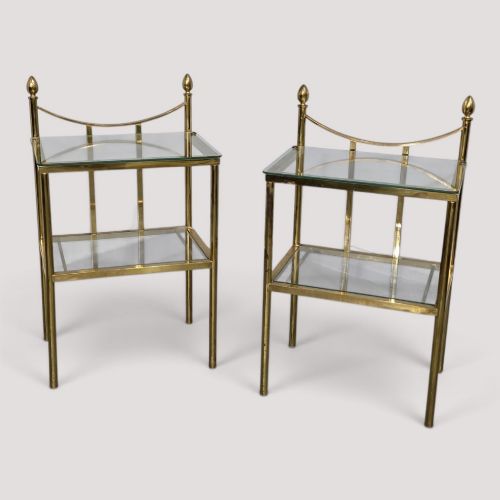
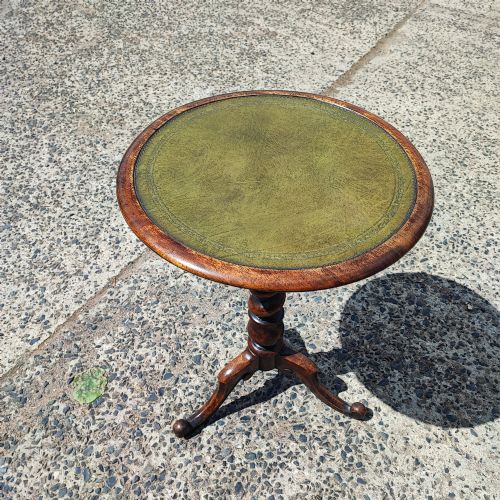
When searching for a gold table pedestal, a buyer encounters a range of small display pieces, occasional tables, and lighting supports that utilise gilt surfaces, brass, or ormolu. These items serve to hold lamps, plants, or decorative objects while introducing metallic warmth to interior spaces.
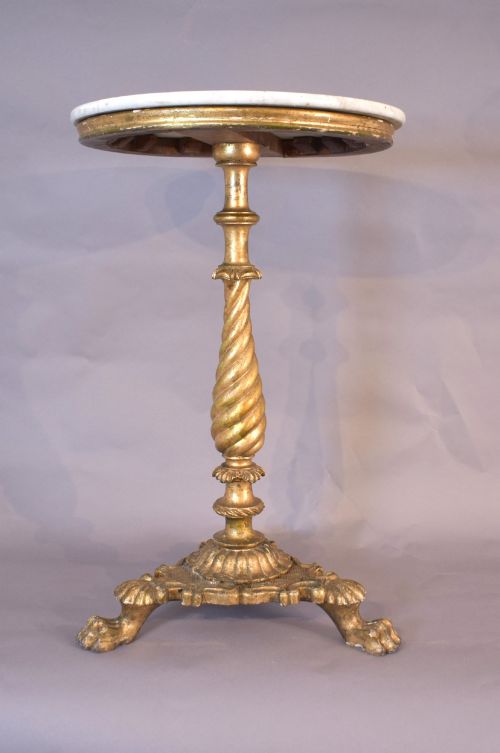
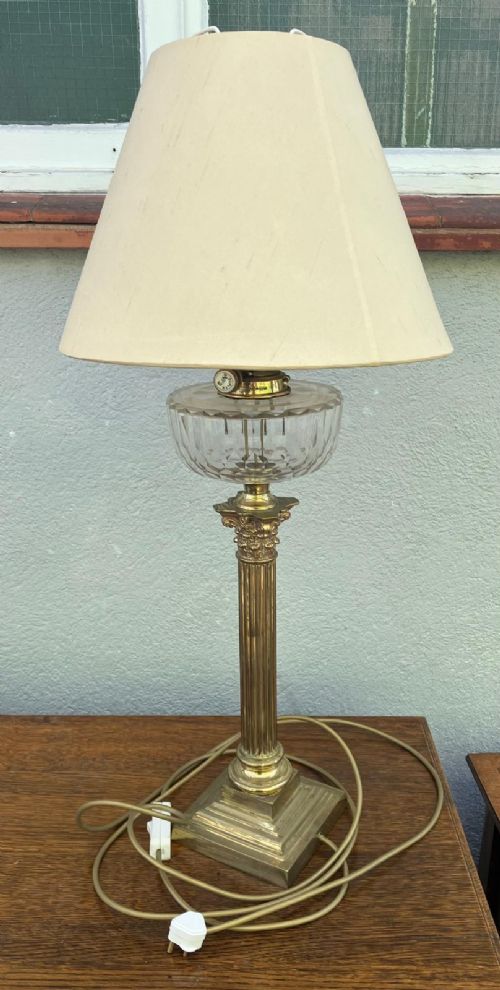
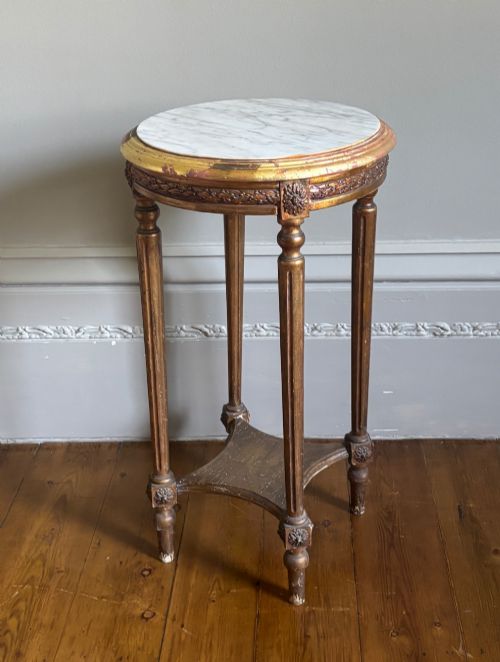
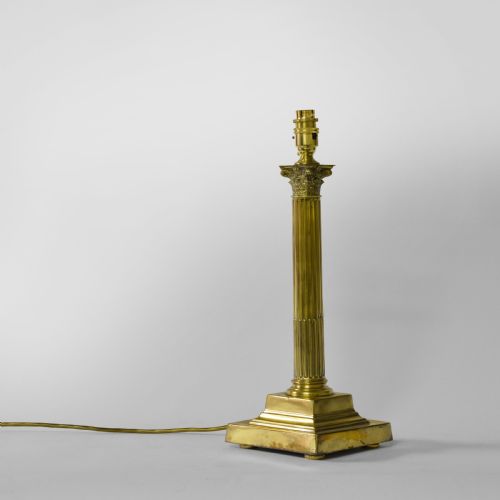
The selections available here lean heavily towards nineteenth-century Victorian designs alongside Regency and early twentieth-century examples. Forms vary from slender column table lamps and plant stands to small side tables with marble tops.
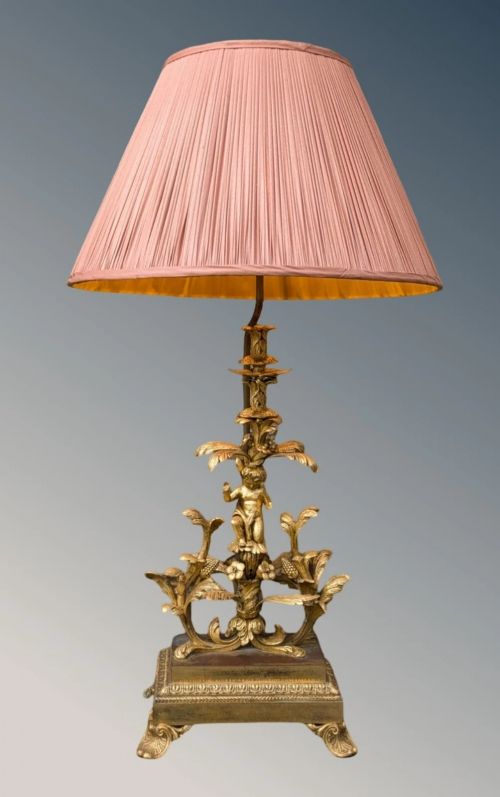
Origin styles include French Empire, Rococo Revival, and Neoclassical, often combining gilded wood or cast brass with contrasting stone or glass elements.
Materials and construction methods
The construction relies on solid timbers like mahogany, walnut, and lime wood combined with cast metals, brass, and applied gold leaf or giltwood. Artisans shaped these materials using traditional joinery, turning lathes for columns, and hand-chasing for metal mounts.
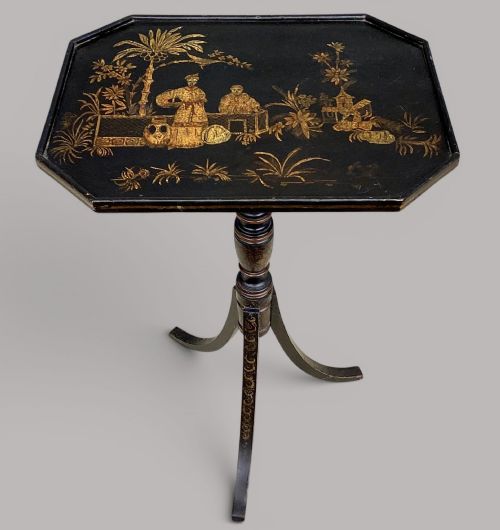
Marble and onyx inserts frequently provide heavy, polished tabletops for stands and occasional tables, supported by gilt wood frames or brass column structures. Surface ornamentation includes lacquer, penwork, and intricate flower mouldings.
Listings feature brass, marble, giltwood, and mahogany across nineteenth and twentieth-century periods.
Distinctions in quality
Quality rests in the crispness of the casting on brass components and the depth of the gilding on wood surfaces. Fine examples display sharp acanthus leaves on Corinthian capitals and securely fitted stone tops without movement.
Proportion and scale dictate the success of a piece, with superior items maintaining balanced dimensions across columns and bases. The integrity of the underlying timber or metal armature determines longevity.
The Gold Table Pedestal Glossary
- Giltwood
- Wood that has been coated with gold leaf or powder. This finish is typical of decorative frames and furniture from the Regency and Victorian periods.
- Ormolu
- Finely ground high-carat gold-mercury amalgam cast onto bronze. This technique creates rich metallic highlights on nineteenth-century mounts and lamps.
- Occasional table
- A small, movable table designed for specific, intermittent use. Examples include wine tables and lamp stands seen across various eras.
- Jardiniere
- A decorative stand or container intended for holding plants or flowers. These items often feature brass or ceramic construction.
- Corinthian column
- A classical architectural column style featuring ornate carved or cast leaves at the capital. This motif appears frequently on nineteenth-century table lamps.
Gold Table Pedestal: Frequently Asked Questions
Where should I place a pedestal table?
Position these pieces in corners, beside seating, or in hallways where they hold lamps and display objects without obstructing movement.
Ensure marble-topped variants sit on level flooring to protect the stone from undue structural stress.
Are these pieces suitable for daily use?
Most occasional tables and stands function well for holding drinks, books, or lighting fixtures under normal household conditions.
Delicate surfaces require coasters and protection from moisture to preserve the historical finish.
How do I identify a Regency piece?
Look for classical restraint, architectural motifs, and dark woods or gilded accents typical of the early nineteenth century.
Details like brass inlay, reeded legs, and specific column forms help distinguish this period from later Victorian revivals.